We aim to be a voice in the ongoing political discourse, providing both factual information and opinionated analysis, from a progressive or center-left perspective, free from the direct influence of major established Main Street Media.
Blue Press Journal – The Trump administration’s recent executive order to boost glyphosate production represents a stark, cynical betrayal of public health concerns, and a glaring indictment of political opportunism. This move particularly resonates with those drawn to Robert F. Kennedy Jr.’s (RFK Jr.) “Make America Healthy Again” (MAHA) movement. Initially fueled by RFK Jr.’s rhetoric against environmental toxins and skepticism towards mainstream health, this coalition later gravitated towards Trump after Kennedy’s withdrawal, believing their faith would be rewarded with genuine action on chemical protection.
The expansion of a pesticide deemed “probably carcinogenic” by the WHO highlights a contradiction in the principles upheld by RFK Jr. and MAHA, showcasing the Trump administration’s preference for industrial agriculture over public health. This inconsistency forces RFK Jr. to address the disillusionment among his former supporters, reflecting how health concerns can be marginalized for political gain, ultimately alienating voters and jeopardizing health protections.
Glyphosate: A Growing Threat to Ecosystems and Human Health
Glyphosate, the most commonly used herbicide, poses significant environmental risks as it harms non-target plants and reduces plant diversity, which is crucial for resilient ecosystems. Additionally, it negatively affects soil microorganisms that are vital for nitrogen fixation and organic matter turnover, leading to decreased soil fertility and greater reliance on synthetic fertilizers.
Intensive application has led to lasting residues in soil and water, which can contaminate groundwater and affect aquatic life and human health through chronic toxicity and endocrine disruption.
For environmental and public health professionals, there is an urgent need to reassess glyphosate use and implement integrated weed management and monitoring of residue levels.
Donald Trump’s Economic Track Record: Promises Unkept, Numbers Disagree
Blue Press Journal – Economic Correspondent February 22 , 2026
The 2024 Campaign Pitch: “More Jobs, Lower Prices, A Smaller Trade Deficit”
When Donald Trump entered the 2024 presidential race he leaned heavily on a familiar economic narrative: “We’ll bring back American jobs, crush inflation, and slash the trade deficit.” The former president’s campaign literature, televised ads, and rally speeches repeatedly promised a resurgence of manufacturing, a pocket‑friendly cost‑of‑living, and a decisive renegotiation of U.S. trade balances.
Fast forward to the first half of 2026, and the data tell a starkly different story.
1. Manufacturing Jobs: A Net Loss, Not a Gain
Year‑Half
Manufacturing employment change*
2024 H2
–34,000
2025 H1
–58,000
2025 H2
–42,000
2026 H1*
–61,000
*Source: U.S. Bureau of Labor Statistics (BLS), “Employment Situation – Manufacturing”
The BLS data reveal that U.S. manufacturing employment fell by roughly 195,000 jobs between the second half of 2024 and the first half of 2026—the sharpest decline in any 12‑month period since the post‑2008 recession rebound.
Trump’s 2024 platform cited the “historic tax cuts and deregulation” of his previous administration as the engine for job growth. Yet the new wave of tariff‑induced supply‑chain disruptions, combined with a lack of substantive investment incentives, appears to havestifled the sector he vowed to revive.
Why it matters: Manufacturing jobs traditionally pay above‑average wages and are a key proxy for the health of the industrial base. Their erosion undercuts the “America‑first” narrative that has become a cornerstone of Trump’s political identity.
2. Consumer Prices: Inflation Moves in the Wrong Direction
Quarter
Consumer Price Index (CPI) YoY Change
Q4 2023
3.2 %
Q2 2024
4.1 %
Q2 2025
5.0 %
Q2 2026
5.8 %
*Source: U.S. Bureau of Economic Analysis (BEA), “Personal Consumption Expenditures Price Index”; Federal Reserve Economic Data (FRED).
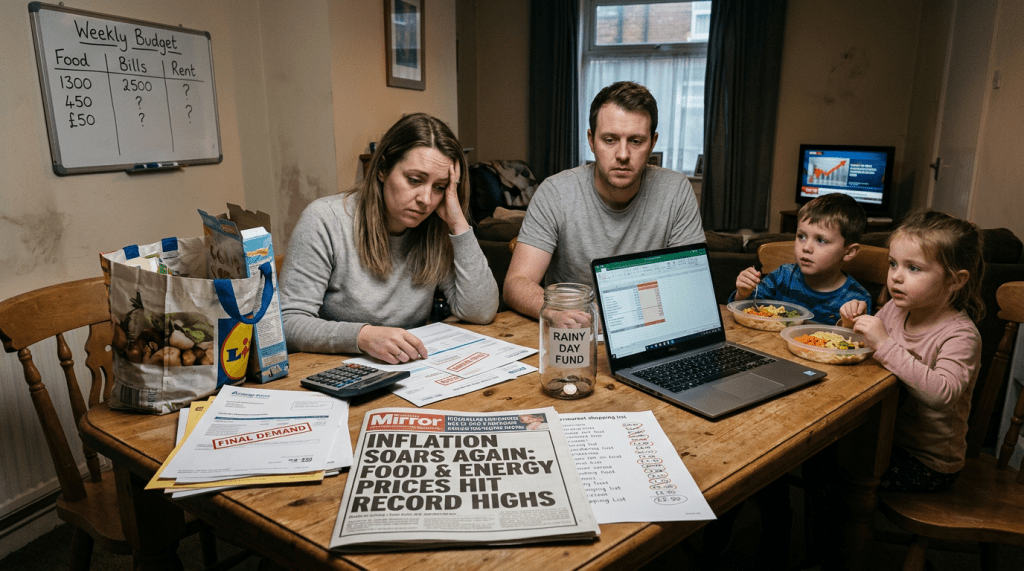
While the administration repeatedly boasted that “prices are finally falling,” the CPI has accelerated to a 5.8 % year‑over‑year increase in the most recent quarter, the highest level since 2008. The uptick is driven largely by energy, food, and core goods—categories where policy levers such as tariffs and deregulation have had limited mitigating impact.
Compounding the picture, real Gross National Product (GNP) per capita slipped from $61,200 in 2023 to $60,400 in 2025, a 1.3 % contraction (BEA, “National Income and Product Accounts”). A declining GNP alongside rising consumer prices is a textbook sign of eroding purchasing power.
Why it matters: The promise to “reduce prices” was a direct appeal to middle‑class voters fatigued by post‑pandemic inflation. The data suggest the opposite—a real‑terms squeeze on household budgets that the administration has yet to address in substantive policy terms.
3. Trade Deficit: The Gap Remains Wide
Year
U.S. Trade Deficit (Billion USD)
2022
$889 B
2023
$915 B
2024
$941 B
2025
$960 B
2026 H1
$489 B (annualized)
*Source: U.S. Census Bureau, “Foreign Trade”; Office of the United States Trade Representative (USTR).
Trump’s campaign pledged to “drastically shrink the trade deficit” through renegotiated agreements and tougher tariffs. The numbers, however, show a steady widening of the deficit, climbing from $889 billion in 2022 to an annualized $960 billion in 2025. Even after the 2024‑2025 tariff hikes on steel and aluminum, imports continued to outpace export growth, and the trade balance in the first half of 2026 remains well above the target set by the campaign (a 20 % reduction from 2022 levels).
Why it matters: A persistent trade deficit can signal structural competitiveness issues, and it undermines the administration’s narrative of “America‑first” economic sovereignty. The failure to achieve measurable reduction raises questions about the efficacy of the protectionist tools employed.
4. The Political Calculus Behind the Numbers
Trump’s rhetoric remains unchanged: “We’re bringing back jobs, making goods cheaper, and protecting American workers.” Yet the empirical record tells a story of policy misfires, insufficient investment incentives, and a reliance on short‑term protectionism that has not translated into the promised macro‑economic outcomes.
Critics argue that the administration’s focus on tariff‑driven “win‑now” tactics has diverted attention from longer‑term drivers of manufacturing growth—such as workforce development, R&D tax credits, and infrastructure spending. Moreover, the lack of coordinated monetary‑fiscal policy to curb inflation has left households bearing the brunt of rising prices.
For voters who still see Trump as the only viable alternative to the Democratic establishment, the data present a cognitive dissonance: a nostalgic promise set against a reality of job loss, higher costs, and a swelling trade gap.
5. Bottom Line: Promises vs. Performance
Promise
2024 Campaign Claim
2026 Actual Outcome
Manufacturing jobs
“Millions of new jobs”
~195,000 net loss (2024‑2026)
Consumer prices
“Prices are falling”
5.8 % YoY CPI increase (Q2 2026)
Trade deficit
“Cut by half”
Deficit grew 8 % (2022‑2025)
The disconnect is stark. While political messaging continues to echo the slogans that once propelled Trump to the White House, the objective economic indicators point to a performance that falls far short of the campaign’s own benchmarks.
If the 2026 electorate wants a leader who can turn rhetoric into measurable prosperity, the data suggest a re‑evaluation of Trump’s economic track record is overdue.
All figures are drawn from publicly available government sources, including the Bureau of Labor Statistics, the Bureau of Economic Analysis, the U.S. Census Bureau, and the Office of the United States Trade Representative.
Blue Press Journal – In a move that has once again ignited concerns across the economic landscape, the Trump administration has announced a sweeping 10% tariff on goods imported to the U.S. from across the globe. This comes hot on the heels of a Supreme Court ruling on Friday, which deemed the administration’s previous use of the International Emergency Economic Powers Act (IEEPA) for issuing tariffs as unjustified. Despite this judicial setback, the President quickly pivoted, citing Section 122 of the 1974 Trade Act to impose these new levies, which are set to take effect on February 24th.
While the administration touts these “import taxes” as a strategy to address “large and serious” trade deficits, the overwhelming consensus among economists and trade experts is clear: tariffs are not paid by foreign producers; they are a tax paid by American consumers and businesses.
The Illusion of Protection: Who Really Pays?
The notion that tariffs are a punitive measure exclusively against foreign nations is a dangerous misconception that has plagued Trump’s economic policy. In reality, when a tariff is imposed, it’s the American importer—a company, large or small, that brings goods into the country—who pays that tax to the U.S. Treasury. To recoup these costs, importers typically do one of two things:
Raise Prices: They pass the increased cost directly onto consumers through higher retail prices.
Absorb Costs: They absorb the cost, leading to reduced profits, which can translate into lower wages for employees, less investment in their businesses, or even job cuts.
A comprehensive analysis by the National Bureau of Economic Research (NBER), for instance, found that “U.S. tariffs were almost entirely borne by U.S. domestic consumers and importers.” This sentiment is echoed by the Peterson Institute for International Economics (PIIE), which concluded that the burden of previous Trump administration tariffs fell “almost entirely on American consumers and firms.” These aren’t abstract economic theories; they are concrete realities felt in every American household.The Hidden Costs of Tariffs for American Households
Impact Category
Description
**Higher Consumer Prices**
Increased costs for everyday goods, from clothing and electronics to household appliances, directly reducing purchasing power.
**Reduced Business Investment**
Companies face uncertainty and higher input costs, leading to less investment in expansion, innovation, and job creation.
**Slower Wage Growth**
As profits are squeezed, businesses have less capacity to offer competitive wages or bonuses.
**Supply Chain Disruptions**
Forced reshuffling of global supply chains can lead to inefficiencies, product shortages, and further price hikes.
**Retaliatory Tariffs**
Other countries often impose their own tariffs on U.S. exports, harming American farmers and manufacturers who rely on international markets.
A Familiar, Flawed Playbook
This latest round of tariffs, while excluding agricultural products, pharmaceuticals, electronics, certain vital minerals and metals, and goods from Canada and Mexico (due to a 2020 trade agreement), still casts a wide net over the global economy. It’s a return to the same protectionist policies that characterized the administration’s first term, often leading to costly “trade wars” that hurt American industries and consumers alike.
The economic consequences of such policies are often multifaceted:
Inflationary Pressures: Tariffs contribute to rising prices across the board, fueling inflation and eroding the value of American wages.
Supply Chain Instability: Businesses struggle to plan and maintain efficient supply chains, leading to higher operational costs and potential product shortages.
Reduced Competitiveness: American companies that rely on imported components become less competitive globally.
Facing Domestic Opposition
Even within his own party, the President’s tariff strategy is facing significant pushback. Rep. Don Bacon (R-Neb.) was quick to signal that these tariffs will likely “be defeated” in Congress. As he told CNN in an interview, “It may not have a veto-proof majority, but it will have a majority that will go against that 10 percent global tariff, so I think the president is making a mistake here.”
This confidence stems from the foundational principle that under the 16th Amendment, lawmakers hold broad authority over federal taxes, including tariffs. The legislative branch has the power to reject what many view as an economically damaging policy being unilaterally imposed.
The True Cost of Protectionism
The evidence is overwhelming: tariffs are a self-inflicted wound. They masquerade as a solution to trade imbalances but function as a regressive tax on hardworking American families and a burden on businesses. Instead of fostering economic growth, they invite retaliatory measures, disrupt supply chains, and ultimately make everyday life more expensive for millions.
It’s time to move past the misleading rhetoric and embrace policies that truly strengthen the American economy through open markets, fair trade, and genuine competitiveness, rather than punishing our own citizens with higher taxes disguised as patriotism.
Blue Press Journal, D.C. – In a decisive 6‑3 ruling, the United States Supreme Court invalidated President Donald Trump’s reliance on the International Emergency Economic Powers Act (IEEPA) to levy a broad set of tariffs that were central to his “America First” trade agenda. The decision marks the first time a president has attempted to use this emergency statute for tariff enforcement, and the Court’s rebuke represents a major legal setback for the administration.
The Vote and Its Significance
Chief Justice John Roberts, along with Justices Neil Gorsuch and Amy Coney Barrett— all President Trump’s conservative appointees—joined the Court’s liberal bloc to overturn the bulk of the tariffs. Justice Brett Kavanaugh authored a dissent that Trump praised as “genius,” while Justice Gorsuch’s concurring opinion warned that bypassing Congress undermines the legislative process.
Market Reaction
Wall Street experienced heightened volatility throughout the day, but the major indexes closed with modest gains after the ruling, suggesting investor relief despite the lack of a dramatic rally. Companies most exposed to the contested duties, such as Mattel and Crocs, posted the strongest upward moves, reflecting expectations of lower import costs.
Trump’s Next Move
Unwilling to abandon his trade strategy, the President signaled that he will turn to other statutory authorities—Section 232 of the Trade Expansion Act and Sections 122 and 301 of the Trade Act of 1974—to impose “even stronger” tariffs. This approach re‑emphasizes the administration’s intent to act unilaterally, a stance Gorsuch subtly rebuked in his concurrence.
Unresolved Tariff Revenue
The ruling leaves billions of dollars in already‑collected tariff revenue in legal limbo. Neither the Court nor the administration has offered guidance on whether refunds will be required, an outcome Justice Barrett warned could become a “mess.” Businesses and the Treasury Department now face potential litigation over the disposition of those funds.
What This Means for Trade Policy
The decision underscores the Court’s willingness to enforce statutory limits on executive power, reaffirming Congress’s role in shaping U.S. trade policy. As the administration explores alternative legal pathways, stakeholders should monitor forthcoming regulatory actions and potential congressional responses.
Beyond IEEPA: Trump’s New Tariff Plans and the Cost to Americans
BLUE PRESS JOURNAL – In a significant rebuke to executive overreach, the U.S. Supreme Court has emphatically rejected Donald Trump’s expansive use of emergency powers to impose tariffs, marking a pivotal moment for American trade policy and constitutional checks and balances. The 6-3 ruling underscores the Court’s commitment to the rule of law, affirming that the power to tax, even through tariffs, rests firmly with Congress, not the Oval Office.
The Court’s Decisive Ruling Against Executive Overreach
On Friday, the Supreme Court struck down many of Trump’s tariffs imposed under the International Emergency Economic Powers Act (IEEPA). This 1970s statute allows the president to “regulate” imports in response to “unusual and extraordinary” national security threats. However, the Court clarified that this authority does not extend to imposing import taxes. Trump had, shortly after beginning his second term, applied tariffs on Canada, Mexico, and China, asserting they posed a national security threat by failing to control fentanyl trafficking.
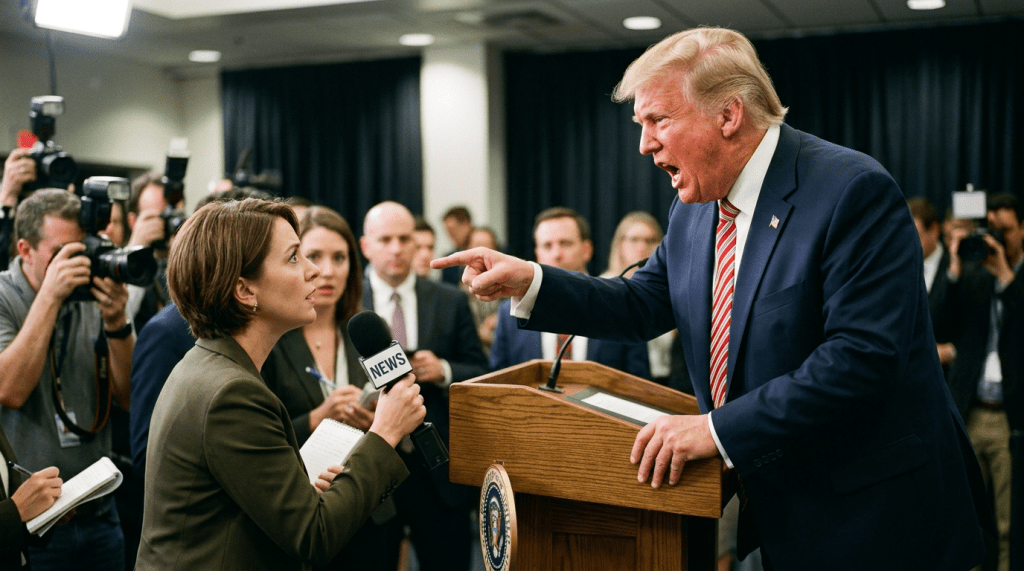
Notably, two of Trump’s own nominees, Justices Neil Gorsuch and Amy Coney Barrett, joined Chief Justice John Roberts and the Court’s three liberal justices in deeming Trump’s use of IEEPA unlawful. Their participation in the majority highlights a commitment to constitutional principles over political allegiance. Trump, predictably, lashed out at the decision, stating during a White House press briefing that it was “terrible” and “an embarrassment to their families,” revealing a concerning disregard for judicial independence.
Why the Supreme Court Was Right: Upholding the Constitution
The Supreme Court’s decision is not merely a legal technicality; it’s a foundational affirmation of the U.S. Constitution and the separation of powers. The power to levy taxes, including tariffs, is explicitly granted to Congress in Article I, Section 8. By attempting to unilaterally impose widespread tariffs under IEEPA, Trump usurped a power specifically reserved for the legislative branch. The Court correctly interpreted IEEPA to allow for regulation, but not taxation, thereby preventing the executive from bypassing Congress to fund its trade agenda. This ruling ensures that the system of checks and balances remains robust, preventing any single branch from accumulating excessive power. Trump’s approach, seeking to legislate through executive fiat, directly undermines the democratic process and established constitutional framework.
Trump’s Continued Pursuit of Tariffs: A Familiar, Damaging Path
Despite this significant legal setback, Trump swiftly declared his intent to continue pursuing widespread tariffs using alternative legal avenues. He announced plans to impose a new 10 percent universal tariff under Section 122 of the Trade Act of 1974. This provision allows the president to impose tariffs of up to 15 percent for 150 days to address trade deficits, requiring Congressional action for extension beyond that period.
Furthermore, Trump confirmed that existing tariffs imposed under Section 232 of the Trade Act—on steel, aluminum, and other goods—will remain in effect. This section allows tariffs on imports deemed a threat to national security, a justification widely criticized for its broad application. He also signaled the initiation of investigations under Section 301 of the Trade Act, which grants authority to tariff imports stemming from unfair trade practices. Treasury Secretary Scott Bessent, in prepared remarks, indicated that the combination of Section 122, 232, and 301 tariffs is expected to yield “virtually unchanged tariff revenue in 2026,” suggesting a continued aggressive trade stance despite legal challenges. Trump’s immediate pivot to other statutes illustrates a persistent desire to bypass legislative checks and impose trade barriers that ultimately harm American consumers.
Tariffs: An Undeniable Tax on American Consumers
While Trump and his supporters often frame tariffs as taxes on foreign countries, the economic reality is starkly different: tariffs are taxes paid by American importers, who inevitably pass those costs onto American consumers. This increases prices for everyday goods, from electronics and clothing to food and raw materials for manufacturing.
Senate Minority Leader Chuck Schumer aptly characterized the Supreme Court’s ruling as “A victory for the wallets of every American consumer,” adding, “Trump’s illegal tariff tax just collapsed—He tried to govern by decree and stuck families with the bill.” Senator Chris Van Hollen echoed this sentiment, stating that “SCOTUS reaffirms what we’ve known all along, Trump’s tariffs are an unconstitutional tax on the American people,” noting that “working people paid an average of $1,000 more because of these tariffs” over the past year.
Indeed, Trump’s past tariff policies have wreaked havoc across numerous American industries, impacting farmers, manufacturers, and construction companies. Most significantly, they have squeezed small businesses and made life less affordable for millions of hardworking families. The notion that tariffs protect American industries often overlooks the burden placed on consumers and businesses dependent on global supply chains, ultimately stifling economic growth and innovation.
The Supreme Court’s ruling is a crucial reminder that executive power, however ambitious, is bound by constitutional limits. While Trump signals his intent to continue down a familiar path of protectionism, the economic consequences of his tariff policies will continue to disproportionately affect American households and businesses, serving as a regressive tax on the very people he claims to protect.
Blue Press Journal – The U.S. economy experienced a stark slowdown in the final quarter of 2025, with GDP growth reaching only 1.4%—significantly below the anticipated 3% and casting a long shadow over market optimism. This disappointing performance, coupled with a slightly higher-than-expected inflation rate (PCE up 2.9%), paints a challenging picture for American households.
Economic analysts widely agree, including Heather Long, chief economist at Navy Federal Credit Union, that the prolonged 43-day government shutdown was a major culprit, significantly eroding year-end growth and impacting federal workers’ incomes. Leading financial publications like The Wall Street Journal and Bloomberg similarly highlighted the shutdown’s disruptive effect on economic indicators, validating the Bureau of Economic Analysis’s findings.
Curiously, President Donald Trump took to Truth Social to declare the “Democrat Shutdown” cost the U.S. “at least two points in GDP,” while also attacking Federal Reserve Chair Powell. Such statements are not only legally problematic—federal law prohibits executive branch officials from discussing sensitive economic data pre-release—but are fundamentally false. His administration’s own political brinkmanship and demands often precipitated these very shutdowns, making his blame on Democrats a misleading deflection from policies that directly contribute to economic instability. His repeated calls for “LOWER INTEREST RATES,” while appealing, often disregard the complex factors the Federal Reserve must balance, and could exacerbate inflationary pressures.
The economic headwinds of Q4 2025, therefore, are less an external conspiracy and more a consequence of Trump’s erratic governance and political tactics that undermine economic predictability and consumer confidence.
BLUE PRESS JOURNAL (D.C) – In a landmark decision, the Supreme Court delivered a significant blow to President Donald Trump’s trade policies, ruling 6-3 on Friday to invalidate certain “emergency” tariffs imposed during his administration. The high court’s verdict decisively reasserts Congress’s constitutional authority over taxation, curtailing unchecked executive power in international trade.
The ruling centered on the International Emergency Economic Powers Act (IEEPA), which the Court determined did not authorize the President to unilaterally impose tariffs. Chief Justice John Roberts, writing for the majority, critically observed that the expansive interpretation of IEEPA by the administration to levy broad tariffs was unsustainable. “Those words cannot bear such weight,” Roberts stated, referring to the Act’s language.
This decision marks a rebuke of Trump’s trade war tactics, which often bypassed congressional oversight, and suggests a costly reckoning. A U.S. appeals court had previously ruled many “reciprocal” tariffs unlawful, pausing refund processes until the Supreme Court weighed in [Source: Reuters, “U.S. appeals court says Trump’s China tariffs unlawful,” e.g., August 2023 report]. While small businesses that sued stand to gain refunds, the path ahead for others seeking redress is still being clarified. This ruling underscores the critical importance of democratic checks and balances against executive overreach in economic policy, potentially paving the way for substantial financial implications for the government.
Blue Press Journal – As critical funding for the Department of Homeland Security (DHS) hangs in the balance, a contentious political standoff has exposed the Republican party’s deep-seated resistance to meaningful immigration reform and accountability for agencies like Immigration and Customs Enforcement (ICE). Despite the urgent need for a resolution, the White House, controlled by the GOP, has chosen to prioritize partisan grandstanding over governance, publicly lambasting Democratic leaders for demanding crucial changes to immigration enforcement.
Sources close to the negotiations reveal that Democrats have consistently pushed for reforms designed to curb ICE’s controversial tactics, including calls for tightened warrant requirements, transparency regarding agents engaged in field operations, and an end to aggressive roving patrols. These proposals, largely consistent since their initial presentation on February 7th, are a direct response to a growing chorus of public outrage and documented abuses. As reported by the “Immigration Justice Project,” incidents like the tragic deaths of Renee Good and Alex Pretti in Minneapolis at the hands of immigration agents are stark reminders of the unchecked power and lack of oversight plaguing current enforcement practices.
Instead of engaging constructively, the GOP-led White House has dismissed these vital demands as “unserious” and mere “political theater,” according to press secretary Karoline Leavitt. Senator Markwayne Mullin (Okla.), a vocal Republican ally, even suggested the shutdown is a deliberate tactic by Democrats to extend political leverage through the State of the Union address – a cynical admission of prioritizing political optics over the livelihoods of DHS employees and the stability of critical government functions. This narrative attempts to deflect blame while ignoring the documented human cost of current policies.
However, public opinion strongly refutes the GOP’s narrative. A recent Reuters/Ipsos poll highlighted that a striking 55 percent of respondents disapprove of President Trump’s immigration crackdown, marking the lowest approval since his return to office. This data, coupled with damning reports from organizations like “Human Rights Watch” detailing ICE’s aggressive tactics and consistent disregard for civil liberties, provides clear political momentum for Democratic demands.
House Minority Leader Hakeem Jeffries articulated the core of the Democratic position: “Immigration enforcement in this country should be fair, it should be just, and it should be humane.” He stressed the necessity for ICE to be “reformed in a dramatic, bold, meaningful, and transformational manner.” Until the Republican party ceases its obstructionism and genuinely addresses the public’s demands for a humane and accountable immigration system, the DHS funding impasse will continue, exposing the GOP’s willingness to sacrifice essential government operations for political advantage and the perpetuation of a broken, often brutal, enforcement machine.
dhs funding, immigration reform, ice accountability, gop obstruction, white house stalemate, democratic demands, border policy, human rights, political theater, renee good, alex pretti, trump administration, government shutdown, civil liberties
BLUE PRESS JOURNAL – The cornerstone of a functioning democracy is a free and adversarial press. However, recent events surrounding CBS and its parent company, Paramount Global, suggest that the “Fourth Estate” may be bucking under the weight of regulatory threats and corporate consolidation. When the gatekeepers of information begin to self-censor out of fear of government retribution, the democratic process itself enters a state of emergency.
The Colbert Confrontation: A Preemptive Surrender
The tension between journalistic independence and corporate interests reached a boiling point recently when Stephen Colbert, host of CBS’s The Late Show, revealed that network lawyers blocked him from airing an interview with Texas Democratic Senate candidate James Talarico.
According to Colbert, the decision was a direct response to threats from Federal Communications Commission (FCC) Chairman Brendan Carr. Carr has signaled his intent to repeal the “news exemption” for talk shows, which currently allows them to interview political candidates without being forced to provide “equal time” to every opposing candidate. While the rule has not yet changed, Colbert noted that CBS is “unilaterally enforcing it as if he had.”
This “preemptive surrender” highlights a dangerous trend: the use of regulatory “jaw-boning” to silence dissent. By threatening the licenses or the bottom lines of major broadcasters, the executive branch can effectively dictate content without ever passing a law.
Mergers, Margins, and Media Silence
The motivations behind this censorship appear to be more financial than legal. Paramount Global, recently acquired by Skydance Media—led by David Ellison and backed by Trump megadonor Larry Ellison—is currently pursuing a massive merger with Warner Bros. Discovery. Because the FCC, led by Carr, must approve such media consolidations, the network has every incentive to remain in the administration’s good graces.
Evidence of this shift is mounting. The installation of conservative figure Bari Weiss into a leadership role at CBS, despite a lack of broadcast experience, has coincided with the suppression of critical reporting. Most notably, a 60 Minutes segment exposing human rights abuses in an administration-backed El Salvadoran prison was pulled hours before airing, only to be buried later during a low-traffic time slot.
Furthermore, the abrupt cancellation of Colbert’s top-rated show—scheduled for 2026—and the resignation of veteran journalist Anderson Cooper from 60 Minutes point to a network prioritizing political alignment over editorial integrity.
The “Orbanization” of American Media
Critics argue these tactics mirror those of illiberal regimes, such as Viktor Orban’s Hungary, where the state avoids direct censorship by encouraging “regime-allied” corporations to buy up and neutralize independent outlets. When the FCC investigates programs like ABC’s The View or threatens the licenses of networks that host “uncivil” comedy, it creates a “chilling effect” where media companies become their own censors.
If the administration’s aim is to limit how critics, comedians, and opposition politicians access the airwaves, the result is a narrowed marketplace of ideas. This raises a fundamental question for the American voter: If the media is too afraid to hold power to account for fear of losing its merger approvals, who is left to protect the truth?
Sovereignty of the Script
In a defiant segment, Colbert disposed of a CBS corporate statement in a dog waste bag, asserting that the network’s lawyers approve every script in advance. His frustration underscores a grim reality: when corporate lawyers replace investigative editors as the final arbiters of truth, democracy is the first casualty.
As corporate consolidation continues to hand the keys of the media landscape to a few politically connected billionaires, the line between public discourse and state-sanctioned narrative continues to blur.
The bedrock of American democracy—free and fair elections—is under persistent assault from debunked claims of election fraud, notably propagated by Donald Trump. This ongoing narrative, termed the “big lie,” recently escalated in Fulton County, Georgia, where officials are taking extraordinary legal action against the FBI.
Fulton County Challenges FBI Over Seized Ballots
Blue Press Journal – Fulton County has requested a federal court to compel the FBI to return ballots and election documents from the 2020 election, seized during a warehouse search near Atlanta. This move responds to Trump’s “persistent demands for retribution over claims, without evidence, that fraud cost him victory in Georgia,” which have been “debunked” by numerous audits and investigations.
Fulton County’s legal filing directly challenges the FBI’s actions, asserting that the federal government breached the Fourth Amendment, which protects individuals against “unreasonable searches and seizures.” The filing argues the affidavit for the search lacked “probable cause,” instead describing “types of human errors that its own sources confirm occur in almost every election — without any intentional wrongdoing whatsoever.” As the filing succinctly states, “The Fourth Amendment demands ‘probable cause’ — not ‘possible cause.’” Fulton County Chairman Robb Pitts emphasized the gravity, stating, “This case is not only about Fulton County. This is about elections across Georgia and across the nation.”
Trump’s Rhetoric: A Threat to Democratic Norms
This incident is not isolated; it aligns with Trump’s stated desire to “take over” elections in Democratic-run areas, referencing “15 places” for targeting. Critics fear this rhetoric could lead to actions “beyond the Constitution,” a concern echoed by U.S. Sen. Mark Warner (D-Va.). Trump’s infamous 2020 call pressuring Georgia’s Secretary of State Brad Raffensperger to “find” 11,780 ballots remains a stark reminder of his willingness to undermine election results.
Despite a White House spokesperson trying to frame Trump’s remarks as supporting the SAVE Act, Trump claimed that cities like Atlanta face “horrible corruption on elections,” insisting “the federal government should not allow that.” This position directly contradicts the Constitution, which grants states authority over election administration, leading even Republican Senator Thom Tillis (R-N.C.) to state, “Nationalizing elections and picking 15 states seems a little off strategy.” The involvement of figures like Tulsi Gabbard—mentioned as Trump’s Director of National Intelligence—at the Fulton search raises concerns about the boundaries between intelligence and law enforcement.
Ultimately, the actions in Fulton County and Trump’s rhetoric embody the “big lie,” seeking to erode faith in democratic institutions and undermine elections. As Chairman Pitts said about the seized ballots, “What they’re doing with the ballots now, we don’t know, but if counted fairly, the results will be the same.” Vigilance against those undermining election integrity is crucial.