We aim to be a voice in the ongoing political discourse, providing both factual information and opinionated analysis, from a progressive or center-left perspective, free from the direct influence of major established Main Street Media.
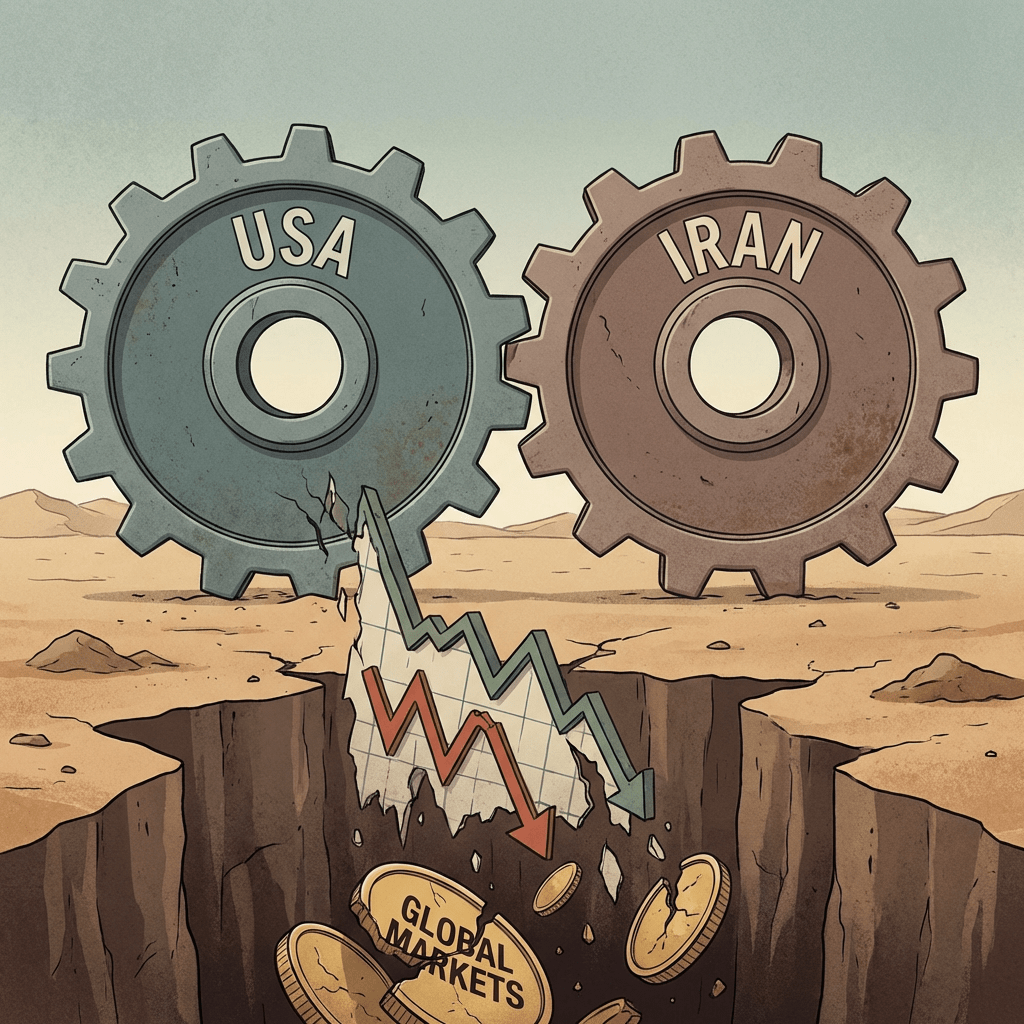
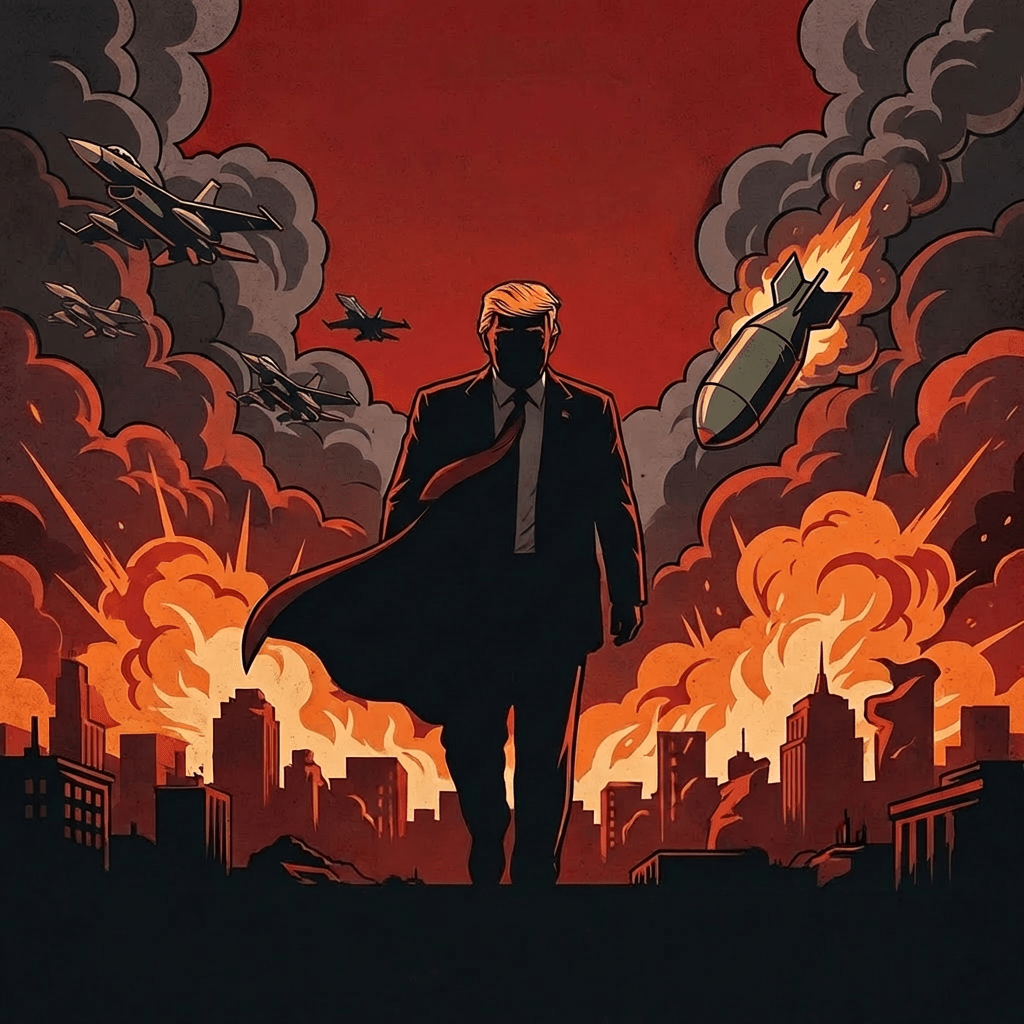
BLUE PRESS JOURNAL – Trump’s reckless military escalation against Iran today poses an existential threat to American economic stability and global commerce. Far from projecting strength, these strikes risk catalyzing a catastrophic financial crisis that will burden working families while destabilizing international markets.
The immediate consequence centers on energy markets. Iran’s geographic dominance over the Strait of Hormuz—a chokepoint handling roughly 20% of global oil shipments—means even limited conflict triggers catastrophic price spikes. Analysts predict Brent crude could surge past $130 per barrel, translating to $5+ gasoline for American consumers already battered by persistent inflation. This shockwave ripples through every sector, from transportation to agriculture, effectively imposing a regressive tax on households least equipped to absorb it.
Global trade faces imminent paralysis. Military activity in the Persian Gulf threatens container shipping routes vital for Asian-European commerce, potentially replicating the supply chain disruptions that fueled 2021’s inflationary spiral. Insurance premiums for maritime freight have already spiked 40%, costs ultimately borne by American consumers through higher retail prices.
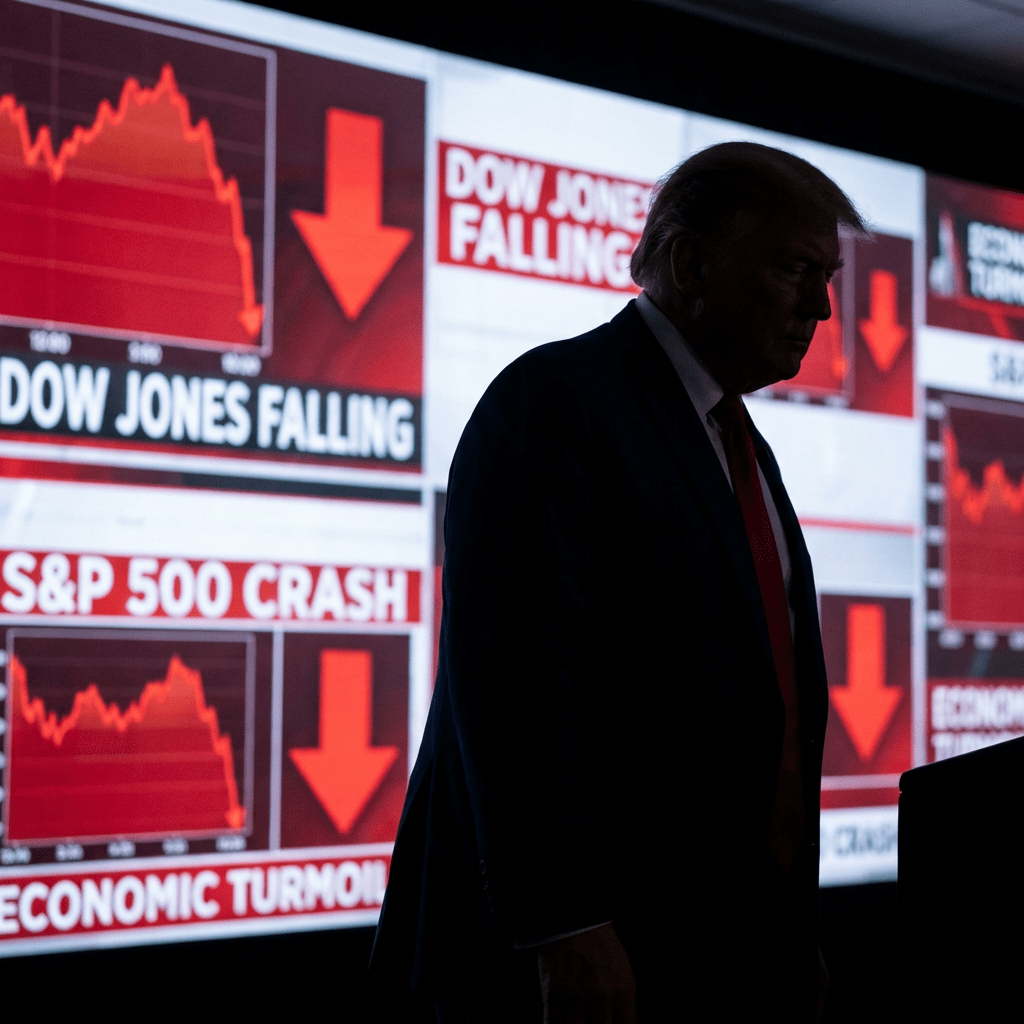
Financial markets reflect this anxiety, with defense stocks soaring while broad indices plummet. The dollar’s safe-haven status offers minimal protection against the stagflationary pressures of simultaneous energy shortages and slowing growth. Moreover, diverting billions toward military operations steals resources from infrastructure and domestic manufacturing initiatives essential for long-term competitiveness.
This economic warfare against American pocketbooks serves no strategic purpose beyond political theater. Diplomatic alternatives remain unexplored while the administration gambles with global recession. History demonstrates that Middle East military adventures consistently deliver economic devastation—higher deficits, volatile currencies, and diminished purchasing power—while failing to achieve sustainable security outcomes.
Blue Press Journal – In a scathing rebuke that cuts to the heart of constitutional governance, Senator Tim Kaine (D-Va.) has publicly questioned whether President Donald Trump possesses the mental acuity to recognize that his own foreign policy decisions catalyzed the current crisis with Tehran. Following the launch of “Operation Epic Fury”—a massive aerial bombardment targeting Iranian nuclear and governmental facilities—Kaine asked whether Trump is “too mentally incapacitated to realize that we had a diplomatic agreement with Iran that was keeping its nuclear program in check, until he ripped it up during his first term” (The Hill).
The Virginia senator’s critique centers on the 2015 Joint Comprehensive Plan of Action (JCPOA), the multilateral agreement that had effectively severed Iran’s pathway to nuclear weaponization before Trump unilaterally withdrew the United States in 2018. By abandoning diplomacy for military escalation, critics argue, the administration has not only reignited a dormant nuclear threat but potentially violated Article I of the Constitution, which reserves the power to declare war exclusively for Congress.
Constitutional Crisis and Unauthorized War
The strikes, which commenced early Saturday morning following the breakdown of Geneva negotiations mediated by Oman, represent a dramatic expansion of American military involvement in the Middle East. Unlike the limited June 2024 attacks that Trump falsely claimed had “obliterated” Iran’s nuclear infrastructure, Operation Epic Fury reportedly targets governmental centers in Tehran, including areas proximate to the presidential palace and National Security Council (The Hill).
Legal scholars and lawmakers immediately challenged the administration’s justification—that the attacks were necessary to neutralize “imminent threats” to the American people. “For months, I have raised hell about the fact that Americans want lower prices, not more wars – especially wars that aren’t authorized by Congress, as required by the Constitution,” Kaine stated, echoing bipartisan demands for a War Powers Resolution vote to terminate unauthorized hostilities.
The constitutional violation appears stark: Article I, Section 8 explicitly grants Congress alone the authority to declare war, a constraint the War Powers Resolution of 1973 reinforces by requiring presidential notification and congressional approval within 60 days of introducing armed forces into hostilities. By launching regime-change operations—including Trump’s explicit call for Iranians to “take over your government” following bombardment—without legislative authorization, the administration risks embroiling the nation in an open-ended conflict with catastrophic regional implications (New York Times).
Motivations and Conservative Backlash
Complicating the legal and strategic picture are indications that Trump’s motivations may extend beyond immediate national security concerns. According to Drop Site News, the President posted on Truth Social attempting to justify the strikes by alleging Iranian interference in the 2020 and 2024 U.S. elections—a rationale that shifted abruptly from the “imminent threat” narrative deployed in his official video address.
The dissonance between Trump’s isolationist campaign promises and his current bellicosity has triggered significant backlash within conservative circles. Meghan McCain, conservative commentator and daughter of the late Senator John McCain, noted the irony that MAGA personalities who previously denounced her family as “blood thirsty neocon warmongers” now silent as Trump pursues explicit regime change in Tehran. Meanwhile, Gateway Pundit writer Cassandra MacDonald amplified warnings from Turning Point USA’s Charlie Kirk, who cautioned that “regime change will result in a bloody civil war, killing hundreds of thousands and creating another massive Muslim refugee crisis.”
Escalation Risks and Diplomatic Fallout
As regional tensions metastasize, The New York Times reports that Iranian forces have retaliated by targeting U.S. military installations across the Persian Gulf, including facilities in the United Arab Emirates and Qatar—nations now placed under shelter-in-place orders for American citizens. With Israeli Defense Minister Israel Katz declaring a national state of emergency and F-35s, F-22s, and dual aircraft carriers positioned for sustained operations, the region teeters on the precipice of a wider war that Congress never authorized.
Senator Kaine’s assessment encapsulates the growing alarm: “These strikes are a colossal mistake, and I pray they do not cost our sons and daughters in uniform and at our embassies throughout the region their life.” Whether the judiciary or legislature can restrain an executive branch determined to reshape the Middle East through force—while potentially obscuring strategic failures behind claims of electoral interference—remains the pressing constitutional question of the moment.
New Reuters/Ipsos and Washington Post polls reveal 68% of Americans reject Trump’s “roaring economy” claims, while data shows tariffs cost households $1,000 annually. Analysis of State of Union economic promises versus reality.
Blue Press Journal – During his State of the Union address Tuesday, President Donald Trump declared the U.S. economy was “roaring like never before.” Yet comprehensive new polling reveals a stark disconnect between administration rhetoric and the financial reality facing American households.
According to a Reuters/Ipsos poll released Friday, 68% of Americans reject the characterization that the economy is “booming,” while an overwhelming 82% dispute the president’s assertion that there is “hardly any inflation.” Only 30% of the 4,638 respondents expressed confidence in current economic conditions. These findings align with a Washington Post/ABC News/Ipsos survey showing 57% disapprove of Trump’s economic stewardship, with 65% specifically criticizing his inflation management.
The skepticism extends to trade policy, with 64% disapproving of Trump’s tariff agenda. Despite campaign promises that foreign trading partners would absorb these costs, research from the Kiel Institute for the World Economy demonstrates that American consumers and importers bear 96% of tariff expenses. The Tax Foundation estimates these policies already cost the average U.S. household $1,000 in tax increases for 2025, with costs poised to escalate further.
This economic burden persists even as the Supreme Court recently struck down the bulk of Trump’s levies as an “illegal” overreach of the International Emergency Economic Powers Act. Undeterred, the administration imposed a 10% global tariff under alternative trade authorities and signaled potential increases to 15%, despite the judiciary’s rebuke.
As policy costs mount and public confidence plummets, the gap between presidential proclamations and kitchen-table economics continues to widen, raising serious questions about the sustainability of Trump’s economic vision.
Blue Press Journal – In a stunning rebuke to executive overreach, the Supreme Court ruled 6-3 in February that the Trump administration illegally collected over $133 billion in tariffs, yet the White House is now maneuvering to prevent that money from returning to the American businesses and consumers who paid it (Politico). Rather than complying with the court’s directive to issue refunds, administration officials are reportedly constructing legal barriers to delay, dilute, or outright deny repayment—treating tariff revenue as a federal windfall rather than what it truly is: borrowed capital extracted from the wallets of ordinary Americans.
Here is the reality the administration hopes to obscure: tariffs are not paid by foreign exporters, as President Trump has repeatedly claimed. They are passed directly to U.S. importers, who then pass them to consumers through inflated prices at the checkout counter (The Wall Street Journal, Economic Research). Every dollar collected under these now-illegal duties came from American companies and, ultimately, American families. It was never Trump’s money to hoard; it belongs to the businesses and taxpayers who financed the president’s trade war.
Yet the White House appears determined to keep the cash. Justice Department filings from 2025 explicitly promised refunds with interest if the government lost the case, according to court records reviewed by legal analysts (Reuters, July 2025). Now, with the loss finalized, Treasury Secretary Scott Bessent has publicly disparaged refunds as “ultimate corporate welfare” on Fox News, while administration lawyers explore tactics to discourage claims or force companies to forfeit portions of their refunds in exchange for faster processing (Politico). These strategies reek of bad faith, transforming the Court of International Trade’s refund process into a bureaucratic maze designed to outlast the statute of limitations.
The fiscal hypocrisy is equally brazen. The administration used projected tariff revenue to offset the cost of last year’s tax cut package; without it, the legislation balloons the national debt by $3.4 trillion (Congressional Budget Office, July 2025). Having used consumer dollars to balance the budget on paper, Trump now resists returning those funds to their rightful owners. FedEx filed suit this week demanding immediate repayment, joining over 1,000 cases before the Court of International Trade (CNBC), but the administration’s delay tactics suggest years of litigation await.
The message is clear: when courts rule against him, the president prefers to tie American businesses in legal knots rather than admit the money was never his to spend. For consumers who paid the price of tariffs at the register, justice delayed is justice denied—and the bill, sadly, remains theirs to pay. Remember the phrase affordability.
How Republicans and Trump Tax the Middle Class While Claiming Fiscal Purity
Blue Press Journal – The narrative pushed by Republicans and Donald Trump often centers on opposing “tax increases,” yet their actions tell a different story, particularly concerning tariffs. Tariffs are unequivocally a tax on American consumers, directly raising prices on imported goods that businesses and middle-class families rely on. This hidden tax disproportionately burdens everyday Americans, stealthily emptying their wallets.
Even after a Supreme Court ruling—which highlighted the impact of these levies—the Republican stance is to retain the billions collected from tariffs rather than refunding this money to the American consumers from whom it was taken. This isn’t just an oversight; it’s a deliberate choice to fund their agenda by effectively taxing the public under a different name.
What is Donald Trump doing with our money? While ordinary Americans struggle with high costs, these tariff revenues are funneled into a system riddled with questionable priorities. Concerns have mounted over costly foreign entanglements described by critics as “uncalled for wars,” diverting critical resources. Furthermore, there have been widely reported allegations and ongoing controversies surrounding the conduct of certain federal agencies, including ICE, and calls for accountability regarding alleged abuses.
This pattern of spending contrasts sharply with other Republican fiscal policies, such as the massive tax cuts for billionaires and millionaires in 2025, which further ballooned the national debt while offering minimal benefit to the average family. News sources consistently highlight additional instances of wasteful spending, from lavish government projects to unchecked agency expenditures. Instead of returning tariff funds to taxpayers, Trump and the Republican Congress appear intent on maintaining a flow of revenue that ultimately enables a system criticized for misplaced priorities and a disregard for fiscal responsibility towards the working and middle class.
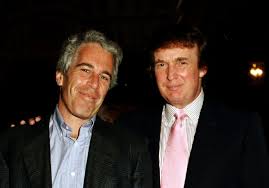
Blue Press Journal – The Department of Justice faces mounting accusations of orchestrating a deliberate cover-up after an NPR investigation revealed federal officials removed at least 53 pages of documents connecting President Donald Trump to Jeffrey Epstein. According to NPR’s analysis using unique document serial numbers, critical FBI interviews alleging Trump sexually abused a 13-year-old girl introduced to him by Epstein in the early 1980s—along with testimony from a Ghislaine Maxwell trial witness—have been systematically suppressed [NPR].
Representative Jamie Raskin (D-Md.), who reviewed unredacted materials, confirmed the Justice Department operates in “coverup mode,” citing “baffling” redactions protecting powerful figures [The Hill]. The revelations emerge as Maxwell, serving 20 years for sex trafficking, refuses congressional cooperation while reportedly seeking a presidential pardon from Trump [The Guardian]. Critics argue this selective suppression constitutes unprecedented political interference shielding the President from scrutiny regarding his documented relationship with Epstein’s criminal enterprise.
Blue Press Journal – A recent Supreme Court decision has delivered a significant legal setback to former President Donald Trump’s trade agenda, curtailing his ability to unilaterally impose tariffs under the International Emergency Economic Powers Act (IEEPA). However, this judicial review appears to be little more than a momentary speed bump for an administration determined to reconstitute its protectionist apparatus, with grave implications for American consumers and businesses.
The 6-3 ruling, issued Friday, clarified that while IEEPA grants the president power to regulate trade for national security in emergencies, it does not extend to levying tariffs – a power reserved exclusively for Congress. This decision validates the concerns of thousands of businesses, potentially opening avenues for tariff refunds. Yet, Trump, undeterred, quickly announced his intent to employ alternative legal frameworks, vowing “much higher” tariffs for any nation perceived to be challenging his trade policies.
Economists like Diane Swonk of KPMG suggest the White House anticipated this outcome, noting the administration has been “preparing for this” by identifying other levers. Trump’s immediate response included moving to impose a 10 percent universal tariff via Section 122 of the Trade Act of 1974, ostensibly to address balance of payments issues – a justification many experts find dubious. More enduringly, the administration is now pivoting towards Section 301 of the Trade Act of 1974 and Section 232 of the Trade Expansion Act of 1962.
Section 301 empowers the president to impose tariffs in response to a foreign country’s unfair trade practices. This provision has a lengthy history, notably used by Trump against China during his first term. Its established precedent makes it a formidable tool, with experts like Edward Alden of the Council on Foreign Relations believing courts are unlikely to second-guess executive judgment under this authority.
Meanwhile, Section 232 grants expansive power to impose tariffs on products deemed a threat to national security. Trump previously applied this to steel and aluminum imports, later extending it to goods like autos, lumber, and even furniture, often with questionable national security justifications. While some applications of Section 232 appear tenuous, courts historically defer to presidential assessments of national security, making challenges difficult.
Crucially, regardless of the legal mechanism, tariffs are not paid by foreign governments or producers; they are a tax levied on domestic importers, which is then passed directly to American consumers in the form of higher prices. This hidden tax reduces purchasing power and stifles economic growth. As Goldman Sachs analysts Alec Phillips, Elsie Peng, and David Mericle warn, this constant recalibration of trade policy introduces significant volatility, disrupting global supply chains and creating uncertainty for businesses. The Supreme Court may have pruned one branch of Trump’s tariff strategy, but the root system remains deeply entrenched, promising continued turbulence and higher costs for ordinary Americans.
Kyiv is expected to receive only four to six hours of electricity per day in February after Russian strikes severely damaged key combined heat and electricity-producing power plants and high-voltage substations.
The extent of the damage was outlined by Stanislav Ihnatiev, head of the Board of the Ukrainian Renewable Energy Association, in an interview to the Ukrainian outlet Telegraf, following Russia’s overnight attack on Tuesday, Feb. 3 – the largest strike on Ukraine’s energy system since the beginning of the year.
Blue Press Journal – The Trump administration’s recent executive order to boost glyphosate production represents a stark, cynical betrayal of public health concerns, and a glaring indictment of political opportunism. This move particularly resonates with those drawn to Robert F. Kennedy Jr.’s (RFK Jr.) “Make America Healthy Again” (MAHA) movement. Initially fueled by RFK Jr.’s rhetoric against environmental toxins and skepticism towards mainstream health, this coalition later gravitated towards Trump after Kennedy’s withdrawal, believing their faith would be rewarded with genuine action on chemical protection.
The expansion of a pesticide deemed “probably carcinogenic” by the WHO highlights a contradiction in the principles upheld by RFK Jr. and MAHA, showcasing the Trump administration’s preference for industrial agriculture over public health. This inconsistency forces RFK Jr. to address the disillusionment among his former supporters, reflecting how health concerns can be marginalized for political gain, ultimately alienating voters and jeopardizing health protections.
Glyphosate: A Growing Threat to Ecosystems and Human Health
Glyphosate, the most commonly used herbicide, poses significant environmental risks as it harms non-target plants and reduces plant diversity, which is crucial for resilient ecosystems. Additionally, it negatively affects soil microorganisms that are vital for nitrogen fixation and organic matter turnover, leading to decreased soil fertility and greater reliance on synthetic fertilizers.
Intensive application has led to lasting residues in soil and water, which can contaminate groundwater and affect aquatic life and human health through chronic toxicity and endocrine disruption.
For environmental and public health professionals, there is an urgent need to reassess glyphosate use and implement integrated weed management and monitoring of residue levels.
Donald Trump’s Economic Track Record: Promises Unkept, Numbers Disagree
Blue Press Journal – Economic Correspondent February 22 , 2026
The 2024 Campaign Pitch: “More Jobs, Lower Prices, A Smaller Trade Deficit”
When Donald Trump entered the 2024 presidential race he leaned heavily on a familiar economic narrative: “We’ll bring back American jobs, crush inflation, and slash the trade deficit.” The former president’s campaign literature, televised ads, and rally speeches repeatedly promised a resurgence of manufacturing, a pocket‑friendly cost‑of‑living, and a decisive renegotiation of U.S. trade balances.
Fast forward to the first half of 2026, and the data tell a starkly different story.
1. Manufacturing Jobs: A Net Loss, Not a Gain
Year‑Half
Manufacturing employment change*
2024 H2
–34,000
2025 H1
–58,000
2025 H2
–42,000
2026 H1*
–61,000
*Source: U.S. Bureau of Labor Statistics (BLS), “Employment Situation – Manufacturing”
The BLS data reveal that U.S. manufacturing employment fell by roughly 195,000 jobs between the second half of 2024 and the first half of 2026—the sharpest decline in any 12‑month period since the post‑2008 recession rebound.
Trump’s 2024 platform cited the “historic tax cuts and deregulation” of his previous administration as the engine for job growth. Yet the new wave of tariff‑induced supply‑chain disruptions, combined with a lack of substantive investment incentives, appears to havestifled the sector he vowed to revive.
Why it matters: Manufacturing jobs traditionally pay above‑average wages and are a key proxy for the health of the industrial base. Their erosion undercuts the “America‑first” narrative that has become a cornerstone of Trump’s political identity.
2. Consumer Prices: Inflation Moves in the Wrong Direction
Quarter
Consumer Price Index (CPI) YoY Change
Q4 2023
3.2 %
Q2 2024
4.1 %
Q2 2025
5.0 %
Q2 2026
5.8 %
*Source: U.S. Bureau of Economic Analysis (BEA), “Personal Consumption Expenditures Price Index”; Federal Reserve Economic Data (FRED).
While the administration repeatedly boasted that “prices are finally falling,” the CPI has accelerated to a 5.8 % year‑over‑year increase in the most recent quarter, the highest level since 2008. The uptick is driven largely by energy, food, and core goods—categories where policy levers such as tariffs and deregulation have had limited mitigating impact.
Compounding the picture, real Gross National Product (GNP) per capita slipped from $61,200 in 2023 to $60,400 in 2025, a 1.3 % contraction (BEA, “National Income and Product Accounts”). A declining GNP alongside rising consumer prices is a textbook sign of eroding purchasing power.
Why it matters: The promise to “reduce prices” was a direct appeal to middle‑class voters fatigued by post‑pandemic inflation. The data suggest the opposite—a real‑terms squeeze on household budgets that the administration has yet to address in substantive policy terms.
3. Trade Deficit: The Gap Remains Wide
Year
U.S. Trade Deficit (Billion USD)
2022
$889 B
2023
$915 B
2024
$941 B
2025
$960 B
2026 H1
$489 B (annualized)
*Source: U.S. Census Bureau, “Foreign Trade”; Office of the United States Trade Representative (USTR).
Trump’s campaign pledged to “drastically shrink the trade deficit” through renegotiated agreements and tougher tariffs. The numbers, however, show a steady widening of the deficit, climbing from $889 billion in 2022 to an annualized $960 billion in 2025. Even after the 2024‑2025 tariff hikes on steel and aluminum, imports continued to outpace export growth, and the trade balance in the first half of 2026 remains well above the target set by the campaign (a 20 % reduction from 2022 levels).
Why it matters: A persistent trade deficit can signal structural competitiveness issues, and it undermines the administration’s narrative of “America‑first” economic sovereignty. The failure to achieve measurable reduction raises questions about the efficacy of the protectionist tools employed.
4. The Political Calculus Behind the Numbers
Trump’s rhetoric remains unchanged: “We’re bringing back jobs, making goods cheaper, and protecting American workers.” Yet the empirical record tells a story of policy misfires, insufficient investment incentives, and a reliance on short‑term protectionism that has not translated into the promised macro‑economic outcomes.
Critics argue that the administration’s focus on tariff‑driven “win‑now” tactics has diverted attention from longer‑term drivers of manufacturing growth—such as workforce development, R&D tax credits, and infrastructure spending. Moreover, the lack of coordinated monetary‑fiscal policy to curb inflation has left households bearing the brunt of rising prices.
For voters who still see Trump as the only viable alternative to the Democratic establishment, the data present a cognitive dissonance: a nostalgic promise set against a reality of job loss, higher costs, and a swelling trade gap.
5. Bottom Line: Promises vs. Performance
Promise
2024 Campaign Claim
2026 Actual Outcome
Manufacturing jobs
“Millions of new jobs”
~195,000 net loss (2024‑2026)
Consumer prices
“Prices are falling”
5.8 % YoY CPI increase (Q2 2026)
Trade deficit
“Cut by half”
Deficit grew 8 % (2022‑2025)
The disconnect is stark. While political messaging continues to echo the slogans that once propelled Trump to the White House, the objective economic indicators point to a performance that falls far short of the campaign’s own benchmarks.
If the 2026 electorate wants a leader who can turn rhetoric into measurable prosperity, the data suggest a re‑evaluation of Trump’s economic track record is overdue.
All figures are drawn from publicly available government sources, including the Bureau of Labor Statistics, the Bureau of Economic Analysis, the U.S. Census Bureau, and the Office of the United States Trade Representative.