We aim to be a voice in the ongoing political discourse, providing both factual information and opinionated analysis, from a progressive or center-left perspective, free from the direct influence of major established Main Street Media.
The President’s early exit comes as the partial government shutdown wreaks havoc across federal agencies, suspending vital services and jeopardizing the livelihoods of around 800,000 federal workers. The shutdown’s ripple effects are far-reaching, with essential benefits halted and critical federal programs stalled, leaving impoverished families struggling to put food on the table amid the ongoing political stalemate.
Trump’s destination, Palm Beach, is home to his sprawling Mar-a-Lago estate, often dubbed the “Winter White House,” and the exclusive Trump International Golf Club. It is a familiar scene for the President, who frequently spends weekends there, indulging in rounds of golf and hosting lavish parties on the resort’s manicured patios. This latest trip underscores a perceived detachment from the crisis unfolding under his watch, as he prepares to enjoy the comforts of his private country club while federal employees go without pay and struggling families face mounting anxieties.
Critics highlight the optics of a president pursuing luxury while his government experiences paralysis, causing real pain for citizens. Leaving the capital early to escape the tensions of the shutdown has intensified accusations of insensitivity and failed leadership.
Blue Press Journal – Despite Donald Trump’s repeated assertions that prices are “way down,” the reality is that grocery prices are rising at a rate nearly twice as fast as they were during the final year of the Biden administration. The data, sourced from the Bureau of Labor Statistics, tells a starkly different story than the one Trump is peddling.
According to a HuffPost analysis of the data, inflation for food items has been running at 3.1% since Trump declared his trade war against the rest of the world in early April. This is compared to 1.8% in Biden’s final year. The numbers are clear: Trump’s tariffs have led to increased costs for American consumers, and the impact is being felt at the grocery store.
The Impact of Trump’s Tariffs
Trump’s tariffs, which are paid by American importers at ports of entry, have hit products from virtually every country, including those with which the United States has free trade agreements. Items like coffee, bananas, sugar, and seafood have seen some of the most dramatic price increases thanks to tariffs.
Product
Price Increase Since Trump’s Tariffs
Coffee
12.1%
Bananas
8.5%
Sugar
7.3%
Seafood
6.2%
The data makes it clear that Trump’s claims about prices being lower are, in fact, a lie. “I can’t tell you why the president lies, but I can tell you that everything he has said about prices being lower is a lie,” said University of Michigan economist Justin Wolfers. “I’m starting to think that he doesn’t actually care about the cost of living.”
Experts agree that Trump’s tariffs are increasing costs for U.S. consumers and will continue to make Americans poorer as long as they remain in effect. “I have no insight on why the president says what he says, but tariffs are increasing costs for U.S. consumers, and they will continue to make Americans poorer as long as they remain in effect,” said Erica York, vice president of federal tax policy at the Tax Foundation.
The Reality of Grocery Price Inflation
The numbers are stark: in the months since Trump announced his so-called “Liberation Day” tariffs on goods from the rest of the world, inflation on groceries is running at 3.1% on an annualized basis. This is a significant increase from the 1.8% rate seen during Biden’s final year.
It’s clear that Trump’s lies about prices are not fooling Americans. As the data continues to show rising grocery prices, it’s becoming increasingly difficult for Trump to spin the narrative. The reality is that his tariffs are having a negative impact on American consumers, and it’s time for a change.
Trump’s claims about prices being “way down” are not supported by the data. The numbers reveal rising grocery prices and increased costs for consumers. Experts warn that Trump’s tariffs are devastating the economy. How long will Americans be misled by Trump’s lies about prices?
Blue Press Journal – The longest federal shutdown in US history continued into its 38th day as Senate Republicans rejected a compromise deal offered by Democrats on Friday. Senate Minority Leader Chuck Schumer proposed a “clean” one-year extension of expiring Affordable Care Act (ACA) health insurance subsidies in exchange for Democratic votes to reopen the government.
Schumer’s offer, made on the Senate floor, came after 14 failed attempts to pass a short-term continuing resolution to fund the government through November 21. The proposal excluded new eligibility restrictions sought by many Republican lawmakers, and also suggested creating a bipartisan committee to negotiate a further extension of ACA subsidies.
However, Senate Majority Leader John Thune, after consulting with GOP colleagues, dismissed the offer as a “nonstarter.” Republicans have consistently refused to vote on ACA subsidies before the shutdown ends, leaving millions of Americans without access to essential government services.
Senator Bernie Sanders (I-VT) criticized the Trump’s and the GOP’s stance, saying, “The ball is in your court now. Show us what a great dealmaker you are. Help us negotiate a deal which protects the healthcare of tens of millions of Americans and let us end this shutdown today. We can end it in the next few hours.”
The shutdown has now become the longest in US history, with no end in sight. Democrats are growing increasingly frustrated with the GOP’s refusal to budge, and the public is bearing the brunt of the gridlock. The rejection of Schumer’s compromise deal has left many questioning the Republican leadership’s commitment to finding a solution.
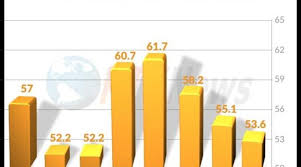
U.S. consumer confidence has dropped to its lowest level in nearly three and a half years, as the nation grapples with the longest government shutdown in American history. According to data released Friday by the University of Michigan’s Surveys of Consumers, the Consumer Sentiment Index fell sharply to 50.3 in early November, down from 53.6 in October — a clear sign that economic anxiety is spreading across households.
The shutdown, now entering its second month, has been driven by a political standoff in Congress. Republican lawmakers have refused to approve funding measures that include provisions aimed at lowering health insurance costs for American consumers. The impasse has triggered widespread disruptions across basic government services and has deepened public concern about the economic fallout.
For millions of lower-income households, the crisis is hitting home. Cuts to essential benefits, including food stamps, have left many struggling for food. Hundreds of thousands of federal employees have been furloughed without pay, while others work without wages. Transportation systems suffer from staffing shortages, causing flight delays and grounding aircraft, affecting travelers nationwide.
The economic uncertainty has been compounded by shifting inflation expectations and the Trump tariffs. The survey found that consumers now expect inflation over the next year to rise to 4.7%, up slightly from 4.6% in October. Long-term inflation expectations dipped to 3.6% from 3.9%, indicating cautious optimism about price stability in the years ahead, but little relief for immediate cost-of-living pressures.
Republican leadership and President Trump has effectively held essential services hostage, weakening the broader economy and eroding public trust in governance. Economists warn that prolonged instability could push the country toward slower growth, higher unemployment, and sustained consumer pessimism.
Blue Press Journal – As a great political strategist once famously declared, “it’s the economy, stupid.” That blunt assessment now cuts deep into the heart of America’s economic landscape, as the latest report reveals a shocking surge in U.S. layoffs for October, reaching a two-decade high. These alarming figures paint a grim picture, casting a harsh light on the efficacy of the economic policies championed by President Donald Trump. In short, the Trump economic policies are not working.
The deep cuts are not isolated incidents but a widespread phenomenon, attributed by Challenger to industries rapidly adopting AI-driven changes and intensifying cost-cutting measures. Tech firms led the charge in job culling within the private sector, closely followed by retailers and the broader services sector – industries often seen as barometers of consumer confidence and economic health.
The year-to-date figures are equally unsettling. From January to the end of October, employers have announced a staggering 1,099,500 job cuts, a 65% rise compared to the 664,839 cuts announced during the same period last year. Alarmingly, October not only saw individual companies announcing massive layoffs, but a significantly higher number of firms initiated job cut plans—nearly 450 companies compared to under 400 in September. These are numbers that Trump can’t spin.
Donald Trump campaigned on promises of economic prosperity and price control, yet this report provides evidence that his economic strategies are harming the American economy. The figures clearly show that his policies are ineffective and their lingering effects are detrimental to the workforce. This report serves as a rebuke, indicating that his administration is damaging the American economy.
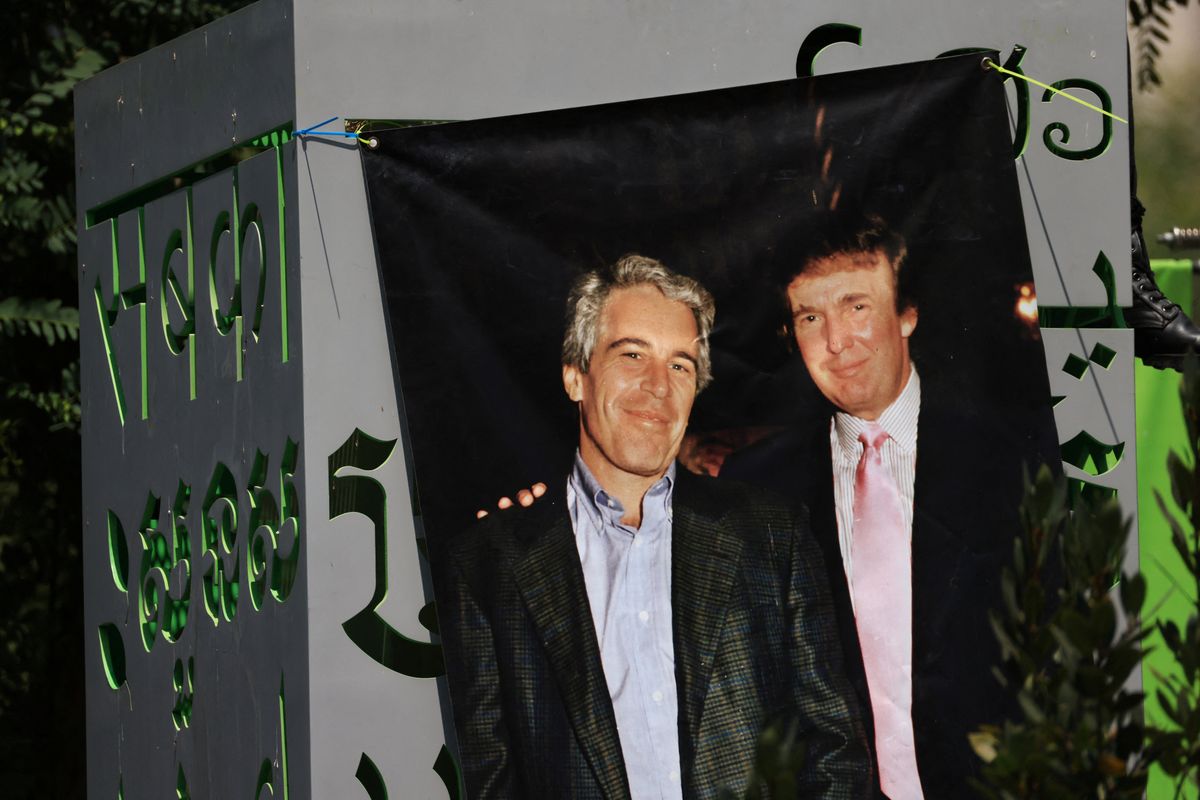
Washington, D.C. — Rumors are swirling among House Republicans that unreleased documents from late financier and convicted sex offender Jeffrey Epstein could contain highly damaging material involving former President Donald Trump, according to a report from veteran journalist David Shuster.
Shuster, a former reporter for MSNBC, CNN, and Fox News, posted on X (formerly Twitter) that several GOP lawmakers had heard from Justice Department sources that the Epstein files include evidence far more compromising than previously known.
“A few GOP House members say they’ve heard from FBI/DOJ contacts that the Epstein files (with copies in different agencies) are worse than Michael Wolff’s description of Epstein photos showing Trump with half-naked teenage girls,” Shuster wrote. Wolff, an author known for controversial exposes on Trump, had previously claimed that Epstein’s safe contained compromising images involving the former president.
The speculation reportedly intensified after Attorney General Pam Bondi, a Trump ally, appeared before the Senate Judiciary Committee. During her testimony, Bondi refused to answer a question from Sen. Sheldon Whitehouse (D-R.I.) about whether she had personally seen the photos seized from Epstein’s safe. Instead, she redirected by questioning Whitehouse about donations he received from LinkedIn co-founder Reid Hoffman, who has acknowledged ties to Epstein.
“She didn’t give a denial,” Shuster noted, adding that Bondi’s evasiveness had left some Republicans “spooked.”
The Epstein case remains a political controversy, with both major parties minimizing their ties to the disgraced financier. Epstein died in a federal jail in 2019 while awaiting trial on sex trafficking charges and had connections with numerous high-profile figures, including Trump, and Prince Andrew.
Despite ongoing public pressure, the DOJ has resisted releasing the full cache of Epstein-related documents. If the claims circulating among GOP lawmakers are accurate, the unreleased files could reignite scrutiny of Trump’s past association with Epstein—a relationship the former president has previously dismissed as inconsequential.
Blue Press Journal – In a scathing rebuke, The Wall Street Journal’s conservative editorial board on Wednesday called out President Donald Trump for his misguided attempts to shift blame for Republican election defeats onto the fact that he wasn’t on the ballot. The Journal dismissed this rationale as “total B.S.,” pointing to Trump’s own policies as the root cause of the GOP’s woes.
The editorial board’s withering critique comes after Trump attributed the Republican losses in key elections to his absence from the ballot. However, the Journal countered that Trump’s presence was felt throughout the campaigns, with his policies and legacy dominating the discourse and motivating Democratic turnout.
“Mr. Trump was on the ballot ― not literally, but nonetheless as the main motivating force behind a dominating Democratic turnout,” the Journal wrote. The newspaper highlighted a range of Trump-backed policies that were effectively on the ballot, including his economic agenda, tariffs, and foreign policy initiatives.
Moreover, the Journal noted that Trump’s presidency has been marked by controversy, from the deployment of masked ICE agents to the rising cost of living. These issues, the newspaper argued, were inextricably linked to Trump’s own actions and policies, making him a central factor in the elections.
The Journal’s rebuke is significant, coming from a traditionally conservative outlet. The editorial board’s warning that “if he really believes this, then the GOP is heading for bigger problems in 2026” suggests that Trump’s refusal to acknowledge the role of his own policies in the election outcomes poses a long-term threat to the party’s prospects.
When Donald Trump won the 2024 presidential election, he did so on a wave of voter frustration—a deep dissatisfaction with the state of the U.S. economy, persistent inflation, and a soaring cost of living that plagued Kamala Harris’s campaign. His bold promise to “bring prices down” resonated across political lines, especially in key battleground states where families felt the financial squeeze more than ever.
Yet, one year into his second presidency, Trump’s economic promises appear more illusion than reality. Far from delivering relief, the latest data show inflation rising, household expenses climbing, and public confidence in his economic leadership sinking fast.
The Core Promise: Lowering Costs for Ordinary Americans
On the campaign trail, Trump’s rhetoric was clear: “We will bring grocery prices down. We will make energy affordable again. And we will end the economic pain caused by the Harris-Biden administration.” That clarity, coupled with aggressive attacks on his opponent’s record, helped him secure victory.
A year later, however, the picture looks grim. Grocery prices—already high—have surged to historic levels. Beef, coffee, and bananas have hit record highs, and the cost of electricity is biting deeply into household budgets.
Economic Snapshot – November 2025
Category
Price Change (YoY)
Notable Factors
Beef
+18%
Tariffs on South American imports, increased feed costs
Coffee
+22%
Tariffs on Brazil, supply chain disruptions
Bananas
+25%
Import restrictions, climate impacts
Electricity
+15%
Reduced renewable subsidies, fuel cost increases
Overall Inflation
+6.1%
Tariff-induced price pressures, labor shortages
Tariffs, Immigration Crackdowns, and Rising Prices
The administration’s economic strategy has heavily focused on aggressive global tariffs—meant to protect U.S. industries but instead often raising costs for U.S. consumers. Combined with strict immigration crackdowns that have reduced the labor force in agriculture and manufacturing, supply chains have been squeezed from multiple directions.
Economists warn that such policies can backfire. As economist Dr. Laura Benton told The Washington Post:
“Tariffs can protect certain domestic industries in the short term, but when applied so broadly and amid labor shortages, they almost inevitably raise consumer prices. In this case, the everyday American shopper is paying the price for political posturing.”
The Energy Gap: Another Broken Promise
Energy affordability was another cornerstone of Trump’s campaign platform. He accused the previous administration of “killing U.S. energy independence” and promised a resurgence in domestic oil, gas, and coal production to slash prices.
Yet, electricity prices have risen sharply—up 15% in just a year—due partly to reduced subsidies for renewable energy projects and volatile fossil fuel markets. Utility companies have passed higher costs on to consumers, further squeezing household budgets.
Trump’s “energy-first” rhetoric hasn’t translated into meaningful savings for Americans. In fact, higher energy costs disproportionately hurt lower-income households who spend a larger portion of their earnings on utilities.
Public Opinion: Approval in Decline
The political cost has been significant. According to a recent Washington Post-ABC News poll:
59% of Americans assign Trump either “a great deal” or “a good amount” of blame for current inflation.
His approval rating on handling the economy sits at 37%, versus 62% disapproval.
These numbers reflect a sharp decline from his post-election honeymoon period when many voters were willing to give him time to fulfill his promises.
During a recent interview on CBS’ “60 Minutes”, Trump was asked directly about his message to Americans struggling financially. Rather than addressing inflation or energy costs, he pivoted to discussing crime and immigration—issues where polling shows he performs better with the public. The dodge was glaring, and to many observers, telling.
Tax Cuts for the Wealthy – Paid for by Cuts to Medicaid
In a move that has drawn intense criticism, Trump signed his “Big Beautiful Bill” into law—a sweeping measure that extended his 2017 tax cuts primarily benefiting the wealthy, costing the U.S. government nearly $4 trillion over the next decade.
To help fund these cuts, his administration slashed Medicaid by $800 billion, a decision that has alarmed healthcare advocates and left millions vulnerable. For Americans facing rising costs on all fronts, the policy has reinforced a perception that Trump’s economic priorities favor the affluent over the working class.
Advocacy group spokesperson Maria Alvarez told reporters:
“These policies are not designed to help the average American family. Cutting vital healthcare programs while lavishing tax breaks on billionaires sends a clear message: you are on your own.”
The Danger of Political Promises Untethered from Policy Reality
Trump’s inability—or unwillingness—to deliver on his core economic promises raises broader questions about the nature of political campaigning. In retrospect, his vow to bring down grocery and energy prices may have been less an achievable policy goal than an effective electoral talking point.
Political analyst Greg Stanton argues:
“Campaign promises are often aspirational, but when they’re made in absolute terms—like pledging to lower prices ‘fast’—they set expectations that can implode if reality doesn’t cooperate. That’s when broken promises become political liabilities.”
The Cost of Distrust
Broken promises don’t just harm an administration’s approval ratings; they erode trust in the political process itself. For Americans who voted in 2024 hoping for economic relief, the past year has been a painful reminder that campaign rhetoric and governing reality can be miles apart.
This distrust carries consequences beyond Trump’s presidency—it deepens political polarization, discourages voter engagement, and fuels cynicism.
The Price of Broken Promises
The story of Trump’s second term thus far is one of unmet expectations. The promises to lower everyday costs have not materialized. Instead, tariffs, energy price hikes, and cuts to social programs have compounded the financial strain on millions.
For the voters who propelled him back into office, the disappointment is palpable. As inflation edges upward and household budgets tighten, the gap between campaign promises and lived reality grows ever wider.
In politics, promises can win elections—but failing to keep them can define a presidency. One year in, Donald Trump’s economic record is not one of triumph, but of trust broken.
Blue Press Journal – In a jaw-dropping interview with “60 Minutes” that aired on Sunday, former President Donald Trump claimed he didn’t know Changpeng Zhao, the founder of Binance cryptocurrency exchange, despite pardoning him just two weeks ago. The stunning revelation has sparked outrage and raised serious concerns about Trump’s mental fitness or his willingness to deceive the American public.
The facts surrounding Zhao’s pardon are damning. Binance, under his leadership, failed to report suspicious activity, including transactions linked to terrorist organizations and child exploitation websites. Zhao pleaded guilty to failing to maintain an effective anti-money-laundering program and stepped down as head of the company. Moreover, Binance has had a suspiciously cozy relationship with the Trump family, supporting their lucrative foray into cryptocurrency ventures.
The hypocrisy is glaring. Trump’s allies have long railed against President Joe Biden’s use of an autopen, claiming it invalidated his actions. Yet, when confronted with his own pardon of Zhao, Trump claims he didn’t know who he was pardoning. The double standard is stark.
It’s impossible to give Trump the benefit of the doubt. Either he is suffering from dementia, unable to recall significant decisions he made as President, or he is lying to the American people. The evidence suggests the latter is more plausible, given the lucrative ties between Binance and the Trump family.
Blue Press Journal – In a stark contradiction to his campaign promises, the Trump administration is inching closer to entangling the United States in a war with Venezuela, sparking widespread concern and outrage. Despite his vocal criticism of previous presidents for their involvement in foreign wars, Trump’s own administration is pushing towards a military intervention in the South American country with minimal checks, clarity, or justification.
The latest reports suggest that U.S. officials have identified targets for airstrikes in Venezuela, including government installations, which could be approved imminently. This development has raised alarm bells among experts, who warn that such actions would undoubtedly constitute an act of war. The administration’s claim that the strikes are aimed at targeting drug traffickers is being questioned, as there is no evidence to support this assertion, and the proposed plan would likely exacerbate the chaos in the region.
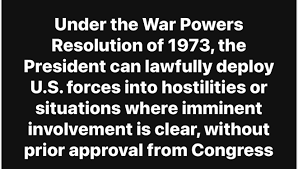
The Trump administration’s actions are being carried out without any formal debate, authorization, or clear plan to deal with the consequences. The War Powers Act, which requires the president to consult with Congress before engaging in military action, seems to be being disregarded. Secretary of Defense Pete Hegseth has failed to respond to requests from the Senate Armed Services Committee to share the orders and legal rationales behind the anti-drug operation.
The situation is further complicated by the administration’s broad definition of terrorism, which has led to the labeling of a wide range of individuals and groups as terrorists. This has raised concerns that the administration is asserting its right to drone strike anyone deemed a terrorist, without due process or accountability. The fact that members of the Trump administration are calling a broad swath of Americans terrorists, while also pursuing military action in Venezuela, is a chilling development that has many experts warning of the dangers of unchecked executive power.
Trump’s campaign promise to keep America out of war now seems like a distant memory. His administration’s actions in Venezuela are a clear example of the kind of interventionism that he once criticized. The lack of transparency, accountability, and moral justification for these actions is a cause for concern, and many are questioning the true motives behind the administration’s push for war.
The consequences of a war in Venezuela would be devastating, not just for the people of Venezuela but also for the United States. The chaos and instability that would ensue would likely lead to a humanitarian crisis, and the economic costs of such a war would be substantial. It is imperative that the administration provides clear evidence and justification for its actions, and that Congress exercises its constitutional authority to oversee and authorize military action.