We aim to be a voice in the ongoing political discourse, providing both factual information and opinionated analysis, from a progressive or center-left perspective, free from the direct influence of major established Main Street Media.
One of the fundamental principles we, as Americans, cherish is the belief in the rule of law. Judges and courts are meant to ensure that everyone is treated fairly and that no one is above the law.
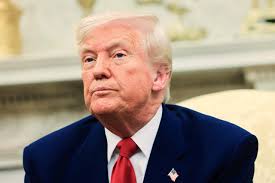
However, this weekend, the Trump administration has thrown this principle into chaos. The administration has brazenly defied federal court orders that sought to limit the deportation of immigrants without due process. Despite a judge’s order to halt the removal of Rasha Alawieh, a kidney transplant specialist at Brown University, authorities went ahead and deported her. Additionally, around 250 Venezuelan migrants were deported, in direct violation of another judge’s directive to turn American planes around.
In a final act of lawlessness, Trump declared in the early hours of Monday morning that Biden’s preemptive pardons for Jan. 6 committee members are “void” because they were allegedly signed by autopen. This assertion is unequivocally false.
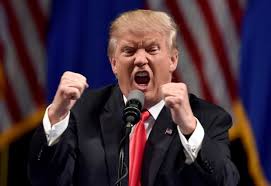
The actions of the Trump administration this weekend paint a chilling picture of a leader who believes he is above the law and can act with impunity. The very fabric of our democracy is at stake, and it is imperative that we stand up against this assault on our legal system.
Elon Musk’s latest social media post has ignited a fierce controversy, as he audaciously shifted the responsibility for the mass atrocities committed by tyrants like Stalin, Mao, and Hitler onto “public sector employees.” This shocking claim, made on Musk’s X account, seems to trivialize the unspeakable horrors inflicted by these infamous leaders while shamefully redirecting blame toward government workers. It’s revealing that Musk swiftly deleted the post.
The post specifically references Stalin, Mao, and Hitler, highlighting the millions of lives lost under their brutal regimes. Stalin’s reign of terror in the Soviet Union, Mao’s disastrous policies in China, and Hitler’s genocide during World War II are well-documented historical tragedies that cannot be dismissed by blaming faceless bureaucrats.
What makes Musk’s repost even more alarming is his current role as the head of the so-called Department of Government Efficiency, where he has been actively firing federal employees, including those in crucial roles at agencies like the National Weather Service and FEMA. This pattern of behavior raises concerns about Musk’s motives and the impact of his decisions on the functioning of the government.
It is evident that Elon Musk holds troubling beliefs and wields significant power through his influence on social media and within the federal government. The question remains: why is President Trump allowing someone with such controversial views and actions to have such a significant impact on the government and its employees? The implications of Musk’s actions are far-reaching and demand closer scrutiny and accountability.
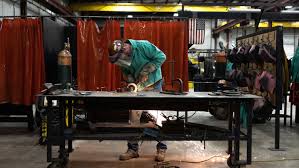
For years, the debate around tariffs has raged, often framed as a tool to protect domestic industries and bring jobs back home. However, a closer look reveals a less palatable truth: tariffs, ultimately, hit the pockets of American consumers hard. While the intention might be noble, the reality is that these taxes on imported goods often translate into higher prices, reduced choices, and a weakened economy for everyone.
So, how do tariffs negatively impact the average American? Here’s a breakdown:
1. Higher Prices for Everyday Goods: This is perhaps the most immediate and noticeable effect. When a tariff is placed on imported goods like clothing, electronics, or even ingredients for our favorite foods, the cost of importing those goods increases. Businesses, often with tight margins, are left with two choices: absorb the cost (which can be unsustainable) or pass it on to the consumer in the form of higher prices.
Think about that imported washing machine you were looking to buy. A tariff on imported steel, for example, increases the cost of the materials used to make it, driving up the retail price. Suddenly, that washing machine isn’t so affordable anymore. This applies to countless products we use daily, from smartphones to coffee beans.
2. Less Choice and Reduced Competition: Tariffs protect domestic industries by making imported goods less competitive. While this sounds good on paper, it can stifle innovation and lead to complacency. Without the pressure of foreign competition, domestic companies may become less motivated to improve their products, offer competitive pricing, or explore new innovations.
This translates to fewer choices for consumers. Instead of having a range of products to choose from, consumers might be stuck with fewer, potentially more expensive, options offered by a shrinking pool of domestic suppliers. This lack of competition ultimately limits consumer power and pushes prices higher.
3. Supply Chain Disruptions and Increased Uncertainty: Modern supply chains are incredibly complex and interconnected. Tariffs disrupt these carefully orchestrated systems, forcing businesses to scramble for alternative suppliers, which can be time-consuming and costly. This disruption can also lead to shortages of certain goods, further driving up prices.
Moreover, the uncertainty surrounding tariffs can scare businesses from investing and expanding. The threat of new tariffs or changes to existing ones makes it difficult for companies to plan for the future, leading them to delay investments, cut back on hiring, and ultimately hindering economic growth.
4. Retaliatory Tariffs and Trade Wars: Tariffs rarely happen in isolation. When one country imposes tariffs on another, the affected country often retaliates with its own tariffs. This tit-for-tat escalation, known as a trade war, can severely disrupt global trade and damage economies on both sides.
American farmers, for instance, have been significantly impacted by retaliatory tariffs on agricultural products. Reduced demand for their goods leads to lower prices and financial hardship, demonstrating the widespread impact of trade wars that ultimately impact consumers through higher grocery bills.
5. Reduced Purchasing Power: Ultimately, the combined effect of higher prices, reduced choices, and economic uncertainty translates to a reduced purchasing power for American consumers. Every dollar spent on higher-priced goods is a dollar less that can be used for other necessities, savings, or investments. This can have a significant impact on household budgets, particularly for low- and middle-income families.
While Trump often argues for their benefits in protecting domestic industries, the evidence suggests that the costs far outweigh the benefits, particularly for US consumers. Tariffs act as a hidden tax, eroding purchasing power, limiting choices, and disrupting the economy. A focus on free trade, fair competition, and policies that foster innovation will ultimately benefit American consumers far more than protectionist measures that leave us all paying the price.
Despite the lack of evidence, Musk is advising President Donald Trump and suggesting that billions of dollars in waste need to be eliminated. He specifically targets entitlement programs like Social Security and Medicare, calling them out for their alleged fraud.
With Trump’s support, Musk’s influence over the federal government has grown significantly. However, a recent poll shows that many Americans are wary of Musk’s involvement in government affairs.
It is clear that Trump, Musk, and the GOP have their sights set on cutting Social Security benefits for seniors. Now is the time to take action and protect your hard-earned retirement. Contact your congressperson or senator and let them know that you want to keep your Social Security benefits safe from any cuts. Let’s stand together and defend our future!
One judge went as far as to say that the government’s claim that the firings were for cause, rather than a mass layoff, was “bordering on the frivolous.” Another judge echoed this sentiment, calling the Trump administration’s actions a “sham.”
Andrew Heineman, legislative director for U.S. Rep. Jerry Nadler (D-NY), aptly pointed out that Leavitt’s remarks suggest that the firings were indeed part of Trump’s agenda, Project 2025. This revelation sheds light on the administration’s deceptive tactics and raises serious concerns about its commitment to upholding the law.
On Tuesday, the House narrowly approved a continuing resolution to fund the government until the end of September. However, this decision was met with criticism from Senate Democrats who accused Republicans of taking a partisan approach by excluding them from the drafting process.
With Republicans holding 53 Senate seats and needing 60 votes to defeat a filibuster, the bill’s passage was not guaranteed. The main issue with the bill is that it advances President Trump’s/Musk’s projects without proper oversight from Congress, undermining the power of the purse. Both are in a full destroy programs and agencies the middle class relies on.
The exclusion of Democrats from the process has raised concerns among some senators and aides, who fear setting a dangerous precedent. By supporting the bill, they would essentially be giving House Republicans free rein to dictate government funding without bipartisan input.
Senator Ben Ray Lujan of New Mexico condemned House Republicans for their actions, warning that they would be held responsible for any potential shutdown. Despite Republican control of the House, Senate, and White House, they continue to shift blame onto the minority party.
In reality, the Republicans are the ones in control, and it is their plan and budget that have led to this mess. It is time for them to take responsibility for the consequences of their actions.
It is a rare occurrence to hear Elon Musk openly discuss the intricate details of his own immigration journey. Musk kickstarted his career by working illegally in the US while establishing a Silicon Valley startup in the 1990s. According to court records, company documents, and former business associates, including a previous CEO of the company, investors were concerned about the possibility of Musk being deported.
Experts highlight the significance of Musk’s actions, as there are strict regulations regarding the type of work permitted for individuals on student visas. Work authorizations linked to student visas typically require active enrollment in studies or approval from the sponsoring institution for post-graduation training. Although Stanford has no record of Musk enrolling, he was accepted into the Materials Science and Engineering graduate program.
Musk’s admission of holding a J-1 visa indicates that he worked illegally, as the restrictions only permitted work related to his academic program. It is evident that Musk did not adhere to the rules at that time.
But wait, there’s more! He’s also been canceling government contracts, selling government property, and withdrawing regulations left and right. And let’s not forget about installing his own teams into agencies and giving them access to sensitive data.
Oh, wait. It turns out there’s been zero confirmation that Musk has been following any conflict of interest laws. But hey, he received ethics training and filed a confidential financial disclosure, so I’m sure everything is just fine. Because when you’re the richest man in the world, who needs to follow the rules anyway?
It seems that Elon Musk is just doing whatever he wants, consequences be damned. But hey, as long as he’s making money, who cares about legalities and ethics he fits really well with the Trump Administration.
A 10% drop is no small matter in the world of professional investors, who have coined the term “correction” for such occurrences. The S&P 500’s 1.4% decline on Thursday was the first of its kind since 2023. These losses were exacerbated by Trump’s aggressive stance in the ongoing trade war, with threats of imposing hefty taxes on European wines and alcohol.
Trump’s sudden shift from championing economic growth to acknowledging the possibility of a recession this year has sent shockwaves through the financial world. The transition from a robust economy under Biden to the looming threat of a recession under Trump is a stark and unsettling reality.
The saying goes “people before politics,” but it seems like House Speaker Mike Johnson (R-La.) and his deep-red congressional district have never heard of it. Shockingly, approximately one in four residents under the age of 65 in Johnson’s district rely on Medicaid for health insurance, while one in five residents depend on food stamps to afford groceries. Despite this, the budget resolution passed by the House last month on a party-line vote would cut Medicaid by $880 billion and slash food stamp spending by $230 billion.
Johnson’s budget, supported by Republicans, will not only hurt his senior citizens but also a large percentage of his voters. The Republican budget package would expand Trump’s 2017 tax cuts through Fiscal Year 2035, costing an estimated $4.5 trillion according to the Congressional Budget Office. The Center on Budget and Policy Priorities (CBPP) has criticized this legislation as skewed towards the rich, expensive, and failing to deliver on its promises. The CBPP estimated that the richest households would receive more than triple the tax cuts compared to lower and middle-class households.
It is truly baffling that Johnson is voting for and promoting budget policies that would harm his own constituents. It appears that his voters are unknowingly voting against their own interests. The hypocrisy and disregard for the well-being of the people in his district is both shocking and disappointing.