The BLUE PRESS JOURNAL

We aim to be a voice in the ongoing political discourse, providing both factual information and opinionated analysis, from a progressive or center-left perspective, free from the direct influence of major
established Main Street Media.

  • The Bigger picture – Biden Pardon

    Biden went out of his way to avoid interfering with this prosecution, even though it cost his family a pretty penny. He didn’t remove or alter the Trump-appointed prosecutor handling the case, even when that prosecutor’s investigation was upgraded to special counsel status last year. That was a questionable move in its-self and demanded by republicans!!

    Biden pointed out in his statement announcing the pardon, his son was unfairly targeted and prosecuted. The president rightly pointed out that people aren’t usually hauled into court on felony charges just for messing up a gun form, and those who pay their overdue taxes with interest and penalties due to serious addictions (like Hunter) typically get off with a slap on the wrist. But Hunter was treated differently to smear Biden and sabotage his election campaign, according to the president.

    He’s got a point – but don’t just take my word for it. Trey Gowdy, a former House member and federal prosecutor, said on Fox News that there probably weren’t even ten cases nationwide of addicts or drug users getting prosecuted for possessing firearms or lying on applications. Senator Lindsey Graham also chimed in, saying the average American wouldn’t have been charged for the gun incident. These charges are so minor they wouldn’t have made it to court if Hunter Biden wasn’t, well, Hunter Biden.

    To the republicans criticizing President Biden for this decision, take a step back and look at the bigger picture. A lot has changed since June when he said he wouldn’t pardon Hunter. Trump won the White House, not Biden or Kamala Harris, and the president-elect seems dead set on getting payback, with his nominations hinting at plans to weaponize the FBI and the Justice Department. He’s even talking about axing the current FBI director before his term ends and replacing him with Kash Patel, who’s vowed to “shake things up.” Oh, what a surprise!

  • Biden’s Pardon of Hunter: A Tale of Political Shenanigans

    Let’s cut to the chase, folks. The uproar over Hunter Biden’s pardon is nothing but a big ol’ mess created by the Republicans and their puppet master, Trump. It was a classic case of political theatrics gone wrong, all to tarnish President Biden’s reputation.

    I mean, seriously, the charges against Hunter were about late tax payments. Who hasn’t been a little tardy on their taxes? The Justice Department had a reasonable deal on the table, but nope, a political judge had to swoop in and ruin the party. And let’s not forget, no one in Delaware has been charged for the same thing. Talk about a witch hunt.

    And then there’s the whole immunity debacle. The federal judge was just trying to wrap her head around it, not shut it down. But of course, the media blew it out of proportion.

    So, what’s the deal with all the drama? Politics, my friends. It’s all just a big ol’ circus.

    Read more here

    and here Message For GOP Pearl-Clutching Over Hunter Biden Pardon

  • The safety of our health is threatened

    If Kennedy were to somehow become the country’s top health official, he could use his platform to spread his unfounded beliefs that vaccines are unsafe and ineffective. He could also potentially follow through on his brilliant plan to fire 600 people at the National Institutes of Health, because who needs experts in health research anyway?

    Imagine the chaos that could ensue if Kennedy’s harebrained schemes were put into action. If he managed to convince people to stop vaccinating, we could see a resurgence of deadly diseases that were once under control. But hey, who needs herd immunity when you have conspiracy theories, right?

    So, let’s all cross our fingers and hope that Kennedy doesn’t get anywhere near a position of power in the health sector. The lives of millions of Americans may depend on it. More on this in a CNN story here

  • Here’s How to Be Ready … Trump 2.0

    As the political landscape shifts with Donald Trump returning to the White House , citizens and activists alike find themselves grappling with the reality of what this could mean for American democracy and social justice. Many are left wondering how to prepare and effectively resist policies and agendas that they believe may threaten fundamental rights and freedoms. Here is a great article from a person with some lessons from living thru it in Turkey.

    Article from POLITICO

    American democracy is about to undergo a serious stress test. I know how it feels, in part because I lived through the slow and steady march of state capture as a journalist working in Recep Tayyip Erdoğan’s Turkey.

    Over a decade as a high-profile journalist, I covered Turkey’s descent into illiberalism, having to engage in the daily push and pull with the government. I know how self-censorship starts in small ways but then creeps into operations on a daily basis. I am familiar with the rhythms of the battle to reshape the media, state institutions and the judiciary. READ THE FULL STORY HERE

  • The Effects of Tariffs on Imported Goods…the Trump Promise

    Understanding Tariffs

    Tariffs come in two primary forms: specific tariffs, which are a fixed fee per unit of imported goods, and ad valorem tariffs, which are a percentage of the value of the imported goods. These taxes can be levied for various reasons including protecting domestic industries, generating government revenue, and responding to unfair trade practices.

    Direct Effects on Prices

    One of the most immediate consequences of tariffs is the increase in prices for imported goods. When a government imposes a tariff, it raises the cost of these goods for importers. These costs are usually passed on to consumers, resulting in higher retail prices. For example, if a country imposes a 25% tariff on imported steel, the price of products using that steel—like cars and appliances—will also rise. This leads to inflationary pressures in the economy, affecting not just goods that are directly subject to tariffs, but potentially many related products as well.

    Impact on Domestic Markets

    Tariffs are often implemented to protect domestic industries from foreign competition. In the short term, this can benefit local producers, allowing them to maintain or increase their market share as consumers seek alternatives to more expensive imported goods. However, this protection can also lead to complacency among domestic producers, reducing their incentive to innovate or improve efficiency. Over time, failing to compete with foreign manufacturers can hinder the growth of a country’s industry.

    Additionally, while some sectors may thrive due to tariffs, others may suffer. Industries that rely on imported raw materials may see their costs rise, leading to higher production costs and reduced competitiveness. This creates a complex dance of winners and losers in the domestic market.

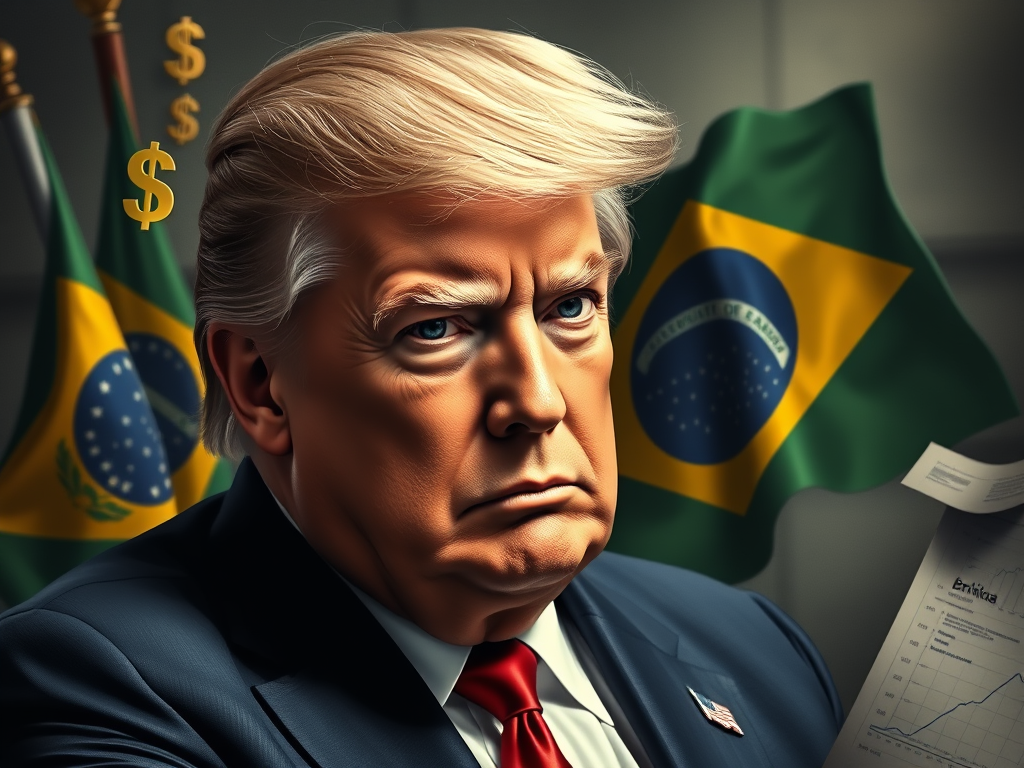
    In summary, Trump’s proposed tariffs will increase costs for the very people he vowed to help by lowering prices.

    Read more in the below article:

    We’re Economists. Here’s What We Really Think Of Trump’s Plan To ‘Lower’ Grocery Prices.

  • Just the Facts

    My Turn: The truth and nothing but the whole truth.

    In today’s complex and ever-evolving political landscape, the concept of truth has become increasingly elusive, overshadowed by a proliferation of misinformation and manipulation. The very essence of democratic governance rests on the foundation of truth and transparency, yet these principles are often compromised in the pursuit of power and influence. As we navigate a world inundated with false narratives and partisan agendas, the imperative for truth in politics has never been more pressing. This article delves into the critical importance of upholding truth in political discourse, exploring the consequences of misinformation, strategies for promoting transparency, and the role of media in shaping an informed citizenry. Join us on a journey to dissect the challenges and opportunities in fostering a culture of truth in today’s political realm.

    The Importance of Truth in Politics

    In a world where politics can sometimes feel like a circus act, truth serves as the sturdy tent pole that upholds the essence of democracy.

    Foundations of Democracy

    At the heart of democratic societies lies the principle that decisions are made based on accurate information and transparent discourse. Without truth as a guiding light, the very foundation of democracy begins to crack.

    Impact on Public Trust

    Truth is the glue that binds the relationship between citizens and their elected representatives. Without it, trust erodes, and the seeds of skepticism and cynicism take root, casting shadows over the fabric of society.

    The Erosion of Truth in Today’s Political Landscape

    In a world where misinformation spreads like wildfire, truth often finds itself suffocated under the weight of false narratives and twisted realities.

    Rise of Misinformation

    The digital age has birthed a breeding ground for misinformation, where a single falsehood can leap across continents with a mere click, leaving truth gasping in its wake.

    Manipulation through False Narratives

    Crafty politicians and power-hungry entities have honed the art of spinning narratives to suit their agendas, weaving a tangled web of lies that ensnare the unsuspecting public.

    Consequences of Misinformation in Politics

    When truth becomes a casualty of political warfare, the consequences reverberate far beyond the chambers of power, shaking the very pillars of society.

    Distrust in Institutions

    As misinformation festers, faith in democratic institutions dwindles, giving rise to a culture of suspicion and disillusionment that threatens the delicate balance of governance.

    Social Division and Polarization

    Misinformation acts as a sly divider, pitting brother against brother, neighbor against neighbor, and sowing seeds of discord that sprout into the noxious weeds of social division and polarization.

    Strategies for Promoting Truth and Transparency

    To combat the growing tide of falsehoods and reclaim the mantle of truth in politics, we must arm ourselves with strategies that shine a light in the darkness of deception.

    Investing in Fact-Checking Mechanisms

    Empowering credible fact-checking organizations to sift through the rubble of misinformation is crucial in arming citizens with the tools to distinguish truth from fiction.

    Encouraging Accountability among Politicians

    By holding politicians accountable for their words and actions, we can create a culture where truth is not just a casualty of convenience but a revered cornerstone of democratic governance.

    The Role of Media in Upholding Truth in Politics
    Responsibilities of Journalists

    Journalists play a crucial role in upholding truth in politics by fact-checking information, digging deep into stories, and presenting unbiased reports. Their responsibility is not just to report the news, but to ensure that it is truthful, relevant, and serves the public interest.

    Combatting the Spread of Fake News
    In a world where misinformation spreads like wildfire, it is essential for media outlets to combat fake news. By verifying sources, cross-checking information, and providing context, journalists can help prevent the spread of false information that undermines the integrity of political discourse.

    Building Trust through Fact-Checking and Accountability &
    Empowering Citizens with Critical Thinking Skills

    Empowering citizens with critical thinking skills is essential for fostering a culture of truth in politics. By teaching people how to evaluate information, discern fact from opinion, and question sources, we can build a more informed and engaged society.

    Implementing Transparent Communication Practices
    Transparency is key to building trust in political discourse. By implementing clear and transparent communication practices, politicians and public officials can demonstrate accountability, build credibility, and foster a relationship of trust with the public.

    Overcoming Partisan Divide for a Truthful Discourse &
    Fostering Constructive Dialogue Across Ideological Lines
    Overcoming partisan divide requires fostering constructive dialogue across ideological lines. By engaging in respectful discussions, listening to different perspectives, and finding common ground, we can bridge the gap and work towards a more truthful and inclusive political discourse.

    Emphasizing Shared Values and Goals
    Emphasizing shared values and goals can help transcend political divides and promote a more united approach to governance. By focusing on common interests and aspirations, we can shift the conversation from conflict to collaboration, paving the way for a more truthful and effective political discourse.

    Call to Action: Fostering a Culture of Truth in Political Discourse & Mobilizing for Ethical Leadership
    Mobilizing for ethical leadership is essential for fostering a culture of truth in political discourse. By holding leaders accountable, advocating for transparency, and promoting ethical standards, we can create a more trustworthy and responsible political environment.

    Celebrating and Supporting Truthful Advocacy
    Celebrating and supporting truthful advocacy is crucial for promoting integrity and authenticity in political discourse. By recognizing and amplifying voices that prioritize truth and transparency, we can inspire others to uphold these values and contribute to a more honest and constructive public dialogue.As we confront the realities of a post-truth era, it is evident that the quest for truth in politics is not merely a moral imperative, but a fundamental necessity for the health of our democracy. By championing transparency, accountability, and a commitment to factual accuracy, we can collectively strive towards a more informed electorate and a more resilient society. Let us heed the call to action, unite in our dedication to upholding truth, and pave the way for a future where integrity and honesty prevail in our political discourse. Together, we can build a foundation of trust and empower a flourishing democracy for generations to come.