by Winston Wendell
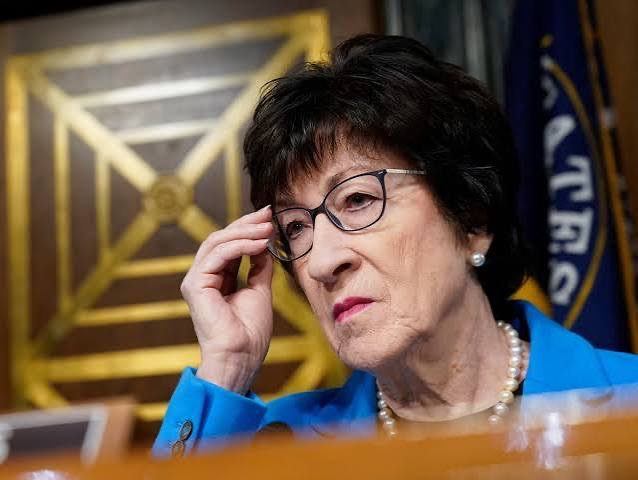
I have always been interested in theater, but there are not many people who could describe Senator Susan Collins’s art as political theater so convincingly. Her most recent performance regarding the confirmation hearings of Todd Blanche, Trump’s former attorney, perfectly illustrates the art of rebellion.
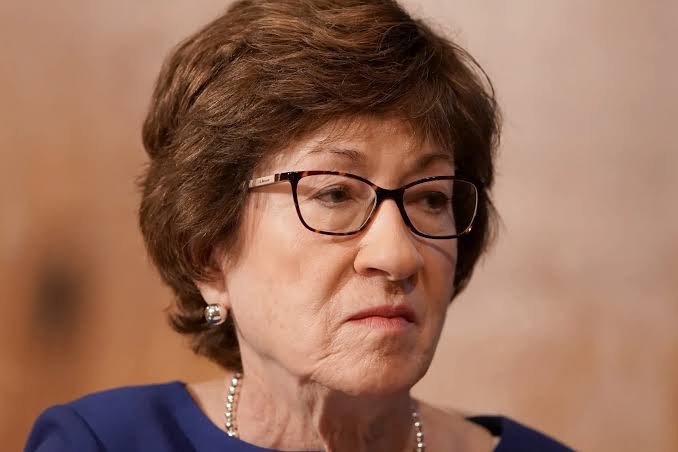
When Senator Lisa Murkowski announced her opposition to the confirmation in the Senate, I felt delighted, believing that a real GOP rebellion had occurred. Soon after her announcement, Senator Collins followed suit, adding fuel to the idea that GOP senators had staged a magnificent show of disapproval against Trump’s choice for the position. However, my political nose began to itch as the next statements began pouring in. After all, it was none other than Senator Bill Cassidy who revealed his support for Blanche’s confirmation. The curtain quickly dropped, exposing the lack of real GOP opposition to Trump’s nomination.
To my surprise, Cassidy defended Blanche’s confirmation with nothing more than a good enough excuse for his “no” vote. After all, who has not criticized Blanche’s record before? At a time when the majority of Senate Republicans have voiced concerns about Todd Blanche’s confirmation, his “not perfect,” yet ultimately tolerable voting record, is a good enough excuse for a limited “rebellion” against Trump’s nominee.
I believe that the most crucial detail regarding Collins’s performance involves the “rebellion.” In this respect, I can understand Chris Hayes’s unease when Collins announced her “no” vote on Blanche’s confirmation because, shortly thereafter, he realized that the required votes for passage had already been secured. In fact, according to Susan Collins Watch, a website monitoring Collins’s voting record, her “no” vote has failed to stop a single nominee in her 29-year Senate career. To me, it seemed that Collins’s “rebellion” against Trump’s choice was yet another well-orchestrated play designed to mislead Collins’s constituents.
Moreover, I was quick to recall the events of 2018 involving Collins’s confirmation of Brett Kavanaugh. She was confident in stating that her vote for Kavanaugh’s confirmation did not undermine abortion rights or Roe v. Wade, yet her promise rang hollow four years later when her “yes” vote secured Kavanaugh’s confirmation. As such, I do believe that Collins has demonstrated a pattern of behavior suggesting that she rarely votes “no” when her “no” vote cannot change anything.
Collins’s “carefully crafted image as a bipartisan gatekeeper” begins to fade, her constituents must ask themselves what really matters when casting a “no” vote against a presidential nominee for the Supreme Court. Collins’s performance in voting for Kavanaugh’s nomination and subsequently defending her decision as one of “reasoned pragmatism” appears to suggest that “no” votes do not come easy for Collins. In fact, for Collins, it seems that they only occur when they fail to accomplish anything.