How a Needless Conflict Is Crushing American Family Budgets
By Winston Wendell
Gas prices in America have once again reached a breaking point. For many families, the prospect of filling up their cars is an unbearable prospect. Energy prices directly impact the global economy, and its repercussions are being felt by ordinary families. As an essential good, increases in its price effectively act as a tax on all other goods and services.
The devastating impact of this development is felt most strongly by middle-class families. Yet, what many people fail to understand is that this crisis is a direct result of an avoidable conflict engineered by Donald Trump.
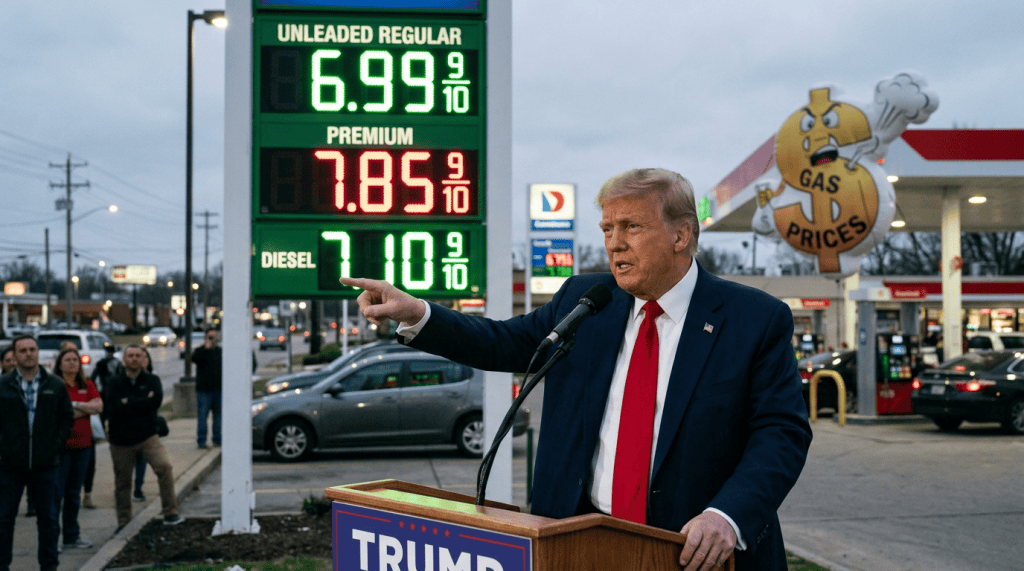
During the 2024 election campaign, US president Donald Trump courted working-class voters by promising to ease the rising costs of living. Voters were promised that a Trump administration would be good for the economy and energy prices would plummet. Many were drawn to his populist rhetoric and pledged their vote to the former president, hoping that he would deliver on his promises.
They delivered their votes, but not much else.
With little provocation, the President decided to embark on a geopolitical and military adventure in Iran. By fueling a senseless war, Trump pushed global oil prices to a record high, devastating families that trusted him to restore stability to the economy.
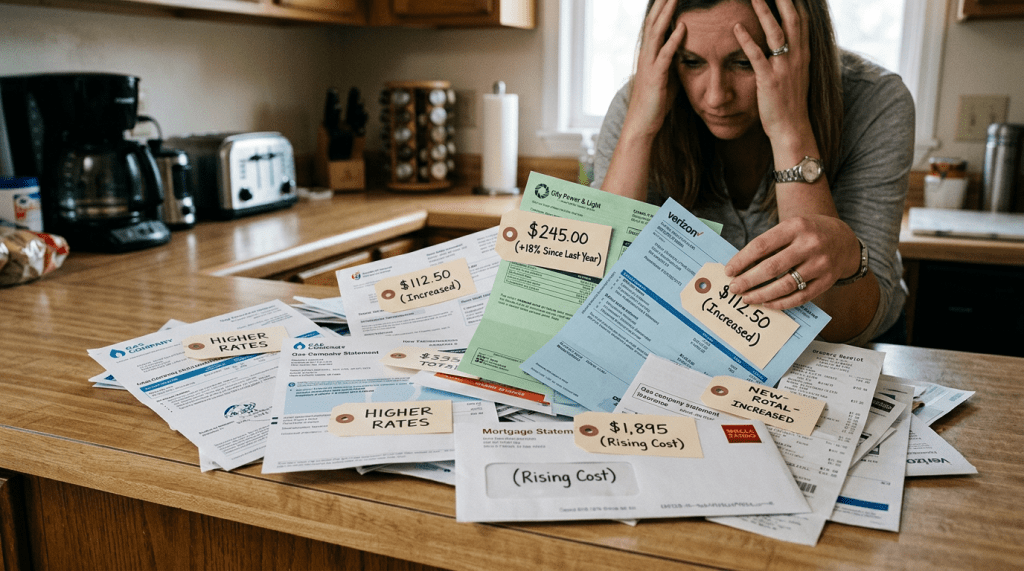
This development is an unforgivable betrayal of the middle-class voters that placed their trust in him. Ordinary Americans that believed in his populism are now faced with the ugly reality of Trump’s presidency. With every visit to a gas station and a grocery store, they are reminded that their president is responsible for their financial struggles.
These people know that they were misled and their trust betrayed. They understand that the America First rhetoric masked Trump’s recklessness and irresponsibility as a leader.
For the American middle class, there is no justice. For everyone else, there is at least some form of redemption.
During the 2024 campaign, commentators, economists, and analysts warned of the potential economic ramifications of Trump’s presidency. They spoke of skyrocketing energy prices and a possible inflation crisis. Throughout the election race, they were dismissed as irresponsible and unworthy of attention.
Now, as the damage is being tallied, these commentators can finally take a deep breath and say: “we told you so”.
American families deserve better leadership than what they have been offered during the 2024 campaign. They deserve better than a foreign policy fueled by ego and a domestic policy of perpetual war and division.
The price for Trump’s vanity and incompetence will be paid in higher gas prices and unbearable costs of living. It is only fitting that those that promoted this vision of America, MAGA, are held accountable. Voters must understand that a vote for a Trump and Republicans are a vote for higher taxes and budget deficits. The electorate needs to hold the president and his Republican Party enablers in Congress responsible for the manufactured crisis at home and abroad.

 Blue Press Journal