by Winston Wendell
Say you’re ready to take the floor at a major rally, you find the mic and turn it on, only to realize, behind your back, someone has pulled the plug.
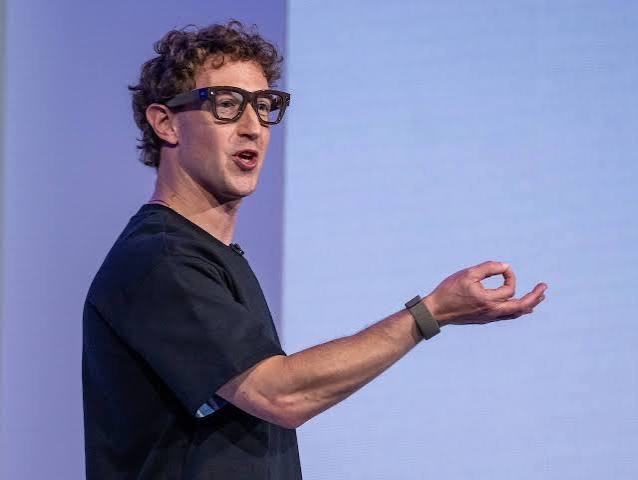
That’s exactly what happened to members of the progressive “No Kings” coalition, when, on Saturday afternoon, social media giant Meta mysteriously nixed the group’s Instagram presence just as activists were flooding into streets across America.
While the account was restored within two hours, campaigners were left fuming after being blocked for several hours at the height of the action, and, when they inquired as to why, Meta responded by saying they “made a bad choice.”
Not long afterwards, Meta representative Andy Stone would attempt to further clarify the situation, arguing that the anti-monarchy agitators’ sudden disappearance was the result of their “rampant posting” which triggered the social media giant’s spam filters. Stone claimed, in a since-deleted tweet, that the coalition’s “accelerated activity” had “raised flags” with the platform’s “automatic systems,” and that, as a result, the account had been “inadvertently restricted” and they “take responsibility for that and apologize.”
Not everyone was convinced.
Advocacy group Indivisible cofounder and “No Kings” coalition member Leah Greenberg was especially unimpressed with the response, arguing that, “This excuse does not match the facts,” and demanding a full investigation and assurance that it would never happen again.
The controversy even spilled over into Washington, where Senator Chris Murphy (D-Conn) called the move “outrageous,” and threatened to bring the company before congress if Democrats gained control of the legislature in the 2026 elections, and Senator Chris Van Hollen (D-Md.) accused them of censoring free speech in order to “cater to [President] Donald Trump.”
One Woesky Among Many
As much as Murphy and Van Hollen might wish it were the case, the No Kings incident is not, by any stretch of imagination, an outlier.
It also happened to be the day that another social media giant, TikTok, quietly deplatformed the online home of an independent film distribution company, Bleecker Street, which had been promoting an upcoming four hour documentary about Elon Musk by director Alex Gibney.
According to Hollywood Reporter, the offending videos had been removed from the application, with TikTok arguing that the content violated their policy on political material.
While the two companies have no direct relationship, TikTok does have business ties with Oracle co-founder and billionaire investor Lawrence Ellison, who is featured in the film giving a large donation to Elon’s Twitter, in a particularly embarassing scene for the tech mogul.
An issue with algorithms runs deeper than just individual politicians and film makers, however.
Across the world, in Brazil, social media networks continue to be accused of favoring one political party and platforming another.
According to reports, the presidential re-election campaign of leftist candidate Luiz Inacio Lula da Silva has accused Meta of suppressing posts supportive of their candidacy in favor of right-wing incumbent Jair Bolsonaro, going so far as to take the matter before the electoral court.
Representatives for Lula’s campaign allegedly argued that their social media posts were being “systematically canceled” with little to no visibility on the platforms, while posts by Bolsonaro supporters were given widespread exposure by being placed at the top of the feed, compared to regular users’ content, and receiving higher engagement metrics.
The court agreed, ordering Meta to cease and desist from any practices which might “give an advantage or disadvantage to candidates based on an ideological preference.”
Meta would go on to deny any accusations of bias, arguing in a legal filing that campaign officials were “seeking to exploit an alleged antipathy towards President Bolsonaro” by accusing them of interference in the election.
While it could be a case of either bad spam filters or plain old censorship, it seems that, wherever it occurs, algorithmic suppression always has political consequences of some sort for those who’s speech has been silenced.

