Blue Press Journal
MINNEAPOLIS — The fatal shooting of 37-year-old ICU nurse Alex Pretti by federal immigration agents has ignited a firestorm of controversy, pitting sworn witness testimony against the official narrative released by the Department of Homeland Security (DHS) and Immigration and Customs Enforcement (ICE).
As details emerge, a stark contrast is forming between what local residents saw and what federal agencies are claiming. While DHS officials assert that agents acted in self-defense, multiple eyewitnesses allege that Pretti was unarmed, attempting to de-escalate a chaotic situation, and was shot without provocation.
The Incident: A Disputed Narrative
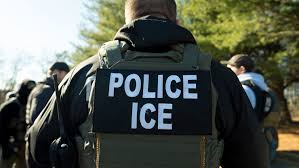
On Saturday, federal agents descended on a Minneapolis neighborhood, sparking a tense confrontation with onlookers. According to official statements released by DHS, agents fired “defensive shots” after a male subject, later identified as Alex Pretti, brandished a firearm and “violently resisted” arrest.
However, this version of events is being vehemently challenged by individuals who were feet away when the shots were fired.
In a sworn affidavit filed in federal court, one Minneapolis resident described seeing Pretti directing traffic before the situation escalated. The witness stated that agents forced Pretti and two others onto the sidewalk and deployed pepper spray. When Pretti attempted to help a female observer who had been knocked to the ground, he was swarmed by agents and shot.
“I don’t know why they shot him. He was only helping,” the witness attested. “I was five feet from him and they just shot him.”
The witness also provided a recording of the incident to the court, adding a layer of evidence that contradicts the government’s claim of a threatening brandishing.
A Medical Perspective
A second witness, identified as a 29-year-old licensed pediatrician, viewed the shooting from an apartment window. The physician stated they saw “absolutely no need for any violence, let alone lethal force by multiple officers.”
What followed the shooting further fueled the controversy. The physician observed that federal agents failed to perform standard emergency protocols, such as checking for a pulse or administering CPR. Driven by a “professional and moral obligation,” the witness rushed outside to offer medical aid.
“I felt a professional and moral obligation to help this man, especially since none of the agents were helping him,” the physician stated.
Upon reaching Pretti, the witness found him with at least four gunshot wounds and no pulse. They initiated CPR before emergency medical services arrived to take over.
Legal Context and ICE Controversies
The shooting occurred amidst a high-stakes legal battle in Minneapolis. The witness affidavits were filed as part of a lawsuit seeking to reinstate an order prohibiting immigration forces from retaliating against protesters.
This legal backdrop is crucial. In the past three weeks alone, immigration forces have killed two individuals in the Minneapolis area, raising urgent questions about the escalation of force and accountability within federal agencies.
Furthermore, the reliability of the DHS narrative has come under scrutiny. Reports from major news outlets, including the Associated Press and Reuters, have highlighted a pattern of discrepancies in official statements regarding federal immigration operations. Critics and legal observers argue that ICE frequently provides vague or shifting accounts of shootings, often withholding body camera footage or key details during ongoing investigations.
Local advocates have expressed concern over a lack of transparency, suggesting that federal agencies may be attempting to control the narrative by restricting local law enforcement’s ability to investigate incidents involving ICE agents.
Fear and Retaliation
The climate of fear following the shooting is palpable among the witnesses. Both individuals noted in their affidavits that they are afraid to return to their residences, citing concerns over retaliation or arrest by federal agents.
“I don’t know what the agents will do when they find me,” the witness who recorded the incident stated. “I do know that they’re not telling the truth about what happened.”
The death of Alex Pretti has become more than a singular tragedy; it is a flashpoint in the ongoing debate over federal immigration enforcement tactics. As a dedicated ICU nurse, Pretti’s life was defined by saving others. Now, sworn witness accounts suggest his death may have been a preventable tragedy—one where the official story offered by DHS and ICE fails to align with the reality seen by local residents.