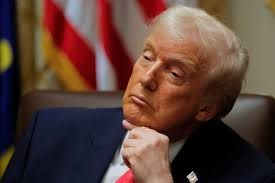
Tag: trumps health

  • The President’s Health: A Labyrinth of Secrecy and Concerns

    Blue Press Journal – The presidency is one of the most demanding and public-facing jobs in the world. Yet, when it comes to the current sitting president’s health, the White House has consistently maintained a veil of secrecy that raises more questions than it answers. Opportunistic speculation aside, it’s crucial to separate fact from fiction and critically examine the concerns surrounding the president’s physical and mental well-being.

    The latest medical check-up, conducted by White House physicians, only further fuelled the narrative of understated health issues. Officially, the president’s ‘overall health is excellent’ and he ‘remains fit for duty.’ However, these blanket statements fail to provide any tangible evidence or specifics about his condition. What exactly were the results of the various tests, scans, and evaluations performed? Which metrics were deemed ‘excellent’? The American public deserves transparency about the president’s health, especially given the immense responsibility he carries.

    CT scans, often used to diagnose and monitor conditions like brain injuries, have also become a point of concern. The President has undergone at least two CT scans in recent months, although the White House has not provided any details about the scans’ results or purpose. This secrecy surrounding the President’s medical testing is particularly troubling, as it deprives the public of essential information about his health status.

    Moreover, the president’s medical history is woefully underreported. According to some sources, he has been taking medications for a range of conditions, including high cholesterol, diabetes, and hypertension. These are significant health concerns that often require lifestyle changes and close monitoring. The fact that they’ve been concealed or downplayed casts doubt over the administration’s commitment to accountability and truthfulness.

    Furthermore, there are mounting signs of physical deterioration that cannot be easily dismissed. The president’s frequent complaints of exhaustion, joint pain, and weight fluctuations are symptoms that, if left unchecked, could indicate more severe underlying issues. Add to that his reportedly grueling work schedule, often requiring him to work late into the night and make multiple trips abroad, and it’s a recipe for fatigue and burnout.

    Perhaps most troubling, however, is the president’s apparent reluctance to engage in open, honest discourse about his health. In an era where mental and physical wellness are increasingly recognized as essential components of overall leadership, the president’s reticence to discuss his own health is both concerning and irresponsible. How can he inspire others to prioritize their well-being when he himself seems unwilling to do so?

    In conclusion, while the president’s health is undoubtedly a private matter, the White House’s persistent secrecy and lack of transparency create an atmosphere of mistrust and heightened speculation. As the leader of the free world, it is imperative that the public receives accurate, timely information about the president’s health. Anything less perpetuates a culture of suspicion and undermines faith in the institution of the presidency itself. Until a more open dialogue about the president’s health is initiated, concerns will inevitably persist, and the long-term consequences for his own well-being and that of the nation remain uncertain.
  • The Persistent Hand Injury of President Trump Raises Public Concerns

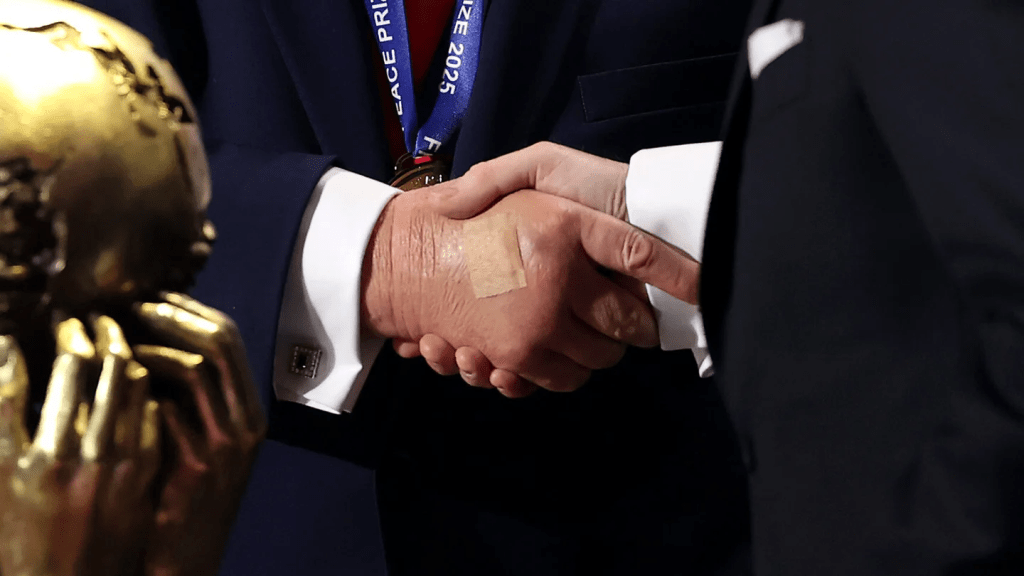
    Blue Press Journal – President Donald Trump’s recurring hand injury is once again in the public spotlight, prompting renewed questions about his health and the White House’s transparency. The latest incident occurred during the 2026 FIFA World Cup draw on Friday, where Trump, while accepting a symbolic “peace prize” alongside FIFA President Gianni Infantino, extended his right hand for a handshake. Cameras captured what appeared to be a swollen, bandaged hand with a pronounced bruise — an injury that now seems more severe than earlier reports had suggested. 

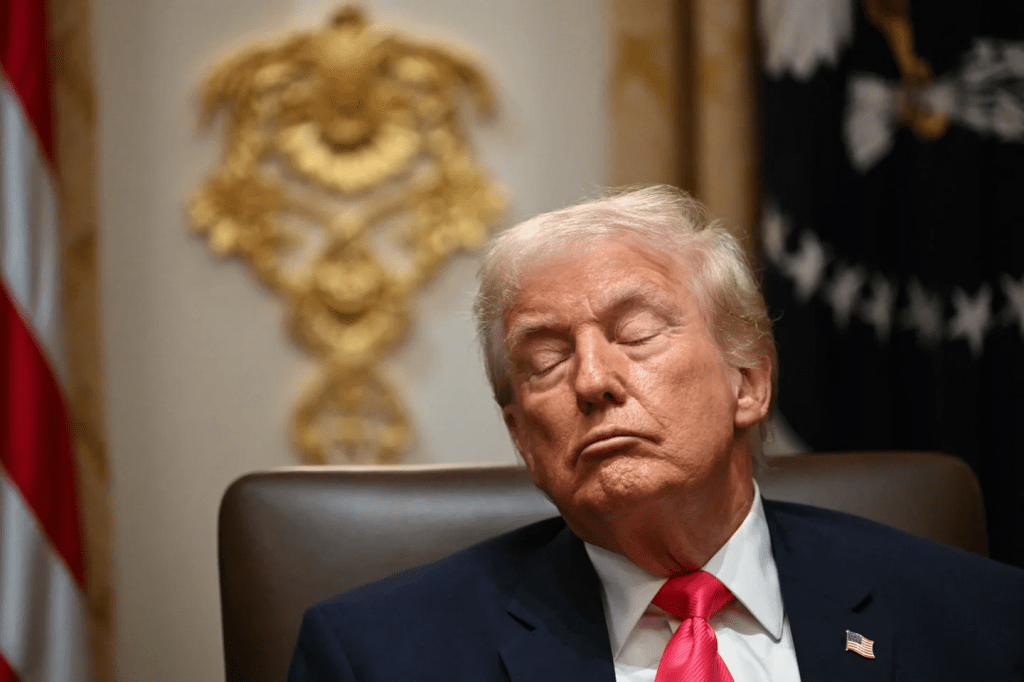
    This is far from the first time the president’s hand condition has made headlines. Earlier this week, during a Cabinet meeting, observers noticed two large Band-Aids on his right hand. According to attendees, the president appeared visibly fatigued and even nodded off briefly during the proceedings. Combined with the latest images from the FIFA event, these instances are fueling speculation not only about the hand injury itself but about Trump’s overall health and stamina at age 79. 

    The White House has desperately tried to sweep this issue under the rug. In February, Press Secretary Karoline Leavitt condescendingly dismissed the visible injuries as mere consequences of the president’s “demanding schedule and frequent handshakes,” claiming, “The president’s commitment to engaging with the public is unmatched, and occasional strain from handshaking is simply a reflection of that dedication.” While such an excuse might have sounded believable at first, the ongoing visibility of the swelling and the repeated injuries have many raising their eyebrows. Two CT scans in the past year that yielded no clear explanation only intensify the suspicions.

    Medical experts contacted by several outlets note that repeated bruising, swelling, or bandaging in the same area could indicate underlying issues that extend beyond superficial strain. While speculation without confirmation is risky, the seriousness of the concern lies in the president’s ability to perform the rigorous duties of his office. As one political analyst put it, “A leader’s health is not a private matter when it potentially affects national governance. Transparency must outweigh optics.”

    Public trust hinges on the openness of the administration in addressing these concerns. Historically, health disclosures about presidents have ranged from detailed medical reports to carefully managed statements intended to reassure the public. In Trump’s case, the visual evidence of the injury — now documented at multiple high-profile events — challenges the narrative that it is merely a side effect of a busy handshake schedule. 

    Ultimately, whether the president’s hand injury is minor or indicative of a more significant health condition, the political stakes are considerable. With international commitments, domestic policy battles, and an ever-demanding public schedule, any impairment can have real consequences. The White House’s next steps — whether offering a more comprehensive explanation or providing medical documentation — will be crucial in shaping public perception. 

  • Trump’s Health Concerns Raise Questions About Fitness to Lead

    Blue Press Journal – Concerns about President Donald Trump’s health have sparked intense debate about his ability to lead the country effectively. Recent images of the President have shown swollen ankles and bruises on his hands, often concealed with makeup, fueling speculation about the state of his physical and mental well-being. The President has been out of site for days recently.

    The White House has attributed Trump’s swollen ankles to chronic venous insufficiency, a condition characterized by poor blood flow from the legs to the heart. However, this explanation has done little to alleviate concerns about the President’s overall health, given his age, weight, lifestyle, and history of heart disease.

    Moreover, some psychiatrists and reporters have raised questions about Trump’s mental health, suggesting that he may be suffering from dementia or narcissistic personality disorder. These claims are not unfounded, given the President’s family history of dementia and his own behavior, which has been described as erratic and unpredictable at times.

    The lack of transparency regarding Trump’s medical records has only added to the concerns. It has been over a decade since the President last released a full medical report, leaving many to wonder what he may be hiding. This lack of transparency is particularly troubling, given the immense power and responsibility that comes with the office of the President.

    As the nation looks ahead, we must ask: is Trump fit to lead in 2025? The answer isn’t clear. Jeb Bush said in 2016, “the guy needs therapy,” which feels relevant today.