According to the latest report by the Labor Department, inflation in the U.S. is beginning to accelerate ahead of the mid-term elections. The CPI (Consumer Price Index) increased by 3.7% on a year-over-year basis in September, compared to 3.4% in the previous month. On a month-over-month basis, the CPI jumped by 0.6%, the biggest increase since September 2023, and compared to a 0.4% increase in August.
Prices at the pumps climbed more than 9% on a month-over-month basis, which affects consumer sentiment and, by extension, the wider economy. The rising cost of gasoline also impacts the business sector, as companies review their pricing policy to offset the rising energy prices. For example, PepsiCo plans to increase the prices of its snacks and beverages, including Doritos, Ruffles, Sun Chips and soda.
The jump in inflation has already impacted voters’ perception of the incumbent administration. According to an AP-NORC poll, only 17% of American adults approved of how Donald Trump handled the situation with soaring prices, and 26% approved of his management of the economy, the lowest in the president’s tenure. Inflation will continue to be a critical factor influencing voters’ decision in the upcoming mid-term elections as it has done for many years.
BLUE PRESS JOURNAL – In a striking reversal that threatens to undermine Republican economic messaging ahead of the 2026 midterms, President Donald Trump’s military strikes against Iran have sent domestic fuel costs climbing—barely one week after the administration heralded falling gas prices as a signature achievement.
During his recent State of the Union address, Trump claimed victory over fuel costs, declaring that gasoline had fallen “below $2.30 a gallon in most states, and in some places, $1.99 a gallon”—a characterization that already strained credulity compared to national averages tracked by AAA and the Energy Information Administration. According to Bloomberg energy analysts, those rosy figures collapsed almost immediately following U.S. military intervention in the Middle East, with the average price per gallon jumping 16 cents to nearly $3.11 in just seven days.
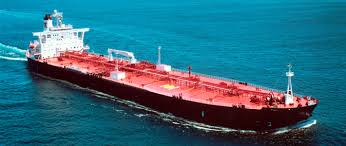
The volatility stems from Trump’s decision to launch strikes against Iranian targets, a move that has destabilized a region responsible for more than 25% of global oil production. As Reuters reports, renewed conflict near the Strait of Hormuz—where nearly one-fifth of the world’s petroleum shipments pass—has triggered immediate risk premiums in futures markets. Secretary of State Marco Rubio acknowledged the economic trade-off Tuesday, admitting the administration “knew that going in would be a factor” when asked about the surge.
The political calculus grows increasingly precarious for Republican strategists heading into November’s congressional elections. One veteran GOP operative, speaking anonymously to avoid White House retaliation, warned The Hill that sustained increases could prove “devastating” for candidates already struggling with voter dissatisfaction over persistent inflation in housing and groceries. “If it sustains at all, it’s really bad,” the strategist noted. “Where does that end?”
Democratic critics have seized on the disconnect between Trump’s “America First” branding and the economic fallout. Representative Ro Khanna (D-Calif.), a potential 2028 presidential contender, wrote in a Tuesday op-ed that Americans “don’t want higher gas prices, which will spike at the pump because of this stupid conflict.” Senator Chris Murphy (D-Conn.) echoed these concerns to NBC News, emphasizing that “nobody in America is asking for their gas prices, their grocery prices, their construction prices to go through the roof.”
Price Outlook: If hostilities continue through the summer driving season, industry analysts project national averages could climb to $3.40–$3.65 per gallon by late July, potentially erasing the administration’s limited inflation gains and complicating GOP efforts to maintain congressional majorities.
Trump administration officials insist the spike represents “short-term” turbulence, with the President claiming Tuesday that prices will drop “lower than even before” once conflict ceases. However, with Pentagon officials offering conflicting timelines for operations and Iran vowing continued retaliation against American assets, energy markets remain jittery—leaving American consumers to bear the cost of a war few voters requested.