Blue Press Journal – The U.S. labor market suffered a stunning reversal in February, shedding 92,000 jobs while the unemployment rate climbed to 4.4%, according to Bureau of Labor Statistics data released Friday. The contraction—marking a dramatic miss from economists’ projections of 59,000 new positions—exposed an economy reeling from the dual pressures of protectionist trade policies and widening military conflict in the Middle East.
Revisions to December and January data eliminated an additional 69,000 positions, revealing the labor market entered 2025 on weaker footing. Manufacturing sustained its 14th job loss in 15 months, shedding 12,000 positions, while healthcare dropped 28,000 jobs amid disputes. Construction lost 11,000 jobs, administrative services shed 19,000, and restaurants cut nearly 30,000 positions, suggesting softening consumer demand.
The economic bleeding coincides with oil market volatility driven by the Trump administration’s military operations in Iran. Global benchmark Brent crude surged to $89.50 per barrel, the highest level in nearly two years, while U.S. crude jumped 5% to $86.70, Reuters reported. This price shock led Qatar’s energy minister to warn the Financial Times that Gulf producers may halt exports, potentially driving prices to $150 per barrel and inflicting “extensive economic damage.”
Financial markets reacted sharply to the confluence of labor weakness and energy inflation. The S&P 500 futures declined 0.84% while the MSCI all-world index headed for its steepest weekly drop since March 2025. Treasury yields fell as traders recalibrated expectations for Federal Reserve rate cuts.
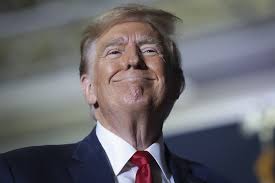
Amid economic turbulence, President Donald Trump struck a dismissive tone regarding pocketbook concerns. In an exclusive interview with Reuters, he expressed “no concern” about rising gasoline prices, currently averaging $3.25 per gallon, stating the military campaign is “far more important.” These remarks contradict his February State of the Union address, where he celebrated declining energy costs as an economic win.
The administration’s prioritization of military expansion over economic stability threatens to deepen voter discontent ahead of November’s midterm elections, as households already grappling with elevated interest rates and tariff-driven uncertainty face a new inflationary shock at the pump.
 Blue Press Journal