by Winston Wendell
When I look at what’s happening in politics right now, I just can’t brush past the way presidential power seems tangled up with personal profit. People ask me all the time why President Trump is so dead set on shaping the story around midterm election integrity. It doesn’t feel like it’s just about scoring points for his party, that’s only part of it. The real answer jumps out in a single, staggering number: $2.2 billion.
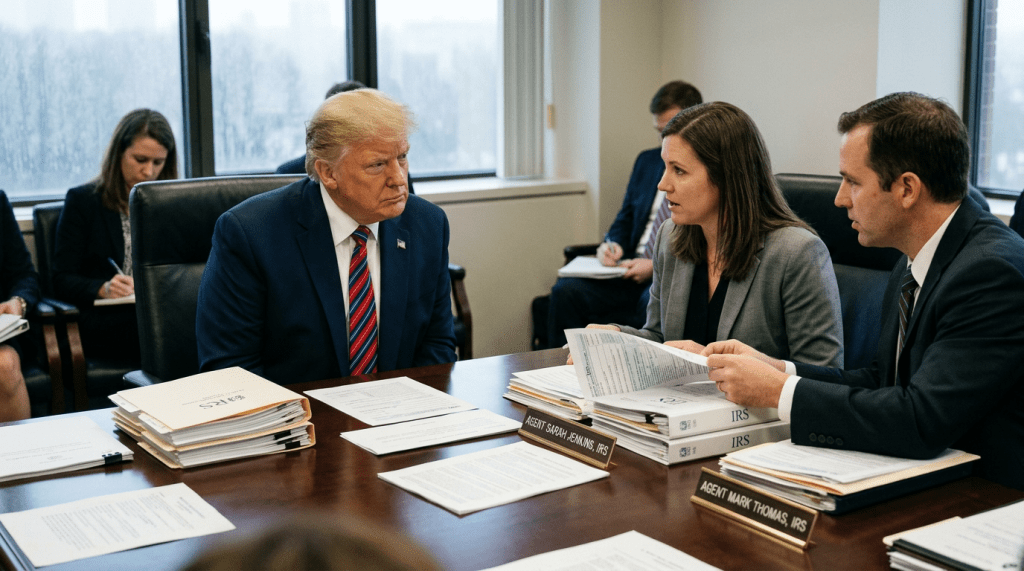
That’s how much the President’s reported wealth grew in 2025. You look at this and it’s tough to call it a fluke. Every sign points to an administration acting like it’s converted the whole executive branch into its own private equity fund. When people in power bend government to chase after profit and cover for their allies, the cost goes way beyond dollars. It chips away at the core of America’s democracy.
The White House as a Private Estate
When you walk through the halls of this administration, it’s hard not to feel like “the People’s House” has become someone’s private mansion. Lavish renovations funded by taxpayers, gold-plated decor everywhere, it all sends one clear message: this isn’t about public service. It’s about personal gain.
And sure, it looks bad, but it goes deeper. There’s a pattern. Strategic pardons. Huge payouts from the top. Rules that just so happen to benefit the President’s closest circle. When policy is written to help the person in charge make money, government stops being about the people. It turns into a business.
The Pardon Economy and Asset Recovery
Legal scholars always said the President’s power to pardon is almost unlimited. But it was never supposed to be about cash. When you hear about a “pardon economy” , lobbyists taking huge fees to get folks through the Oval Office door, it’s a reminder that asset recovery is one of the few tools we still have, even if it isn’t used often enough.
The pardon of crypto billionaire Changpeng Zhao stands out as a glaring example. Pardoning him right after he donated proprietary software to a Trump-connected crypto project? That should make anyone nervous. If the government puts the crypto-elite ahead of basic justice, you have to wonder: is this just side-effect corruption, or is it the core strategy?
Lessons from Abroad: An Anti-Corruption Framework
We don’t have to make up a new playbook for fixing this. Look at Hungary. When they faced intense corruption, they set up the National Asset Recovery and Asset Protection Office. They brought together financial investigators, police, lawyers , the whole lot and they froze dirty assets, clawed back public money, and didn’t flinch. Not only did it rebuild some trust, it freed up billions in locked-up EU funding.
It’s a real path to accountability. It proves that if you treat corruption as a threat to your whole system, not just an awkward issue, you get results.
A Roadmap for Accountability
If you’re watching all this unfold, whether you’re an investigator, accountant, or just a citizen who pays attention, there’s really only one way forward: dig deep and audit the executive branch, top to bottom. Here’s how you do it:
Contractual Oversight: Carefully review every federal contract awarded to family and friends. Identify and rectify any conflicts of interest.
Cryptocurrency Accountability: Monitor profits derived from insider government information. Recover any stolen funds from the public.
Payout Recovery: Reclaim taxpayer money funneled to political cronies or anyone connected to unrest and shady dealings.
Emoluments Audit: Compile a comprehensive list of all foreign gifts and emoluments. Ensure that these are returned to the public, as they are considered public property, not personal gifts.
Pay-to-Play Investigation: Examine the selection process for government spaces and privately connected vendors at major events.
Regulatory Settlement Review: Investigate whether authorities coerced private companies into large settlements as retribution.
Pardon-Linked Financials: Trace the flow of money, including payments, middleman fees, and shell companies associated with controversial pardons.
This Trump “anything goes” era is unsustainable. As political dynamics shift and they inevitably do, those who misappropriated public funds will face legal consequences.
Anyone who treats America’s treasury as a personal piggy bank should be aware that accountability is on the horizon.
HERE A LIST OF A FEW
Ethics experts, watchdogs, and legal scholars highlight several primary categories of potential conflicts:
1. Real Estate & Hospitality Holdings
- Foreign Government Spending: Properties like the Trump International Hotel or Mar-a-Lago frequently host foreign diplomats, officials, and state-backed entities. Spending at these properties raises concerns under the U.S. Constitution’s Emoluments Clause, which bars federal officials from receiving gifts or payments from foreign governments without Congressional approval.Campaign Legal Center+ 1
- Foreign Licensing & Development Deals: The Trump Organization maintains brand-licensing and real estate agreements in various nations (including Saudi Arabia, the UAE, Oman, and South Korea). Critics point out that these deals create potential overlaps between personal profit and foreign policy, trade negotiations, or diplomatic decisions. Center for American Progress
2. Cryptocurrency & Tech Ventures
- World Liberty Financial: Trump and his family launched a digital currency and decentralized finance project.Because executive branch agencies—such as the Securities and Exchange Commission (SEC) and Commodity Futures Trading Commission (CFTC)—regulate the crypto industry, presidential policy or regulatory rollbacks can directly impact the financial value of these family-backed token ventures. Defense One
- Publicly Traded Stock & Media Ventures: Major stakes in publicly traded ventures (like Trump Media & Technology Group, owner of Truth Social) make it possible for domestic special interests or foreign entities to buy large blocks of stock, potentially attempting to gain political favor or influence stock prices. Campaign Legal Center
3. Domestic Business Regulation & Federal Contracts
- Policy & Deregulation Directives: Decisions regarding tax codes, environmental rollbacks, labor regulations, or antitrust actions directly affect real estate, hospitality, and golf resort operations.
- Federal Use of Properties: When the president, secret service detail, or federal staff stay at or utilize Trump-owned properties, taxpayer dollars are paid directly to those businesses for lodging, food, and security equipment rental.
4. Foreign Trademarks & Debt
- International Trademarks: Decisions by foreign governments (such as China or European nations) to approve or fast-track valuable trademark protections for the Trump brand while trade negotiations are active create potential leverage issues.
- Outstanding Debt: Commercial properties owned or co-owned by his businesses carry significant loans held by various domestic and foreign financial institutions. Negotiating or refinancing large debts while holding executive office presents a potential conflict regarding lender oversight and regulatory enforcement. Defense One
 Blue Press Journal