by Winston Wendell
I watched the Thomas Massie primary unfold with a growing sense of dread. Here was a sitting congressman, one who’d actually voted against Trump on occasion, finding himself on the receiving end of something entirely new in American politics. A pro-Trump super PAC dropped an AI-generated video depicting Massie in a fake, scandalous romance with members of the progressive “Squad.” Massie called it out for what it was, a sleazy, desperate lie. It didn’t matter. He lost anyway. Welcome to the future of American democracy, where fabricated, synthetic disinformation can take down a sitting congressman and barely raise an eyebrow.
The Weaponization of Synthetic Reality
Living through the Trump era means living in a constant state of reality vertigo. You see AI-generated images of Trump playing savior, then viciously doctored shots of his opponents and frankly, the ridiculousness never lets up. Psychiatrist Robert Jay Lifton has a name for this: “malignant normality,” where people become numb to ceaseless distortion because there’s simply too much of it to process. I feel this numbness creep in sometimes, and I think many Americans do too.
Philosophers have started calling these synthetic attacks “slopaganda,” and the term fits perfectly. Slopaganda doesn’t need to be true. It doesn’t even need to be convincing. It just needs to get under your skin and stir up emotions like paranoia or tribal rage. The goal isn’t persuasion, it’s chaos. When nothing can be proven, these games don’t just spread misinformation; they systematically undermine society’s trust in anything at all.
Democratized Destruction
The Republican Party has become remarkably efficient at deploying these tools. The RNC pumps out AI-generated scare ads depicting American collapse under Democratic leadership. Trump himself shares bogus clips showing journalists in fictional scenarios. The bar for political discourse has dropped so far it’s practically subterranean.
What terrifies me most is the accessibility of this technology. Researchers at places like Brookings have been warning us: these tools let anyone do what used to require professional troll farms and significant resources. Deepfakes are cheap, fast, and everywhere now. Spreading dangerous fake information barely costs a thing, while the resources needed to combat it, fact-checking, verification, education struggle to keep pace.
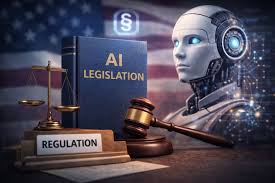
State attempts to regulate this, like California’s new laws, run into the familiar obstacles: free speech debates, technology racing far ahead of lawmakers, and plain political inertia. I keep waiting for a comprehensive response, but Washington moves while AI moves faster.
The Death of Shared Truth
This digital arms race isn’t just messy, it’s potentially devastating. When people can’t agree on basic facts, participation in civic life collapses. We slide toward “hypernormalization,” a term borrowed from Soviet-era analysis: official stories and reality drift so far apart that nobody believes anything anymore.
I see this happening in real-time. Voters get lost in the fog, so they cling to strongmen and simple answers for complicated problems. As AI continues pouring into our political system, the collapse of our shared truth feels less like slow decay and more like an active demolition. The real question isn’t whether individual citizens can tell what’s real, it’s whether democracy can survive at all once the distinction between real and fake dissolves entirely.
At what point do we stop being citizens and start being passengers in a simulation we didn’t choose? I’m not sure we’re far from that line.


 Blue Press Journal