by Winston Wendell
Two Senate races could decide the fate of a popular budget that has already taken millions upon millions of healthcare dollars away from Americans. Everything is on the line for both sides: not only healthcare coverage, but also the livelihoods of those affected and their trust in the government. Last Summer, with the guidance of the President himself and the Republican party, legislators pushed through some of the most devastating cuts to healthcare the US has witnessed in a long time. The consequences and effects of this decision have been immediate and severe. This is how everything is unfolding.
Firstly, congress sliced off a whooping 900 billion dollars from Medicaid, the program providing healthcare to children, pregnant women, people with disabilities, and others who are especially vulnerable. At the same time, they allowed subsidies under the affordable care act, which had been expanded by the Obama administration, to lapse away. As a result, rates soared, and almost 8 million people lost coverage. This is according to the Protect Our Care Progress group, as they released a report detailing the losses state by state, from Medicaid, the Children’s Health Insurance Program, and the Affordable Care Act.
The president of the Progress group, Brad Woodhouse, had some particularly biting remarks for President Trump and the Republican legislature that pushed through the vote. He noted that eight million Americans have lost healthcare coverage because of Donald Trump and the republican party’s “decision to give tax breaks to billionaires and gut the safety net for working families” instead of protecting it. This has resulted in many, many families making impossible choices between paying premiums and putting food on the table, or senior citizens having to stretch out their medications for longer, or pregnant women having to drive longer distances for prenatal care. All because of the cuts to the Medicaid program that have left millions of Americans without healthcare in an era when it was supposed to be a fundamental right.
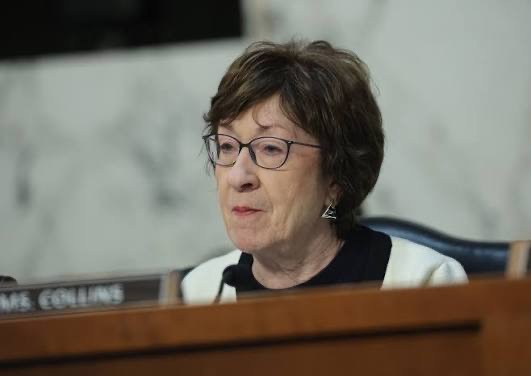
Senator Susan Collins, incumbent Republican representing the state of Maine, is facing an uphill re-election battle from a Democratic opponent after voting to slash Medicaid and chip away at the affordable care act. Her opponent is expected to mobilize his supporters to vote Collins out of office after she helped to dismantle the Obama administration’s healthcare law. Her state has been particularly hard hit by the cuts to the Medicaid program with over 18,700 Mainers losing access to healthcare.
Over 7,500 residents have lost their marketplace coverage due to the end of the federal subsidy at the end of 2025. Although Senator Collins voted against the final budget, she has already voted for the initial version, and critics of her vote are reminding voters at every opportunity that she voted for it in the first place. Meanwhile, the impact of her vote is being felt in the state’s hospital system and rural communities, as they grapple with a 38 million dollar funding shortfall.
The damage is particularly visible in the state’s healthcare sector as both hospitals and other facilities scramble to cover uncompensated care costs or find ways to reduce expenses by cutting staff, threatening to worsen the crisis in the state’s rural areas.
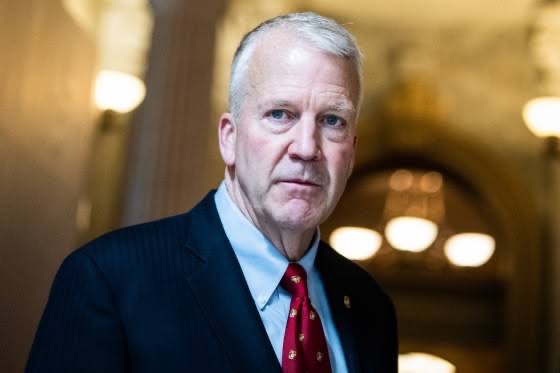
Another Republican senator, Dan Sullivan of Alaska, has also voted to slash Medicaid despite the impact that it would have on the residents of his state. In Alaska, the number of people who have lost coverage exceeds 25,600. In addition, premium rates for the covered plans have jumped an astonishing 346%.
With the vast distances between communities, especially in rural parts of Alaska, and a shortage of healthcare facilities, this decision has placed an especially severe burden on the residents of the state. Sullivan is also set to face a re-election campaign and will have to answer for his role in the disaster that has befallen the state’s healthcare system.
Brad Woodhouse believes that “these voters in Alaska, Maine, and across the country – our friends, neighbors, parents, and children – are seeing how policies advocated by President Trump and his allies in the Senate are undermining their ability to afford health care, and they are going to hold these lawmakers accountable at the ballot.
In a very real way, voters in Maine and Alaska will decide not only the fate of their states’ health coverage but also the future of the country, as both senators face re-elections in the middle of the year.”
Everything is on the line in these two crucial Senate races, including the future of the American healthcare system. The voters in these two states are now having to deal with the consequences of the actions of their legislators who put party before patriotism and placed millions of Americans in danger.


