Tag: china

  • Trump’s Tariffs Dealt Significant Blow as Federal Appeals Court Rules Them “Basically All Illegal”

    Blue Press Journal (DC) – In a major setback for the Trump administration, a federal appeals court has invalidated vast portions of the president’s sweeping tariffs, ruling that he lacked the authority to impose them under the International Emergency Economic Powers Act (IEEPA) of 1977. The 7-4 decision, which upholds a lower court’s opinion, marks a significant defeat for Trump’s global trade war.

    The appellate court’s majority found that Trump’s argument, which relied on declarations of national emergencies to establish the power to enact wide-ranging taxes, was “a wafer-thin reed on which to rest such sweeping power.” The judges concluded that Trump unlawfully stretched the 1977 statute to impose the import tariffs, which affects nearly all goods from nearly every country importing to the United States.

    This ruling has significant implications, as it may require the administration to repay billions of dollars in duties, a move that customs and trade experts warn would be “a logistical nightmare.” The court emphasized that “tariffs are a core congressional power” and that there is “no clear congressional authorization by IEEPA for tariffs of the magnitude of the reciprocal tariffs and trafficking tariffs.”

    The decision affirms a May ruling from the US Court of International Trade, which also found that Trump exceeded his authority. This latest ruling is a major blow to Trump’s trade policies, which have been widely criticized for their potential to harm American businesses and consumers.

  • The Hidden Republican Tax Increase: How Tariffs Hurt Local Resident

    Blue Press Journal – As our communities struggles with economic inequality, it’s essential to examine the impact of tariffs on our daily lives. Despite their pledges to never raise taxes, many Republican lawmakers have supported President Donald Trump’s tariffs, which essentially impose a tax on goods imported into the United States. This regressive tax increase disproportionately affects low-income Americans, exacerbating the existing economic divide.

    Tariffs are often misunderstood as a way to “make other countries pay” for their trade practices. However, the reality is that these taxes are passed on to American consumers in the form of higher prices or absorbed by businesses, ultimately harming local residents. The poor and middle class, who spend a larger portion of their income on goods, are hit the hardest by these tariffs. In contrast, wealthier individuals, who tend to save more and spend on services, are less affected.

    It’s striking that Republicans, who have long championed tax cuts and reduced funding for the Internal Revenue Service, are now supporting tax increases through tariffs. This hypocrisy is particularly egregious given the regressive nature of tariffs, which favor the interests of the wealthy and large corporations. These groups often contribute significant campaign donations to politicians, who in turn, prioritize their interests over those of everyday Americans.

  • Trump Tariffs to Devastate Small Businesses, Consumers to Bear the Brunt

    Blue Press Journal D.C. – The latest tariffs imposed by President Donald Trump are set to have a crippling effect on small businesses across the United States, with the average firm facing an annual hit of $856,000. According to estimates by the Chamber of Commerce, the tariffs, which took effect on August 7, will cost small business importers a staggering $202 billion annually.

    Small businesses, which generate over half of the country’s new jobs, are the backbone of the US economy. However, the Chamber of Commerce warns that the tariffs will disproportionately affect these businesses, with 236,000 small importers, each with fewer than 500 employees, collectively bringing in over $868 billion worth of goods from abroad in 2023.

    The National Retail Federation and the Chamber of Commerce, both of which have historically supported Republican candidates, are now sounding the alarm over the devastating impact of the tariffs. Despite their previous backing of the GOP, these organizations are realizing that the party’s policies are not as “pro-business” as they claimed.

    The tariffs are expected to have a ripple effect on consumers, who will ultimately bear the brunt of the costs. According to a study by Goldman Sachs, US companies will shoulder 64% of the tariff costs, while foreign exporters will absorb only 14%. Consumers will be left to pick up the remaining 22%, with the study warning that companies will pass on two-thirds of the costs directly to consumers by October.

    President Trump had claimed that China would “probably eat those tariffs,” but the reality is that the tariffs are a massive, regressive tax that will bleed small businesses dry and send prices soaring for consumers. The move has been widely criticized as a protectionist policy that will harm US jobs and the economy, rather than protecting them.

    As tariffs take effect, small businesses and consumers brace for rising costs, questioning their survival. This situation highlights that the GOP’s “pro-business” policies may not be as beneficial as they seem.

  • US Producer Prices See Largest Jump in Over Three Years, Sparking Fears of Rising Consumer Costs

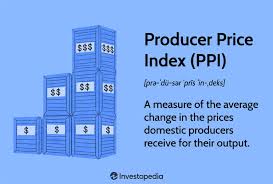
    Blue Press Journal- In a surprise move, US wholesale inflation surged in July, with the Labor Department reporting a 0.9% increase in the producer price index (PPI) from June. This marks the largest monthly jump in over three years, with wholesale prices rising 3.3% compared to the same period last year.

    The increase in producer prices is attributed to tariffs imposed by President Trump on imports, driving up costs for US businesses reliant on imported goods. Wholesale food prices rose 1.4% from June, with vegetables surging 38.9%, while home electronic equipment prices increased by 5%.

    Economists had expected a more modest increase in producer prices, making the actual numbers a surprise. The data suggests that the effects of the tariffs are beginning to materialize, and consumers may soon feel the pinch. As businesses struggle to absorb the higher costs, they may be forced to pass them on to consumers in the form of higher prices.

    According to Christopher Rupkey, chief economist at fwdbonds, a financial markets research firm, “It will only be a matter of time before producers pass their higher tariff-related costs onto the backs of inflation-weary consumers.” This warning suggests that the current surge in producer prices may be a precursor to higher consumer prices in the coming months.

    The impact of the tariffs has been delayed as importers stockpiled products before the taxes took effect. However, as these inventories dwindle, consumers may soon face higher prices for various goods, including food and electronics.

    The latest data has raised concerns about the consequences of ongoing trade tensions on the US economy. As the trade war escalates, both businesses and consumers are preparing for the fallout.

  • Trump’s Promise of Lower Grocery Prices Falls Flat: Tariffs and Economic Policies Drive Costs Up

    Blue Press Journal. – One year ago, President Donald Trump stood in front of a table laden with everyday groceries, promising voters that he would bring prices down “immediately, starting on Day One” if elected. However, the reality has been starkly different. Despite his campaign pledge, grocery prices have continued to rise, leaving many Americans struggling to make ends meet.

    The culprit behind the price hike is largely attributed to Trump’s own economic policies, particularly his tariffs on imported goods.

    One glaring example is coffee from Brazil. With a staggering 50% hike in tariffs on Brazilian coffee, prices are set to skyrocket. Get ready—your morning cup of joe is about to become a luxury that could more than double in cost!

    The trade wars sparked by these tariffs have led to increased costs for businesses, which are then passed on to consumers. As a result, the prices of staples like flour, eggs, and milk have risen, contradicting Trump’s promise of relief for American families.

    Moreover, the president’s chaotic governing style and attacks on democratic norms have created an environment of uncertainty, deterring businesses from investing in the economy. This lack of confidence has further exacerbated the problem, leading to higher prices and reduced economic growth.

    The consequences of Trump’s policies are being felt across the country, with many low- and middle-income families bearing the brunt of the price increases. As the cost of living continues to rise, these households are being forced to make tough choices between essential expenses, such as groceries, housing, and healthcare.

    Trump’s policies have been misguided and have failed to deliver on his campaign promises. “The president’s tariffs and economic policies have been a recipe for disaster,” said a leading economist. “Instead of bringing prices down, they have driven costs up and created uncertainty in the market.”

    With the midterm elections looming, the president’s failure to deliver on this key campaign pledge is likely to become a major issue, as voters look for leaders who can provide real solutions to the economic challenges facing the country.

  • TRUMP’S BROAD TARIFFS TAKE EFFECT, EXACERBATING ECONOMIC PAIN

    Blue Press Journal: In a move that is likely to have far-reaching consequences for the US economy, President Donald Trump’s administration has begun imposing higher import taxes on dozens of countries, effective Thursday. The new tariffs, which range from 10% to 20%, will affect goods from over 60 countries, including the European Union, Japan, and South Korea.

    The tariffs, which include taxes on food items such as coffee and bananas, as well as cell phones and computers, are expected to have a significant impact on both companies and consumers. The EU, Japan, and South Korea will face a 15% tariff rate, while imports from Taiwan, Vietnam, and Bangladesh will be taxed at 20%.

    The move comes at a time when the US economy is already showing signs of strain from existing tariffs, including a 10% global tariff, a 25% levy on automobiles and auto parts, and a 50% tax on steel and aluminum imports. The Bureau of Labor Statistics recently released a weak jobs report for July, and inflation has ticked up as businesses pass on the cost of tariffs to consumers.

    Many economists warn that the risk of the tariffs is not a sudden collapse, but rather a steady erosion of the US economy. A survey by the National Foreign Trade Council found that companies are being forced to delay or reduce their product and service offerings due to rising costs and sourcing challenges.

    Heavy equipment manufacturer Caterpillar has already warned that rising tariffs could cost it $1.5 billion this year. Additionally, Trump has announced 100% tariffs on computer chips, and import taxes on pharmaceutical drugs are still pending. These moves could leave the US economy in a state of suspended animation, awaiting the full impact of the tariffs.

    As companies and consumers brace for the impact of the new taxes, there are growing concerns about the self-inflicted wounds to the US economy. The Trump administration’s trade policies have been widely criticized, with many arguing that they will ultimately harm American businesses and consumers.

  • US Economy Shows Signs of Strain as Service Industry Activity Slows: Trump Tariffs

    Blue Press Journal: A disappointing report on US business activity in the service sector has raised concerns that the ongoing trade tensions and tariffs imposed by President Donald Trump are taking a toll on the economy. The latest data has sparked a decline in US stock indexes, with investors growing increasingly anxious about the potential impact of the trade war on economic growth.

    According to the report, activity in service industries such as transportation and retail has slowed more than expected, adding to worries that the US economy is beginning to feel the effects of the trade tensions. The news sent US stock indexes sliding on Tuesday, with the S&P 500 falling 0.5% after a volatile stretch that saw it experience its worst day since May, followed by its best day since May.

    The Dow Jones Industrial Average also dropped, losing 61 points or 0.1%, while the Nasdaq composite fell 0.7%. The decline in stock prices reflects growing concerns among investors that the trade war is starting to have a negative impact on the US economy, which had previously shown signs of resilience.

    The service sector report is the latest in a series of discouraging economic signals, which have raised fears that the US economy may be heading for a slowdown. The Trump administration’s tariffs on imported goods have been blamed for the slowdown, as they have led to higher costs for businesses and consumers, and have disrupted global supply chains.

    The decline in US stock indexes is a sign that investors are becoming increasingly nervous about the potential consequences of the trade war, and are seeking safe-haven assets to protect their investments. As the trade tensions continue to escalate, it remains to be seen how the US economy will fare, and whether the Trump administration’s policies will ultimately lead to a recession.

    For now, investors are advised to exercise caution, as the economic outlook remains uncertain. As the situation continues to unfold, it is likely that the markets will remain volatile, with investors closely watching the latest economic data and trade developments for signs of what’s to come.

  • Trump Administration’s Trade Policies Leave Countries and Consumers Uncertain

    Blue Press Journal: In a significant departure from traditional trade policy practices, the Trump administration has abandoned the longstanding protocol of involving Congress, small businesses, corporations, academics, and other stakeholders in trade negotiations. Instead, countries are now negotiating directly with President Donald Trump and a small group of trade officials, often resulting in vague and uncertain agreements.

    The recent trade deal with the European Union, comprising 27 countries, is a prime example of this new approach. The agreement includes a 15% baseline tariff for most European goods, which is higher than previous rates and is expected to increase prices for consumers. The EU has also agreed to purchase $750 billion of energy products from the US and not to tax a yet unknown category of US imports. However, the EU has stated that it cannot guarantee the sizes of these investments, leaving many details unclear.

    The White House and the European Commission have released contradictory claims about the agreement, adding to the confusion. According to Euronews, the EU’s statements have contradicted those of the White House, highlighting the lack of transparency and clarity in the negotiations.

    Furthermore, the trade deals announced by the Trump administration are not actually finalized agreements, but rather proposals or frameworks for future discussions. The recent agreement with the United Kingdom, for example, sets a 10% tariff rate on most goods and a maximum of 100,000 imported cars, but maintains a 25% tariff on steel.

    Experts warn that these tariffs will have a significant impact on consumer prices, as companies will pass on the increased costs of importing goods to consumers. The shipping industry, which lags the market by several months due to logistics, will also be affected, leading to further price increases. Tariffs on raw materials and intermediate parts, such as steel and aluminum, will also drive up the cost of building complex goods, resulting in higher prices for consumers.

    Additionally, the tariffs imposed by the Trump administration may lead to a decrease in trade volumes between the US and affected countries. Tariffed countries may be less inclined to continue trading with the US at the same level, potentially harming American businesses and consumers.

    As the full impact of these trade policies becomes clear, consumers and businesses are bracing themselves for the potential consequences. With tariffs already starting to show up in consumer prices, it remains to be seen how the Trump administration’s unconventional trade policies will ultimately affect the US economy and global trade relationships.

  • Trump’s Trade Policies Risk Alienating His Own Voters Ahead of 2026

    President Donald Trump’s unconventional trade policies are sparking concern among his own supporters, a worrying trend for Republicans as they approach the 2026 elections. A recent POLITICO-Public First poll conducted in June revealed that between 25% and nearly 50% of Trump voters in 2024 are expressing doubts about various aspects of his tariff policies, particularly with regards to his approach to China.

    The survey’s findings serve as a red flag for the Republican Party, given the significant emphasis Trump has placed on trade and his promises to revitalize American industries. The president’s recent escalation of global trade tensions, marked by a series of aggressive tariff letters to other nations, has further fueled uncertainty and concern among his base.

    The poll highlights the risks Trump faces in losing supporters over his tariff moves. During his 2024 campaign, he pledged to reduce the cost of goods, but the uncertainty surrounding his trade wars threatens to disrupt the global economy and drive up inflation. This is a sensitive issue, as Trump has long criticized former President Joe Biden over inflation.

    Notably, approximately 1 in 4 self-identified Trump voters from 2024 believe that the president’s tariffs are hindering the United States’ ability to negotiate better trade deals with other countries. This skepticism is likely to be exacerbated by Trump’s recent threats to impose additional tariffs on August 1, as well as his introduction of new levies on trading partners via letters released on Truth Social, the social media platform he owns.

    While Trump has claimed that his tariffs will generate “big money” for America, the reality is that these costs are typically passed on to consumers by companies importing the goods. The tariffs imposed on imports such as steel, aluminum, and auto parts, as well as a baseline 10% duty on all foreign goods, have indeed brought in billions of dollars. However, the prices of some goods have increased as a result, with the cost of major appliances, many of which are imported from China, rising 4% between April and May.

    Some retailers have also cited tariffs as the reason for price hikes on goods like footwear and toys. This could ultimately undermine Trump’s campaign promises and erode support among his base, potentially jeopardizing Republican prospects in the 2026 elections.

  • Trump’s Tariff Threat Against Brazil: A Self-Inflicted Blow to American Consumers

    In a move that has left many economists scratching their heads, President Donald Trump has threatened to impose a 50% tariff on all imported goods from Brazil, citing a political dispute as the reason. However, according to experts, this decision is likely to hurt everyday Americans more than the Brazilian government. In essence, Trump’s actions can be seen as “meddling in Brazilian politics by imposing a tax on Americans.”

    The tariff, which is being imposed under a “national emergency” declaration that allows Trump to unilaterally announce tariffs without Congressional input, is expected to have far-reaching consequences for American consumers. With Brazil being a significant trading partner, the U.S. imports a substantial amount of goods from the country, including coffee, juice, and other commodities. As a result, Americans can expect to pay higher prices for these everyday items, effectively amounting to a tax increase.

    As one economist put it, “You and I are going to be paying higher taxes at Starbucks, on juice, on all the things that we import from Brazil… in order to help the leader of a failed coup get off the hook.” This statement highlights the absurdity of the situation, where American consumers are being forced to bear the brunt of a political dispute that has little to do with them.

    What’s more, the U.S. actually has a trade surplus with Brazil, meaning that the South American country buys more goods from the U.S. than the U.S. imports from Brazil. This is in contrast to other countries that Trump has targeted with tariffs, such as China, with which the U.S. has a significant trade deficit. In the case of Brazil, the tariffs are unlikely to have any significant impact on the country’s trade policies, but will instead harm American consumers and businesses that rely on Brazilian imports.

    The question on many minds is: what is the logic behind Trump’s decision to impose tariffs on Brazil? Is it a genuine attempt to influence Brazilian politics, or is it simply a case of misguided protectionism? Whatever the reason, one thing is clear: American consumers will be the ones paying the price for Trump’s actions. As the tariffs take effect, it remains to be seen how long it will take for the consequences of this decision to become apparent, and whether Trump will reconsider his approach in the face of mounting criticism.