by Winston Wendell
I’ve watched the White House do the same thing over and over: grab a tariff, call it “targeted,” and insist it’ll only hurt foreign rivals. But now, they’re rolling out up to 50% tariffs on $20 billion of Canadian goods and threatening a 100% duty on generic pharmaceuticals starting in 2028. It’s familiar, sure except the risks are bigger and the fallout is faster. As someone who wants economic policy to help regular people, not steamroll them, I see this as a costly mistake. It’ll drive up prices, mess up supply chains, and chip away at the Republican Party’s standing with the voters it claims are its top priority.
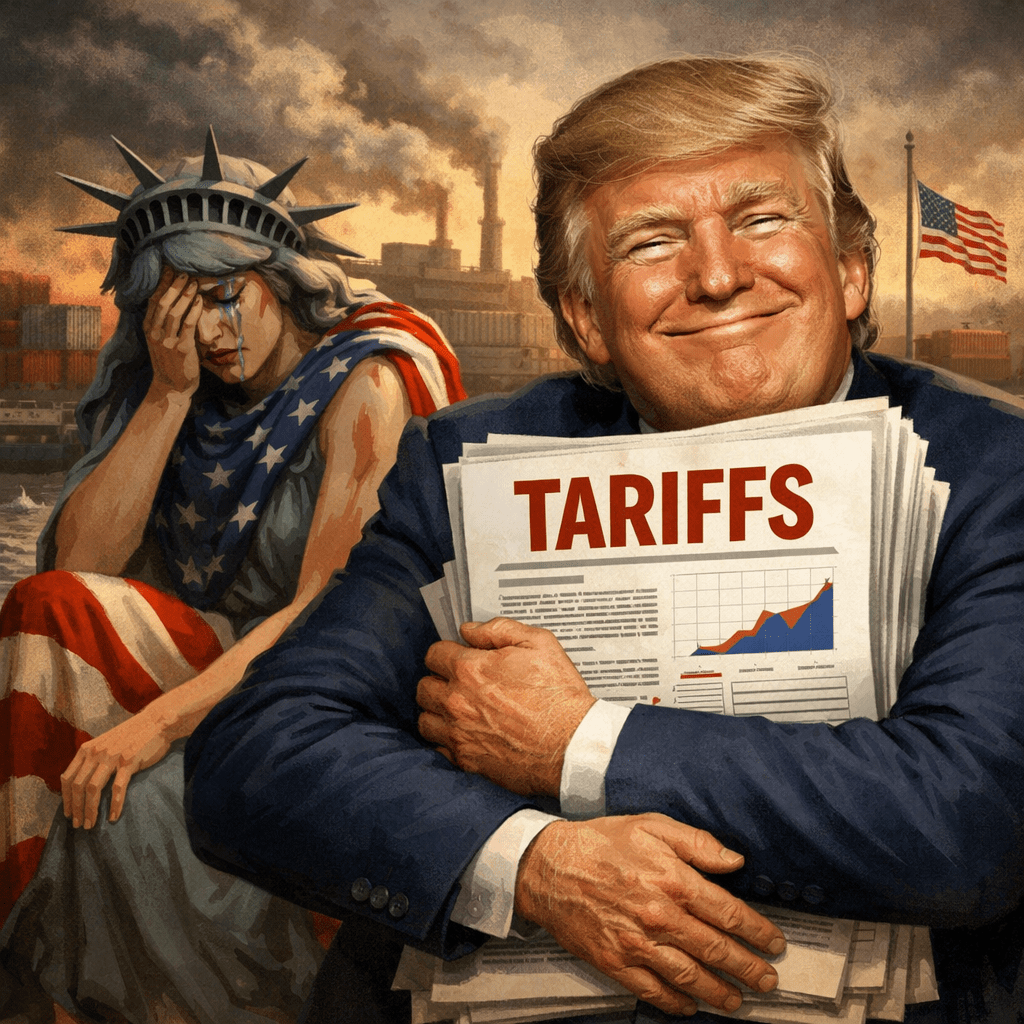
A Costly Bet on a Tired Storyline
Trump’s obsession with tariffs really took off during the China fight in 2018 and 2019. He pitched those tariffs as “tough love,” meant to bring jobs home. Now it’s the same formula: slap a 50% tariff on Canadian goods like hockey equipment, lumber, alcohol plus a 100% duty on generic drug ingredients set to hit in 2028. This time, tariffs on Canada start August 19, 2026, while the drug measure waits two more years.
Officials claim the grace period gives businesses time to “brace for impact” and that consumers won’t feel the squeeze. But history is pretty clear. Back in 2018, a Peterson Institute study showed about half the cost of U.S. tariffs winds up in consumer prices. So, when that burden lands on working families, the same folks Republicans are eyeing for November it’s more than just a broken promise; it’s downright cruel.
Consumers Can’t Dodge the Fallout, Even with Exemptions
The White House points out that groceries, energy, and other basic goods aren’t on the list, arguing inflation’s about housing and gas not hockey sticks. Still, thinking tariffs on “signature” Canadian goods won’t ripple out is just wishful thinking. Canada sends $383 billion in goods to the U.S. each year, and the $20 billion targeted for tariffs is baked right into our supply chains.
Canadian softwood lumber is a textbook example, it’s crucial to construction and furniture in the States. A 50% duty squeezes supply, making homes and rent pricier something voters in states like Michigan, New York, and Pennsylvania are already upset about. Bloomberg says a lumber tariff could add costs to a new Midwestern home. That’s not just a number; it’s real money for families trying to secure a roof.
Now look at the 100% threat on generic drugs. This isn’t about everyday aspirin, it’s the bulk pharmaceutical ingredients manufacturers need. When costs jump, the price hike rolls right down to patients. Reuters reports a common generic heart medication shot up 12% in the past year, more so as the White House added new duties in 2024. For seniors and low-income Americans who rely on affordable generics, the chance of prices doubling is alarming.
The Political Math Just Doesn’t Work
Republican strategists hope tariffs will feel too abstract for voters to notice. But every poll says the opposite. Quinnipiac’s June 2026 survey showed 57% of likely mid-term voters worried about inflation, 22% specifically troubled by prescription drug costs. Gallup found 61% of Americans now see trade policy as crucial, a sharp change from 2016 when hardly anyone cared.
Even a senior White House aide quietly admitted, “Any talk about more tariffs, unless it’s about cutting them, spells trouble for Republicans.” Yet the administration keeps going, banking on a tough image to rally the base. Trouble is, that base isn’t so uniform; a lot of those folks are already stretching to handle the higher costs from Trump’s old trade battles. When the impact finally lands at the pharmacy or lumberyard, the political math flips against the GOP.
Canada Fights Back and So Does U.S. Industry
Canada isn’t just watching. Officials warn of big consequences on both sides. If the U.S. wins concessions, like getting American liquor back in Canadian stores there’s no guarantee Canadians will actually buy it. Canada’s trade ministry expects a 50% tariff could cut U.S. imports of Canadian wood, paper, and farm goods by around 30% in two years.
That means trouble for local economies built on cross-border trade. Maine’s paper mills and Michigan’s auto-parts suppliers are barely hanging on. Patrick Woodcock, Maine’s Chamber of Commerce chief, didn’t mince words: hundreds of local businesses are reconsidering operations and getting ready for shocks that threaten jobs. When tariffs disrupt material flow, the hurt spreads farther than just importers, it hits manufacturers, transport, and workers.
Tariffs Are a Blunt Tool, Not a Strategy
Trump’s heavy reliance on tariffs doesn’t get much love from economists. The IMF’s 2024 report warned that hiking tariffs by yourself, especially over and over, just drives up domestic costs without any of the promised leverage. Legally, there’s not much support either. The Supreme Court ruled 6–3 on February 20, 2026, that President Trump overstepped his authority by using the 1977 International Emergency Economic Powers Act (IEEPA) to impose sweeping global and reciprocal import tariffs. That ruling casts a shadow over every new tariff the administration tries.
The Bottom Line
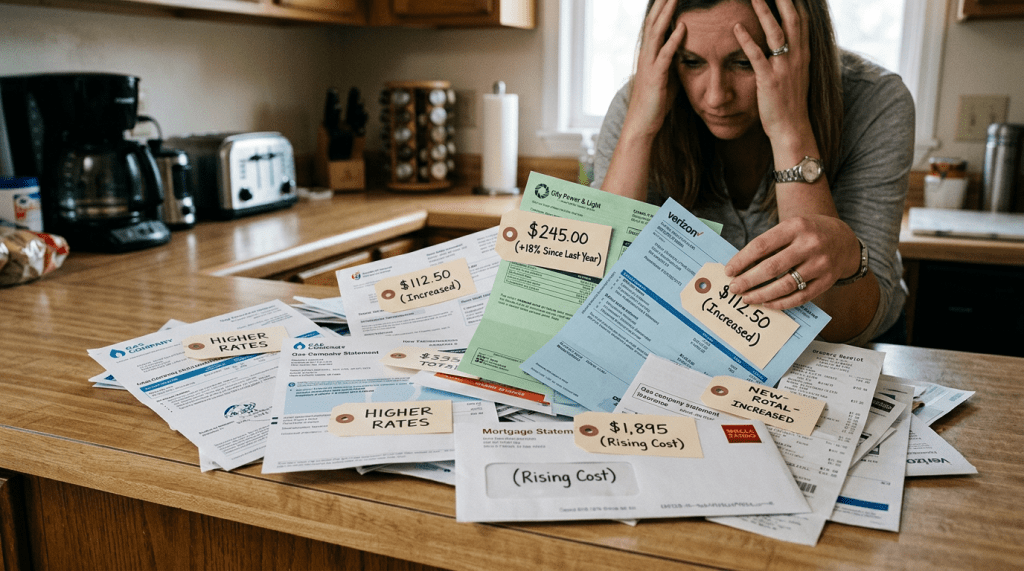
I see Trump’s latest tariff threats as political moves dressed up as strategy, ignoring clear evidence. Higher prices hit consumers, supply chains get backed up, and the GOP’s “average American” story rings hollow. Delays and carve-outs won’t stop the fallout, expect inflation in home materials, medicine, and more.

 Blue Press Journal