Tag: finance

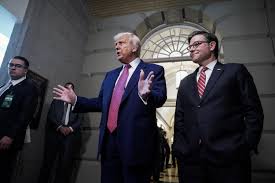
  • Rising Costs: Inflation Expected to Surge Amid Trump Tariff Increases

    A recent surge in prices across various sectors has economists warning of a significant increase in inflation, with President Donald Trump’s tariffs expected to further fuel the trend. According to the latest data from the U.S. Bureau of Labor Statistics, prices have been rising steadily through the end of May, with some sectors experiencing substantial hikes.

    Food prices have increased by 2.9% overall, with meats, poultry, fish, and eggs leading the way with a 6.1% jump. Electricity costs have also risen by 4.5%, while rents have climbed 3.8%. Auto insurance premiums have seen one of the largest increases, soaring by 7% through May.

    The current inflation rate stands at 2.4%, but economists predict that the next report, due to be released on Tuesday, will show a significant uptick in price increases. Some forecasts suggest that inflation could jump to 2.7% in the upcoming report, marking a substantial increase from the current rate.

    The impending implementation of President Trump’s tariffs is expected to contribute to the rising inflation, as businesses pass on the increased costs to consumers. The tariffs, which are set to take full effect in the coming months, are likely to lead to higher prices for a wide range of goods and services, further exacerbating the inflationary trend.

    The impact of rising inflation could be felt across the economy, with consumers facing higher costs for everyday essentials and businesses facing increased pressure to maintain profit margins. As the inflation rate continues to climb, policymakers will be closely watching the situation, weighing the need to balance economic growth with the risk of unchecked price increases.

    The upcoming report on Tuesday is expected to provide further insight into the state of inflation, and economists will be closely analyzing the data to gauge the impact of the tariffs and other factors on the economy. With prices already on the rise, consumers and businesses alike will be bracing for the potential consequences of a substantial increase in inflation.
  • Republicans are Undermining Government Accountability in Pursuit of Tax Cuts for the Wealthy

    Congressional Republicans have consistently voiced their commitment to a more efficient, cost-effective, and accountable federal government. However, a closer look at their proposed budget cuts reveals a potential contradiction that could ultimately harm American taxpayers. 

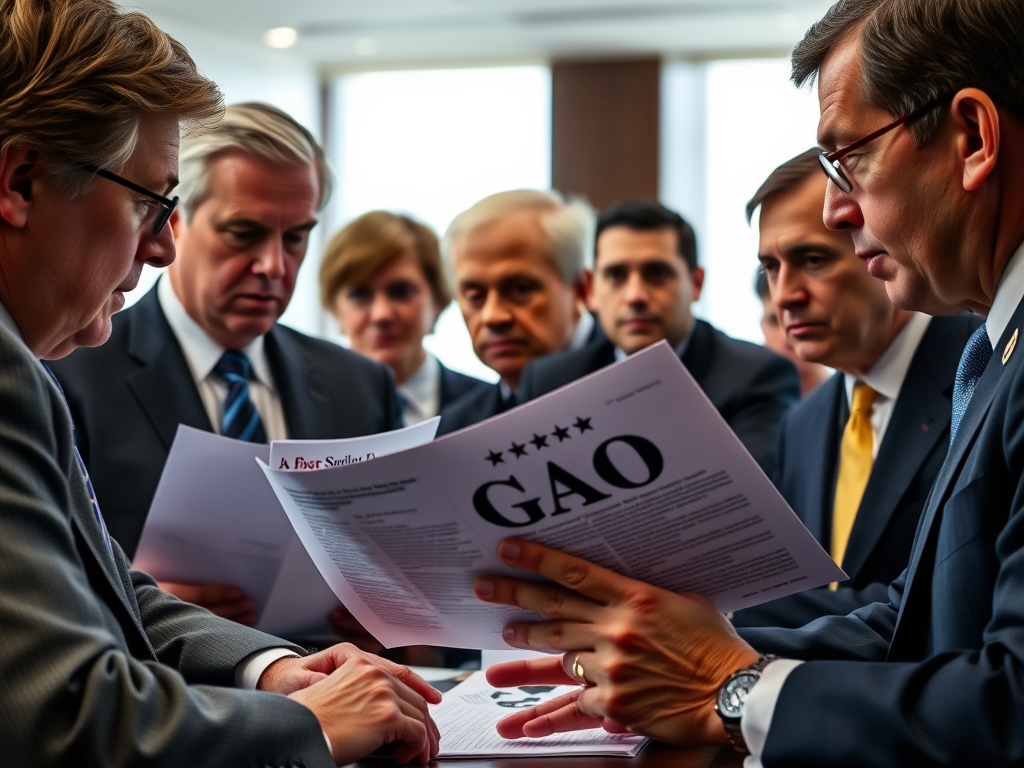
    As part of the FY2026 Legislative Branch funding bill, Republicans are pushing for a dramatic $396 million cut to the Government Accountability Office (GAO), the independent investigative arm of Congress. This represents a staggering 49% reduction in the GAO’s budget, potentially leading to the elimination of over 2,200 of its roughly 3,500 employees.

    This proposed cut raises serious questions about the true intent behind Republican rhetoric on government accountability. The GAO plays a crucial role in identifying waste, fraud, and abuse within federal agencies. By conducting rigorous, non-partisan audits and investigations, the GAO helps Congress and the public understand how taxpayer dollars are being spent and identify areas for improvement.

    Democrats argue that decimating the GAO’s workforce would leave only “skeletal staffing,” severely hindering its ability to effectively monitor government spending. This could result in federal taxpayers losing out on potentially tens or hundreds of billions of dollars in savings, which the GAO routinely identifies through its investigations.

    The proposed cuts have sparked accusations that Republicans are prioritizing tax cuts for wealthy individuals at the expense of average American taxpayers. By weakening the GAO, they argue, Republicans are essentially removing a key watchdog that helps ensure responsible use of taxpayer money. This lack of oversight could lead to increased waste and mismanagement, ultimately burdening American families with higher costs and fewer essential services.

    It remains to be seen whether these proposed cuts will ultimately be enacted. However, the debate surrounding the GAO’s funding highlights a fundamental tension between Republican promises of fiscal responsibility and their willingness to potentially undermine a crucial institution dedicated to promoting government accountability. As the budget process moves forward, it is vital for lawmakers to carefully consider the potential consequences of these cuts and prioritize the responsible stewardship of taxpayer dollars.

  • A Budget That Favors the Few: How the Republican Plan Could Strain Average Taxpayers and Vital Programs

    A recently proposed Senate Republican budget bill is facing scrutiny, with critics arguing that its core provisions disproportionately benefit the wealthy while potentially placing a heavier burden on average American taxpayers and essential social programs. At the heart of the debate is a plan to extend existing tax cuts, a move estimated to cost a staggering $2.4 trillion through 2030.

    The concern for many is not just the sheer cost of these extensions, but how Republicans intend to finance them. Reports suggest that a significant portion of the funding might be sought through deep cuts to vital programs like Medicaid and federal food assistance, commonly known as SNAP. This approach raises a critical question: will the benefits of extended tax cuts for the highest earners come at the expense of those who rely on these safety net programs to survive?

    For average taxpayers, the implications are multifaceted. If the proposed cuts to social programs materialize, it could lead to a reduction in essential services that millions of Americans depend on for healthcare, nutrition, and overall well-being. This, combined with the continued preferential tax treatment for the well-off, could exacerbate existing economic inequalities. All this without any real tax relief for the average American.

    The current tax cuts, largely characterized by their reduction of rates for corporations and high-income earners, are slated to expire. The Republican proposal aims to make these reductions permanent, not just extending them into the next decade but ensuring they remain in place for the foreseeable future. This indefinite extension for the wealthiest individuals and corporations means a sustained lower tax liability for those at the top of the economic ladder.

    Democrats argue that failing to allow these tax cuts to expire, especially when paired with proposed cuts to social programs, represents a fiscally irresponsible approach that prioritizes the financial well-being of a select few over the broader needs of the nation. The argument is that by permanently lowering taxes for the wealthy, the government foregoes significant revenue that could be used to strengthen programs that support working families, invest in infrastructure, or reduce the national debt in a more equitable manner.

    As the debate over the Republican budget bill continues, the focus remains on its distributional impact. Will this budget truly serve the interests of all Americans, or will it further cement a system where the benefits accrue to the top, while the burden of fiscal adjustments falls disproportionately on those who can least afford it? The answer, for many, lies in whether the proposed extensions are truly sustainable and equitable for the average taxpayer and the future of crucial social support systems.

  • Impact of GOP Budget Bill on U.S. Debt: A $3.8 Trillion Concern

    The recent passage of the Republican budget bill vote, passed under cover of a late night vote, has raised significant concerns about the future of U.S. debt levels, with several analyses suggesting a troubling trajectory. Over the next decade, this GOP bill could potentially cost the nation a staggering $3.8 trillion, as highlighted in a report earlier this month by the Joint Committee on Taxation. This report meticulously examined the implications of the proposed tax measures in comparison to spending cuts.

    Wall Street is already feeling the tremors of these risks. On Friday, Moody’s Ratings downgraded the nation’s debt, citing the likelihood that the new bill could add an alarming $4 trillion to the federal primary deficit—excluding interest payments—over the next ten years. Economists and policy experts alike warn that this surge in debt could ultimately constrain federal spending, as the U.S. would likely face escalating interest payments. Such a scenario could jeopardize funding for essential programs like Social Security, which is already under strain as baby boomers reach retirement age. Additionally, it could hinder investments in critical infrastructure initiatives that are vital for stimulating economic growth.

    While the bill does propose some spending cuts, recent analyses indicate that these reductions are insufficient to counterbalance the extensive tax breaks. The nonpartisan Bipartisan Policy Center estimated in a May 14 analysis that the tax cuts would amount to a staggering $7.7 trillion over the next decade, while the proposed spending cuts would only offset $3.9 trillion during the same period. This results in a significant shortfall of $3.8 trillion—an arithmetic reality that prompted Moody’s to downgrade its rating on U.S. debt from the highest tier of Aaa to Aa1.

    Moreover, the implications of the proposed GOP bill raise significant concerns for the lowest-income Americans. According to a May 19 analysis from the Penn Wharton Budget Model, a research group at the University of Pennsylvania that evaluates the fiscal impact of public policies, the bottom 20% of earners—despite potential savings from tax cuts—will face a $1,035 reduction in 2026 when the cuts to Medicaid and other programs are taken into account, affecting middle class earners.

    Just remember, Trump has sent a wave of bankruptcy crashing through several of his businesses, and now, against all odds, MAGA has handed over the country’s checkbook to him. God help us all!