Tag: food costs

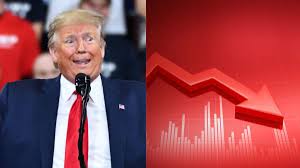
  • Trump’s Economic Policies Are Costing American Families Thousands – The Numbers Don’t Lie

    In Response to todays Trump News Conference

    Blue Press Journal – While former President Donald Trump made headlines with bizarre distractions like his public musings about buying Greenland, the real story for American households was happening in their wallets. A new congressional analysis reveals that under Trump’s leadership, U.S. families faced sharp increases in the cost of living, directly tied to his economic agenda and trade strategies. 

    According to a recent report from the Joint Economic Committee (JEC), the average U.S. household paid $1,625 more in 2025 for everyday essentials. These rising costs were not random — they were the result of Trump’s tariffs, housing market pressures, and broader economic mismanagement (Joint Economic Committee, 2025). 

    The Real Impact: Higher Prices for Housing, Transportation, and Groceries

    Breaking down the numbers, the JEC found that housing expenses rose by an average of $323 per family, transportation costs climbed by $241, and grocery bills surged across the country. For residents of states like Alaska, Connecticut, Massachusetts, and New York, the hit was even harder — more than $2,000 in additional annual costs. 

    The cause? Trump’s tariff-heavy trade policy, which he claimed would punish foreign exporters but in practice acted as a hidden tax on American consumers. Independent economic analyses, including research from the Center for American Progress, confirm that U.S. businesses and families bore nearly the entire cost of these tariffs (CAP, 2025). 

    The Inflation Reality Check

    Trump has repeatedly boasted that he “ended inflation” and claimed prices are falling. The data tells a different story. In December 2025, inflation was still running at 2.7% year-over-year, with prices continuing to climb month to month (CNN Fact Check). For working families, this meant that paychecks stretched less, and basic necessities became more expensive — despite the White House’s rosy rhetoric. 

    Economic Uncertainty Hurts Families

    Economists warn that tariffs not only raise consumer prices but also create uncertainty for businesses, slowing investment and job growth. This uncertainty compounds the financial strain on households, particularly in industries reliant on global supply chains. 

    Senator Maggie Hassan (D-NH) criticized the administration’s “reckless” economic approach, pointing out that tariffs, higher healthcare costs, and policy unpredictability have all contributed to the squeeze on American families. 

    The Takeaway: The “Greatest Economy” Myth

    Trump’s claims of delivering “the greatest first year in history” simply don’t match the lived reality of American families. The hard truth is that his economic policies functioned as a tax on the middle class, without delivering the promised benefits. 

  • The Unaffordability Crisis: How Trump’s Economic Policies are Hurting Americans

    Blue Press Journal – The current state of the economy has left many Americans struggling to make ends meet. The rising costs of everyday essentials like beef, bananas, insurance, and healthcare have become a pressing concern for voters. According to experts, the root cause of this unaffordability crisis can be attributed to Donald Trump’s economic policies, particularly his imposition of tariffs on imported products.

    The most urgent issue in politics is how it affects voters’ finances,” said a prominent economist, highlighting the gravity of the situation. As prices continue to soar, many are finding it increasingly difficult to afford the basics. The Trump’s blame on Biden is attempting to shift the responsibility to his predecessor is just childish.

    However, this strategy is being called out as “nonsensical” by critics, who argue that Trump’s policies are the primary driver of the current economic woes. The tariffs imposed by Trump on imported goods have led to a significant increase in prices, making it even harder for Americans to afford the things they need.

    It’s clear that the effects of Trump’s so-called Big Beautiful Bill are not paying off,” warned a leading economic analyst. “If the situation doesn’t improve, it could spell serious trouble for Republicans in the 2026 midterms.” As the economy continues to struggle, it’s becoming increasingly evident that Trump’s economic policies are to blame. Let’s not to forget the republican congress has been fully supportive of.

    The impact of these policies is felt nationwide, with many Americans struggling to make ends meet. As one citizen put it, “I just can’t afford the things I need anymore. Everything is getting more expensive, and my paycheck isn’t going as far.” This sentiment is echoed by countless others feeling the pinch of Trump’s economic policies.

  • Trump’s first week major decision … Golf or the Economy?

    Trump’s presidential campaign incessantly complained about inflation and rising food costs, pointing the finger at former President Joe Biden for the soaring grocery prices. The majority of voters made it clear that the economy was a key factor in the 2024 election, if not the most important one. “First and foremost, we need to provide economic relief to our citizens,” Trump declared at the Republican National Convention in July. “From Day 1, we will work to lower prices and make America affordable again. Because let’s face it, it’s not affordable right now. People can’t survive like this.”

    However, it seems like none of his initial orders actually address food prices or inflation. So, what exactly is he doing?

    Oh, just playing golf.

    President Donald Trump decided to hit the golf course on Monday, despite telling reporters on Air Force One that he would be too busy to play at the beginning of the week. Images of the president enjoying a round at his Doral golf club in Miami were shared by Fox News correspondent Aishah Hasnie. This leisurely outing may just help Trump surpass the number of rounds he played during his first term – a whopping 289 rounds that cost taxpayers at least $150 million for travel and security. But hey, who needs to worry about the economy when there’s golf to be played, right?