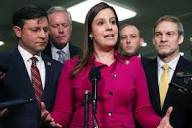
Tag: GOP

  • Washington Chaos: Why the GOP’s Gridlock is Costing Taxpayers Dear

    BLUE PRESS JOURNAL – As the holiday decorations come down, the political climate in Washington is heating up. While American families are trying to plan their year, the Congressional GOP, the Senate, and the Trump administration (whose influence remains heavy within the party) are once again steering the country toward a fiscal cliff.

    If you are a taxpayer, you should be worried. Not because of political tribalism, but because the cost of this incompetence is measured in billions of wasted dollars and economic instability.

    Here is why the current dysfunction is a raw deal for the American taxpayer.

    1. The High Cost of Political Brinkmanship

    The most immediate threat is another government shutdown. Following a contentious health care debate and a two-week holiday recess, the House legislative calendar is dangerously thin.

    As it stands, lawmakers have passed only three of the 12 appropriations bills required to fund the government. With the January 30 deadline looming, they have barely any time left to finish the job.

    Why does this matter to your wallet? Every time Republicans force a shutdown showdown to score political points, the American economy pays a price. According to an analysis by S&P Global, the 2018 shutdown alone cost the U.S. economy $6 billion—far more than the savings from the shutdown itself. That is money that evaporated from the economy, lost productivity, and wasted government resources. By dragging their feet and creating artificial crises, the GOP is risking your tax dollars on a game of chicken.

    2. Health Care Instability and the Broken Promises

    The House GOP is currently paralyzed by a civil war over health care subsidies. Specifically, subsidies for the Affordable Care Act (ACA) are set to expire at the end of the month.

    The chaos is so bad that four Republican lawmakers broke ranks to sign a discharge petition to force a vote on a three-year extension of these subsidies, bypassing their own leadership.

    The instability caused by this hesitation directly impacts taxpayers. If these subsidies expire, premiums will skyrocket for millions of Americans. Furthermore, this uncertainty wreaks havoc on the insurance markets. When the government creates artificial scarcity and uncertainty, it drives up costs for everyone—including the federal government, which ultimately has to step in to mitigate the damage. The GOP’s inability to govern effectively puts the financial health of American families at risk.

    3. Democrats are Forced to Play Hardball

    The situation has become so toxic that Democrats are preparing to use the January 30 funding deadline as leverage. If the GOP fails to resolve the subsidy issue before the funding deadline, Democrats plan to oppose any funding package that doesn’t address the issue.

    This is a recipe for a total government shutdown. The Republicans control the White House and both chambers of Congress, yet they cannot unite to keep the lights on or keep insurance premiums stable. By failing to lead, they are forcing a showdown that will inevitably result in wasted taxpayer money on “stopgap measures” and emergency funding.

    The Bottom Line

    The Congressional GOP, Senate leadership, and the lingering influence of the Trump administration are proving once again that they are incapable of managing the basic duties of governance. From threatening shutdowns that cost billions to creating chaos in the healthcare market, their dysfunction is expensive.

    American taxpayers deserve a government that works, not one that holds the economy hostage every few weeks.

  • Frustration Mounts Among GOP Senators Over Trump’s Russia Stance

    Blue Press Journal – A growing number of Senate Republicans are expressing frustration and disillusionment with President Trump’s approach to Russia, particularly his reluctance to impose tough sanctions on the country. The president’s stance has led to a stalemate over bipartisan legislation aimed at punishing Russia for its actions in Ukraine.

    At the heart of the issue is Trump’s insistence that all NATO countries must agree to stop buying Russian oil before the US moves forward with sanctions. However, this demand is seen as unrealistic, given the strong trade relationships between Russia and certain NATO member countries, such as Hungary and Turkey.

    One anonymous Republican senator voiced frustration with Trump’s “love affair” with Russian President Vladimir Putin, citing the president’s recent red-carpet welcome of Putin at a US military base in Alaska. The senator also criticized Vice President Vance’s comments defending Putin’s approach to peace negotiations.

    The senator’s comments come as Russia launched a massive drone and missile attack against Ukraine last week, marking the largest aerial barrage of the three-and-a-half-year war. This escalation has only added to the sense of urgency among lawmakers to take action against Russia.

    Senators Lindsey Graham and Thom Tillis, both Republicans, are leading the charge to pass the Sanctioning Russia Act of 2025. Graham and Rep. Brian Fitzpatrick, the lead Republican sponsors of the bill, plan to push for its inclusion in the continuing resolution that must pass by September 30 to avoid a government shutdown.

    Tillis expressed disbelief over the lack of progress on sanctions legislation, arguing that passing the bill would send a strong signal to Russia. “It’s irrational to me to think it would not raise the awareness on Putin’s part that the Senate has spoken,” he said. “Why on earth we’re not taking it up, I don’t see the strategic advantage of that.”

    As the situation in Ukraine continues to deteriorate, Senate Republicans are growing increasingly impatient with Trump’s approach to Russia. With the deadline for passing the continuing resolution looming, lawmakers are facing a critical test of their ability to work together to address the crisis in Ukraine and hold Russia accountable for its actions.

  • Critics Point to Lack of Leadership as Trump Administration’s Defense Strategy Under Fire

    While the Trump Administration often touts its unwavering commitment to a powerful national defense and a formidable military, internal assessments and expert analyses starkly reveal a troubling chasm between its grandiose rhetoric and the harsh reality of its long-term strategic vision and budgetary commitments. This alarming absence of decisive leadership from the White House, especially regarding the critical stance on our nation’s defense posture, has ignited fervent criticism and raised urgent questions about our security future.

    A key source of concern stems from the administration’s proposed $1 trillion defense budget for 2026. While the headline figure is substantial, critics argue that the White House is failing to account for the impact of inflation. When adjusted for rising costs, the proposed budget actually represents a cut, rather than an increase, in real spending power. This trend, if left unaddressed and without consistent annual GOP legislative support – could see defense spending dwindle to approximately 2.65 percent of the U.S. economy by the close of Trump’s term in 2029. Such a level is tellingly comparable to the very European defense spending figures that Mr. Trump has previously condemned as “pathetic.”

    The administration’s approach to shipbuilding offers another stark illustration of perceived inadequacy. Despite a stated goal to deter China, the U.S. Navy fleet is reportedly 60 ships short of its operational target. Yet, the Trump 2026 budget request proposes funding for a mere three new U.S. Navy ships. While a separate GOP budget bill includes provisions for an additional 16 ships, experts warn that this piecemeal approach hinders long-term strategic planning. As one expert noted, “No contractor puts up long-term capital to expand production for a one-year plan,” underscoring the need for consistent, multi-year commitments to rebuild the fleet effectively.

    The critical area of submarine production faces similar challenges. To meet both domestic requirements and fulfill commitments like providing submarine parts to Australia, the U.S. needs to produce 2.33 new attack submarines annually. Currently, production rates sit at a concerning 1.1 submarines per year, falling significantly short of demand.

    While Congress has shown a readiness to step in and “fill some of the Trump defense potholes,” as one assessment insightfully notes, the overwhelming view among defense analysts is that revitalizing the U.S. military demands unwavering and bold leadership from the White House. Critics assert that to date, “Mr. Trump isn’t supplying it,” which leaves our nation’s defense strategy not just vulnerable, but painfully under-resourced in critical domains.

  • States Face Significant Challenges from House GOP Medicaid Plan

    **States Face Significant Challenges from House GOP Medicaid Plan**

    The proposed Medicaid plan by the House GOP is poised to place a heavy burden on states as they seek to cut budgets to finance tax reductions for millionaires and billionaires.

    The new mandates outlined in the proposed legislation are likely to compel states to either overhaul their financing strategies for Medicaid programs or reduce benefits significantly. As the GOP unveils key provisions of its party-line domestic policy megabill, concerns are mounting that millions may be left without coverage.

    Among the health provisions included in the plan are new work requirements that could result in many individuals losing their health insurance. Additionally, a new cost-sharing requirement for certain beneficiaries is set to be introduced, capping their contributions at no more than five percent of their income.

    The Energy and Commerce Committee’s proposal also addresses contentious social issues, such as the recommendation to cut federal funding for organizations like Planned Parenthood. This committee has been tasked with identifying $880 billion in savings to help finance a substantial portion of the GOP’s tax cut and extension package.

    Preliminary estimates released by the Congressional Budget Office indicate that if the health-related components of this package were enacted, over 8.6 million individuals could become uninsured, with cuts totaling at least $715 billion.

    Rep. Frank Pallone (D-N.J.), the leading Democrat on the Energy and Commerce Committee, criticized the bill, stating, “Republican leadership released this bill under cover of night because they don’t want people to know their true intentions. Taking health care away from children, mothers, seniors in nursing homes, and individuals with disabilities to provide tax breaks for those who do not need them is shameful.”

    As this situation unfolds, the implications for state budgets and the health coverage of millions remain a pressing concern.

    Also see: Republicans Unveil Medicaid Cuts For ‘Big, Beautiful Bill

  • The Cost of GOP Tax Cuts: Medicaid Cuts Will Hurt Millions

    GOP is pushing for the poor to shoulder more burdens for Medicaid just so they can funnel tax cuts to the wealthy elite.

    The GOP is proposing a plan that would force low-income Americans to pay more for healthcare so that the wealthy can receive tax cuts. Congressional Republicans are considering a highly regressive proposal to increase Medicaid premiums and copays in order to offset the cost of tax breaks for the rich. This means that the Republican bill will ultimately cut healthcare for children, seniors, Americans with disabilities, and working families.

    Another harmful option being considered by the GOP is implementing work requirements for Medicaid recipients, despite evidence showing that such requirements do little to increase employment and only make it harder for eligible individuals to receive benefits. It is clear that Republicans are using deceptive tactics to push through a reckless plan that will hurt millions of Americans.

    The Republican plan to provide handouts to billionaires and corporations will come at a significant cost, including kicking millions of Americans off their health insurance, raising the cost of living through tariffs, and increasing child hunger.

    Cuts to Medicaid also pose a threat to hospitals, nursing homes, and safety-net providers nationwide, with many providers relying heavily on Medicaid funding for their operations.

    It is unconscionable that the GOP is willing to sacrifice the health and well-being of millions of Americans in order to benefit the wealthy. The consequences of their actions will be devastating, leading to closures of hospitals and providers in rural and underserved areas. It is time to hold Republicans accountable for their harmful policies and prioritize the needs of all Americans.