Tag: health

  • RFK Jr.’s Vaccine Guidance Delays: Consequences for Public Health

    Until recently, many people may not have been familiar with the Advisory Committee on Immunization Practices (ACIP), the vaccine advisory panel of the Centers for Disease Control and Prevention (CDC). ACIP is essential in deciding which vaccines are administered to both children and adults, what insurance will cover, and which vaccines will be provided free of charge to millions of low-income children. Consequently, the panel’s decisions have a profound impact on the health of all Americans, with some choices potentially determining life or death.

    Recently, Robert F. Kennedy Jr. took the extraordinary step of dismissing all 17 members of ACIP. Just two days later, he announced eight individuals he has selected to replace them. One of the newly appointed members, Vicky Pebsworth, has a background with the National Vaccine Information Center, an anti-vaccine organization. Her appointed raising clear questions on both qualifications and conflict of interests.

    Kennedy’s actions can be likened to a scenario where all air traffic controllers in the United States are abruptly fired and replaced by individuals who not only lack expertise in air traffic control but also harbor skepticism about flying itself. This analogy underscores the gravity of the situation.

    As of last week, the panel has yet to recommend a Covid-19 vaccine for the upcoming fall season. This lack of guidance is concerning as doctors rely on ACIP’s recommendations to order vaccines in a timely manner. The delay could lead to challenges in getting the necessary shots to those who need them, resulting in unnecessary hospitalizations and even potential fatalities. Rural family medicine practitioners, in particular, may find it difficult to stock vaccines, especially given the financial pressures they face.

    Members of ACIP convene at least three times a year to review scientific data on vaccines and establish recommendations for various age groups. If the CDC endorses ACIP’s recommendations, a vaccine may officially become part of the immunization schedule for both children and adults. For the average American, this could mean facing out-of-pocket expenses for crucial vaccines if their insurance only covers those recommended by ACIP. With rising costs for essentials like gas and groceries, this additional financial burden could be overwhelming.

    Ultimately, the choices made by RFK Jr. could result in tragic, preventable deaths, underscoring the urgent and vital necessity for informed, responsible leadership in vaccine policy.
  • GOP Views on Healthcare: A Reality Check – Medicaid

    Many observers believe the Republican Party fundamentally misunderstands the healthcare challenges facing everyday Americans. This can make it difficult to comprehend why voters, particularly those in need of support, continue to elect them, especially after hearing statements like the one from Senate Majority Leader John Thune.

    Senator Thune remarked, “the best healthcare is a job…

    This perspective strikes critics as out of touch with the current economic landscape. It seems unlikely that someone benefiting from generous, taxpayer-funded healthcare fully grasps the reality for millions. The truth is, an increasing number of jobs, particularly contract positions, offer no health coverage. Even jobs that do offer insurance often provide plans with sky-high costs and limited benefits. This isn’t just bad luck; many see it as a result of corporations prioritizing profits over employee well-being.

    The vital role programs like Medicaid. Medicaid is a lifeline for the elderly, low-wage workers, and a critical support for rural hospitals, often serving populations with limited other options.

    Adding to the perception of a disconnect, other GOP statements have caused controversy, such as Sen. Joni Ernst’s reported comment at a town hall that “we are all going to die.” Critics find such remarks dismissive or lacking in appropriate context.

    It’s a striking paradox that states and communities most reliant on programs like Medicaid often lean heavily Republican or MAGA in their voting patterns. They are the ones who most need government assistance, yet they support the party that often seeks to reduce it. This discrepancy between rhetoric, policy, and the needs of their own constituents is a source of confusion and frustration for many.

  • Robert F. Kennedy Jr.’s Impact on Vaccine Policy: Negative

    Once again, Robert F. Kennedy Jr. is allowing his personal, unproven anti-vaccine views to influence medical policy within the U.S. Department of Health and Human Services (HHS). He is creating new obstacles that will make it more difficult for people who want vaccinations to access them. 

    Recently, Kennedy bypassed the usual procedures to change recommendations regarding COVID-19 vaccinations. Additionally, he canceled hundreds of millions of dollars in pledged funding to Moderna, the mRNA vaccine developer, which was intended for developing, testing, and purchasing vaccines for pandemic influenza. Kennedy has been openly critical of mRNA vaccines, and HHS confirmed that the funding was withdrawn.

    Kennedy has a longstanding history of opposing vaccines. In 2021, he petitioned the Food and Drug Administration (FDA) to revoke the emergency use authorizations of COVID-19 vaccines and threatened legal action if the agency continued to approve them.

    “We’re witnessing a complete circumvention of the nation’s leading public health agency,” said Richard Besser, former acting director of the CDC and president of the Robert Wood Johnson Foundation.

    It’s important to recall Kennedy’s role during the measles outbreak, when cases surged past 700 and a second young child died in Texas from measles. Despite the availability of a safe and effective vaccine to prevent such outcomes, Kennedy’s vaccine skepticism has contributed to declining vaccination rates.

    Furthermore, Kennedy has not implemented other recommendations from the CDC’s vaccine advisory panel, including the introduction of a new meningitis vaccine and expanding RSV vaccine eligibility to high-risk adults aged 50 to 59.

    The vaccine advisory panel is not scheduled to vote on COVID-19 vaccine recommendations until late June, potentially causing delays for manufacturers in preparing vaccines for the upcoming fall season.

    Many warned former President Trump against appointing Robert F. Kennedy Jr., cautioning about his controversial views. However, it appears that Kennedy’s public support for Trump’s presidency was linked to promises of him being appointed to HHS.

  • Dr. Casey Means for Surgeon General: Can it get any crazier?

    Just when we thought Trump’s picks for his administration couldn’t get any crazier, in walks his Surgeon General, Dr. Casey Means. Her academic achievements include dropping out of a medical residency in otolaryngology, and her medical license is currently inactive according to Oregon medical board records. Dr. Casey Means has been known to promote the idea that chronic disease is caused by diet and lifestyle choices, a theory that seems to align with Health and Human Services Secretary Robert F. Kennedy Jr.’s talking points.

    Her life’s work supposedly includes co-founding Levels, a business that claims to sell glucose monitors, co-writing the book Good Energy: The Surprising Connection Between Metabolism and Limitless Health, and promoting an eight-day online course on metabolic health, but one might wonder if these ventures truly deliver on their promises.

    In her various speaking engagements, Dr. Casey Means emphasizes the importance of metabolic health, a topic that excites many alternative health practitioners. She has even claimed that “the universe” speaks to her and that people can “manifest” their desires by writing them down. Perhaps she believes the body is just a “radio receiver” for divine messages, as she wrote in a newsletter from October 2024.

    Dr. Casey Means’s tendency to make statements about medicine and health that lack scientific backing is concerning. Her preferred treatment method, functional medicine, is not a recognized medical specialty and often involves unnecessary tests and unproven supplement regimens.

    It’s becoming increasingly clear that Trump may not have a clue what he’s doing. With his age and lifestyle (hello, daily Big Macs), it seems like he’s lost touch with reality and is showing his advanced years. It appears that his habit of watching TV and selecting cabinet members based on their on-screen appearances has left America with some of the most bizarre choices for our government. It’s starting to feel like we’re stuck in a really bad reality TV show.

  • Medicaid Cuts: What They Mean for Health Services in America

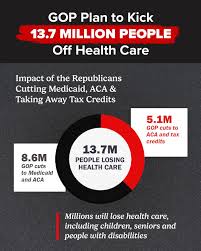
    With the ongoing political discourse surrounding Medicaid and the GOP’s commitment to a reduction of $880 billion from the program, it is essential to comprehend the intricacies of the program, its operational framework, and its significance to the American populace.

    Medicaid is a joint federal-state program that provides health coverage to millions of low-income Americans, including children, pregnant women, elderly adults, and people with disabilities. As a critical safety net, Medicaid plays a vital role in ensuring access to healthcare services for some of the nation’s most vulnerable populations.

    Understanding Medicaid

    Medicaid was established in 1965 under the Social Security Act as a partnership between the federal government and individual states. The program is designed to provide healthcare services to specific groups of low-income individuals who might otherwise struggle to afford coverage. While the federal government sets minimum guidelines for eligibility, enrollment, and services, states have the flexibility to tailor their programs to meet local needs and preferences.

    Medicaid’s Impact on Individuals

    For millions of Americans, Medicaid is a lifeline that provides access to essential healthcare services. The program covers a broad range of services, including:

    1. Inpatient and outpatient hospital services
    2. Physician and nursing services
    3. Laboratory and X-ray services
    4. Family planning and maternity care
    5. Mental health and substance use disorder treatment
    6. Transportation to medical appointments
    7. Home health services
    8. Rehabilitative services and devices
    9. Dental and vision care
    10. Non-emergency medical transportation

    Medicaid’s Role in Supporting Hospitals

    Medicaid is not only crucial for the individuals it serves but also plays a significant role in supporting the financial stability of hospitals and healthcare systems. Medicaid reimbursements help hospitals cover the cost of care for low-income patients, ensuring that essential services remain available to all who need them.

    1. Financial Assistance: Medicaid reimbursements help hospitals offset the costs of providing uncompensated care to uninsured or underinsured patients.
    2. Safety Net: Medicaid serves as a safety net for hospitals, particularly those in low-income areas, by providing a stable source of funding for essential services.
    3. Preventive Care: By covering preventive care services, Medicaid helps reduce the need for more costly interventions and hospitalizations down the line.
    4. Rural Health: Medicaid is vital for ensuring access to healthcare services in rural areas, where hospitals often struggle to remain financially viable due to lower patient volumes and higher rates of uninsured individuals.

    Medicaid is a critical safety net program that provides essential healthcare services to millions of low-income Americans. By supporting both individuals and hospitals, Medicaid plays a vital role in promoting health equity, ensuring access to care, and maintaining the financial stability of healthcare systems.

  • Trump ousted crucial aviation safety officials on day one

    It raises significant concerns that President Donald Trump dismissed multiple officials who could have been responsible for examining the crash involving a passenger jet and a U.S. Army helicopter in Washington, D.C.

    Instead of implementing widespread firings which is more characteristic of a TV show narrative, there should have been a strategic plan in place to gradually introduce new appointments, ensuring that there are no gaps in the critical roles being performed.

    After the departure of top administrator Michael Whitaker due to pressure from Elon Musk, who demanded his resignation in September over proposed fines exceeding $600,000 for SpaceX’s safety violations, it seems the Trump administration is on a firing spree. Trump wasted no time in axing the heads of the Transportation Security Administration and all members of the Aviation Security Advisory Committee on his first day in office.

    Adding insult to injury, the Trump administration sent a mass email to 2.3 million federal employees from the Office of Personnel Management, now filled with Musk cronies, asking them to pledge allegiance to the MAGA mission or take a buyout. Even air traffic controllers, who are already in short supply, received this email reminiscent of the one sent to Twitter employees during Musk’s takeover in 2022.

    It’s clear that Trump and his buddy Musk couldn’t care less about the safety of Americans; their own personal interests take precedence.

  • President Donald Trump increases Medicare Drug costs!!

    On January 20, 2025, President Donald Trump decided to throw a wrench in the works by revoking former President Joe Biden’s executive order 14087. This order was actually trying to do something good – lower the cost of prescription drugs for Americans, especially those on Medicare Part D. But who needs affordable medication, right?

    Let’s take a look at what Biden’s executive order was all about:

    First up, we had the Medicare $2 drug list model. This little gem was meant to keep certain generic drug prices at a measly $2 for Medicare beneficiaries. How dare they try to make medication affordable for those who need it most?

    Then there was the cell and gene therapy access model. This one was all about making high-cost therapies more accessible for Medicaid recipients. Negotiating pricing and facilitating coverage? Outrageous!

    Last but not least, we had the accelerating clinical evidence model. This bad boy was focused on getting effective treatments out there faster by streamlining the evidence-gathering process for new drugs. Who needs efficiency when you can have sky-high drug prices instead?

    In his executive order back in 2022, Biden had the audacity to say that too many Americans struggle to pay for their prescription drugs. Imagine that! Americans paying two to three times more than people in other countries for the same medications? Shocking, I know.

    But fear not, because President Trump is here to save the day! He’s already working hard to make sure drug prices go through the roof, all to keep his billionaire buddies happy. Who cares about the average American struggling to afford their medication when you can cater to the ultra-rich, right?

    So, kudos to Trump for showing us once again where his priorities lie. Who needs affordable healthcare when you can have a president looking out for himself and his wealthy pals? Bravo, Mr. President, bravo.

    Senior citizens who voted for Trump…enjoy your higher drug prices. You got what you voted for!!!

  • No to Vaccine, Crowd Really?

    The rapid development of effective COVID vaccines in less than a year during the pandemic was a groundbreaking achievement in the long history of vaccination. It seemed like we were finally entering an era where we could protect ourselves against infectious diseases.

    But hold on a second! Just when we thought we were making progress, President-elect Donald Trump decides to nominate an antivaccine activist, Robert F. Kennedy Jr., as the top health official in the nation. What could possibly go wrong, right?

    Now, we have infectious disease and public health experts warning us that we might be heading towards deadly epidemics of measles, whooping cough, meningitis, and even polio. All thanks to Kennedy and former House member Dave Weldon potentially leading the Department of Health and Human Services and the Centers for Disease Control and Prevention.

    These two geniuses, Kennedy and Weldon, have decided to endorse debunked theories linking vaccines to autism and other chronic diseases. Because who needs reputable scientific studies when you have these guys spreading misinformation, right? And let’s not forget Weldon’s star appearances in antivaccine films after leaving Congress. Bravo, gentlemen, bravo.

    The president-elect also appeared open to the groundbreaking polio vaccine being “looked at.”