Blue Press Journal – Health care costs in the United States are climbing at an alarming rate — and millions of Americans are feeling the financial strain. According to DCCC Chair Suzan DelBene (D-Wash.), the responsibility lies squarely with House Republicans.
DelBene points out that instead of addressing spiking health care costs with meaningful solutions, House Republicans prioritized massive tax breaks for the wealthiest Americans. Even more concerning, they blocked a floor vote that could have preserved vital health care tax credits, that expired on January 1, 2026.
For families already struggling with medical bills, the expiration of these credits could mean higher premiums, reduced access to care, and increased economic hardship. As the deadline approaches, the debate over who benefits from policy decisions — and who pays the price — is intensifying.
The American public is wide awake and watching! The pivotal question is whether voters will rise up in 2026 to hand control over to Democrats who steadfastly champion the interests of everyday Americans, not the wealthy elite of billionaires and millionaires.
Health Care Premium Hike in 2026: and Republicans Refuse to Act
Blue Press Journal – On January 1, 2026, millions of Americans will face a painful spike in health insurance premiums. This surge is directly tied to the scheduled expiration of the enhanced subsidies under the Affordable Care Act (ACA) — subsidies first expanded under the American Rescue Plan in 2021 and extended through 2025 by the Inflation Reduction Act.
If Congress fails to extend these subsidies, health care costs will rise sharply — and the Republican Party, led by Donald Trump, has made it clear they have no intention of renewing them.
How Much Will Premiums Rise?
According to the Congressional Budget Office and Kaiser Family Foundation analysis, without the enhanced ACA subsidies:
Middle-income families (earning $50,000–$75,000/year) will see average annual premiums increase by $1,200–$2,400 per household.
Older enrollees in their early 60s could see premiums jump by $4,000–$6,000 annually in some states.
Nationally, the average premium for a benchmark silver plan could rise up to 53% for those losing subsidy eligibility.
The number of uninsured Americans could increase by 3–4 million in 2026 alone.
Projected Annual Premium Increases by Income Bracket (when subsidies lapse)
Annual Income (Family of 3)
Avg. Premium Increase (National)
Example State Impact
$35,000 (150% FPL)
$0–$500 (still eligible for some subsidy)
CA: +$300
$55,000 (250% FPL)
+$1,800
TX: +$2,200
$85,000 (400% FPL)
+$4,500
FL: +$5,000
$120,000 (550% FPL)
+$6,600
WY: +$7,200
(FPL = Federal Poverty Level; figures based on KFF and CBO modeling)
Why Enhanced ACA Subsidies Lower Premiums for Everyone
The enhanced subsidies don’t just help those who qualify — they stabilize the entire ACA marketplace:
Risk Pool Balance – More healthy people can afford coverage, which spreads risk and keeps average premiums lower for all enrollees.
Market Competition – Stable enrollment encourages insurers to participate in more counties, increasing competition and slowing price hikes.
Reduced Uncompensated Care – Hospitals face fewer unpaid bills, which indirectly lowers costs for insured patients.
Without these subsidies, healthier middle-income Americans are more likely to drop coverage, leaving sicker, costlier patients in the pool — triggering a premium spiral.
The Republican Stance and Trump’s Position
Despite the clear evidence of harm, Republicans in Congress have opposed making the enhanced subsidies permanent. Donald Trump and GOP lawmakers have repeatedly called for dismantling the ACA framework entirely, reviving repeal rhetoric from 2017. Rather than offering a plan to prevent the 2026 premium spike, many Republicans have characterized the subsidies as “government handouts,” ignoring the reality that they function as a cost-control measure for the entire insured population.
The Bottom Line
The enhanced ACA subsidies are not just a safety net for the poor; they are a brake on runaway premiums for everyone.
The refusal by Republican leadership and Donald Trump to extend them is, in effect, a decision to let costs soar.
Blue Press Journal – In the shadow of Donald Trump’s overpowering political clout and the latest Republican-led tax reforms, notably the infamous “Big Beautiful Bill”—decried by many as a blatant giveaway to the wealthy and corporate titans—the stage is set for an explosive upheaval in healthcare costs across America. Come January 1st, 2026, the repercussions of these policies are expected to send health insurance premiums skyrocketing for middle-class families, while the affluent and corporations bask in billions of dollars in tax cuts. Here’s how these insidious policies threaten to obliterate healthcare affordability for everyday Americans.
The Tax Breaks: A Windfall for the Wealthy and Corporations
The core of the Republican agenda, often labeled as a return to economic deregulation, includes expansive tax cuts for high-income earners and large corporations. These cuts, embedded in policies reminiscent of the 2017 Tax Cuts and Jobs Act (TCJA) under Trump, have effectively slashed corporate tax rates from 35% to 21% and reduced tax liabilities for households and shareholders. While proponents argue these cuts spur investment and job creation, the reality is stark: the government’s coffers are emptier.
With less revenue from the top 1%, the federal government has been forced to target subsidies for low- and middle-income Americans to balance budgets. The Affordable Care Act (ACA) subsidies, which helped over 20 million Americans afford health insurance, are now under threat. According to the Congressional Budget Office (CBO), these subsidy cuts could eliminate $70 billion in annual healthcare assistance, directly translating to steeper premiums for the average taxpayer.
The Subsidy Cuts: Who Bears the Pain?
The Republican-led policies have deliberately dismantled critical healthcare subsidies for average Americans. For example:
Advanced Care Act (ACA) Premium Tax Credits: Many middle-class families who rely on these credits to keep premiums affordable will lose eligibility. A family earning $75,000 annually common middle-class income in many states—might suddenly lose up to 80% of their monthly premium subsidy.
Medicaid Affordability: Caps on insulin subsidies for seniors beneficiaries have been removed, pushing out-of-pocket costs for essential medications into the hundreds per person annually.
Community Health Programs: Cuts to programs like Medicaidaid and community health centers will strain rural and underserved areas, indirectly driving up care costs as hospitals face higher uncompensated care burdens.
The Insurance Cost Crisis: January 1st, 2026
By 2026, the full brunt of these policies will materialize. Here’s what could happen:
Premium Increases for Families: A family of four in a mid-sized city might see their health insurance premiums jump from $1,200/month to $2,100/month. This 75% increase would eclipse wage growth, pushing many families into financial hardship.
Erosion of Cost-Sharing Reductions: Without subsidies, deductive costs and copays will skyrocket. An individual with a $20,000 annual deductible would be unable to afford routine care, let alone emergencies.
Insurance Coverage Gaps: Millions of Americans could “drop off” the system entirely. The Kaiser Family Foundation (KFF) estimates 12 million people could lose health insurance by 2026 due to affordability issues alone.
Example: Consider the Johnson family in Ohio. In 2024, their ACA premium was $300/month with a $50 copay. By 2026, their premium could soar to $850/month, and copays might hit $500 per doctor’s visit. Without savings or employer coverage, this could force them to choose between groceries and medication.
The Winners and Losers
Winners: Corporations and the ultra-wealth. For example, a tech CEO earning $10 million in dividends might save $2 million annually in taxes, while hedge fund managers benefit from lower capital gains rates.
Lovers: The middle class and working families. The average American, already grappling with inflation, now faces a healthcare crisis.
A Call for Accountability
As 2026 looms on the horizon, the yawning abyss between Republican policies and their catastrophic fallout can no longer be ignored. Lavish tax cuts for the wealthy have bloated Wall Street profits and fattened corporate wallets, while Main Street gasps for breath. Meanwhile, the Republicans have scampered off for an early Christmas break, conveniently turning a blind eye to the mess they’ve created. The coming year presents a crucial dilemma: Will Americans passively watch as a rigged system continues to serve the elite 1% at the grave expense of the struggling 99%?
Blue Press Journal – U.S. Senator Bill Cassidy (R-La.) recently introduced a bill that aims to replace the Affordable Care Act (ACA) with a high deductible health plan (HDHP) system. While intended as a means to reduce healthcare costs, this proposal would ultimately harm American consumers and compromise their healthcare needs.
Key Issues with the Cassidy Proposal:
Unaffordable Out-of-Pocket Expenses: HDHPs come with significantly higher deductibles than traditional plans. For individuals, this means spending a substantial amount of money out-of-pocket before insurance kicks in. Under the Cassidy plan, families would need to pay around $13,000 annually for a deductible, making healthcare unaffordable for many middle- and low-income households.
Limited Coverage and Emergency Care Risks: With deductibles so high, many essential healthcare services would be inaccessible for those who can’t afford the upfront costs. This poses significant risks during medical emergencies, where timely treatment is crucial. Delaying or forgoing care due to financial constraints can lead to poorer health outcomes and increased long-term costs.
Increased Premium Instability: HDHPs often come with lower premiums compared to comprehensive plans. However, premium prices would still vary significantly between insurance providers, potentially making it difficult for consumers to compare and choose the best option for their needs. This instability could lead to market disruptions and further exacerbate affordability challenges.
Imperiled Pre-existing Condition Protections: The Cassidy proposal would allow states more flexibility in setting their own health insurance regulations. This could result in some states not protecting individuals with pre-existing conditions, as they were under the ACA. People with chronic illnesses or medical histories would again face discriminatory pricing and coverage denials.
Medicaid Expansion and Funding Concerns: The bill aims to convert Medicaid to a block grant program, which could lead to reduced federal funding for this critical health safety net. As a result, millions of low-income Americans, including children, seniors, and people with disabilities, might lose access to essential healthcare services or face reduced coverage.
Lack of Employer Contributions and Coordination: The Cassidy plan relies heavily on individual purchases, neglecting the crucial role employers play in providing health coverage for their workers. Without mandated employer contributions, more people would be forced to navigate the complex insurance market on their own, increasing administrative burdens and costs.
While Sen. Cassidy’s proposal may intend to reform healthcare, the high deductible account system poses significant threats to the well-being and financial security of Americans. By increasing costs, limiting access to essential care, and potentially undermining pre-existing condition protections and Medicaid, this plan would set the country back on its progress toward a more equitable and sustainable healthcare system.
Blue Press Journal (DC) 12/11/25 – A critical bipartisan opportunity to prevent massive health insurance premium spikes has collapsed in the Senate, as Republicans overwhelmingly rejected a Democratic proposal to extend life-saving Affordable Care Act (ACA) subsidies. Despite growing alarm over the financial fallout for American families, the GOP’s refusal to support a clean, three-year extension has left millions at risk of unaffordable coverage just as enrollment for next year begins.
The Democratic-backed bill, which aimed to continue enhanced subsidies introduced during the pandemic, received 51 votes—just enough to pass under a simple majority if not for the 60-vote threshold required under current Senate rules. Four Republican senators—Susan Collins (R-ME), Lisa Murkowski and Dan Sullivan (R-AK), and Josh Hawley (R-MO)—broke with their party to support the measure. But their bipartisan effort was not enough to overcome unified GOP opposition.
These subsidies have been instrumental in making health insurance affordable for low- and middle-income Americans. Since their expansion, enrollment in ACA plans has surged to record levels, and average premiums have dropped significantly. Without action, those gains are poised to vanish overnight. Experts project that monthly premiums could increase by hundreds of dollars for millions of Americans, particularly those earning just above the poverty line.
The consequences are not hypothetical. For a family of four in a mid-sized city, the loss of subsidies could mean paying an extra $5,000 or more annually for coverage. For many, that burden will force impossible choices: pay for health insurance or afford rent, groceries, or prescription medications.
And yet, the Republican response has been marked by inaction and disarray. While Senate Republicans blocked the Democratic bill, House Republicans remain deeply divided on any alternative solution. There is no unified GOP plan—no proposal with policy details, no cost estimates, no pathway to enactment. Their silence speaks volumes: rather than crafting a solution, the party has chosen political obstruction over human consequence.
This isn’t just about policy disagreements. It’s about priorities. At a moment when Americans are still grappling with the economic aftermath of a pandemic and enduring high costs for essentials like food, gas, and housing, the Republican leadership has decided that protecting working families from skyrocketing health care costs is not worth their support. Their refusal to act, again and again, underscores a broader abandonment of the very constituents they claim to serve.
Make no mistake: the bottom line is clear. Republicans—and Donald Trump, whose influence over the party remains profound—have repeatedly demonstrated that they do not care about the affordability and accessibility of health care for ordinary Americans. They have rejected pragmatic, bipartisan compromise not because of policy concerns, but because of political calculation.
Blue Press Journal – As the calendar pages dwindle, a palpable sense of urgency – and mounting frustration – is spreading through a segment of the House Republican conference. The looming expiration of enhanced ObamaCare tax credits is creating a stark dilemma for moderate Republicans, many of whom fear that a failure to act could have significant, negative repercussions for the party’s slim majority in the crucial 2026 midterm elections.
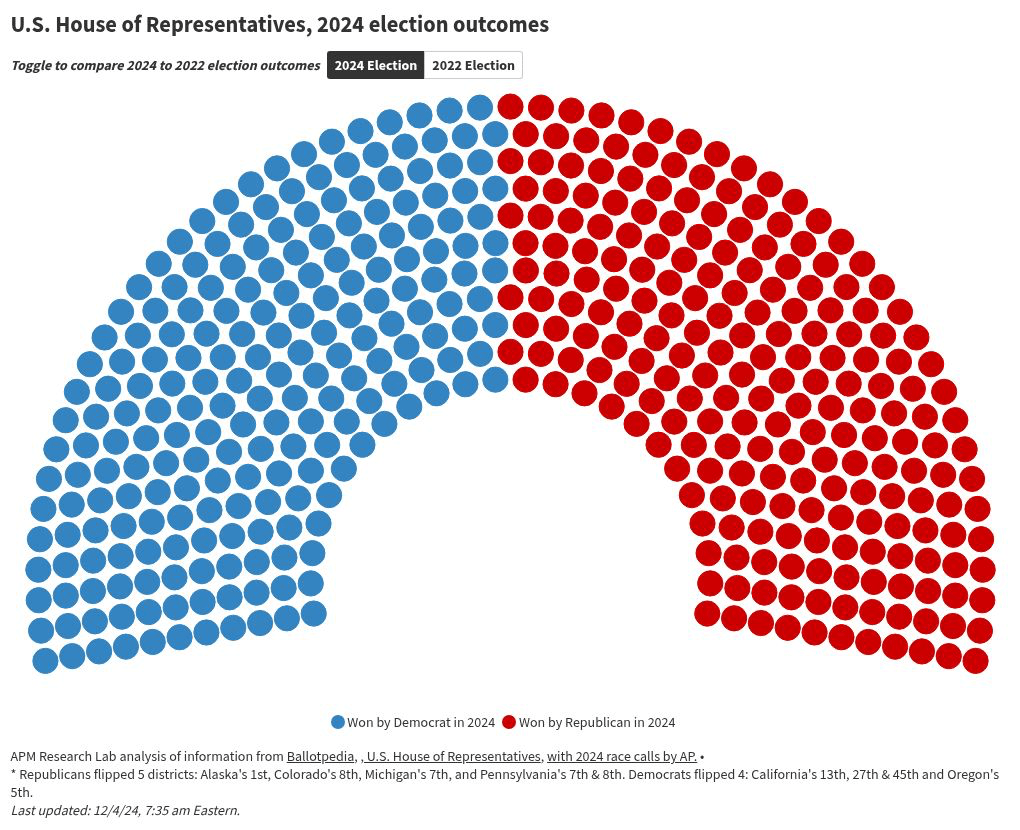
With less than ten legislative days remaining before millions of Americans brace for substantial increases in their health insurance premiums, a vocal group of centrist GOP lawmakers is making a strong case for extending these subsidies. Currently, these credits are a lifeline for over 20 million individuals, making healthcare more affordable. However, their pleas are encountering stiff resistance from Speaker Mike Johnson (R-La.) and a more conservative wing of the party. These members view the subsidies as a fundamental flaw within the Affordable Care Act and are largely opposed to any extension. Republicans currently hold 219 seats while the Democrats have 213.
The path forward is cluttered with competing ideas. Proposals range from one- to two-year extensions, with some attempting to incorporate restrictions like income caps or the elimination of zero-premium plans. Yet, despite these varying approaches, a consensus remains elusive, and none of the proposed plans have secured a commitment for a floor vote.
Leading the charge for a pragmatic solution are Representatives like Don Bacon (R-Neb.), Jeff Hurd (R-Colo.), and Brian Fitzpatrick (R-Pa.), who are advocating for a two-year extension. Simultaneously, a bipartisan framework spearheaded by Representatives Jen Kiggans (R-Va.) and Josh Gottheimer (D-N.J.) has garnered some traction, but has been met with a firm rejection from top Republican leadership.
For these moderate Republicans, the principle of ideological purity is clashing with the realities of effective governance. As Representative Jeff Van Drew (R-N.J.) put it, the current inaction is akin to “buffoonery,” highlighting both the potential political fallout and the very real human cost of allowing healthcare premiums to skyrocket. Others, such as Representative Kevin Kiley (R-Calif.), are emphasizing the broad agreement that exists across different factions to at least pass a temporary fix, thereby averting public anger and protecting vulnerable Republican incumbents.
Even the White House weighed in, proposing a two-year extension that included some conservative-leaning reforms. However, this initiative was quickly withdrawn amidst internal Republican opposition. Speaker Johnson has publicly committed to presenting a leadership-backed plan before the end of the year, but the specifics of this proposal remain shrouded in uncertainty.
As internal Republican party tensions escalate, the clock is relentlessly ticking. The decision made in the coming days – or lack thereof – on extending these vital ObamaCare tax credits will undoubtedly carry significant weight, impacting not only the health and financial well-being of millions of Americans but also the political fortunes of Republican lawmakers fighting for their seats in a challenging electoral landscape.
Blue Press Journal – As the clock ticks down, the GOP is hurtling towards a critical deadline: the expiration of ObamaCare subsidies on December 31. With only 12 legislative days to act, the party is struggling to find a unified stance, leaving millions of Americans facing potential health insurance premium spikes.
President Trump’s recent directive to Congress to refrain from “wasting time and energy” on subsidy extensions has only added to the uncertainty. Despite warnings from conservative groups and pollsters about the political perils of inaction, Republican senators remain divided. Senators Tillis and others have proposed competing plans, each claiming to align with Trump’s vision, but a clear path forward remains elusive.
The stakes couldn’t be higher: a staggering 22 million individuals are poised to have their health insurance premiums skyrocket, all due to Congressional inaction. Democrats have swiftly tossed aside Republican proposals as absurd “nonstarters,” highlighting their utter failure to tackle the pressing healthcare crises facing our nation. Senate Minority Leader Chuck Schumer is ready to crush any Republican-led initiative, standing firm against a party that stubbornly refuses to engage in a meaningful bipartisan solution involving Democrats.
As the deadline approaches, the GOP grapples with deep divisions. With 13 Republican senators needed to join Democrats for a 60-vote threshold in the Senate, the stakes are high. Can these lawmakers set aside differences to extend crucial subsidies, or will millions suffer due to inaction? The next 12 legislative days will be pivotal for ObamaCare subsidies and the future of healthcare in America.
Blue Press Journal – In a surprising turn of events, Rep. Marjorie Taylor Greene (R-Ga.) has found herself at odds with her own party on several key issues, leaving fellow Republicans puzzled and frustrated. Despite her insistence that she remains unchanged, Greene’s recent positions on topics such as Jeffrey Epstein and healthcare subsidies have put her on a collision course with the very party she was once a fierce defender of.
Greene’s political identity was shaped by Trump loyalism, consistently defending the former president and attacking Democrats. Recently, however, she has taken stances that contradict both the president and her party, such as signing a discharge petition to release files on sex offender Jeffrey Epstein, despite White House opposition, raising eyebrows among colleagues.
Greene’s comments onthe expiration of ObamaCare tax credits, which could double insurance premiums for millions, have put her at odds with GOP leaders. While her party focuses on shutdown messaging, she has expressed alarm at the absence of a Republican plan to address the issue. “I’m sick and tired of Republicans in Congress not doing what they promised,” she lamented.
Greene’s claim of being “100 percent the same person” as during her initial congressional run seems disingenuous due to her recent position shifts. Her earlier criticism of congressional Republicans on healthcare has turned into a rebellion against her party’s leadership. It is “ridiculous” to assert her positions haven’t isolated her within the GOP, as she suggests.
Expert analysis suggests that Greene’s actions may be a calculated attempt to rebrand herself as a champion of populist causes, rather than a loyal Republican. However, this strategy may backfire, as party leadership grows exasperated with her antics. In a post-Trump era, Greene’s unpredictability and defiance of party orthodoxy could become a liability.
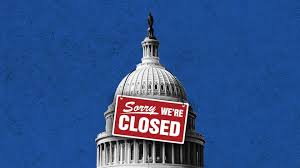
Blue Press Journal – In a reckless display of Republican partisan politics, the federal government has shut down, leaving hundreds of thousands of federal workers without pay and millions of Americans facing uncertainty over their health insurance. The shutdown, which began in the early hours of Wednesday, is a direct result of a bitter standoff between Republicans and Democrats over measures to protect health insurance for millions of Americans.
At the heart of the dispute is the refusal by Republicans to extend enhanced subsidies for health insurance through the Affordable Care Act. These tax credits, passed during the COVID-19 pandemic, are set to expire at year-end, leading to skyrocketing premiums for millions of Americans. Democrats believe they have the upper hand, as the consequences of inaction will affect many.
They tax credits for insurance were cut out of the budget by Republicans to afford huge tax cuts for billionaires and millionaires.
The shutdown highlights the dysfunction in Washington. While Democrats fight for basics like healthcare access, Republicans seem focused on political gains. Senate Minority Leader Chuck Schumer (D-N.Y.) stated, “The American people are learning how bad this health care crisis is, and they will put tremendous heat on Republicans to solve it.” Rep. Greg Casar (D-Texas) remarked, “Democrats are ready to fight for your family’s needs, unlike House Republicans who are on vacation.”
The shutdown will have far-reaching consequences, with federal agencies and operations grinding to a halt. Hundreds of thousands of federal workers will be forced to stay home without pay, while others, including active-duty troops, will have to work without compensation. The economic impact will be significant, and the human cost will be even higher.
Democrats are fighting for a basic principle: that every American deserves access to quality healthcare. It’s time for Republicans to put aside their partisan games and work towards a solution. The American people deserve better.
The Result of the Republican Tax Break for Millionaires and Billionaires
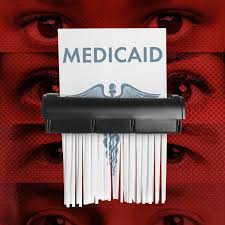
Blue Press Journal: The recently passed Republican budget law has introduced significant cuts to Medicaid, impacting millions of low-income individuals and families. These reductions are affecting multiple states, with local hospitals and state governments struggling to fill funding gaps. Healthcare providers warn they may have to stop accepting Medicaid patients due to the unsustainable nature of continued care.
In North Carolina, the Department of Health and Human Services (NCDHHS) has announced plans to cut Medicaid spending by $319 million, effective October 1. This reduction will result in a 3% rate cut for all medical providers, as well as deeper cuts of 8-10% for inpatient and residential services and 10% for behavioral therapy and analysis for patients with autism. The NCDHHS spokesperson expressed concern about the potential consequences of these cuts, stating that “these reductions may cause some providers to stop accepting Medicaid patients, as the lowered rates could make it financially unsustainable to continue offering care.”
The impact of these cuts will affect various healthcare services, including hospice care, behavioral health, long-term care, and nursing homes. Reimbursement cuts are expected to exceed 3%, placing a greater burden on providers already operating on thin margins. Consequently, many Medicaid patients may lose access to essential services, worsening health disparities and perpetuating a cycle of poverty and poor health outcomes.
The situation in North Carolina is not unique, as other states are also grappling with the consequences of Medicaid cuts. Local hospitals, which often rely heavily on Medicaid funding, are facing significant financial strain as they struggle to absorb the reduced reimbursement rates. This could lead to a decrease in the quality of care, as hospitals are forced to cut costs and reduce staff to stay afloat.
The Medicaid cuts in the Republican budget law exemplify the human cost of ideological politics. By prioritizing tax cuts over the well-being of vulnerable populations, lawmakers are jeopardizing the lives of millions of Americans. It is crucial for policymakers to act quickly to restore funding to Medicaid and ensure access to essential healthcare services for all individuals.





 Blue Press Journal