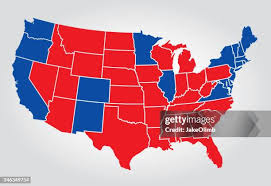
The Republican party’s ambitious plan to cut taxes, fund border security and defense spending, and advance President Donald Trump’s domestic agenda hinges on significant cuts to Medicaid. This decision, however, comes with the risk of a substantial political backlash as many constituents, red state MAGA voters, rely on this crucial program.
Medicaid currently provides health insurance coverage to 72 million Americans, including millions of children, serving as a vital safety net in states where Trump enjoys strong support. States such as Louisiana, Kentucky, Mississippi, West Virginia, and Arkansas are among those with the highest percentage of Medicaid recipients.
The driving force behind this budget is a bold vision to slash mandatory spending by at least $1.5 trillion over the next decade, energizing the effort to finance an extension of President Donald Trump’s tax cuts. Yet, these tax cuts have alarmingly favored the wealthy, a fact underscored by the Center on Budget and Policy Priorities, which highlights how they have disproportionately enriched those at the top while leaving many behind.
The debate surrounding the future of Medicaid and other safety net programs has caused turmoil within the GOP as they search for ways to fund the $4.5 trillion in tax cuts demanded by President Trump, primarily benefiting billionaires. Previous attempts to repeal Obamacare, which would have significantly reduced Medicaid coverage and removed protections for individuals with preexisting conditions, resulted in Trump’s lowest approval ratings and contributed to Democratic victories in the 2018 midterm elections.
Republicans have made it clear that cutting Medicaid is a key strategy for financing their tax cuts for the rich. The House Republican budget plan, endorsed by Trump, proposes slashing up to $880 billion from Medicaid to offset the cost of tax cuts. It is important to note that half of Medicaid spending benefits individuals eligible due to old age or disability.
The Republican party’s plan to cut taxes and fund key initiatives relies heavily on reducing Medicaid funding, a decision that could have far-reaching consequences for millions of Americans and mostly in red states.

 Blue Press Journal