Tag: international-trade

  • Tariffs – a history lesson and how they increase prices for Americans

    Nearly a century ago, a disastrous law played a significant role in triggering the Wall Street crash of 1929 and plunging the world into a devastating depression. The Smoot-Hawley Tariff, which covered approximately one-quarter of all imports, ignited tensions with U.S. trading partners and led to a drastic reduction in American imports and exports. This painful lesson taught Americans the high cost of trade wars, and serves as a stark reminder that we must carefully consider our trade relationships.

    Former Senate Republican Leader Mitch McConnell (Ky.) recently expressed serious reservations about President Trump’s tariff plan, highlighting the detrimental effects of tariffs. As Sen. Rand Paul aptly stated, “Tariffs are simply taxes… Taxing trade leads to reduced trade and higher prices.” It is crucial for Republicans to fully understand the negative impact of tariffs as we strive to establish sound fiscal policies in our government.

    During the previous Trump administration, retaliatory tariffs from trade partners sparked a widespread trade war that negatively impacted various sectors of American industry, including agriculture, manufacturing, aerospace, motor vehicles, and distilled spirits. Canada has already announced retaliatory measures targeting Kentucky products such as peanut butter and whiskey, which will ultimately result in increased costs for American consumers. Senate McConnell emphasized the importance of maintaining strong alliances with our trading partners to ensure the long-term prosperity of American industry and workers, stating that trade wars with allies disproportionately harm working people.

    It is imperative that we approach trade policies with caution and foresight, prioritizing collaboration with our allies rather than engaging in harmful disputes. Let us learn from the mistakes of the past and work towards fostering mutually beneficial trade relationships for the benefit of all.
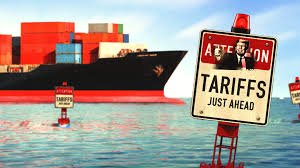
  • Trump Tariffs on the US Economy … Eggs, Groceries, Cars and lots of things will increase!

    The Impact of Tariffs on the US Economy 

    In today’s interconnected global economy, trade plays a crucial role in driving economic growth. However, the use of tariffs – taxes imposed on imported goods – has sparked ongoing debates. While advocates of tariffs argue that they protect domestic industries and jobs, a closer examination reveals that they can actually have detrimental effects on the US economy.

    The Trumps Illusion of Protectionism:

    Proponents of tariffs often argue that they shield American businesses from foreign competition, enabling them to flourish and create jobs. While this argument may seem logical at first glance, it fails to consider several key factors. When tariffs are implemented, the immediate consequence is an increase in the prices of imported goods. While this may benefit certain domestic producers, it also results in higher costs for consumers.

    For instance, let’s consider a scenario where a tariff is imposed on imported steel. While US steel manufacturers may experience a surge in demand, industries that rely on steel – such as car manufacturers, construction companies, and appliance makers – are now faced with elevated costs. These increased costs are typically passed on to consumers in the form of higher prices for cars, homes, and everyday goods.

    The Domino Effect: Retaliation and Trade Wars

    One of the major drawbacks of tariffs is the potential for retaliation. When the United States imposes tariffs on goods from other countries, such as Cannda, those countries often respond by imposing tariffs on US exports. This retaliation can escalate into a trade war, creating barriers for businesses involved in both imports and exports. For instance, American farmers may bear the brunt of the impact when other nations target agricultural products with retaliatory tariffs.

    These trade wars disrupt supply chains, increase uncertainty, and ultimately harm businesses across various sectors, not just those directly affected by tariffs. Instead of fostering growth, such conflicts often result in job losses and economic stagnation.

    The Cost of Choice and Innovation

    Tariffs also restrict consumer choice by raising the prices of imports, limiting the variety of products available to American consumers. This restriction stifles competition and can hinder innovation. Businesses shielded from global market competition may become complacent and less inclined to enhance their products or reduce prices.

    Moreover, tariffs can reduce overall economic efficiency. When companies are compelled to purchase more expensive domestic goods instead of cheaper, higher-quality imports, their productivity suffers. This decline in productivity can have a ripple effect on the entire economy, making the United States less competitive on the global stage.

    The key takeaway is this: although the idea of safeguarding domestic industries may seem appealing, the truth is that tariffs mostly have negative consequences. They result in higher prices for consumers, provoke retaliatory trade conflicts, stifle innovation, and ultimately harm the US economy. It is imperative to transition beyond the superficial allure of tariffs and adopt a more sophisticated and successful strategy towards global trade.

  • The Effects of Tariffs on Imported Goods…the Trump Promise

    Understanding Tariffs

    Tariffs come in two primary forms: specific tariffs, which are a fixed fee per unit of imported goods, and ad valorem tariffs, which are a percentage of the value of the imported goods. These taxes can be levied for various reasons including protecting domestic industries, generating government revenue, and responding to unfair trade practices.

    Direct Effects on Prices

    One of the most immediate consequences of tariffs is the increase in prices for imported goods. When a government imposes a tariff, it raises the cost of these goods for importers. These costs are usually passed on to consumers, resulting in higher retail prices. For example, if a country imposes a 25% tariff on imported steel, the price of products using that steel—like cars and appliances—will also rise. This leads to inflationary pressures in the economy, affecting not just goods that are directly subject to tariffs, but potentially many related products as well.

    Impact on Domestic Markets

    Tariffs are often implemented to protect domestic industries from foreign competition. In the short term, this can benefit local producers, allowing them to maintain or increase their market share as consumers seek alternatives to more expensive imported goods. However, this protection can also lead to complacency among domestic producers, reducing their incentive to innovate or improve efficiency. Over time, failing to compete with foreign manufacturers can hinder the growth of a country’s industry.

    Additionally, while some sectors may thrive due to tariffs, others may suffer. Industries that rely on imported raw materials may see their costs rise, leading to higher production costs and reduced competitiveness. This creates a complex dance of winners and losers in the domestic market.

    In summary, Trump’s proposed tariffs will increase costs for the very people he vowed to help by lowering prices.

    Read more in the below article:

    We’re Economists. Here’s What We Really Think Of Trump’s Plan To ‘Lower’ Grocery Prices.