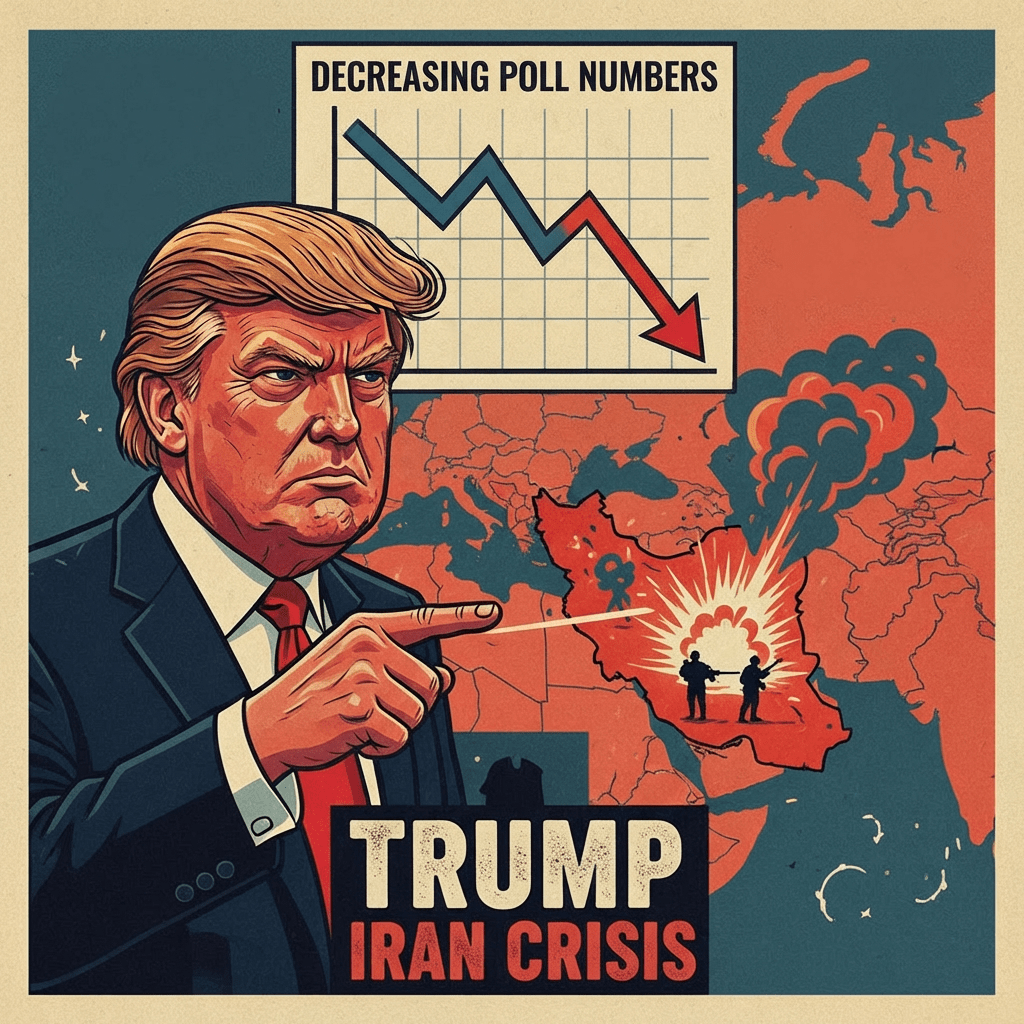
How Trump’s “Bold” Moves Turned a Working Iran Deal Into a Self-Inflicted Crisis
by Winston Wendell
Wars don’t always begin with explosions. Sometimes you lose before a single shot—when your rivals grow stronger, your network of allies weakens, and your own choices hurt more than help. That’s what happened after Trump tore up the Iran nuclear deal, the JCPOA, and started his so-called “maximum pressure” campaign. Looking back now, it’s clear: all that posturing did more harm than good.
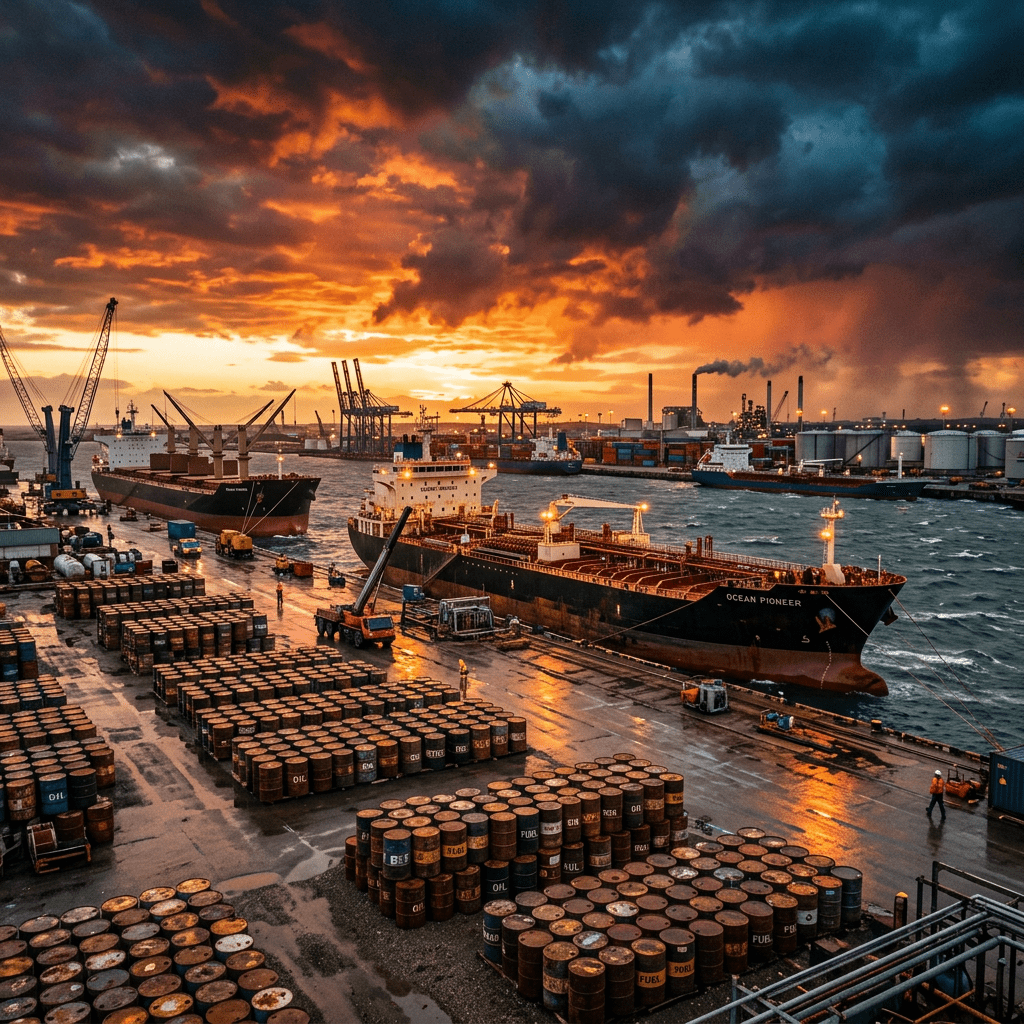
Let’s break down how we got here—how the tough talk just made things messier, gas prices spiked, markets stumbled, and even America’s best friends started doubting us.
- Grandstanding Isn’t the Same as Getting Results
Trump loved making a scene. He’d throw out fiery tweets, trash the Iran deal at every rally, and promise something “better.” He called the JCPOA weak, claiming it caved to Tehran and left America empty-handed.
But reality didn’t match the rhetoric. The facts were plain: the JCPOA was working. Iran cut its enriched uranium stockpile by 98%, dismantled thousands of centrifuges, and opened up its nuclear sites to unprecedented inspections from the IAEA. The deal put hard limits in place.
Still, the Trump administration never came up with a better alternative. All “maximum pressure” really meant was punishing sanctions, hoping Iran would fold and come crawling back. Of course, that didn’t happen. Instead, Iran held its ground, which is pretty much what history teaches us about relying on pressure without a backup plan.
- Walking Away From Progress
The Decision
In May 2018, Trump yanked America out of the JCPOA and hit Iran with sanctions again. I remember thinking: why break something that’s actually working? The real answer wasn’t about better policy. It was politics.
Immediate Fallout
Iran didn’t just shrug and take it. They cranked up uranium enrichment, ignoring the deal’s strict limits. Suddenly, the path to building a bomb got a lot shorter.
Diplomatic ties started unraveling. The negotiating group shrank, with the U.S. out and Europe struggling to shield Iran from American sanctions. Everyone’s bargaining power sagged without U.S. support.
America’s allies noticed. When one country tears up a major deal, trust dries up fast. It’s not easy earning that back.
Leaving the JCPOA handed Iran a whole new set of advantages: the freedom to enrich more uranium, the chance to play the victim, and a divided bunch of opponents.
- The Economic Domino Effect: Oil, Markets, Wallets
Oil Prices Spike
Sanctions knocked 2–3 million barrels of Iranian oil a day off the world market. Saudi Arabia and Russia tried to cover the slack, but oil prices still jumped from $70 a barrel to nearly $85 in a few months.
We felt it, our weekly gas bill jumped about 15%. Drivers everywhere noticed, along with businesses shipping goods or running trucks.
Markets Wobble
Investors hate not knowing what’s next. Trump’s moves spread uncertainty all over:
Currencies got wild, Iran’s rial tanked, dollars and gold looked safer.
Stock markets bounced around, especially for energy companies and businesses with a Middle East footprint.
Countries like India, China, and South Korea scrambled to find new oil suppliers. Their budgets felt the hit and so did the cost of goods at home.
These numbers weren’t just for headlines. Groceries cost more, energy bills crept up, and even retirement savings got dinged if they were tied to the markets. Decisions in Washington rippled straight to regular people.
- Leaving Allies Out to Dry
Europe on the Spot
Europe tried to save the JCPOA with a workaround, INSTEX, but without U.S. backing, European companies ran for cover. I remember German and French leaders sounding pretty frustrated, caught between supporting the deal and avoiding U.S. penalties.
Asia’s Dilemma
Japan and South Korea got a few short-term waivers to keep buying Iranian oil. But every few months, diplomats scrambled to figure out what Washington would do next. It was exhausting for everyone involved.
Trust Gets Shaky
When the rules keep changing, allies grow suspicious. NATO wasn’t thrilled. Neither were old partners, watching America toss aside another agreement. Doubt crept into military exercises, intelligence sharing, and every future negotiation. And that kind of mistrust is hard to reverse.
- Why “Maximum Pressure” Missed the Mark
The biggest mistake? Betting it all on sanctions without leaving room for real negotiation. Iran’s leaders just doubled down, ramped up their nuclear work, and kept stirring up trouble in the region. More pressure just meant less cooperation, not more.
So what did the U.S. get? A dead inspection program, an Iran with more nuclear options, shaky world markets, and cooler alliances all around. Everyday Americans ended up paying for it.
Honestly, a smarter move would’ve been to stick with JCPOA inspections and use them as leverage to fix the deal’s flaws on missiles, on regional actions. Not trashing the whole thing.
- Lessons for Next Time
Here’s what I take away:
If something’s working, don’t destroy it, improve it. Check if it’s actually hitting its goals, then build on that.
Sanctions only work if there’s an exit. Just squeezing harder makes the other side push back.
Stay tight with partners. America’s strongest when its friends trust and cooperate. Go it alone, and you end up isolated and less effective.
When Showmanship Wins, Everyone Pays
I watched the fallout from one attention-grabbing decision echo all the way from the UN to my local pump. Trump’s bold moves made for good TV but wrecked progress and ordinary people picked up the bill.
The Iran deal wasn’t perfect, but it did the job. Scrapping it gave Iran new momentum, touched off economic pain, strained alliances, and made life harder for regular folks.
If we want to avoid repeating this, we need to stick with what works, trust the facts, and focus on steady, smart partnerships. Real strength isn’t just about big talk. It’s about reliable leadership that others (and the world) can count on.
If this breakdown made sense to you, pass it on or subscribe for more straight-shooting analysis on politics, economics, and global security.