Tag: Medicaid Cuts

  • The Political Fallout of Medicaid Cuts: Why These Two Senate Races Matter Most

    by Winston Wendell

    Two Senate races could decide the fate of a popular budget that has already taken millions upon millions of healthcare dollars away from Americans. Everything is on the line for both sides: not only healthcare coverage, but also the livelihoods of those affected and their trust in the government. Last Summer, with the guidance of the President himself and the Republican party, legislators pushed through some of the most devastating cuts to healthcare the US has witnessed in a long time. The consequences and effects of this decision have been immediate and severe. This is how everything is unfolding.

    Firstly, congress sliced off a whooping 900 billion dollars from Medicaid, the program providing healthcare to children, pregnant women, people with disabilities, and others who are especially vulnerable. At the same time, they allowed subsidies under the affordable care act, which had been expanded by the Obama administration, to lapse away. As a result, rates soared, and almost 8 million people lost coverage. This is according to the Protect Our Care Progress group, as they released a report detailing the losses state by state, from Medicaid, the Children’s Health Insurance Program, and the Affordable Care Act.

    The president of the Progress group, Brad Woodhouse, had some particularly biting remarks for President Trump and the Republican legislature that pushed through the vote. He noted that eight million Americans have lost healthcare coverage because of Donald Trump and the republican party’s “decision to give tax breaks to billionaires and gut the safety net for working families” instead of protecting it. This has resulted in many, many families making impossible choices between paying premiums and putting food on the table, or senior citizens having to stretch out their medications for longer, or pregnant women having to drive longer distances for prenatal care. All because of the cuts to the Medicaid program that have left millions of Americans without healthcare in an era when it was supposed to be a fundamental right.
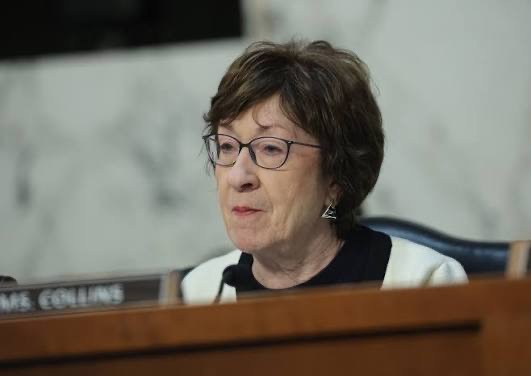
    Senator Susan Collins, incumbent Republican representing the state of Maine, is facing an uphill re-election battle from a Democratic opponent after voting to slash Medicaid and chip away at the affordable care act. Her opponent is expected to mobilize his supporters to vote Collins out of office after she helped to dismantle the Obama administration’s healthcare law. Her state has been particularly hard hit by the cuts to the Medicaid program with over 18,700 Mainers losing access to healthcare.

    Over 7,500 residents have lost their marketplace coverage due to the end of the federal subsidy at the end of 2025. Although Senator Collins voted against the final budget, she has already voted for the initial version, and critics of her vote are reminding voters at every opportunity that she voted for it in the first place. Meanwhile, the impact of her vote is being felt in the state’s hospital system and rural communities, as they grapple with a 38 million dollar funding shortfall.

    The damage is particularly visible in the state’s healthcare sector as both hospitals and other facilities scramble to cover uncompensated care costs or find ways to reduce expenses by cutting staff, threatening to worsen the crisis in the state’s rural areas.
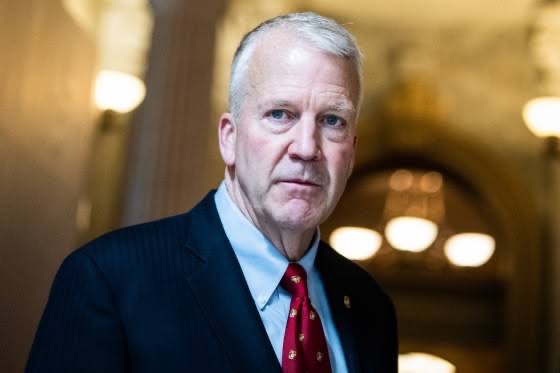
    Another Republican senator, Dan Sullivan of Alaska, has also voted to slash Medicaid despite the impact that it would have on the residents of his state. In Alaska, the number of people who have lost coverage exceeds 25,600. In addition, premium rates for the covered plans have jumped an astonishing 346%.

    With the vast distances between communities, especially in rural parts of Alaska, and a shortage of healthcare facilities, this decision has placed an especially severe burden on the residents of the state. Sullivan is also set to face a re-election campaign and will have to answer for his role in the disaster that has befallen the state’s healthcare system.

    Brad Woodhouse believes that “these voters in Alaska, Maine, and across the country – our friends, neighbors, parents, and children – are seeing how policies advocated by President Trump and his allies in the Senate are undermining their ability to afford health care, and they are going to hold these lawmakers accountable at the ballot.

    In a very real way, voters in Maine and Alaska will decide not only the fate of their states’ health coverage but also the future of the country, as both senators face re-elections in the middle of the year.”

    Everything is on the line in these two crucial Senate races, including the future of the American healthcare system. The voters in these two states are now having to deal with the consequences of the actions of their legislators who put party before patriotism and placed millions of Americans in danger.

    Fediverse Reactions
  • Medicaid Cuts in Republican Budget Law Inflict Financial Strain on Hospitals and State Governments

    The Result of the Republican Tax Break for Millionaires and Billionaires

    Blue Press Journal: The recently passed Republican budget law has introduced significant cuts to Medicaid, impacting millions of low-income individuals and families. These reductions are affecting multiple states, with local hospitals and state governments struggling to fill funding gaps. Healthcare providers warn they may have to stop accepting Medicaid patients due to the unsustainable nature of continued care.

    In North Carolina, the Department of Health and Human Services (NCDHHS) has announced plans to cut Medicaid spending by $319 million, effective October 1. This reduction will result in a 3% rate cut for all medical providers, as well as deeper cuts of 8-10% for inpatient and residential services and 10% for behavioral therapy and analysis for patients with autism. The NCDHHS spokesperson expressed concern about the potential consequences of these cuts, stating that “these reductions may cause some providers to stop accepting Medicaid patients, as the lowered rates could make it financially unsustainable to continue offering care.”

    The impact of these cuts will affect various healthcare services, including hospice care, behavioral health, long-term care, and nursing homes. Reimbursement cuts are expected to exceed 3%, placing a greater burden on providers already operating on thin margins. Consequently, many Medicaid patients may lose access to essential services, worsening health disparities and perpetuating a cycle of poverty and poor health outcomes.

    The situation in North Carolina is not unique, as other states are also grappling with the consequences of Medicaid cuts. Local hospitals, which often rely heavily on Medicaid funding, are facing significant financial strain as they struggle to absorb the reduced reimbursement rates. This could lead to a decrease in the quality of care, as hospitals are forced to cut costs and reduce staff to stay afloat.

    The Medicaid cuts in the Republican budget law exemplify the human cost of ideological politics. By prioritizing tax cuts over the well-being of vulnerable populations, lawmakers are jeopardizing the lives of millions of Americans. It is crucial for policymakers to act quickly to restore funding to Medicaid and ensure access to essential healthcare services for all individuals.

  • Rural America Bears the Brunt of Trump’s Medicaid Cuts, But Supporters Remain in Denial

    A health clinic in McCook, Nebraska, a small town with a population of 7,446, has become the latest casualty of President Donald Trump’s budget cuts to Medicaid. The clinic’s closure has sent shockwaves through the community, leaving many without access to vital healthcare services. However, despite the devastating impact on rural America, many of Trump’s fervent supporters continue to refuse to accept the reality of the situation.

    The Medicaid cuts, championed by Trump and the Republican Party, have been sold to rural white voters as a necessary measure to prevent benefits from being squandered on “undeserving” individuals, such as immigrants, city dwellers, and people of color. This narrative has been perpetuated despite being thoroughly debunked, and has proven to be a potent tool in rallying support for the cuts.

    However, the consequences of these cuts are now being felt in communities like McCook, where the health clinic’s closure will leave a significant gap in healthcare services. The clinic’s demise is a stark reminder that the Medicaid cuts are not just affecting “illegals” or “freeloaders,” as some right-wing message boards would have you believe, but are instead harming hard-working, rural Americans who are in dire need of healthcare services.

    Despite the evidence, many of Trump’s supporters remain in denial, insisting that the cuts are only affecting those who do not deserve healthcare. Social media platforms are filled with comments from individuals who claim that the cuts are necessary to prevent abuse of the system, and that the only people being hurt are those who are not truly in need.

    The stark reality on the ground unveils a grave predicament. Rural America, long besieged by a lack of adequate healthcare services, is facing a devastating blow from the recent Medicaid cuts. Alarmingly, experts predict that these drastic reductions to Medicaid will resonate throughout nearly every state, with the terrifying forecast showing that more than 25% of hospitals could face closure. In 11 states, the situation is even more dire, as up to 50% or more of hospitals stand on the brink of shutting down, leaving vulnerable communities in a perilous state.

    The shutdown of the health clinic in McCook serves as a stark reminder of the human cost of the Medicaid cuts, and the need for republicans to reconsider the impact of their decisions on rural America.

  • A Devastating Consequence of Medicaid Cuts: Healthcare Crisis in Rural America

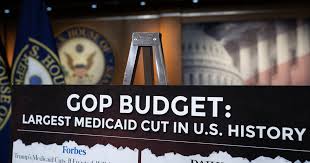
    As researchers specializing in rural health and health policy, are sounding the alarm on the impending healthcare crisis in rural America. The recent legislation signed into law by President Donald Trump on July 4, 2025, is expected to have a disproportionate impact on the 66 million people living in rural areas, nearly 1 in 5 Americans. We might add these voters heavily supported the Republican Party and Donald Trump. This law will reduce Medicaid spending by over $1 trillion over the next decade, resulting in an estimated 11.8 million people losing health insurance coverage.

    Rural residents are more likely to rely on Medicaid for health insurance, making them more vulnerable to losing coverage. The changes brought about by this new law will likely lead to an increase in unpaid care, forcing small, local hospitals to make difficult decisions, such as reducing or eliminating services, laying off staff, and delaying equipment purchases. Many rural hospitals will be forced to close their doors, leaving millions of Americans without access to vital healthcare services.

    The legislation restricts how states can finance their share of the Medicaid program, limiting the use of taxes and fees from hospitals, managed care organizations, and other healthcare providers. This will significantly reduce payments to rural hospitals, which rely heavily on Medicaid to remain operational. The Congressional Budget Office estimates that the work requirements instituted through this legislative package will result in nearly 5 million people losing Medicaid coverage.

    The impact on rural areas will be severe, with an estimated reduction of $155 billion in federal spending over 10 years. While the Senate has allocated only $50 billion over the next five years for the Rural Health Transformation Program, this amount is insufficient to offset the cuts to Medicaid and other programs that will reduce funding for rural health facilities. As a result, many rural hospitals will be forced to close, leaving rural Americans without access to healthcare services.

    An analysis by University of North Carolina researchers found that, as of June 2025, 338 hospitals are at risk of reducing vital services or converting to alternative types of healthcare facilities. Rural hospitals are not only essential healthcare providers but also vital economic engines, and declines in rural healthcare will undermine local economies.

    The root cause of this crisis is the desire to provide tax breaks to billionaires and millionaires, led by President Trump and the Republican party. The consequences of these actions will be devastating for rural America, exacerbating existing healthcare disparities and further eroding the social and economic fabric of these communities.

  • Medicaid Cuts Could Endanger Health Access in Rural NY

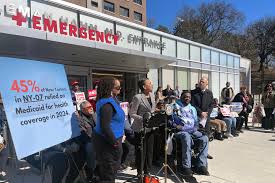
    We often hear claims that the GOP Medicaid cuts will not impact hardworking average Americans. However, this simply isn’t true. During a recent visit, Senator Gillibrand warned about the proposed Medicaid cuts threatening a hospital in Saranac Lake, a small community in New York State. These cuts could result in 1.5 million New Yorkers losing their health insurance coverage by 2034.

    New York’s 21st Congressional District, one of the largest in the Eastern United States, is under the dubious leadership of Congresswoman Elise Stefanik, a staunch MAGA Trump supporter who shockingly voted for a bill that’s set to ruin her own district. As if that weren’t enough, she’s now eyeing the Governor’s mansion in New York. This ambiguous ambition has healthcare professionals shaking their heads in disbelief, loudly warning that the proposed federal budget cuts will decimate Medicaid coverage for countless New Yorkers.

    The federal budget bill threatens healthcare access across the state, especially in rural areas like the North Country, which Stefanik represents. These cuts could force many small hospitals and health centers to shut down. Reports show that 1.5 million New Yorkers could lose health insurance by 2034, while the local economies and healthcare systems would suffer ripple effects. Specifically, the 21st Congressional District could see as many as 2,600 jobs eliminated.

    Clearly, the GOP is relentlessly crafting a smokescreen of misinformation to conceal their true agenda: prioritizing tax breaks for billionaires and millionaires while neglecting the urgent needs of average rural Americans.

  • GOP Views on Healthcare: A Reality Check – Medicaid

    Many observers believe the Republican Party fundamentally misunderstands the healthcare challenges facing everyday Americans. This can make it difficult to comprehend why voters, particularly those in need of support, continue to elect them, especially after hearing statements like the one from Senate Majority Leader John Thune.

    Senator Thune remarked, “the best healthcare is a job…

    This perspective strikes critics as out of touch with the current economic landscape. It seems unlikely that someone benefiting from generous, taxpayer-funded healthcare fully grasps the reality for millions. The truth is, an increasing number of jobs, particularly contract positions, offer no health coverage. Even jobs that do offer insurance often provide plans with sky-high costs and limited benefits. This isn’t just bad luck; many see it as a result of corporations prioritizing profits over employee well-being.

    The vital role programs like Medicaid. Medicaid is a lifeline for the elderly, low-wage workers, and a critical support for rural hospitals, often serving populations with limited other options.

    Adding to the perception of a disconnect, other GOP statements have caused controversy, such as Sen. Joni Ernst’s reported comment at a town hall that “we are all going to die.” Critics find such remarks dismissive or lacking in appropriate context.

    It’s a striking paradox that states and communities most reliant on programs like Medicaid often lean heavily Republican or MAGA in their voting patterns. They are the ones who most need government assistance, yet they support the party that often seeks to reduce it. This discrepancy between rhetoric, policy, and the needs of their own constituents is a source of confusion and frustration for many.

  • GOP’s Medicaid Cuts: Impact on Healthcare & Hunger

    The Republican Congress has made their stance clear.

    Recently, U.S. Senator Joni Ernst dismissed her constituents’ worries regarding the potentially life-threatening effects of proposed cuts to Medicaid and food assistance programs. During a town hall meeting, she stated, “Well, we all are going to die,” implying that issues of healthcare and hunger are trivial since mortality is inevitable.

    The GOP’s proposal entails approximately $1 trillion in cuts to Medicaid and the Supplemental Nutrition Assistance Program (SNAP), marking the largest reductions these programs have ever faced. Additionally, it includes stringent work reporting requirements that analysts warn could result in millions losing access to essential benefits nationwide.

    This cavalier attitude toward critical issues like healthcare and nutrition is troubling. Research from earlier this month highlighted that the expansion of Medicaid under the Affordable Care Act has saved tens of thousands of lives since its implementation in 2010. The severe cuts proposed in the GOP’s reconciliation package could have dire consequences for many Americans.

    Furthermore, the Center for American Progress has recently calculated that the work requirements proposed by Republicans for a significant number of Medicaid recipients may result in over 21,600 avoidable deaths annually across the nation.

    It’s important to note that these cuts do not seem aimed at reducing the size or inefficiency of the federal government. Instead, they appear to serve the interests of billionaires and millionaires through tax cuts, all at the expense of those who rely on vital support systems.

  • House Republicans’ Reckless Bill: A Threat to Everyday Americans

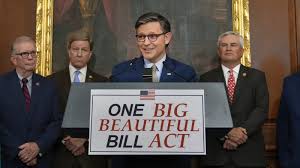
    The so-called “big, beautiful bill” is a stark and alarming proposal that pairs devastating cuts to food assistance and health insurance for low-income Americans with extravagant tax breaks for the wealthy elite. This is not the behavior of traditional conservatives; rather, the Republican majority is acting like revolutionaries, intent on dismantling the established order with reckless haste, all while the nation remains blissfully unaware of the seismic shifts taking place.

    The Congressional Budget Office has yet to assess the full impact of this bill, leaving us in the dark about how many millions of Americans will be stripped of their health insurance or how many trillions the deficit will swell as a result. Cutting taxes for the affluent is already a deeply unpopular move, and slashing Medicaid—an essential lifeline for countless families—is even more so. This is precisely why House Republicans are not boldly championing the bill’s true consequences; instead, they are resorting to obfuscation, pretending that their convoluted work requirements will not result in the very disenfranchisement they are engineering. These requirements are designed to ensnare vulnerable recipients in a web of bureaucratic red tape, effectively pushing them off the program—an outcome they are counting on to generate the savings they seek.

    This bill does not merely threaten to spike the deficit; it prioritizes enriching lawyers and CEOs over the well-being of everyday Americans, including fast-food workers and ride-share drivers. House Republicans have chosen to advance a measure that offers lavish tax cuts for the wealthy while ruthlessly slashing benefits for the poor and middle class, all while jeopardizing the economic health of our nation. 

    The consequences of this legislation are poised to be nothing short of catastrophic! It appears that Republicans are indifferent, as their leaders stubbornly cling to the very policies championed by Donald Trump!

  • The GOP’s Claims of Deficit Reduction: A Deceptive Facade

    We often hear the Republican Party touting its commitment to reducing the national deficit. However, the reality is starkly different. Their actions reveal a troubling truth: they prioritize tax giveaways for the wealthy over the financial well-being of the average American. This latest tax bill is a prime example, offering massive tax cuts to affluent individuals and corporations while simultaneously exacerbating the deficit and stripping healthcare from millions.

    Despite their rhetoric, Republican leaders in Congress are championing a tax proposal that would not only funnel resources to the rich by dismantling essential programs for working-class families but would also add a staggering $3.8 trillion to the U.S. deficit. Maintaining the top income tax rate cut means that a shocking 25% of the benefits will flow directly to the top 1% of earners.

    To put this into perspective, the average household in the top 1% earns approximately $2.5 million annually and stands to gain a tax break of around $55,000. Meanwhile, the top 400 taxpayers could receive an eye-popping $800 million in tax cuts each year. In contrast, working families can expect a meager benefit of only $40 to $50. One particularly egregious provision grants tech giants like Apple, Amazon, Google, Meta, and Tesla a staggering $75 billion in tax cuts.

    As it stands, the national debt has ballooned to $36.2 trillion. The Joint Committee on Taxation (JCT) recently released an analysis indicating that the Republican tax bill would cost an additional $3.8 trillion through 2034, further inflating the deficit rather than reducing it.

    It is clear that the GOP is heading in the wrong direction, misleading the public and voters alike. The time has come for accountability and transparency in our nation’s fiscal policies. We must demand a tax system that prioritizes the needs of all Americans, not just the wealthy elite.

  • States Face Significant Challenges from House GOP Medicaid Plan

    **States Face Significant Challenges from House GOP Medicaid Plan**

    The proposed Medicaid plan by the House GOP is poised to place a heavy burden on states as they seek to cut budgets to finance tax reductions for millionaires and billionaires.

    The new mandates outlined in the proposed legislation are likely to compel states to either overhaul their financing strategies for Medicaid programs or reduce benefits significantly. As the GOP unveils key provisions of its party-line domestic policy megabill, concerns are mounting that millions may be left without coverage.

    Among the health provisions included in the plan are new work requirements that could result in many individuals losing their health insurance. Additionally, a new cost-sharing requirement for certain beneficiaries is set to be introduced, capping their contributions at no more than five percent of their income.

    The Energy and Commerce Committee’s proposal also addresses contentious social issues, such as the recommendation to cut federal funding for organizations like Planned Parenthood. This committee has been tasked with identifying $880 billion in savings to help finance a substantial portion of the GOP’s tax cut and extension package.

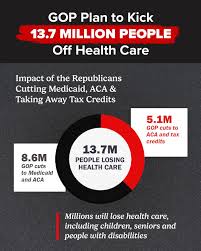
    Preliminary estimates released by the Congressional Budget Office indicate that if the health-related components of this package were enacted, over 8.6 million individuals could become uninsured, with cuts totaling at least $715 billion.

    Rep. Frank Pallone (D-N.J.), the leading Democrat on the Energy and Commerce Committee, criticized the bill, stating, “Republican leadership released this bill under cover of night because they don’t want people to know their true intentions. Taking health care away from children, mothers, seniors in nursing homes, and individuals with disabilities to provide tax breaks for those who do not need them is shameful.”

    As this situation unfolds, the implications for state budgets and the health coverage of millions remain a pressing concern.

    Also see: Republicans Unveil Medicaid Cuts For ‘Big, Beautiful Bill