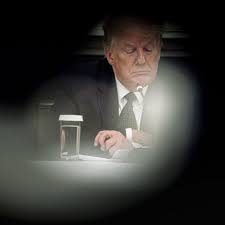
Donald Trump’s executive order demanding a reduction in prescription drug prices is about as impactful as a wet paper towel—utterly useless. He boldly claims he will slash prices by 30 to 80 percent, yet the order itself is nothing more than a collection of empty promises. It’s almost charming how he seems to believe he has the authority to make such sweeping changes when, in reality, he does not.
It’s as if the president is orbiting in one universe while the rest of us are stuck in another, discussing a reality that simply doesn’t exist. Take Britain, for instance, where they have a national health insurance system that negotiates with pharmaceutical companies on behalf of the entire country. They present a united front, saying, “Here’s what we’re willing to pay,” which effectively diminishes the drug companies’ bargaining power and leads to lower prices.
In contrast, the United States operates under a fragmented system, where no single entity has the clout to challenge the pharmaceutical giants.
So, while Trump’s grandstanding may sound impressive, it’s clear that without a cohesive strategy, his executive order is little more than a theatrical performance—entertaining, perhaps, but ultimately devoid of substance.
 Blue Press Journal