Tag: Minneapolis ICE shooting

  • Trump’s Comments on Alex Pretti Shooting Raise Alarming Second Amendment Concerns


    Blue Press Journal (DC) – In a recent statement that has sent shockwaves through the conservative base, former President Donald Trump suggested that Alex Pretti, the 37-year-old ICU nurse fatally shot by immigration officers in Minneapolis, was responsible for his own death because he exercised his Second Amendment rights.

    While addressing reporters before departing for a rally in Iowa, Trump was asked about the fatal encounter. Rather than defending the constitutional right to bear arms, the former President placed the blame squarely on the victim. “You can’t walk in with guns,” Trump stated, referring to Pretti’s decision to bring his registered handgun to document agents’ behavior (Source: Reuters).

    The Incident and the Second Amendment

    Alex Pretti, a licensed concealed-carry permit holder, was attempting to assist a woman who had been shoved to the ground by federal agents. According to reports, Pretti was pepper-sprayed, tackled, disarmed, and subsequently shot multiple times. His weapon was holstered and legally owned.

    When pressed by a reporter on how this incident relates to the Second Amendment, Trump doubled down on his restrictive stance: “You can’t walk in with guns. You can’t do that. It’s just a very unfortunate incident.”

    This rhetoric concerns gun rights advocates because the Second Amendment guarantees the right to keep and bear arms, which Pretti was exercising lawfully. By framing a legal gun owner’s presence as the cause of their death, Trump suggests that a firearm’s presence justifies lethal force by the state, regardless of intent or legal standing.

    A Double Standard in Gun Rights Advocacy?

    The silence from major gun rights organizations regarding Trump’s comments is deafening. When FBI Director Kash Patel made similar remarks following the shooting, gun-rights groups were quick to condemn the logic, arguing that there is no law prohibiting the carry of a weapon in public spaces, including protests, provided it is done legally (Source: The Reload).

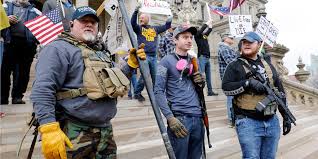
    Critics are now asking: Where are the NRA and other 2A organizations? When a civilian is killed by government agents while legally armed, and a prominent political figure blames the civilian for carrying a weapon, it should trigger an immediate and forceful response from constitutional defenders. Yet, the lack of pushback against Trump suggests a troubling double standard. Pro-Trump groups have frequently brought firearms to protests without facing lethal force, highlighting a disparity in how the right to bear arms is perceived and policed depending on the political affiliation of the carrier.

    The shooting of Alex Pretti is a tragedy that underscores the fragility of Second Amendment rights. However, Donald Trump’s response—blaming a legal gun owner for his own death—signals a shift toward anti-gun rhetoric that prioritizes state authority over individual liberty.
  • Americans Increasingly Condemn Harsh ICE Tactics, New Poll Reveals

    Americans Increasingly Reject Harsh ICE Tactics, Poll Shows

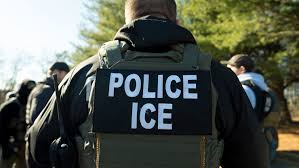
    Blue Press Journal – A growing majority of Americans believe U.S. Immigration and Customs Enforcement (ICE) is using excessively harsh tactics, according to a new CBS News/YouGov poll. Conducted January 14–16, the survey of 2,523 adults found 61% now say ICE’s methods when stopping or detaining individuals are too tough. This marks a significant shift from November, when 53% held that view.

    Rising Discontent Across Political Lines

    The sharpest increases in criticism came from Democrats and independents, with 94% of Democrats and 68% of independents now condemning ICE’s approach — both up nine percentage points from November. Even among Republicans, the share who say ICE has been too tough rose to 19%.

    This growing skepticism extends to the Trump administration’s stated deportation priorities. 56% of respondents believe the government is targeting people who are not dangerous criminals, up from 52% in November. Overall support for the administration’s deportation program has dropped from 52% to 46%.

    Recent Incidents Fuel Public Concern

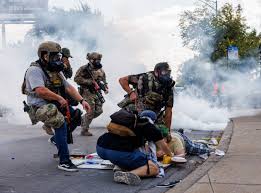
    The shift in public opinion comes in the wake of two high-profile shootings involving ICE officers in Minneapolis. In one case, 37-year-old Renee Good was killed during a standoff with protesters. Officials claim the officer acted in self-defense, but critics say video evidence shows Good was attempting to drive away, not harm the officer. Days later, another ICE officer shot and injured a Venezuelan migrant after a traffic stop, alleging the individual attacked him during a foot chase.

    A Call for Accountability

    These incidents underscore concerns that ICE’s aggressive enforcement methods blur the line between lawful policing and excessive force. Civil rights advocates argue that prioritizing community safety means de-escalation, transparency, and focusing on truly dangerous individuals — not broad sweeps that ensnare non-criminal migrants.

    With public opinion turning sharply against ICE’s tactics, pressure is mounting for policy reforms that protect human rights while maintaining legitimate law enforcement objectives.

  • Trump’s ICE Playbook: Cruelty as Policy — And Why Minneapolis Should Be a Turning Point

    Blue Press Journal Editorial

    This is a Turning Point for America … Where do you stand?

    In the wake of yet another deadly incident involving federal immigration enforcement, this time in Minneapolis, we’re forced to confront the grim reality of Donald Trump’s approach to law enforcement: cruelty isn’t a bug in the system — it’s the feature. 

    On Thursday, an Immigration and Customs Enforcement (ICE) agent fatally shot a 32-year-old Minneapolis woman during what officials described as a “targeted operation.” Eyewitnesses say she was sitting in her car, unarmed, when the agent fired. The incident has sparked outrage across the city and reignited criticism of ICE’s tactics, which have long been accused of operating with excessive force and little accountability. 

    The Politics of Defending the Indefensible

    Some pundits claim that Trump’s—and the GOP’s—unwavering defense of these actions is “smart politics,” shifting public discourse away from other controversies like Jeffrey Epstein’s resurfaced ties to political elites or the worsening cost-of-living crisis. But let’s be clear: defending ICE after an act that looks, to many, like an execution in broad daylight, isn’t “smart.” It’s reckless. 

    ICE’s track record is already deeply unpopular. Polling from Pew Research and Gallup shows a majority of Americans disapprove of its methods, especially the high-profile deportations of families, the detention of children, and the use of militarized raids in immigrant communities. Trump’s ICE administration doesn’t just alienate progressives — it turns moderates and even some conservatives off. 

    When law enforcement violence starts landing squarely on U.S. citizens — particularly white, middle-class citizens who don’t fit the GOP’s caricature of “illegal immigrants” — it hits differently. The thought quickly shifts from “I don’t like seeing people brutalized” to “That could happen to me or my family.” That’s not a winning political strategy; it’s a ticking time bomb.

    Minneapolis Officials Aren’t Staying Quiet

    Minneapolis Mayor Jacob Frey condemned the shooting, saying: 

    “We cannot normalize federal agents using deadly force in situations where it’s clearly avoidable. Our residents deserve safety, not fear.” 

    City Council Member Aisha Chughtai went further: 

    “This department operates with impunity, and it’s costing lives. ICE has no place in our city.” 

    Their words reflect a growing frustration among urban leaders over Trump-era immigration enforcement policies that have persisted well beyond his presidency. 

    Lessons from 2020 That Trump Still Hasn’t Learned

    Trump’s political instincts on law enforcement are stuck in the summer of 2020 — a moment of mass racial justice protests and public reckoning over police brutality. Back then, he doubled down on defending every police action, no matter how egregious, and lost reelection in the process. 

    The reality is that public opinion doesn’t reward defending indiscriminate violence. People want safety, but they also want accountability. Minneapolis is still living with the trauma of George Floyd’s murder, and defending another federal killing in the city won’t play well — locally or nationally.

    Why This Matters for 2026 and Beyond

    With the 2026 mid-term elections looming, Trump’s embrace of ICE’s most aggressive tactics could further alienate swing voters. It’s one thing to talk about “law and order” in abstract terms; it’s another to defend an ICE agent shooting an unarmed woman in her car. 

    The GOP may think they’re steering the narrative toward “dangerous cities” and “radical protestors,” but the images coming out of Minneapolis tell a different story — one of excessive force, unchecked power, and an administration willing to defend the indefensible.