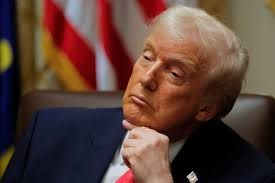
Blue Press Journal – The presidency is one of the most demanding and public-facing jobs in the world. Yet, when it comes to the current sitting president’s health, the White House has consistently maintained a veil of secrecy that raises more questions than it answers. Opportunistic speculation aside, it’s crucial to separate fact from fiction and critically examine the concerns surrounding the president’s physical and mental well-being.

The latest medical check-up, conducted by White House physicians, only further fuelled the narrative of understated health issues. Officially, the president’s ‘overall health is excellent’ and he ‘remains fit for duty.’ However, these blanket statements fail to provide any tangible evidence or specifics about his condition. What exactly were the results of the various tests, scans, and evaluations performed? Which metrics were deemed ‘excellent’? The American public deserves transparency about the president’s health, especially given the immense responsibility he carries.
CT scans, often used to diagnose and monitor conditions like brain injuries, have also become a point of concern. The President has undergone at least two CT scans in recent months, although the White House has not provided any details about the scans’ results or purpose. This secrecy surrounding the President’s medical testing is particularly troubling, as it deprives the public of essential information about his health status.
Moreover, the president’s medical history is woefully underreported. According to some sources, he has been taking medications for a range of conditions, including high cholesterol, diabetes, and hypertension. These are significant health concerns that often require lifestyle changes and close monitoring. The fact that they’ve been concealed or downplayed casts doubt over the administration’s commitment to accountability and truthfulness.
Furthermore, there are mounting signs of physical deterioration that cannot be easily dismissed. The president’s frequent complaints of exhaustion, joint pain, and weight fluctuations are symptoms that, if left unchecked, could indicate more severe underlying issues. Add to that his reportedly grueling work schedule, often requiring him to work late into the night and make multiple trips abroad, and it’s a recipe for fatigue and burnout.
Perhaps most troubling, however, is the president’s apparent reluctance to engage in open, honest discourse about his health. In an era where mental and physical wellness are increasingly recognized as essential components of overall leadership, the president’s reticence to discuss his own health is both concerning and irresponsible. How can he inspire others to prioritize their well-being when he himself seems unwilling to do so?
In conclusion, while the president’s health is undoubtedly a private matter, the White House’s persistent secrecy and lack of transparency create an atmosphere of mistrust and heightened speculation. As the leader of the free world, it is imperative that the public receives accurate, timely information about the president’s health. Anything less perpetuates a culture of suspicion and undermines faith in the institution of the presidency itself. Until a more open dialogue about the president’s health is initiated, concerns will inevitably persist, and the long-term consequences for his own well-being and that of the nation remain uncertain.
 Blue Press Journal