Tag: news

  • Trump Administration Slashes $7 Billion in Public School Funding Ahead of New School Year

    Red states to bear a significant portion of the burden

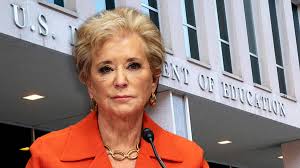
    Blue Press Journal (7-17-2025) – Just weeks before public schools across the nation are set to welcome students back, the Trump administration has announced it is withholding nearly $7 billion in funding, a move that could severely strain budgets and impact vital programs nationwide causing school taxes to increase.

    On June 30, the Department of Education informed states via a terse, three-sentence email that it was “reviewing” five different funding grants. The affected programs provide crucial support for English learners, after-school initiatives, teacher professional development, and adult education, among others.

    While the administration has reportedly prioritized targeting Democratic-leaning states with these education funding cuts, analysis indicates that Republican-held states will also bear a significant portion of the burden. According to a New America report, nine of the ten school districts projected to lose the most in per-pupil funding are located in congressional districts represented by Republicans. This highlights an often-overlooked dependency, as many Republican-leaning states heavily rely on federal government support for their public school systems, despite a broad conservative push to reduce federal involvement in education.

    The immediate impact on school districts will vary depending on their financial health. Wealthier districts may have the capacity to reallocate funds or identify alternative revenue sources to absorb the cuts. However, those already operating with tight budgets are expected to face an uphill battle, potentially leading to reductions in services, staffing, or program availability.

    The abrupt withholding of funds is seen by some as a significant step towards a long-standing conservative goal of dismantling robust federal support for public education. Critics suggest that with the Trump administration taking a “machete” to the federal public school support system, this objective appears closer than ever.

  • Trump Lashes Out at Own MAGA Base Over Jeffrey Epstein Files: ‘I Don’t Want Their Support Anymore!’

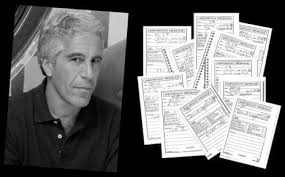
    Blue Press Journal – Former President Donald Trump unleashed a scathing tirade against members of his own ‘Make America Great Again’ (MAGA) base on Wednesday, accusing them of succumbing to a “hoax” regarding the Jeffrey Epstein files and emphatically declaring, “I don’t want their support anymore!”

    In a post on his Truth Social platform, Trump expressed fury at supporters who have continued to scrutinize his administration’s handling of materials related to the late financier Jeffrey Epstein. He specifically blamed his fans for their sustained interest, despite what he described as his repeated pleas for them to “move on.”

    “Their new SCAM is what we will forever call the Jeffrey Epstein Hoax, and my PAST supporters have bought into this ‘bullshit,’ hook, line, and sinker,” Trump wrote, signaling his frustration with a segment of his most loyal followers.

    Trump’s admonition, however, comes despite efforts by his own team that inadvertently fueled interest in the Epstein files among his base. Notably, Attorney General Pam Bondi, who served in Trump’s administration, told Fox News in February that Epstein’s client list “was sitting on [her] desk,” a comment that likely spurred further curiosity and speculation.

    Jeffrey Epstein died by suicide in federal prison in August 2019, just a month after being arrested on charges of sex trafficking minors. His death occurred during Trump’s first term in office. While Trump has consistently sought to distance himself from Epstein, the two men maintained a well-documented, years-long friendship prior to Epstein’s arrest and death.

    The extraordinary rebuke marks a rare public instance of the former president directly attacking a segment of his most loyal supporters, signaling a potential shift in his approach to internal dissent within the MAGA movement.

  • New Economist/YouGov Poll Shows Donald Trump’s Job Approval Sinking to Second-Term Low, Independents Disapprove by Wide Margin

    A recent Economist/YouGov Poll indicates a significant decline in Donald Trump’s job approval numbers, reaching the lowest point of his “second term” according to the survey’s findings. The poll reveals a growing sentiment of disapproval among the American public, particularly among crucial independent voters.

    The latest survey shows Donald Trump with a 55% disapproval rating and a 45% approval rating for his job performance. This marks a notable deterioration in public perception since the beginning of his “second term,” when a comparable poll had him with a 49% approval and 43% disapproval.

    Drilling deeper into the numbers, the intensity of disapproval is pronounced. 46% of respondents stated they “strongly disapprove” of Trump’s job performance, while only 9% “somewhat disapprove.” On the approval side, 24% “strongly approve” and 17% “somewhat approve.”

    Perhaps most devastating for his political standing, the poll highlights a dramatic erosion of support among Independent voters. A striking 64% of Independents disapprove of Trump’s performance, with nearly half (49%) voicing “strong disapproval.” In stark contrast, only 29% of Independents approve, and a mere 13% “strongly approve.”

    The findings underscore a challenging political landscape for Donald Trump, as a majority of the electorate, including a critical segment of independent voters, express dissatisfaction with his job performance.

  • Rural America Bears the Brunt of Trump’s Medicaid Cuts, But Supporters Remain in Denial

    A health clinic in McCook, Nebraska, a small town with a population of 7,446, has become the latest casualty of President Donald Trump’s budget cuts to Medicaid. The clinic’s closure has sent shockwaves through the community, leaving many without access to vital healthcare services. However, despite the devastating impact on rural America, many of Trump’s fervent supporters continue to refuse to accept the reality of the situation.

    The Medicaid cuts, championed by Trump and the Republican Party, have been sold to rural white voters as a necessary measure to prevent benefits from being squandered on “undeserving” individuals, such as immigrants, city dwellers, and people of color. This narrative has been perpetuated despite being thoroughly debunked, and has proven to be a potent tool in rallying support for the cuts.

    However, the consequences of these cuts are now being felt in communities like McCook, where the health clinic’s closure will leave a significant gap in healthcare services. The clinic’s demise is a stark reminder that the Medicaid cuts are not just affecting “illegals” or “freeloaders,” as some right-wing message boards would have you believe, but are instead harming hard-working, rural Americans who are in dire need of healthcare services.

    Despite the evidence, many of Trump’s supporters remain in denial, insisting that the cuts are only affecting those who do not deserve healthcare. Social media platforms are filled with comments from individuals who claim that the cuts are necessary to prevent abuse of the system, and that the only people being hurt are those who are not truly in need.

    The stark reality on the ground unveils a grave predicament. Rural America, long besieged by a lack of adequate healthcare services, is facing a devastating blow from the recent Medicaid cuts. Alarmingly, experts predict that these drastic reductions to Medicaid will resonate throughout nearly every state, with the terrifying forecast showing that more than 25% of hospitals could face closure. In 11 states, the situation is even more dire, as up to 50% or more of hospitals stand on the brink of shutting down, leaving vulnerable communities in a perilous state.

    The shutdown of the health clinic in McCook serves as a stark reminder of the human cost of the Medicaid cuts, and the need for republicans to reconsider the impact of their decisions on rural America.

  • Republicans Block Democratic Effort to Release Epstein Files: What are they Hiding?

    In a move that has sparked controversy and raised questions about transparency, Republicans in the House of Representatives have thwarted a Democratic attempt to force a vote, Tuesday, on releasing the files related to the Jeffrey Epstein case. The effort, led by Rep. Ro Khanna (D-Calif.), aimed to require Attorney General Pam Bondi to preserve, compile, and publish the Epstein files, but was ultimately unsuccessful.

    The Democrats had framed the procedural vote as a referendum on whether Republicans wanted the Epstein files to be released, or whether they would side with President Trump’s request to keep them under wraps. By opposing the motion, Democrats argued that Republicans were effectively blocking the release of the files, which could potentially shed light on the circumstances surrounding Epstein’s death and the alleged wrongdoing of those involved.

    The Epstein case has been a source of intense public interest and scrutiny, with many calling for greater transparency and accountability. The fact that Republicans have now blocked an effort to release the files has raised suspicions about what they might be trying to hide. As one Democrat noted, “Republicans spent years screaming for the Epstein Files to be released. Now Donald Trump wants to hide them.” This sudden about-face has led many to wonder what has changed and what the Republicans might be trying to conceal.

  • Tariff-Induced Inflation Begins to Take Hold: Economists Expect Further Price Increases

    The latest Consumer Price Index (CPI) report from the Labor Department’s Bureau of Labor Statistics has shown the first signs of tariff pass-through, with inflation rising 0.3% in June. This increase, the largest since January, is likely to be the starting point of a long-anticipated uptick in inflation driven by the sweeping import duties announced by President Donald Trump in April.

    Economists have been warning that the effects of the tariffs would take time to materialize, and the June CPI report appears to confirm this expectation. Businesses had been selling merchandise accumulated before the tariffs were announced, which helped to keep prices stable in the short term. However, as these inventories are depleted, the full impact of the tariffs is expected to become more evident in the July and August CPI reports.

    The experience with tariffs on washing machines in 2018 provides a precedent for this delayed effect. At that time, it took several months for the duties to show up in the inflation data, and economists are expecting a similar pattern to emerge this time around.

    The June CPI report showed increases in various categories, including food prices, which rose 0.3% to match the increase in May. Grocery store prices also advanced 0.3%, driven by a 1.4% increase in the costs of nonalcoholic beverages and a 2.2% jump in coffee prices. These price increases are likely due to higher import duties, which are being passed on to consumers.

    Other categories that saw significant price increases include fruits and vegetables, which cost 0.9% more, and beef prices, which jumped 2.0%. The cost of food consumed away from home rose 0.4%, while gasoline prices rebounded 1.0% after four straight monthly declines.

    Rental costs also contributed to the overall increase in inflation, with the cost of shelter rising 0.3%. This reflects the ongoing trend of rising housing costs, which has been driven by a combination of factors, including limited supply and strong demand.

    The tariff-exposed goods, which saw significant price increases in June, are likely to be the first of greater price pressures to come. As the effects of the tariffs continue to ripple through the economy, economists expect to see further increases in inflation, which could have implications for consumer spending and economic growth.

  • Rising Costs: Inflation Expected to Surge Amid Trump Tariff Increases

    A recent surge in prices across various sectors has economists warning of a significant increase in inflation, with President Donald Trump’s tariffs expected to further fuel the trend. According to the latest data from the U.S. Bureau of Labor Statistics, prices have been rising steadily through the end of May, with some sectors experiencing substantial hikes.

    Food prices have increased by 2.9% overall, with meats, poultry, fish, and eggs leading the way with a 6.1% jump. Electricity costs have also risen by 4.5%, while rents have climbed 3.8%. Auto insurance premiums have seen one of the largest increases, soaring by 7% through May.

    The current inflation rate stands at 2.4%, but economists predict that the next report, due to be released on Tuesday, will show a significant uptick in price increases. Some forecasts suggest that inflation could jump to 2.7% in the upcoming report, marking a substantial increase from the current rate.

    The impending implementation of President Trump’s tariffs is expected to contribute to the rising inflation, as businesses pass on the increased costs to consumers. The tariffs, which are set to take full effect in the coming months, are likely to lead to higher prices for a wide range of goods and services, further exacerbating the inflationary trend.

    The impact of rising inflation could be felt across the economy, with consumers facing higher costs for everyday essentials and businesses facing increased pressure to maintain profit margins. As the inflation rate continues to climb, policymakers will be closely watching the situation, weighing the need to balance economic growth with the risk of unchecked price increases.

    The upcoming report on Tuesday is expected to provide further insight into the state of inflation, and economists will be closely analyzing the data to gauge the impact of the tariffs and other factors on the economy. With prices already on the rise, consumers and businesses alike will be bracing for the potential consequences of a substantial increase in inflation.

  • The Epstein Files: What is Trump Hiding?

    The Trump administration’s decision to block the release of certain files related to Jeffrey Epstein’s activities has sparked widespread speculation and concern. As the country grapples with the extent of Epstein’s crimes, many are left wondering what Donald Trump may be hiding.

    Trump’s friendship with Epstein, which dates back to the 1990s and early 2000s, has been well-documented. In a 2002 interview with New York Magazine, Trump described Epstein as a “terrific guy” and “a lot of fun to be with.” However, this friendship has raised questions about Trump’s potential involvement in or knowledge of Epstein’s illicit activities.

    The release of Epstein’s files has been met with significant redactions and potential omissions, including flight logs and contact books. Many speculate that these omissions are deliberate attempts to protect certain individuals, including Trump. The concerns surrounding these redactions have only added to the growing suspicion that the Trump administration is attempting to conceal information that could be damaging to the President.

    Despite promises from Trump and other top figures in his administration to release the Epstein files, the documents remain largely hidden from public view. In February, former Florida Attorney General Pam Bondi told Fox News that the Epstein client list was “sitting on my desk right now,” but it has yet to be released. Trump himself has repeatedly stated that he would release the files, but so far, this has not happened.

    Recently, Elon Musk, who had a falling out with Trump last month, accused the President of being “in the Epstein files.” This claim has sparked further speculation about Trump’s potential involvement in Epstein’s activities. In a 2017 interview with author Michael Wolff, Epstein even claimed that at one point he was Trump’s “closest friend.”

    As the country demands answers about the Epstein files, one thing is clear: the American people will not be silenced. The MAGA movement, once a unified force, is now divided over the issue of Epstein and Bondi The question on everyone’s mind remains: what is Trump hiding? Who are the rich and powerful individuals being protected by the Trump administration’s suppression of the Epstein files?

  • Critics Point to Lack of Leadership as Trump Administration’s Defense Strategy Under Fire

    While the Trump Administration often touts its unwavering commitment to a powerful national defense and a formidable military, internal assessments and expert analyses starkly reveal a troubling chasm between its grandiose rhetoric and the harsh reality of its long-term strategic vision and budgetary commitments. This alarming absence of decisive leadership from the White House, especially regarding the critical stance on our nation’s defense posture, has ignited fervent criticism and raised urgent questions about our security future.

    A key source of concern stems from the administration’s proposed $1 trillion defense budget for 2026. While the headline figure is substantial, critics argue that the White House is failing to account for the impact of inflation. When adjusted for rising costs, the proposed budget actually represents a cut, rather than an increase, in real spending power. This trend, if left unaddressed and without consistent annual GOP legislative support – could see defense spending dwindle to approximately 2.65 percent of the U.S. economy by the close of Trump’s term in 2029. Such a level is tellingly comparable to the very European defense spending figures that Mr. Trump has previously condemned as “pathetic.”

    The administration’s approach to shipbuilding offers another stark illustration of perceived inadequacy. Despite a stated goal to deter China, the U.S. Navy fleet is reportedly 60 ships short of its operational target. Yet, the Trump 2026 budget request proposes funding for a mere three new U.S. Navy ships. While a separate GOP budget bill includes provisions for an additional 16 ships, experts warn that this piecemeal approach hinders long-term strategic planning. As one expert noted, “No contractor puts up long-term capital to expand production for a one-year plan,” underscoring the need for consistent, multi-year commitments to rebuild the fleet effectively.

    The critical area of submarine production faces similar challenges. To meet both domestic requirements and fulfill commitments like providing submarine parts to Australia, the U.S. needs to produce 2.33 new attack submarines annually. Currently, production rates sit at a concerning 1.1 submarines per year, falling significantly short of demand.

    While Congress has shown a readiness to step in and “fill some of the Trump defense potholes,” as one assessment insightfully notes, the overwhelming view among defense analysts is that revitalizing the U.S. military demands unwavering and bold leadership from the White House. Critics assert that to date, “Mr. Trump isn’t supplying it,” which leaves our nation’s defense strategy not just vulnerable, but painfully under-resourced in critical domains.

  • The Republican Debt Bomb: How Trump and the GOP are Adding Trillions to the National Debt

    Despite their oft-expressed outrage over the country’s borrowing habits, Republicans appear to be adding another massive, multi-trillion-dollar slab onto the national debt. President Donald Trump and Republican majorities in both chambers of Congress have voted to erode the tax base even further, increasing annual deficits and sending the federal debt to historic highs.

    When Trump took office in 2017, he inherited a robust economy with low unemployment. However, his decision to implement a big tax cut has generated $1 trillion-a-year budget deficits. According to the non-partisan Congressional Budget Office, the anticipated new debt already projected by the time Trump began his second term in January totaled some $7 trillion. This was before his new legislation added an additional $3.4 trillion to the debt over the coming decade.

    By the time Trump is constitutionally required to leave office in 2029, the national debt will likely be a staggering $45 trillion, with Trump himself having contributed $18 trillion of it over two terms. This is a far cry from the fiscal responsibility that Republicans often claim to champion.

    It’s worth noting that Trump’s tax cuts, which he and his followers claim are the largest in history, are actually smaller than those implemented by Ronald Reagan in 1981. Reagan’s tax cuts totaled 2.9% of the nation’s GDP at the time, while Trump’s 2017 cuts were about 0.7% of GDP. George W. Bush’s 2001 and 2003 cuts fell somewhere in between, at 1.3% of GDP.

    What’s more, while Reagan is often remembered for cutting taxes, he also raised them repeatedly during his time in office. In fact, he raised taxes a total of 11 times over his two terms, including the Tax Equity and Fiscal Responsibility Act of 1982, which was among the largest tax increases in U.S. history.

    The consequences of the Republican debt bomb are stark. In the final years of Clinton’s second term, the debt-to-GDP ratio was shrinking, and actually paying off the national debt seemed within reach. However, the GOP’s addiction to tax cuts and spending increases has put those days behind us. The national debt is now projected to balloon to unprecedented levels, threatening the country’s economic stability and leaving future generations to foot the bill.

    .