Tag: news

  • Trump’s Trade Policies Risk Alienating His Own Voters Ahead of 2026

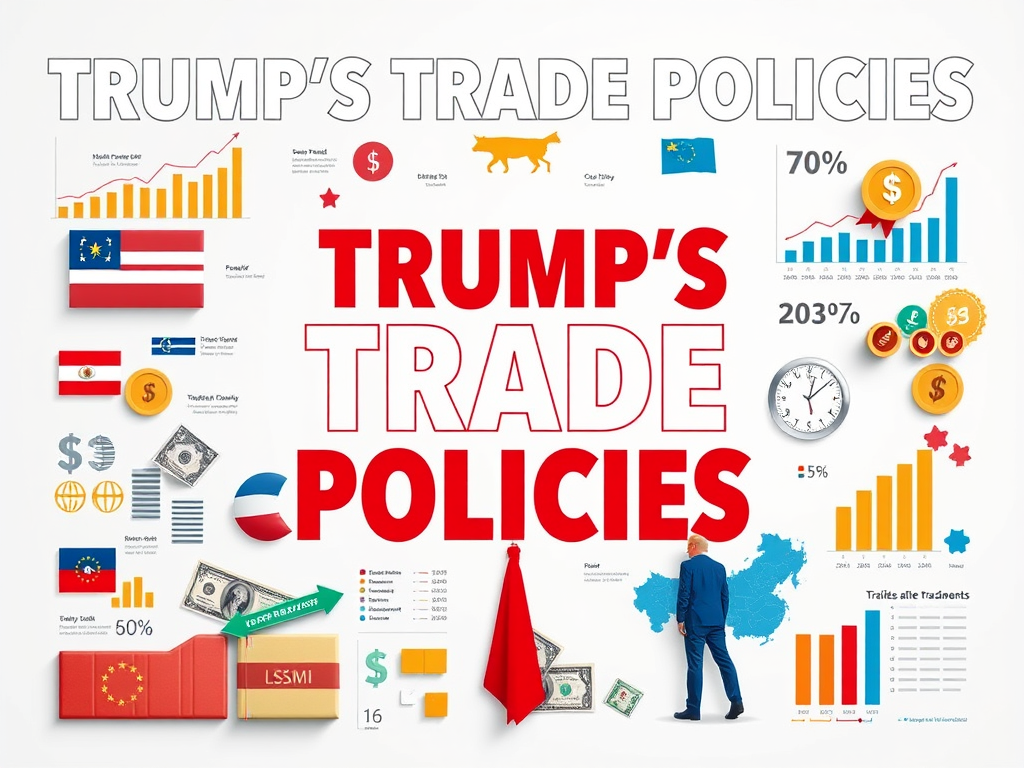
    President Donald Trump’s unconventional trade policies are sparking concern among his own supporters, a worrying trend for Republicans as they approach the 2026 elections. A recent POLITICO-Public First poll conducted in June revealed that between 25% and nearly 50% of Trump voters in 2024 are expressing doubts about various aspects of his tariff policies, particularly with regards to his approach to China.

    The survey’s findings serve as a red flag for the Republican Party, given the significant emphasis Trump has placed on trade and his promises to revitalize American industries. The president’s recent escalation of global trade tensions, marked by a series of aggressive tariff letters to other nations, has further fueled uncertainty and concern among his base.

    The poll highlights the risks Trump faces in losing supporters over his tariff moves. During his 2024 campaign, he pledged to reduce the cost of goods, but the uncertainty surrounding his trade wars threatens to disrupt the global economy and drive up inflation. This is a sensitive issue, as Trump has long criticized former President Joe Biden over inflation.

    Notably, approximately 1 in 4 self-identified Trump voters from 2024 believe that the president’s tariffs are hindering the United States’ ability to negotiate better trade deals with other countries. This skepticism is likely to be exacerbated by Trump’s recent threats to impose additional tariffs on August 1, as well as his introduction of new levies on trading partners via letters released on Truth Social, the social media platform he owns.

    While Trump has claimed that his tariffs will generate “big money” for America, the reality is that these costs are typically passed on to consumers by companies importing the goods. The tariffs imposed on imports such as steel, aluminum, and auto parts, as well as a baseline 10% duty on all foreign goods, have indeed brought in billions of dollars. However, the prices of some goods have increased as a result, with the cost of major appliances, many of which are imported from China, rising 4% between April and May.

    Some retailers have also cited tariffs as the reason for price hikes on goods like footwear and toys. This could ultimately undermine Trump’s campaign promises and erode support among his base, potentially jeopardizing Republican prospects in the 2026 elections.
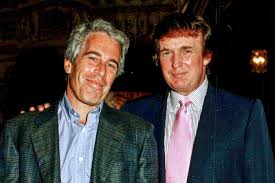
  • AG Pam Bondi’s Apparent Flip-Flop on Jeffrey Epstein Case Sparks Outrage and Controversy

    The Jeffrey Epstein sex trafficking investigation has taken a dramatic turn, with Attorney General Pam Bondi’s apparent flip-flop on the existence of a “client list” sparking outrage and controversy. The Department of Justice, led by President Donald Trump, has concluded that there is no evidence to suggest that Epstein kept a “client list” or that he was murdered in his jail cell. This revelation has left many questioning the administration’s handling of the case and the veracity of Bondi’s previous claims.

    In February, Bondi had intimated that a “client list” was sitting on her desk, fueling speculation and anticipation among far-right conservative personalities and influential members of President Trump’s base. However, the Justice Department and FBI have now stated that no such document exists. This abrupt reversal has led to a contentious conversation between Bondi and FBI Deputy Director Dan Bongino at the White House, threatening to permanently damage relations between the two officials.

    The decision to withhold records from the Epstein investigation has sparked a cascade of disappointment and disbelief, highlighting the struggles of FBI and Justice Department leaders to contain the fallout from conspiracy theories and amped-up expectations. The administration’s own claims of a cover-up and hidden evidence have contributed to the frenzy, making it increasingly difficult to resolve the matter.

    Bondi had previously ordered the FBI to provide the “full and complete Epstein files” after an FBI “source” informed her of the existence of thousands of pages of previously undisclosed documents. However, the DOJ’s latest statement suggests that these documents may not be as revelatory as initially thought.

    The inconsistency between Bondi’s previous statements and the DOJ’s current stance has raised eyebrows, with many questioning the attorney general’s credibility. The fact that Bondi claimed the Epstein client list was “sitting on my desk” for review, only for the DOJ to later declare it non-existent, has sparked accusations of a flip-flop.

    This is not the first time that Trump administration officials have failed to fulfill their pledge to deliver evidence that supporters had come to expect. The Epstein case has become a lightning rod for conspiracy theories and speculation, with many believing that the administration is hiding something. The DOJ’s decision to withhold records has only added fuel to the fire, ensuring that the controversy will continue to simmer.

    The American public deserves transparency and accountability, particularly in cases involving high-profile figures and allegations of sex trafficking. The DOJ and FBI must work to restore faith in their institutions and provide a thorough and impartial investigation into the Epstein case.

  • Newly Released Documents Support Whistleblower Claims Against Trump’s Judicial Nominee Emil Bove

    In a shocking turn of events, newly released emails and texts have corroborated allegations made by a whistleblower against Emil Bove, President Donald Trump’s nominee for a lifetime seat on the U.S. Court of Appeals for the 3rd Circuit. The documents, released by Senator Dick Durbin (D-Ill.) on Thursday, suggest that Bove led an effort within the Justice Department to disobey court orders and mislead a federal court.

    The allegations against Bove were first made by former DOJ lawyer Erez Reuveni, who filed a complaint last month claiming that Bove had instructed DOJ lawyers to tell judges who ruled against them to “fuck you.” Reuveni also alleged that Deputy Assistant Attorney General Drew Ensign willfully lied to the court in a removal case, and that he was repeatedly pressured to lie to the court and ultimately fired for refusing to do so.

    Bove, who previously served as Trump’s personal attorney, denied the allegations during his judicial nomination hearing before the Senate Judiciary Committee last month. He claimed that he “can’t recall” doing any of the things Reuveni accused him of doing. However, the newly released documents appear to contradict Bove’s testimony, in short he lied.

    According to Senator Durbin, the communications show “that the Department of Justice misled a federal court and disregarded a court order.” Durbin also stated that the documents demonstrate that Bove “spearheaded this effort, which demanded attorneys violate their ethical duty of candor to the court.”

    The revelations have significant implications for Bove’s nomination, as they raise serious questions about his integrity and fitness to serve on the federal bench. As a judicial nominee, Bove is expected to uphold the highest standards of ethics and integrity, and the allegations against him suggest that he may have fallen short of these expectations.

    Furthermore, the documents also reveal that Bove has made questionable statements about the Constitution. In one instance, he referred to a third-term president as an “abstract hypothetical scenario,” despite the fact that the 22nd Amendment explicitly forbids a president from serving more than two terms. This statement has raised concerns about Bove’s understanding of and respect for the Constitution.

    The release of these documents is a significant development in the controversy surrounding Bove’s nomination. The American people deserve judges who will uphold the law and act with integrity, and it is the Senate’s responsibility to ensure that only the most qualified and ethical candidates are confirmed to these important positions.

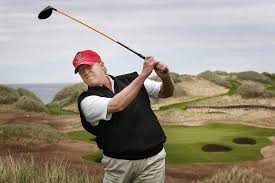
  • Trump’s Weekend Retreat: A Golf Getaway Amid Texas Floods

    Today, Trump is set to conclude a brief visit to Kerrville, Texas, where he will spend less than two hours surveying damage and delivering a photo opportunity amidst the devastation that has claimed the lives of over 120 people and displaced thousands more. The stark contrast between the gravity of the situation and Trump’s next destination—his private golf club in Bedminster, New Jersey—has not gone unnoticed.

    The president’s schedule illustrates a pattern many have come to recognize: a brief engagement replaced by weekends filled with leisure activities, including golf and social outings. Following his visit to Texas, Trump is expected to indulge in a weekend retreat filled with golf rounds and a soccer match.

    While some supporters might view this as Trump balancing his role as a public figure with personal leisure—a necessary escape from the burdens of office—critics argue that it reflects a profound disconnect from the struggles faced by thousands of families in Texas. The timing of his golfing retreat, just after a brief visit to a flood-ravaged region, raises questions about the priorities of leaders in times of crisis.

    Texas families whose lives have been disrupted, the photo opportunity may feel less like a gesture of solidarity and more akin to a brief pause before the former president retreats into the comfort of his golf club.

    In the end, MAGA voters, you get what you voted for—a president who often prioritizes leisure over the lingering challenges that define our nation. As the weekend approaches, the question remains: is this the representation you envisioned for the leadership role in America and the one Trump promised?

  • Trump’s Tariff Threat Against Brazil: A Self-Inflicted Blow to American Consumers

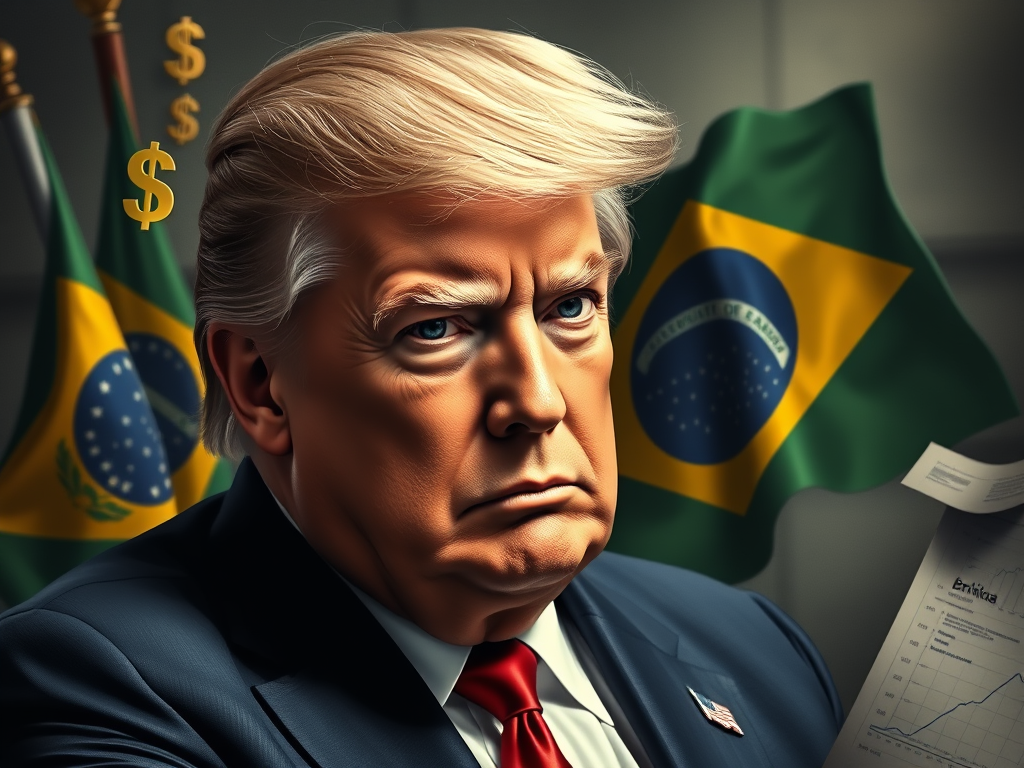
    In a move that has left many economists scratching their heads, President Donald Trump has threatened to impose a 50% tariff on all imported goods from Brazil, citing a political dispute as the reason. However, according to experts, this decision is likely to hurt everyday Americans more than the Brazilian government. In essence, Trump’s actions can be seen as “meddling in Brazilian politics by imposing a tax on Americans.”

    The tariff, which is being imposed under a “national emergency” declaration that allows Trump to unilaterally announce tariffs without Congressional input, is expected to have far-reaching consequences for American consumers. With Brazil being a significant trading partner, the U.S. imports a substantial amount of goods from the country, including coffee, juice, and other commodities. As a result, Americans can expect to pay higher prices for these everyday items, effectively amounting to a tax increase.

    As one economist put it, “You and I are going to be paying higher taxes at Starbucks, on juice, on all the things that we import from Brazil… in order to help the leader of a failed coup get off the hook.” This statement highlights the absurdity of the situation, where American consumers are being forced to bear the brunt of a political dispute that has little to do with them.

    What’s more, the U.S. actually has a trade surplus with Brazil, meaning that the South American country buys more goods from the U.S. than the U.S. imports from Brazil. This is in contrast to other countries that Trump has targeted with tariffs, such as China, with which the U.S. has a significant trade deficit. In the case of Brazil, the tariffs are unlikely to have any significant impact on the country’s trade policies, but will instead harm American consumers and businesses that rely on Brazilian imports.

    The question on many minds is: what is the logic behind Trump’s decision to impose tariffs on Brazil? Is it a genuine attempt to influence Brazilian politics, or is it simply a case of misguided protectionism? Whatever the reason, one thing is clear: American consumers will be the ones paying the price for Trump’s actions. As the tariffs take effect, it remains to be seen how long it will take for the consequences of this decision to become apparent, and whether Trump will reconsider his approach in the face of mounting criticism.

  • Exposing the Lies: OBBB and Social Security Misconceptions

    The claims made by the White House, President Trump, and Republican members of Congress regarding the One Big Beautiful Bill (OBBB) are patently false. Contrary to their assertions, the OBBB does not eliminate taxation on Social Security benefits. In fact, this is a promise that Trump made during his campaign, which the bill fails to deliver.

    The so-called changes to Social Security promised by Trump and his Republican congressional majority are more than just unrealistic—they’re a blatant fantasy! Enter the OBBB, strutting in with an enhanced tax deduction that claims to ease the financial strain on households by reducing annual income, including Social Security benefits. But don’t be fooled—this deduction is a mere mirage, set to disappear just four years after Trump leaves office. And here’s the kicker: this so-called relief will leave a significant number of Social Security recipients high and dry, especially those aged 62-64, who are outright ineligible for this fleeting handout.

    The White House has engaged in a blatant disinformation campaign, exemplified by a July 1 press release that falsely claimed the OBBB makes “No Tax on Social Security a Reality.” The Social Security Administration (SSA) has also been complicit in spreading this misinformation, sending out notifications to beneficiaries that wrongly stated the OBBB eliminates taxes on Social Security.

    Notably, the mainstream media has failed to condemn the Trump administration’s politicization of the SSA’s communications with Social Security beneficiaries. This lack of scrutiny has allowed the administration to misrepresent the OBBB’s impact on Social Security taxation and obscure its true effects on the program.

    The reality is that the OBBB does not eliminate taxes on Social Security benefits; instead, it weakens the program’s ability to pay out full benefits to current and future beneficiaries. The truth must be told: the Trump administration’s claims about the OBBB are false, and the bill’s actual provisions will have a negative impact on Social Security’s long-term viability. It is essential to correct the administration’s misinformation and ensure that the public is aware of the OBBB’s true consequences for Social Security.

  • The Irony of Red Counties: How Rural America Relies on the Government They Love to Hate

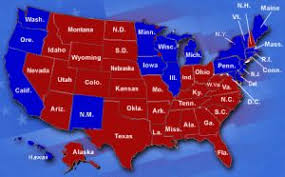
    Rural America, often a bastion of conservative values and Republican strongholds, has a surprising secret: they rely heavily on government support. Despite their vocal disdain for government intervention, rural counties receive a significant portion of their personal income from government transfers, including Social Security, Medicare, and Medicaid. This phenomenon is particularly pronounced in the South, where rural areas appear to be almost entirely dependent on government assistance.

    The demographics of rural America play a significant role in this trend. With younger people fleeing to urban areas for better job opportunities, rural regions have a higher proportion of older residents. As a result, these areas have a larger share of individuals drawing Social Security and Medicare benefits. Additionally, rural areas are more dependent on Medicaid, which provides healthcare coverage to low-income individuals and families.

    In contrast, metropolitan areas around major cities like Boston, Chicago, Dallas, Houston, Los Angeles, New York, Philadelphia, and San Francisco show minimal to moderate reliance on government transfers, with less than 25% of personal income coming from these sources. This disparity highlights the stark difference in economic realities between urban and rural America.

    The political implications of this trend are striking. Rural areas, which tend to lean heavily Republican, voted overwhelmingly for Donald Trump in the 2016 election, with farming-dependent counties supporting him at an average of 78%. This raises questions about the motivations behind their voting behavior. Were they genuinely interested in reducing government intervention, or were they swayed by other factors, such as social issues or perceived moral superiority?

    It’s ironic that rural Republican voters, who often espouse self-reliance and limited government, are actually more dependent on government support than their urban counterparts. Meanwhile, the wealthy elite, like Elon Musk, continue to receive tax cuts and other benefits, perpetuating the notion that the system is rigged in favor of the wealthy and powerful.

  • Trump Threatens to Impose 200% Tariffs on Pharmaceutical Imports

    In a move that has sent shockwaves through the pharmaceutical industry, President Donald Trump has floated the idea of imposing 200% tariffs on pharmaceutical imports “very soon”. The proposal, announced during a Cabinet meeting, has sparked concerns among drug companies and experts, who warn that such a move could lead to chaos and exacerbate existing drug shortages.

    According to Trump, the tariffs would target pharmaceuticals and other related products imported into the country. “If they have to bring the pharmaceuticals into the country, the drugs and other things into the country, they’re going to be tariffed at a very, very high rate, like 200 percent,” he said. The threat has left the industry bracing for the worst, with companies scrambling to assess the potential impact on their supply chains and bottom lines.

    The imposition of 200% tariffs would have far-reaching consequences, disrupting international supply chains and forcing companies to make difficult decisions about how to absorb the increased costs. One possible outcome is that companies may choose to pass on the costs to patients, which could lead to higher prices for life-saving medications. This, in turn, could exacerbate existing drug shortages, leaving vulnerable patients without access to the treatments they need.

    The pain from tariffs could be much more immediate, with companies and patients feeling the effects long before any potential benefits materialize. One thing is clear: the consequences of such a move would be far-reaching and potentially devastating for patients and companies alike.

    The pharmaceutical industry is already struggling to cope with existing challenges, including supply chain disruptions and manufacturing shortages from Trump’s previous tariffs. The addition of 200% tariffs would only add to these pressures, creating a perfect storm of uncertainty and instability.

  • If America Does Not Stand With Ukraine, What Do We Stand For?

    The recent decision by President Donald Trump to cancel a planned weapons shipment to Ukraine has sent shockwaves around the world, raising concerns about the United States’ commitment to defending democracy and sovereignty. This move is not only a betrayal of Ukraine’s trust but also a sign of weakness in the face of Russian aggression.

    Ukraine has been embroiled in a conflict with Russian-backed separatists in the eastern part of the country since 2014, resulting in the loss of thousands of lives and the displacement of millions of people. The international community, including the United States, has consistently condemned Russia’s actions and provided support to Ukraine in its efforts to defend its territory and democratic institutions.

    The canceled weapons shipment, which included anti-tank missiles and other defensive equipment, was a critical component of Ukraine’s ability to defend itself against Russian aggression. By canceling this shipment, the Trump administration is effectively abandoning Ukraine to the mercy of its more powerful neighbor, undermining the country’s ability to protect its sovereignty and territorial integrity.

    This decision is not only a strategic mistake but also a moral failure. If the United States is not willing to stand with Ukraine in the face of Russian aggression, what do we stand for? Do we not believe in the principles of democracy, freedom, and self-determination? Do we not recognize the importance of defending the sovereignty and territorial integrity of nations against external threats?

    The implications of this decision go far beyond Ukraine. If the United States is willing to abandon a country that is fighting for its very existence, what message does this send to other nations around the world? Does it not embolden authoritarian regimes and aggressors to pursue their expansionist agendas, knowing that the United States will not stand in their way?

    This decision undermines the credibility of the United States as a global leader and a defender of democracy. If we are not willing to stand up to Russian aggression in Ukraine, how can we expect other nations to trust us to defend their interests and security? The consequences of this decision will be far-reaching, damaging the reputation of the United States and emboldening our adversaries around the world.

    Standing with Ukraine would be a powerful statement of American values and principles. It would demonstrate our commitment to defending democracy, freedom, and sovereignty, and our willingness to stand up to authoritarian regimes and aggressors. It would also send a strong message to Russia and other nations that the United States will not tolerate aggression and expansionism, and that we will defend our allies and partners around the world.

    Trump’s decision to cancel the weapons shipment to Ukraine is a sign of weakness and a betrayal of American values. If we do not stand with Ukraine, what do we stand for? We must recognize the importance of defending democracy, freedom, and sovereignty, and we must be willing to take a stand against authoritarian regimes and aggressors. The United States must reaffirm its commitment to Ukraine and the international community, and we must work to strengthen our alliances and partnerships around the world to defend our shared values and interests.

  • Texas Flooding Disaster: A Tragedy Exacerbated by Climate Crisis

    The recent flooding in Central Texas has resulted in a devastating loss of life, with over 80 people, including dozens of young summer camp attendees, killed in the disaster. The tragedy has been intensified by the fossil fuel-driven climate crisis, and critics argue that it could have been mitigated with more effective warnings and preparedness measures. However, instead of taking responsibility, Texas officials and President Donald Trump have attempted to shift the blame to the National Weather Service (NWS), which has been severely understaffed due to the Trump administration’s cuts.

    In a blatant attempt to deflect criticism, President Trump falsely claimed that “nobody expected” the flooding and that NWS staff “didn’t see it.” However, this is not supported by the facts. The NWS had issued warnings about the potential for severe flooding, but the agency’s ability to communicate effectively with local emergency managers and the media has been compromised by the lack of personnel. In May, CNN reported that 30 of the NWS’ 122 weather forecast offices were without a meteorologist-in-charge, a critical position that ensures timely and accurate communication of weather forecasts and warnings.

    The understaffing of the NWS is a direct result of the Trump administration’s efforts to gut the agency. The administration’s budget request to Congress would eliminate all climate research at the National Oceanic and Atmospheric Administration (NOAA), the parent agency of the NWS. This move would not only hinder the agency’s ability to predict and prepare for extreme weather events but also undermine the country’s ability to address the climate crisis.

    Furthermore, Texas lawmakers and the Governor have also failed to take action to improve local disaster warning systems. Earlier this year, they refused to pass a bill that would have enhanced warning systems, and officials in Kerr County, where most of the deaths occurred, had considered installing a warning system years ago but decided against it due to the perceived high cost. This lack of investment in disaster preparedness has had deadly consequences.

    To make matters worse, on July 4, Trump signed into law the GOP’s budget reconciliation bill, which will curtail clean energy and expand fossil fuel combustion, further exacerbating the climate crisis. This move is a stark example of the administration’s priorities, which seem to favor the interests of the fossil fuel industry over the safety and well-being of the American people.

    Instead of attempting to shift the blame, government officials must take responsibility for their inaction and work to improve disaster preparedness and warning systems. This includes investing in climate research, enhancing the capacity of agencies like the NWS, and transitioning to clean energy sources. The lives lost in Texas are a stark reminder of the devastating consequences of climate inaction, and it is imperative that we learn from this tragedy to prevent similar disasters in the future.