Republicans, known for their unwavering disapproval, have surprisingly softened their stance on certain issues in the past. Just look at how their approval of the Jan. 6, 2021, insurrection increased from 16% to 31% by June 2022. Now, election denialism seems to be a must-have accessory for Republican politicians.
It’s almost comical how leaking military plans over an unsecured phone app by the Trump administration is now being brushed off by the MAGA crowd. God help us all!
In New York, the S&P 500 was down 0.8%, marking one of its worst losses in recent years. The index is poised to conclude the first quarter of the year with a 5.9% loss, potentially making it the worst quarter in nearly three years. The Dow Jones Industrial Average also saw a decline of 111 points, or 0.3%, as of 10:10 a.m. Eastern time, while the Nasdaq composite dropped by 1.7%.
The primary reason for these market fluctuations is the impending Trump tariffs. Economists at Goldman Sachs anticipate that Trump will announce an average reciprocal tariff of 15%, leading them to adjust their forecasts for inflation and U.S. economic growth for the remainder of the year. They have also raised concerns about a potential 35% chance of recession within the next year, up from an earlier forecast of 20%. This shift reflects a decrease in growth projections, declining confidence, and indications from White House officials suggesting a willingness to endure economic hardships.
The uncertainty surrounding these tariffs could prompt U.S. households and businesses to curtail their spending, thereby impacting an economy that had been performing well at the end of last year.
The report, which cited two U.S. officials, has raised eyebrows, especially considering Musk’s business interests in China, a major U.S. adversary, as the country plays a significant role in Tesla manufacturing.
Elon Musk, now a so-called defense expert, is strangely entangled in slashing federal jobs and undermining our veterans. Can we genuinely afford to have a South African immigrant privy to such sensitive and classified information? It feels like there’s a far more sinister agenda at work, aimed at dismantling our federal agencies and eroding crucial services. This scenario reads like a chilling plot from a dystopian novel, where a foreign power infiltrates and takes control of the United States from the inside! And let’s not overlook Trump’s cozy relationship with Russia and his alarming shift in stance on Ukraine.
The plans to brief Musk on the top-secret preparations have been independently confirmed by several news outlets. However, it remains unclear if the briefing will proceed following these reports.
Musk is reportedly planning to cut up to 60,000 civilians from the Defense Department, according to a senior defense official. It does not sound like Trump and Musk are truly serious about protecting the United States. Once again, it reads like a plot of a takeover of the United States.
Despite the new requirement for stricter identity verification measures to combat fraud, they say but who can believe this bunch, these closures will force millions of recipients and applicants to physically visit agency field offices instead of simply speaking with agency employees over the phone. Rep. Lawler, who has been enthusiastically endorsing DOGE’s antics, is now facing backlash from his constituents who are bearing the brunt of these closures.
Perhaps in 2026, New York will elect a new congressman who prioritizes representing the people over cozying up to billionaire buddies like Musk. Until then, it seems like Lawler will continue to put his own interests above those of his constituents.
The anguish we are witnessing today, fueled by Trump and Elon Musk, is truly staggering—the scale of global suffering and tragedy is beyond comprehension. For years, U.S. aid in Africa stood as a radiant beacon of hope for millions, delivering essential support for HIV prevention, vaccines, clean water, and food. This fostered goodwill towards America. Yet now, this crucial aid has been obliterated, and experts are sounding the alarm: if Trump persists on this reckless course, millions could face devastating consequences within just a year.
The United States has poured invaluable resources into uncovering one of Russia’s most despicable war crimes: the heart-wrenching abduction of thousands of Ukrainian children for the abhorrent purpose of forced adoption by Russian families. The Conflict Observatory, a critical initiative backed by the State Department, assembled crucial data on these vulnerable missing children, key for any future efforts to reunite them with their devastated families. It’s utterly shocking that the State Department has abruptly terminated their contract, fueling fears that this vital database may have been carelessly erased forever. And disturbingly, Trump now chooses to align himself with our long-standing adversary, Russia, rather than standing up for the principles of democracy!
In 2024, Donald Trump made a powerful comeback to the White House, surfing the tidal wave of a collective amnesia that swept across the nation. Despite his deeply troubling ties with foreign dictators, the disastrous mishandling of the COVID pandemic, and his blatant attempts to subvert the 2020 election, a staggering number of voters chose to bury these egregious transgressions in favor of addressing urgent issues like skyrocketing grocery and rent prices. Trump’s magnetic appeal to young voters, who had never witnessed a political landscape unmarred by his divisive politics, was a pivotal factor in his victory.
The America of the past, despite its imperfections, was undeniably a beacon of hope and progress. Those who profess to tear it down, cloaked in the guise of restoring its former glory, are, in truth, pursuing a reckless and destructive agenda, Project 2025. Take Elon Musk as an example—a South African immigrant with no real ties to the America we once knew. They move forward with a carefree attitude, vowing to mend the havoc they wreak when the time comes, but the damage they inflict is far too grave to simply brush aside.
It was a source of pride to be a nation that cared for HIV-infected babies in Africa, saving lives for mere pennies a day. It was a nation that prioritized compassion and humanitarian aid. Let us not forget the values that once defined us and strive to reclaim our identity as a nation that cares. Let’s Make America Great Again.
This move has been condemned by consumer rights and democracy advocates as yet another abuse of power by the twice-impeached Republican felon. The White House announced the termination of these commissioners, who were responsible for enforcing civil antitrust laws and protecting consumers.
The FTC, an independent agency established 111 years ago to combat fraud and monopolies, is now being manipulated by Trump to please his billionaire cronies. By disregarding the rule of law, the president is causing long-lasting damage to consumer protection. It’s a dangerous game that puts the interests of the wealthy elite above those of the American people.
It is evident that the commissioners who were unlawfully terminated will pursue legal action to uphold both the law and principles of common sense.
In recent days, the Trump Administration has faced significant legal setbacks as their actions have been deemed in violation of the law by the US Court system.
Now, Supreme Court Chief Justice John Roberts has issued a stern warning to Trump. In response to Trump’s calls for the impeachment of a judge who ruled against him, Chief Justice Roberts defended the federal courts. He stated that impeachment is not an appropriate response to judicial decisions, as there is a normal appellate review process in place for that purpose.
Trump has been particularly fierce in his call for the impeachment of U.S. District Judge James Boasberg, following Boasberg’s bold decision to order two deportation flights to be turned around. Outraged, Trump invoked the Alien Enemies Act of 1798 in an attempt to justify the deportations, claiming that those on board were part of a violent Venezuelan gang. Yet, Boasberg stood firm, ruling that even if they were indeed gang members, a mere gang cannot be equated with the legal status of a hostile foreign government. The Trump Administration shockingly failed to provide any evidence to support their claims of gang membership!
It is evident that the Trump administration is blatantly disregarding the orders of our court system, the very system that protects our rights. Regardless of personal opinions, we must uphold our system of rights that safeguards us all.
If we fail to defend our rights, we risk losing them. Remember, might does not make right. We are governed by a system of laws, not by kings. Stand up for justice before it’s too late.
The Alien Enemies Act, a law intended for wartime situations, has historically only been utilized during wars declared by Congress. This law is meant to be a last resort, to be invoked only in times of actual emergency, requiring Congress’ involvement as the sole authority to declare war.
The rule of law must prevail, especially when it comes to legal actions taken by Team Trump under the Alien Enemies Act. Challenging the presidential declaration and seeking legal recourse is not only acceptable but necessary to ensure justice is served.
It is time to prioritize the well-being of America and uphold the rule of law. Elon Musk’s interference in legal matters is unwelcome, and it is time for him to step back and let the experts handle the situation. Just an idea, lets deport the immigrant Elon Musk and work towards making America great again!
One of the fundamental principles we, as Americans, cherish is the belief in the rule of law. Judges and courts are meant to ensure that everyone is treated fairly and that no one is above the law.
However, this weekend, the Trump administration has thrown this principle into chaos. The administration has brazenly defied federal court orders that sought to limit the deportation of immigrants without due process. Despite a judge’s order to halt the removal of Rasha Alawieh, a kidney transplant specialist at Brown University, authorities went ahead and deported her. Additionally, around 250 Venezuelan migrants were deported, in direct violation of another judge’s directive to turn American planes around.
In a final act of lawlessness, Trump declared in the early hours of Monday morning that Biden’s preemptive pardons for Jan. 6 committee members are “void” because they were allegedly signed by autopen. This assertion is unequivocally false.
The actions of the Trump administration this weekend paint a chilling picture of a leader who believes he is above the law and can act with impunity. The very fabric of our democracy is at stake, and it is imperative that we stand up against this assault on our legal system.
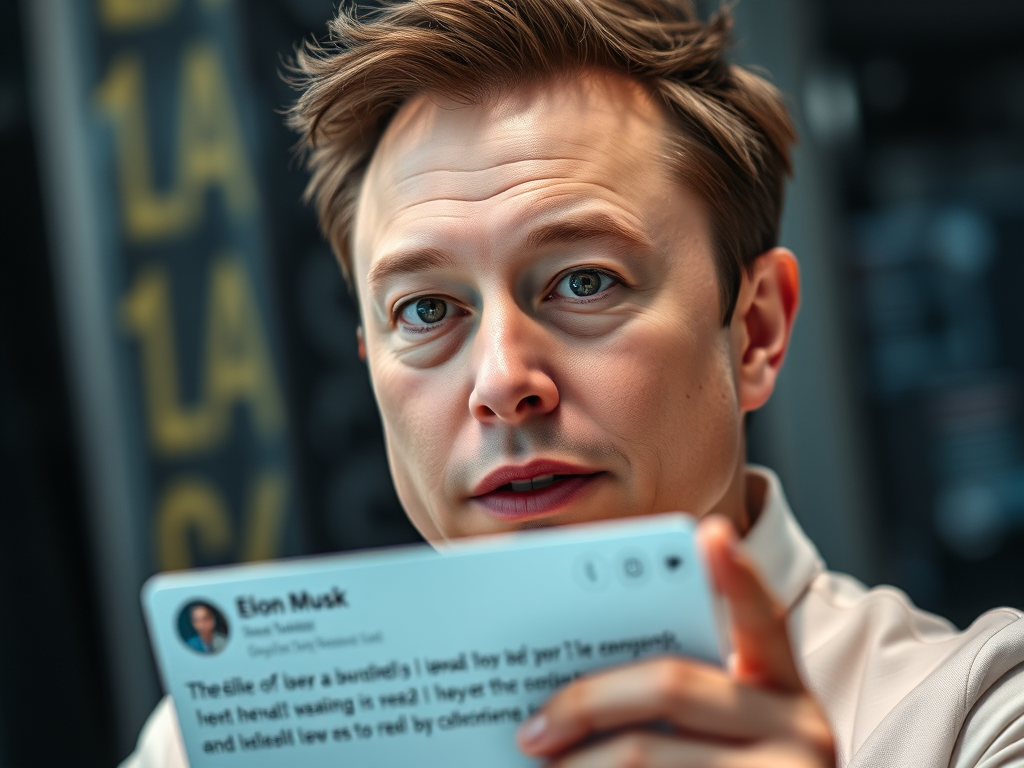
Elon Musk’s latest social media post has ignited a fierce controversy, as he audaciously shifted the responsibility for the mass atrocities committed by tyrants like Stalin, Mao, and Hitler onto “public sector employees.” This shocking claim, made on Musk’s X account, seems to trivialize the unspeakable horrors inflicted by these infamous leaders while shamefully redirecting blame toward government workers. It’s revealing that Musk swiftly deleted the post.
The post specifically references Stalin, Mao, and Hitler, highlighting the millions of lives lost under their brutal regimes. Stalin’s reign of terror in the Soviet Union, Mao’s disastrous policies in China, and Hitler’s genocide during World War II are well-documented historical tragedies that cannot be dismissed by blaming faceless bureaucrats.
What makes Musk’s repost even more alarming is his current role as the head of the so-called Department of Government Efficiency, where he has been actively firing federal employees, including those in crucial roles at agencies like the National Weather Service and FEMA. This pattern of behavior raises concerns about Musk’s motives and the impact of his decisions on the functioning of the government.
It is evident that Elon Musk holds troubling beliefs and wields significant power through his influence on social media and within the federal government. The question remains: why is President Trump allowing someone with such controversial views and actions to have such a significant impact on the government and its employees? The implications of Musk’s actions are far-reaching and demand closer scrutiny and accountability.




 Blue Press Journal