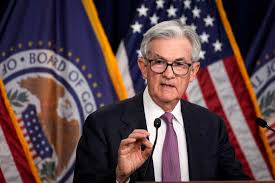
Trump DOJ’s Attack on Federal Reserve Independence Threatens U.S. Economic Stability
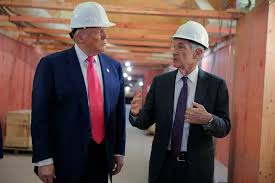
Blue Press Journal (DC) – In a stunning and unprecedented move, the Trump Administration’s Department of Justice (DOJ) has issued subpoenas to the Federal Reserve and threatened criminal indictment against Fed Chair Jerome Powell. The action stems from Powell’s testimony before the Senate Banking Committee in June regarding the Fed’s $2.5 billion renovation of two office buildings — a project President Trump criticized as excessive.
While the stated justification for the investigation is alleged misuse of taxpayer funds, Powell has bluntly called the charges a “pretext” designed to undermine the central bank’s independence. This is not a routine dispute over budgetary planning — it is a direct confrontation that could shatter the long-standing separation between America’s political leadership and its monetary policy authority.
Why the Federal Reserve’s Independence Matters
The Federal Reserve is not a partisan institution. Its ability to set interest rates based solely on economic data, rather than political pressure, is a cornerstone of stable economic governance. Market confidence in the U.S. dollar, Treasury bonds, and the overall financial system depends heavily on the perception that Fed decisions are insulated from political whims.
If political actors can intimidate or remove Fed officials for refusing to follow a preferred interest rate path, the consequences will be severe. Investors may begin to doubt whether U.S. monetary policy is being driven by sound economic analysis or short-term electoral calculations. That uncertainty could increase borrowing costs, destabilize markets, and weaken the dollar’s position as the world’s reserve currency.
The Risk to Markets and the Economy
President Trump has repeatedly attacked Powell for not cutting interest rates as aggressively as he wants — especially with an eye toward stimulating short-term growth. But artificially low rates set for political purposes can have damaging effects:
- Inflation Risk: Sustained rate cuts without economic justification can overheat the economy, driving up consumer prices.
- Asset Bubbles: Cheap credit can fuel excessive speculation in housing, stocks, and other markets, leading to bubbles that eventually burst.
- Weakened Global Confidence: If international investors believe the Fed is being controlled by political operatives, they may reduce exposure to U.S. assets, raising borrowing costs and hurting the dollar.
History offers clear warnings. Countries where central banks have been politicized — such as Turkey and Argentina — often face runaway inflation, capital flight, and prolonged economic instability.
Weaponizing the DOJ Against Independent Institutions
The DOJ’s role in this episode is equally troubling. Traditionally, the Justice Department has operated independently from the White House, refraining from targeting political adversaries without clear and compelling evidence. Under the Trump Administration, however, the DOJ has pursued investigations against a growing list of perceived opponents.
Serving subpoenas to the Fed in the midst of a dispute over interest rates sends a chilling message: any independent official who resists political directives could face criminal investigation. This politicization of law enforcement erodes public trust, not only in the DOJ but in the broader legal system.
Even some Republican lawmakers are sounding alarms. Senator Thom Tillis of North Carolina has stated that this legal maneuver removes any doubt about efforts within the administration to dismantle the Fed’s independence — warning that credibility is now at stake for both the DOJ and the Federal Reserve.
Short-Term Politics, Long-Term Damage
While the administration may view the investigation as a way to pressure Powell into lowering rates before his term ends in May, the long-term damage far outweighs any short-term gain. The moment global investors suspect that U.S. monetary policy is politically manipulated, they will adjust their strategies — moving capital elsewhere, demanding higher returns on U.S. debt, and hedging against instability.
Economic stability is built on trust in the institutions that manage it. Undermining that trust for political advantage is a dangerous gamble that could cost the United States dearly.
Defending the Fed Means Defending the Economy
The Federal Reserve’s independence is not a luxury — it is a necessity. Strong economies require central banks to act based on evidence, not election-year strategy. The Trump DOJ’s aggressive move against Jerome Powell is about more than building renovations; it is about whether America’s monetary policy will remain guided by data and public interest, or whether it will be subordinated to political intimidation.
If history teaches us anything, it’s that once the credibility of a central bank is lost, restoring it is painfully difficult. The United States must resist any effort to politicize the Fed — because protecting its independence is protecting the future of the American economy.
 Blue Press Journal