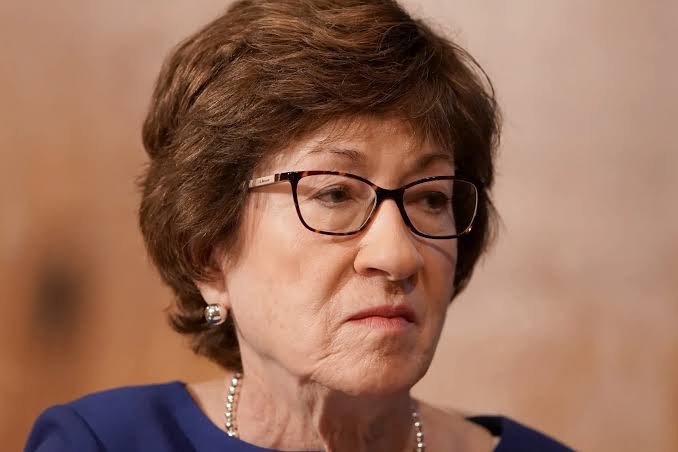
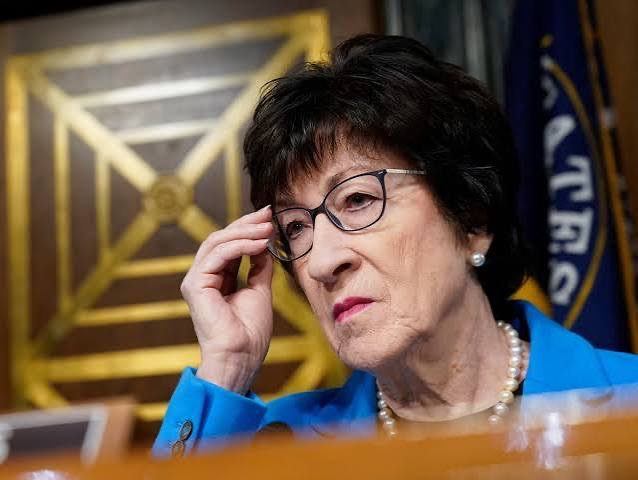
A new ProPublica report details a potentially explosive source of controversy in the re-election bid of Sen. Susan Collins (R-Maine) , shifting Democratic criticism of the senator away from her legislative voting record and towards allegations of significant political corruption.
The report follows up on an investigative trail beginning with Martin Kao, the former CEO of defense contractor Navatek, a Hawaii-based company. At the time of the 2022 campaign finance indictment, Kao was cooperating with federal authorities and met with Scott Reed, who headed a super PAC that had been associated with Collins. Kao allegedly offered to provide a $500,000 donation to the super PAC, which would have circumvented contributions from government contractors to get around bans on donations from government contractors in order to secure dozens of millions of federal naval contracts for Navatek. Reed supposedly assured Kao that the senator would be aware of where the money came from, and internal emails later suggested that Collins was committed to obtaining $32 million in contracts.
FBI agents had investigated the possibility of a bribery investigation connected to these allegations, but the probe died out after the new election cycle began, and federal law enforcement purges, particularly those orchestrated by the Trump administration, that undermined public corruption investigations. An FBI spokesperson said that the bureau ultimately found nothing implicating Collins or her campaign.
Collins’ office and campaign have strongly rebutted the allegations, describing Kao’s statements as “outlandish” and noting that the campaign was never a target of FBI investigation, cooperating fully with authorities.
Despite these denials, the report threatens to derail the final weeks of the Maine Senate race, with Collins’ Democratic rival, Troy Jackson, quickly capitalizing on the story, claiming the allegations represented “corruption of the highest order” and calling for full transparency, which is sure to be a major issue for voters ahead of election day.