Tag: trump

  • Legal Lines Crossed? New Details Emerge as Lawmakers Scrutinize U.S. Boat Strikes near Venezuela

    The U.S. military’s intensified campaign against alleged drug smuggling vessels in international waters near Venezuela is now facing rigorous congressional demand for transparency and legal justification. While touted as a crucial counter-narcotics effort, new information revealed to lawmakers this week concerning a specific boat strikes incident—and the broader rules of engagement—has pushed the controversy into urgent national security discussions.

    Lawmakers on key oversight committees learned chilling new operational details about the highly scrutinized September 2 strikes, particularly surrounding the fates of the victims.

    The Revelation: Firing on Survivors

    The military campaign, which began as the first time the U.S. military actively sought to destroy vessels allegedly carrying drugs, but no evidence give, has so far resulted in the destruction of over 20 boats and the deaths of more than 80 people. However, the September 2 incident stands out because of the alarming confirmation that the U.S. military opened fire on individuals who had already survived the initial assault.

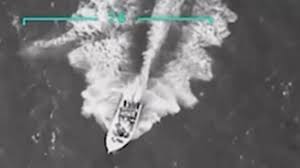
    Members of Congress were briefed that after the first strike disabled the vessel, the U.S. military conducted a follow-up action, firing upon two individuals who were reportedly clinging to the wreckage. This revelation immediately complicates the narrative of operational necessity and raises severe questions regarding the standing rules of engagement in non-declared conflict environments.

    The legal underpinnings of President Donald Trump’s military campaign in international waters are now under intense scrutiny and the international community. Democratic lawmakers argue that the lack of clear legal precedent for escalating force in areas where the U.S. has no official combat mandate demands a thorough accounting of the rationale and authorization chain. Clearly congress is the only authority that can declare war, not the president.

    The Admiral’s Testimony

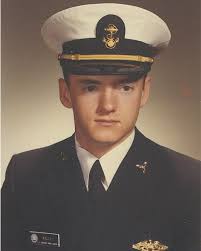
    The key figure in the initial decision-making process, Navy Adm. Frank “Mitch” Bradley, who ordered the controversial strikes, testified this past week before national security committees. His testimony was central to understanding the operational intelligence that underpinned the decision to use deadly force.

    Crucially, lawmakers were provided with details about the alleged destination and purpose of the targeted vessel. According to sources familiar with the classified briefings, the naval forces believed the boat was not merely carrying narcotics, but was:

    “Heading toward a scheduled link-up with another vessel bound for Suriname.”

    Other reports suggested simply that the vessel was heading south when it was engaged. Regardless of the slight variation in the directional details, these briefings attempted to confirm the high-value nature of the target and the intelligence driving the escalation.

    Seeking Legal Clarity and Accountability

    Lawmakers overseeing the national security apparatus are demanding answers on several fronts: the proportionality of force used, the legal authority governing operations in international drug interdiction, and the adherence to conventions regarding the treatment of survivors and non-combatants.

    The fundamental legal debate centers on whether the expansive counter-narcotics campaign, which involves destroying vessels and resulting in high casualty rates, operates within or beyond accepted maritime enforcement limits.

    The campaign’s destruction of over two dozen vessels and loss of lives heightens the inquiry’s seriousness. The congressional investigation targets not just the tactical error of the September 2 strike but questions the military’s entire posture in this region’s legality and morality.
  • ObamaCare’s Ticking Clock: Moderate Republicans Urge Action Before Election Fallout

    Blue Press Journal – As the calendar pages dwindle, a palpable sense of urgency – and mounting frustration – is spreading through a segment of the House Republican conference. The looming expiration of enhanced ObamaCare tax credits is creating a stark dilemma for moderate Republicans, many of whom fear that a failure to act could have significant, negative repercussions for the party’s slim majority in the crucial 2026 midterm elections.

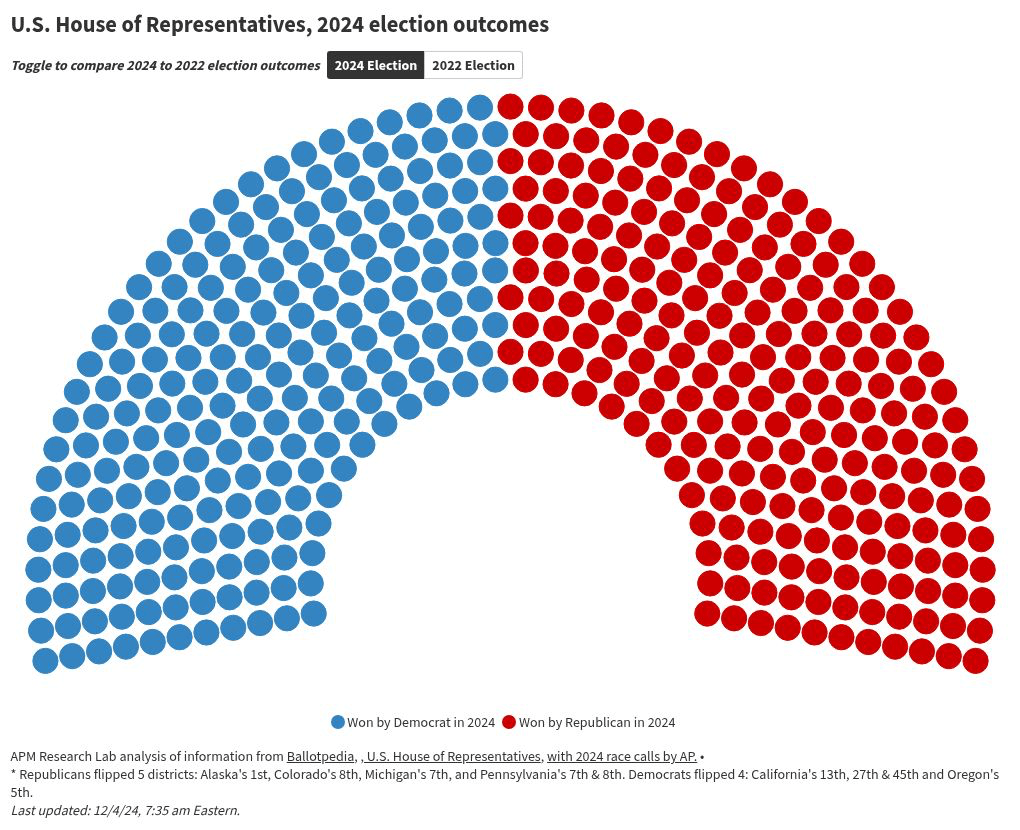
    With less than ten legislative days remaining before millions of Americans brace for substantial increases in their health insurance premiums, a vocal group of centrist GOP lawmakers is making a strong case for extending these subsidies. Currently, these credits are a lifeline for over 20 million individuals, making healthcare more affordable. However, their pleas are encountering stiff resistance from Speaker Mike Johnson (R-La.) and a more conservative wing of the party. These members view the subsidies as a fundamental flaw within the Affordable Care Act and are largely opposed to any extension. Republicans currently hold 219 seats while the Democrats have 213.

    The path forward is cluttered with competing ideas. Proposals range from one- to two-year extensions, with some attempting to incorporate restrictions like income caps or the elimination of zero-premium plans. Yet, despite these varying approaches, a consensus remains elusive, and none of the proposed plans have secured a commitment for a floor vote.

    Leading the charge for a pragmatic solution are Representatives like Don Bacon (R-Neb.), Jeff Hurd (R-Colo.), and Brian Fitzpatrick (R-Pa.), who are advocating for a two-year extension. Simultaneously, a bipartisan framework spearheaded by Representatives Jen Kiggans (R-Va.) and Josh Gottheimer (D-N.J.) has garnered some traction, but has been met with a firm rejection from top Republican leadership.

    For these moderate Republicans, the principle of ideological purity is clashing with the realities of effective governance. As Representative Jeff Van Drew (R-N.J.) put it, the current inaction is akin to “buffoonery,” highlighting both the potential political fallout and the very real human cost of allowing healthcare premiums to skyrocket. Others, such as Representative Kevin Kiley (R-Calif.), are emphasizing the broad agreement that exists across different factions to at least pass a temporary fix, thereby averting public anger and protecting vulnerable Republican incumbents.

    Even the White House weighed in, proposing a two-year extension that included some conservative-leaning reforms. However, this initiative was quickly withdrawn amidst internal Republican opposition. Speaker Johnson has publicly committed to presenting a leadership-backed plan before the end of the year, but the specifics of this proposal remain shrouded in uncertainty.

    As internal Republican party tensions escalate, the clock is relentlessly ticking. The decision made in the coming days – or lack thereof – on extending these vital ObamaCare tax credits will undoubtedly carry significant weight, impacting not only the health and financial well-being of millions of Americans but also the political fortunes of Republican lawmakers fighting for their seats in a challenging electoral landscape.

  • Donald Trump’s Economic Policies: Analyzing Inflation and Consumer Sentiment

    Blue Press Journal – As the economic landscape of the United States continues to evolve, the influence of policies, particularly those of Donald Trump, remains a critical topic of discussion. Promising to combat inflation “on day one” of his presidency, Trump’s economic policies aimed to create a vigorous and prosperous economy. However, a closer examination reveals a contrasting reality, marked by persistent inflation and declining consumer sentiment.

    Inflation Trends Under Trump’s Policies

    Inflation in the U.S. has remained stubbornly high, recently reported at 3%, a figure that represents a significant trend upward since April 2025. This uptick coincided with Trump’s announcement of his tariff program, a keystone of his economic strategy. Tariffs were intended to protect American industries by taxing imports, thereby making domestically produced goods potentially more competitive. However, a side effect of such measures has been an increase in prices, as businesses often pass on the costs of tariffs to consumers.

    Despite Trump’s assertion that there is “virtually no inflation” during his presidency, the reality has proved otherwise. In a bid to highlight the achievements of his administration, Trump often pointed to positive economic indicators, such as low unemployment rates and stock market performance, neglecting to address the inflationary pressures that were beginning to mount. As businesses grappled with increased costs, many consumers were left to shoulder the burden through higher prices on goods and services.

    The Disconnect Between Policy and Consumer Experience

    Trump’s commitment to ending inflation was a significant part of his campaign rhetoric, promising a return to “better economic times.” Yet, as inflation has persisted, many Americans find themselves increasingly discontent with their financial situations. According to a recent report by Bloomberg News, consumer sentiment has plummeted to near-record lows, with personal finance perceptions at their dimmest since 2009.

    The ongoing inflation crisis is deeply intertwined with consumer sentiment. As prices rise, the purchasing power of the average American decreases, causing anxiety and frustration. Insights from Bloomberg indicate that concerns over the high cost of living and job security are growing; the probability of personal job loss has reached its highest level since July 2020. Such anxiety can fuel a negative feedback loop, where consumer confidence wanes, leading to reduced spending and potential economic stagnation.

    The Implications for Future Economic Stability

    While proponents highlight the initial gains in employment and stock performance, the issues of rising inflation and consumer dissatisfaction cannot be overlooked. The tariffs, while intended to protect American interests, may have inadvertently contributed to the inflationary pressures felt by consumers today.

    As policymakers and economists examine the lessons learned from the Trump administration, it is crucial to recognize the multifaceted nature of economic management. Addressing inflation requires a holistic approach that considers both production costs and consumer behavior.

    Trump’s Policies

    The economic policies of Donald Trump, marked by a decisive shift toward protectionism and rhetoric promising to curb inflation, have not yielded the desired outcomes for many Americans. With inflation lingering and consumer sentiment at a low ebb, it is evident that the path to robust economic recovery is fraught with challenges. The ongoing saga of inflation and consumer confidence serves as a reminder that economic policies must be adaptable, responsive, and focused on the well-being of all citizens.

  • Signal, Security, and the Stakes of War

    The delicate balance of national security hinges on the safeguarding of sensitive information. When that information involves real-time war plans, the consequences of even a momentary lapse can be dire. A recent report by the Pentagon’s acting inspector general has illuminated just such a risk, specifically concerning the actions of Defense Secretary Pete Hegseth and his use of the commercial messaging app Signal.

    The report, released on Thursday, delves into what has been dubbed “Signalgate,” an incident where Hegseth reportedly utilized Signal – a platform not designed for classified military communications – to discuss detailed operational plans. The inquiry stemmed from a revelation by The Atlantic’s Jeffrey Goldberg, who detailed how he was added to a Signal chat group that included Hegseth and 18 other high-ranking officials, including national security advisor Michael Waltz. The sensitive nature of the discussion was stark: the group chat apparently delved into specific details regarding times, aircraft types, and targets related to a military strike against Houthi rebels in Yemen.

    The findings of the internal Pentagon probe are unequivocal in their assessment of the risks involved. According to the report, “using a personal cell phone to conduct official business and send nonpublic DoD information through Signal risks potential compromise of sensitive DoD information, which could cause harm to DoD personnel and mission objectives.” This statement underscores the fundamental principle that communication channels for matters of war must be inherently secure and government-sanctioned.

    The implications of this are significant. While Signal is known for its end-to-end encryption for personal conversations, it is not equipped with the robust security protocols and oversight necessary for handling classified military intelligence. The potential for data breaches, interception by adversaries, or even accidental exposure to unauthorized individuals is a critical concern when the information at stake involves the deployment of military assets and the lives of service members.

    This report emerges during a notably critical juncture for Secretary Hegseth, who is currently grappling with fallout from a distinct controversy related to a “double tap” strike on an alleged drug smuggling vessel. The intersection of these occurrences highlights significant concerns regarding judgment and compliance with security protocols at the highest levels of the defense department.

    The core of the “Signalgate” issue lies in the potential compromise of sensitive Department of Defense (DoD) information. The report explicitly states that such a compromise “could cause harm.” This harm is not abstract; it directly relates to the safety of U.S. military personnel engaged in operations and the successful execution of their missions. In the complex and often perilous landscape of modern warfare, where intelligence is a critical weapon, maintaining the integrity of communication channels is paramount.

    The Pentagon’s inspector general’s report emphasizes the critical importance of communication tools in national security and military operations. The “Signalgate” incident exemplifies the significant risks associated with the use of commercial applications for sensitive discussions, endangering personnel safety and mission success. These findings underscore the grave implications of Donald Trump’s choice of Hegseth for the Department of Defense.

  • The Double Standard of Alertness: Why Trump’s Sleep Habits Deserve Scrutiny

    Blue Press Journal – In the high-stakes arena of presidential politics, image is everything. The perception of strength, vitality, and unwavering attention is a currency more valuable than almost any other. Just over a year ago, this perception was weaponized effectively against one candidate. Now, with the roles reversed, the same weapon seems to have lost its edge, raising critical questions about media narratives and political hypocrisy.

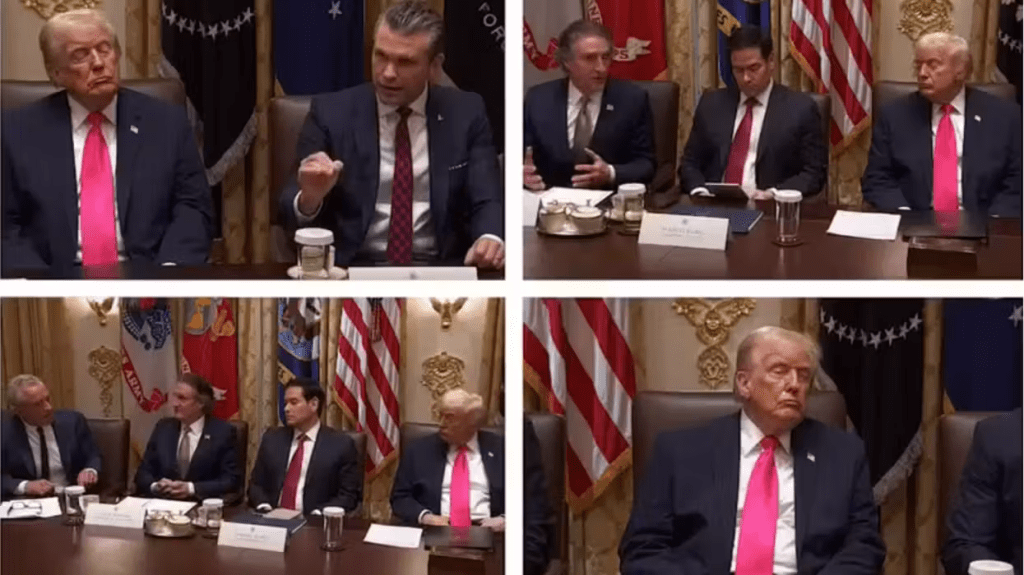
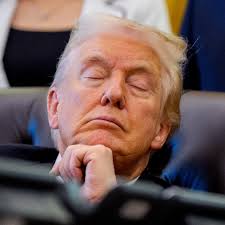
    The issue is one of basic alertness. Multiple reports have surfaced detailing instances where President Donald Trump has appeared to doze off during his own criminal trial—a proceeding that concerns his personal and political future. This follows a pattern observed during his presidency. As one report noted, “while his secretaries went around the table, the 79-year-old president might have looked to some as though he may have dozed off a few times, eyes closed, head nodding down at this weeks cabinet meeting” Furthermore, it’s clear his schedule is often shortened to just five hours of work each day.

    So why are we talking about this? The reason is not a shallow fixation on a presidents energy levels. It is, instead, a matter of consistency and the standards we set for the most powerful office on earth.

    “Well, it’s something that Trump himself made a central issue on the campaign trail a year ago.”

    This is the crux of the matter. The Donald Trump relentlessly attacked President Biden’s age and mental acuity, making the idea of an enfeebled leader a cornerstone of his campaign rhetoric. He positioned himself as a paragon of energy and sharpness. The emergence of these reports, therefore, creates a stark contrast. “Obviously there’s like a level of hypocrisy here about, you know, his own ability to remain really alert and awake, as in performing his duties.”

    This leads to the most frustrating question for many observers: “There’s a lot of frustration among Democrats about why isn’t this sort of thing sticking with Trump when it’s stuck with Biden?”

    The disparity in coverage from the main news media and public perception is undeniable. For one candidate, a moment of fatigue becomes a weeks-long narrative about cognitive decline. For the other, it is often dismissed as a momentary lapse or ignored altogether. This isn’t about defending one or attacking another; it is about applying a single, consistent standard to anyone who seeks the immense responsibility of the presidency.

    We must move beyond the political gamesmanship. This is not a trivial matter. The presidency demands relentless focus, comprehension of complex global issues, and the ability to make swift, critical decisions under pressure. Clearly, age is affecting Trump’s performance, and it is a non-partisan issue that deserves honest discussion from all sides.

    Let’s remember the old political ad that asked who you wanted answering the 3 a.m. phone call, their finger on the nuclear button. The image of a leader asleep at the table, whether metaphorical or literal, should give every voter pause. The integrity of the office demands that we hold every candidate to the same high standard of alertness and engagement, regardless of party. Our national security depends on it.

    THE MAIN STREET MEDIA CAN NOT GIVE A PASS TO TRUMP…THEY NEED TO COVER IT THE SAME WAY THAT THEY DID JOE BIDEN.

  • A ‘Horrible Message’: Trump’s Pardon of a Narco-President Baffles Washington

    Blue Press Journal (DC) – In a move that has left even his staunchest political allies perplexed, Donald Trump has issued a presidential pardon for Juan Orlando Hernández, the former two-term president of Honduras. This isn’t a pardon for a minor offense or a miscarriage of justice; Hernández was serving a 45-year sentence after being convicted in June 2024 for being what the U.S. Justice Department called “at the center of one of the largest and most violent drug-trafficking conspiracies in the world.”

    The pardon raises a jarring and fundamental question: How does a leader who advocates for bombing drug smuggling boats and potentially invading Venezuela to stop trafficking simultaneously release one of the most powerful narco-politicians of the modern era?

    The sheer scale of Hernández’s crimes makes the pardon all the more staggering. The former president was found guilty of conspiring to import more than 400 tons of cocaine into the United States. He used his position—from congressman to president—to shield his operation, accepting millions of dollars in bribes from notorious traffickers, including the Sinaloa Cartel once led by Joaquín “El Chapo” Guzmán. His conviction was seen as a landmark victory in the global war on drugs. Now, that victory has been nullified with the stroke of a pen.

    The move has created a firestorm of confusion, and the criticism is not just coming from the usual political opponents. Senator Thom Tillis (R-N.C.), a member of the Senate Judiciary Committee, did not mince words when speaking with reporters.

    I hate it. It’s a horrible message,” Tillis stated bluntly, capturing the sentiment of many who see the decision as a profound contradiction of Trump’s own hawkish rhetoric on border security and drug interdiction. “It’s confusing to say on the one hand we should potentially even consider invading Venezuela for drug traffick[ing], and on the other hand let somebody go.”

    Tillis systematically dismantled the potential justifications for such a pardon. For those who might claim Hernández was a victim of a politically motivated prosecution, the Senator offered a crucial fact check. “Some were saying maybe it was a vindicative prosecution. The investigation started during the Trump administration. The trial, I think, occurred during the Biden administration. So it doesn’t check that box,” he explained.

    This point is critical. The very administration that has now pardoned Hernández is the one that initiated the investigation into his crimes. This isn’t about correcting an injustice perpetrated by a political rival; it’s about reversing the work of his own Justice Department.

    The pardon appears to have been issued without a clear rationale or even a formal request, adding to the sense of impulsive decision-making. “I don’t even know if there was a formal request for a pardon,” Tillis added. “I just think it’s horrible optics. I mean, we’re sending a mixed message.”

    A “mixed message” is an understatement. To law enforcement agencies in Central America and the U.S. agents who spent years building a complex and dangerous case against a corrupt head of state, the message is one of betrayal. To the cartels and narco-politicians who watched Hernández’s fall, the message is one of hope—that power and influence can ultimately erase accountability.

    What, then, is the point? Is there a hidden diplomatic strategy at play, or is this simply an act of chaos that undermines years of U.S. foreign policy and anti-drug efforts by Trump? As Washington grapples with the fallout, the only thing that remains clear is the deep incoherence at the heart of this decision. One day, the policy is to wage war on narco-traffickers; the next, it is to set one of their most powerful leaders free. THE QUESTION IS, has Trump lost his mind or is he just full of BS.

  • Is Trump Fit for Leadership? A Health Examination

    Blue Press Journal – In the 2024 presidentail election candidate Trump frequently characterized, President Joe Biden, as experiencing decline, a shift in this narrative is now evident. Following a recent New York Times article published on November 25th, which delved into questions surrounding President Trump’s current health and stamina, the conversation has intensified.

    The article, authored by reporters Katie Rogers and Dylan Freedman, critically examines President Trump’s recent public appearances. According to sources within the political commentary arena, including a statement attributed to Sargent, the New York Times article “discusses how Trump appears to be dozing off at events, how his travel frequency has considerably diminished, and how he is seen in public less often. Furthermore, most of his events are scheduled between 12 noon and 5 PM, indicating that at the age of 79, he may struggle to maintain his previous pace.” The report also includes a “brutal video embedded in the piece that portrays him as exhausted and disoriented.”

    This coverage has sparked considerable debate and raised questions regarding the implications of age and health of the president’s capacity to engage effectively in demanding public roles. The stark contrast between past criticisms leveled at President Biden and the current observations regarding President Trump’s perceived stamina and public engagement has become a focal point for many analysts and the public alike.

  • Trump’s Approval Rating Takes a Hit as Voters Assess His Policies

    60 percent of Americans disapprove of the job Trump’s doing

    Blue Press Journal – A new Gallup poll released on Friday has revealed a dismal picture for President Donald Trump, with his approval rating sinking to 36 percent, just one point higher than its lowest point since taking office. The poll, which comes as Trump nears the midpoint of his term, shows that 60 percent of Americans disapprove of the job he’s doing, a stark reminder that his policies and actions are facing intense scrutiny from the public.

    Trump’s numbers have been underwhelming since his return to the Oval Office in January, with his approval rating stuck between 40 percent and 41 percent in the intervening months. The latest poll suggests that his policies on immigration and the economy, two key areas he’s focused on, are not resonating with voters. His approval rating on these issues stands at 37 percent and 36 percent, respectively, while his handling of healthcare policy has earned a meager 30 percent approval rating.

    The pollsters noted that Trump’s standing with the American people has been damaged by the longest shutdown of the federal government, Republican Party losses in the 2025 elections, and concerns about affordability. The combined effect of these factors “could be a sign of trouble for Republicans in next year’s midterm elections,” Gallup warned, as the GOP tries to maintain control of the federal government.

    Trump’s response to criticism has been to lash out at the press, exemplified by his bizarre outburst earlier this month when he told an ABC News reporter to “Quiet, piggy” while she asked about the Justice Department’s release of files related to convicted sex offender Jeffrey Epstein. This behavior only adds to the perception that Trump is out of touch with the concerns of ordinary Americans.

    As the midterm elections draw near, Trump’s plummeting approval rating and the GOP’s mounting electoral defeats are transforming into an undeniable burden for the party. The signs are unmistakable: Trump’s policies and outrageous behavior are failing to connect with the electorate, and it is high time for Republicans to engage in a serious introspection about their path forward.

  • Why Targeting Mark Kelly Over Just saying the Oath That Every Military Member Takes … Is Anti-American

    Blue Press Journal – In recent remarks, President Donald Trump, a draft doger, criticized Senator Mark Kelly, a retired U.S. Navy combat pilot and NASA astronaut, for stating in a video that military personnel are trained not to follow illegal orders. While public figures are subject to scrutiny, misrepresenting a fundamental principle of military ethics for political gain undermines both national values and public understanding of military duty.

    Senator Kelly’s statement echoes long-standing U.S. military doctrine: service members take an oath to support and defend the Constitution, not to blindly obey commands. This principle has been affirmed in military training, legal precedents, and historical events—from the Nuremberg Trials to modern-day operational guidelines. The Uniform Code of Military Justice (UCMJ) clearly establishes that obeying unlawful orders does not absolve individuals of responsibility for their actions.

    By framing Kelly’s accurate and responsible comments as unpatriotic or subversive, the critique distorts a cornerstone of American civil-military relations. The U.S. Armed Forces instill not only discipline but also moral and legal accountability. Soldiers, sailors, and officers are expected to exercise judgment when confronted with directives that violate the law or the Constitution. This safeguard protects both service members and democratic governance.

    Attacking a decorated veteran for reiterating accepted military protocol does a disservice to the brave men and women who serve. It risks eroding public trust in the professionalism and integrity of the armed forces. More importantly, it conflates lawful dissent and ethical duty with disloyalty—dangerous rhetoric in a democracy.

    Military service demands courage, sacrifice, and an unwavering commitment to the rule of law. Mark Kelly’s career exemplifies these values. To suggest otherwise not only misrepresents the facts but also diminishes the standards to which all Americans should hold their leaders—civilian and military alike. In upholding the principle that no one is above the law, Senator Kelly speaks not just as a veteran, but as a steward of democratic integrity.

  • The Payoff: Trump Turns Campaign Committees Into Personal Profit Centers, Funneling Donor Cash to His Hotels

    Blue Press Journal – November 29, 2025

    OPINION & ANALYSIS

    Donald J. Trump has leveraged his brand, his political apparatus, and even the vestiges of his former office to amass unprecedented personal wealth. But even as the public eye focuses on multi-million dollar deals involving crypto tokens and foreign entities, a deeper and perhaps more cynical mechanism of self-enrichment continues unabated: the direct funneling of Republican donor money into his own cash registers via the political committees he controls.

    A recent analysis of Federal Election Commission (FEC) data reveals a stark pattern of political spending being used primarily to prop up the former president’s private businesses, confirming the suspicion that for Trump, the political process is a profoundly effective business model.

    In the 10 months since he returned to the spotlight following his exit from office, Trump’s hotels and country clubs have collected approximately $1.1 million from Republican candidates and committees. Crucially, nearly four-fifths of that sum—a staggering $857,246—originated from entities that Trump himself dictates and manages.

    Leading the charge is the Republican National Committee (RNC), which has poured at least $796,513 into Trump properties. Additionally, MAGA Inc., Trump’s primary Super PAC, added $60,733 to that tally. In effect, major GOP fundraising engines, fueled by grassroots donations meant to elect Republicans nationwide, are instead serving as the former president’s captive clients.

    Grifting in Plain Sight

    This highly formalized process of self-dealing, which converts political contributions into corporate revenue, has drawn sharp rebuke from ethics watchdogs.

    Jordan Libowitz, head of communications for Citizens for Responsibility and Ethics in Washington (CREW), highlighted the significance of these continuous smaller drains on donor funds. “When Trump rakes in tens of millions of dollars from crypto deals, it’s easy to miss when he grifts hundreds of thousands of dollars from his political apparatus, but those numbers add up,” Libowitz stated. “Ask an average American if they think pocketing $800,000 is a big deal or chump change.”

    The transparency of the transaction is perhaps the most audacious element. Campaign funds, gathered under the banner of political necessity, are being used to pay for overhead, events, and stays at resorts that perpetually carry the Trump name—a move that virtually guarantees the highest possible margin of profit for the owner. There is no competitive bidding process, only the implicit mandate that political activity supporting Trump must also financially benefit him.

    Algorithms of Loyalty

    This continuous revenue stream relies on the unshakeable loyalty of Trump’s base and the strategic effectiveness of his fundraising machine.

    One anonymous GOP consultant familiar with the operation confirmed that the success is highly systematic, driven not by fresh political messaging, but by refined methods aimed at dedicated followers. “It is all algorithms that are paying off,” the consultant noted, suggesting that the committees are exploiting established formulas and scripts that reliably drain small-dollar donations, which are then routed to the Trump Organization.

    A Pattern of Monetizing Power

    This dedicated use of political committees as profit centers fits seamlessly into Trump’s broader, aggressive strategy of monetizing the influence derived from his public life.

    The funneling of nearly $860,000 in committee funds is merely the tip of an ice-cold pattern of financial opportunism. Trump recently used the imprimatur of the White House—which he occupied years ago—to stage a dinner honoring the largest purchasers of his deeply controversial crypto “meme” coins.

    Furthermore, his willingness to use taxpayer funds to promote his private interests is well-documented. Last year, he spent an estimated $10 million of taxpayer funds to speak at the grand opening of his golf course in Aberdeen, Scotland, an event the White House was inappropriately pressured to publicize.

    Perhaps most troubling are the apparent quid pro quo arrangements involving foreign nations. Earlier this year, Trump reportedly solicited a $400 million luxury Boeing 747 from Qatar for temporary use as Air Force 1 before it is supposedly handed over to his presidential library. This request came only after Qatar was granted significant military concessions, including permission to use an Air Force Base in Idaho and a powerful, NATO-like security guarantee should the nation be attacked.

    Make Tump Rich Again (MTRA)

    These combined strategies—from using committees to pay exorbitant hotel fees to soliciting massive gifts from countries receiving favorable foreign policy treatment—paint a clear picture: Donald Trump views the political sphere less as a venue for public service and more as the ultimate vehicle for personal, unrestricted wealth accumulation. The political apparatus that donors assume is working to secure victory for the Republican cause is, in reality, ensuring the financial security of one man’s private empire.