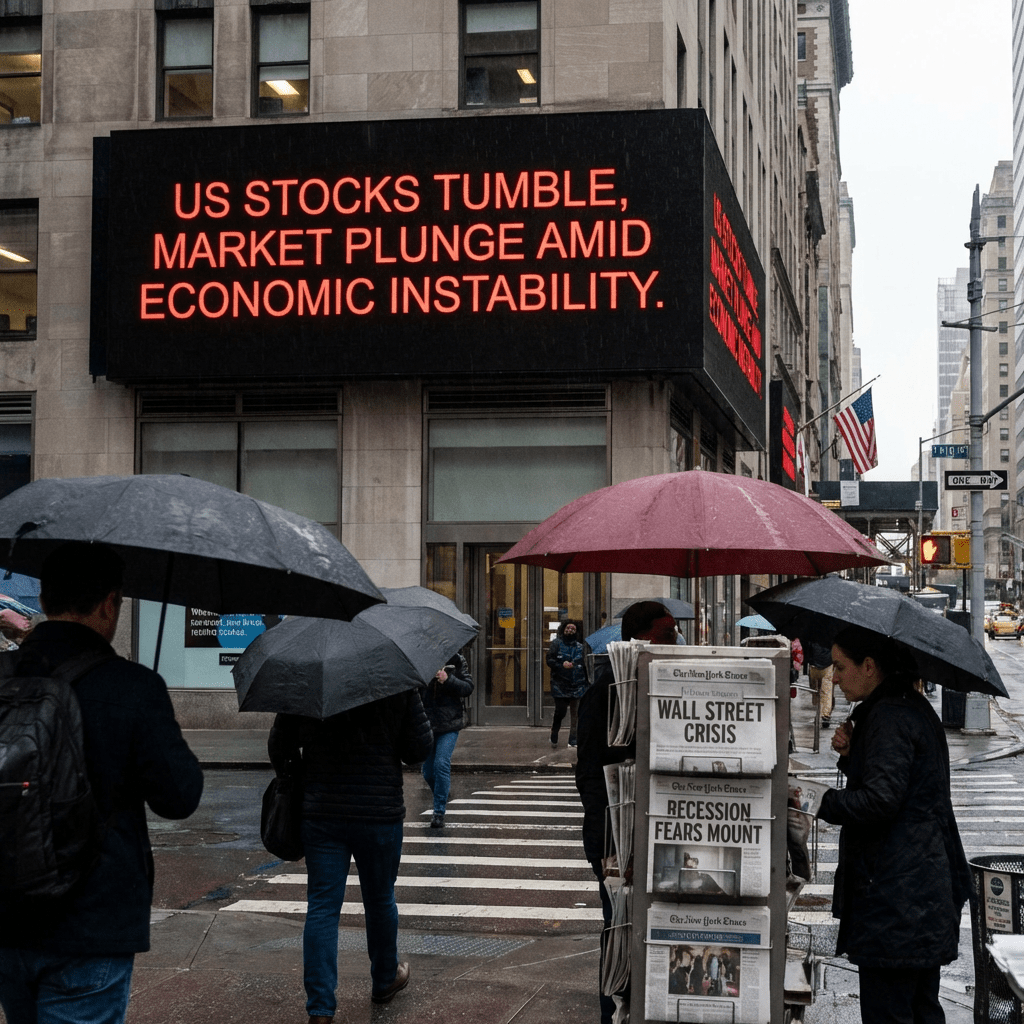
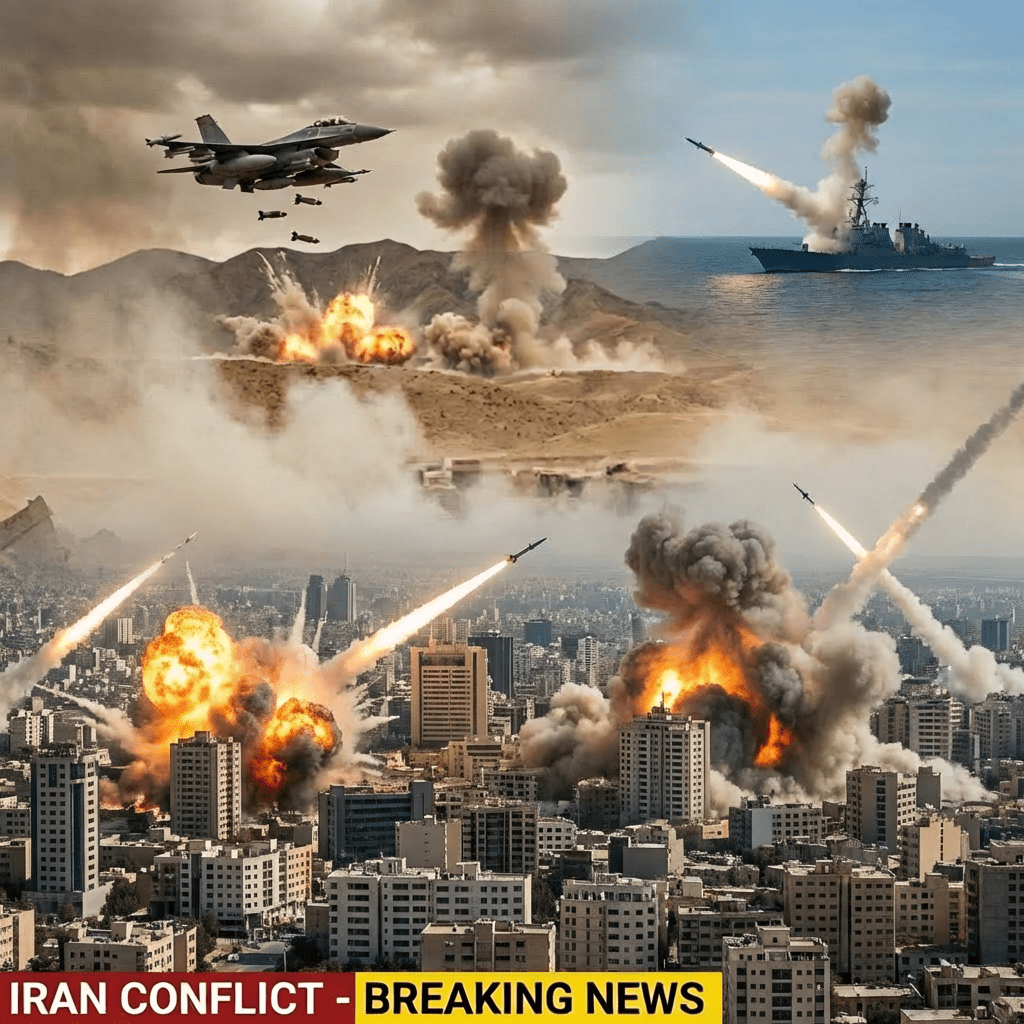
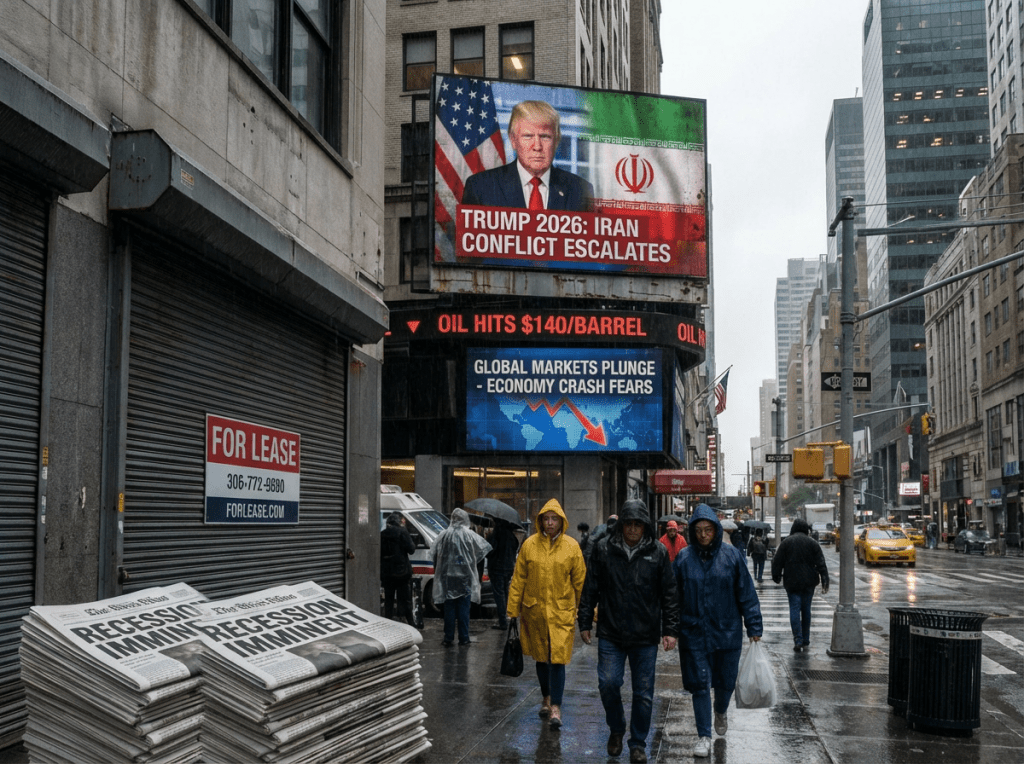
Blue Press Journal – President Donald Trump’s escalating military confrontation with Iran has precipitated a severe market selloff, sending U.S. stocks tumbling Friday as investors grapple with mounting economic instability. The aggressive posture toward Tehran has triggered widespread anxiety across global financial centers, with the Russell 2000 index of small-cap firms plunging 2.7% into official correction territory—defined as a decline exceeding 10% from recent peaks—according to CNN.
Major indices suffered parallel losses, with the Dow Jones Industrial Average dropping 444 points (0.96%), the S&P 500 sinking 1.51%, and the Nasdaq Composite falling 2.01%, briefly entering correction territory during Friday’s session. “The stock market remains in negative territory for the year, and has made new 2026 lows this week, which suggests that the market may not have yet found its bottom,” David Laut, chief investment officer at Kerux Financial, told CNN.
The administration’s war strategy has exacerbated inflationary risks as energy costs spike, forcing central banks worldwide to reconsider interest rate trajectories. This uncertainty propelled U.S. Treasury yields to their highest levels since last July, while gold experienced its worst weekly performance since 1983, Reuters reports. Business leaders now face heightened volatility as military expansion threatens sustained economic disruption.
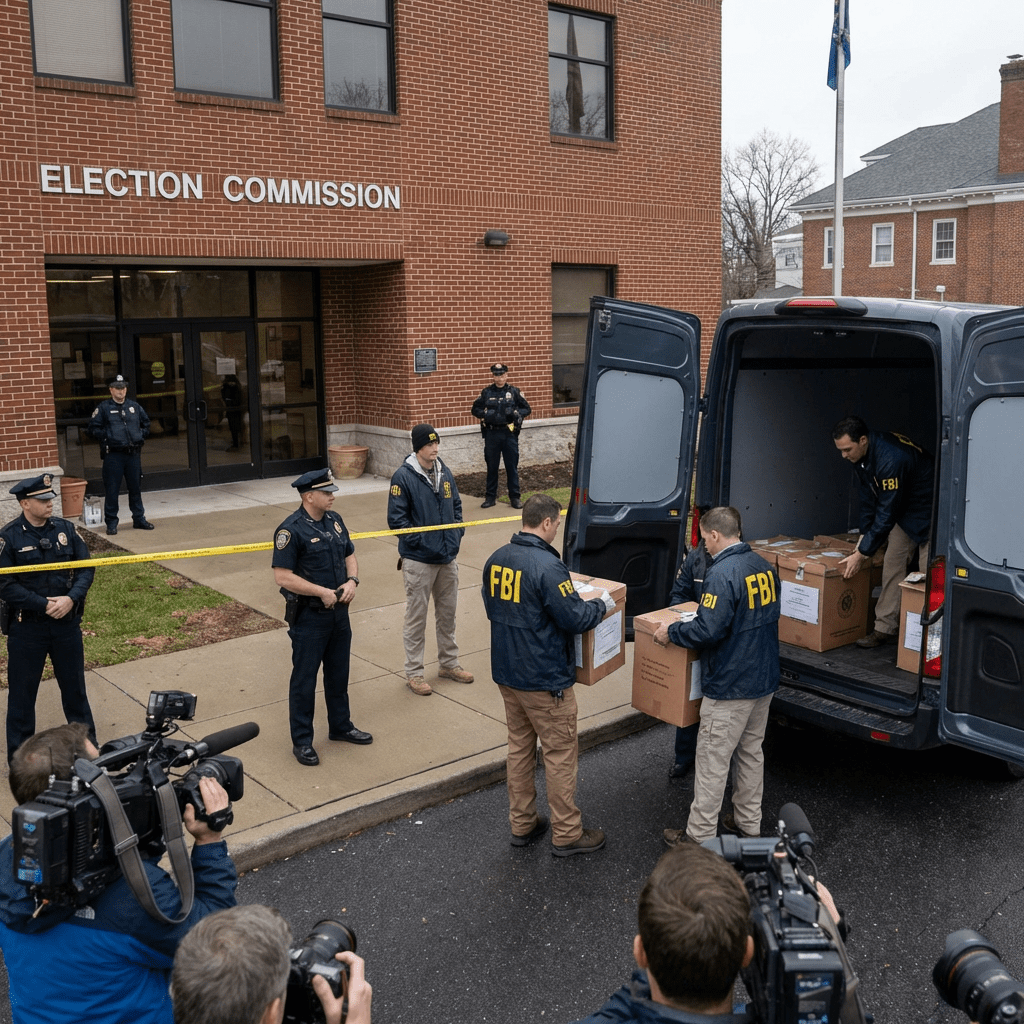
Blue Press Journal – The 2026 Department of Justice raid on a Fulton County, Georgia election office, seizing ballots and machinery, was a watershed moment. While framed as an investigation into the 2020 election, legal experts and election officials nationwide interpreted it as a dangerous escalation and a potential dress rehearsal for future electoral disruption.
Election law scholar Richard Hasen of UCLA Law warned in Slate that the action appeared less about the past and more like a “test run for messing with election administrators” in upcoming contests. This aligns with a persistent pattern of baseless election fraud claims being used to justify unprecedented federal overreach into state-run elections.
The prospect of similar ballot seizures during or after the 2026 midterms raises profound legal and constitutional alarms. As the Brennan Center for Justice’s Wendy Weiser stated, such actions would be “wildly illegal,” requiring judicial warrants or subpoenas that are meant to serve as a check on power. However, the legally questionable Fulton County warrant, now itself being challenged in court for its “Material Omissions and Misstatements,” demonstrates how these safeguards can be exploited.
In response, Democratic secretaries of state are not standing idle. Officials in states like Colorado and Minnesota have publicly outlined their preparations to immediately challenge any federal interference in the courts. “We’ve been preparing for this event and many other scenarios of federal disruption,” Colorado’s Jena Griswold noted, underscoring the heightened state of alert.
A potential legal defense may ironically come from a recent Supreme Court decision, Bost v. Illinois State Board of Elections. As analyzed by SCOTUSblog, this ruling could provide candidates standing to sue in advance to prevent actions—like seizing ballots—that threaten a “fair process and an accurate result,” offering a new tool to preempt interference before it occurs.
While the administration seeks to expand its electoral power, a coalition of state officials, legal experts, and judicial checks stands as a barrier to these efforts in 2026.
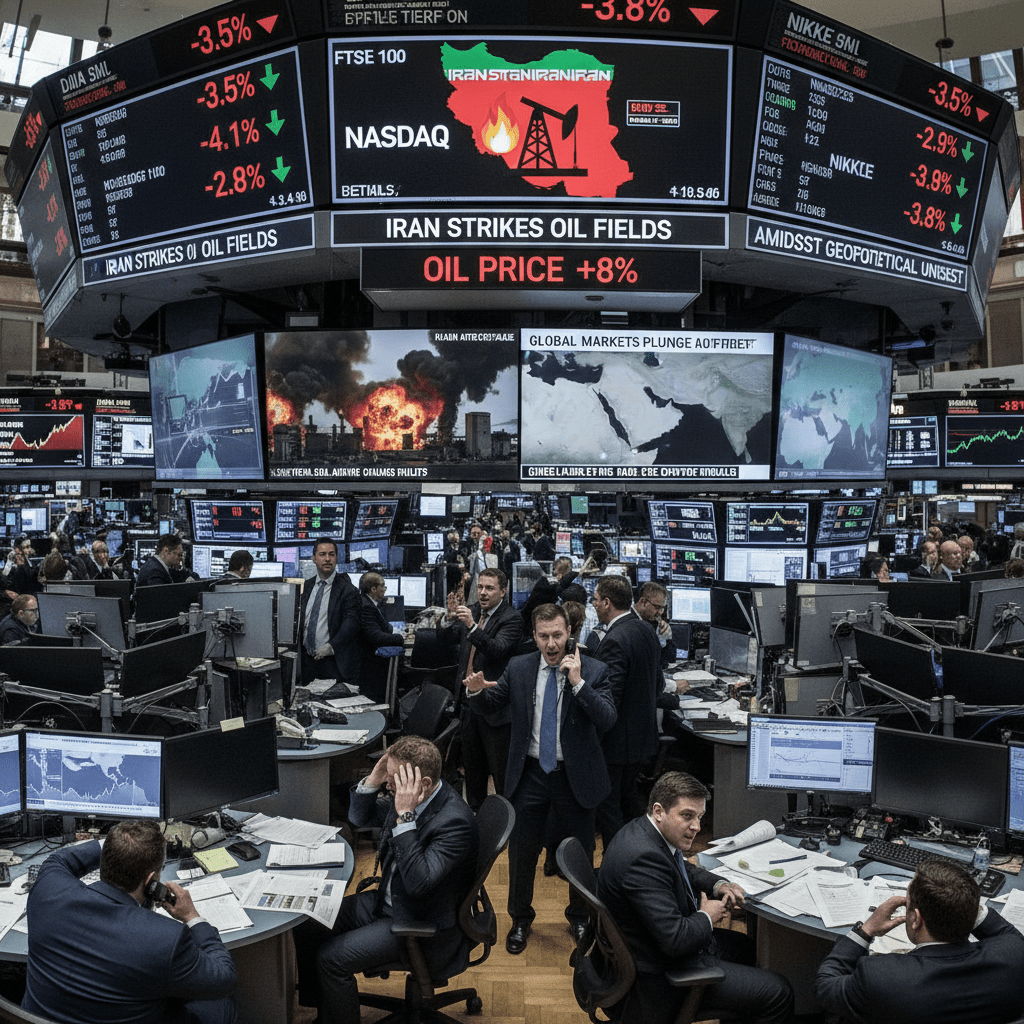
Blue Press Journal – The global energy landscape is currently facing a catastrophic destabilization. Following targeted Iranian strikes on critical energy infrastructure in the Gulf—specifically two major refineries in Kuwait and Qatar’s vital Ras Laffan natural gas terminal—Brent crude has surged toward the $115 mark. As Tehran’s offensive disrupts the flow of approximately 20% of the world’s liquefied natural gas (LNG), the specter of a “macro wrecking ball” hanging over the global economy has become a grim reality.
A Manufactured Crisis and the Trump Administration
While the physical damage to the Strait of Hormuz and surrounding facilities is undeniable, financial analysts and geopolitical experts are increasingly pointing the finger at the White House. Critics argue that the Trump administration’s decision to initiate this conflict was a strategic blunder of historic proportions. According to reports from The New York Times, high-level security officials previously indicated there was no immediate or imminent security threat from Iran that warranted a full-scale kinetic engagement.
By prioritizing a hawkish foreign policy over regional stability, the administration has arguably invited the very energy crisis it claimed to prevent. This “war of choice” has now pushed the national average price of gas to a staggering $3.88 per gallon as of March 19, 2026, placing an immense burden on American households.
Global Market Contagion
The economic repercussions are being felt far beyond U.S. borders. On Thursday, Brent crude jumped 6% to $113.77 per barrel, a massive leap from the sub-$73 levels seen prior to the commencement of hostilities. The Financial Times reports that European natural gas benchmarks have doubled in just thirty days, threatening a wave of “debilitating inflation” across the continent.
Global indices are reflecting this instability:
Japan’s Nikkei 225 plummeted 3.4% as the Bank of Japan froze interest rates.
Germany’s DAX and London’s FTSE 100 both saw losses exceeding 2%.
Wall Street futures remain in the red as the Federal Reserve warns that persistent inflation, fueled by the war, limits their ability to provide further interest rate relief.
As the Strait of Hormuz remains effectively shuttered to tanker traffic, the question remains: was the pursuit of this conflict worth the systematic dismantling of global economic stability? For now, the world pays the price at the pump and in the markets for a war that many intelligence experts claim was entirely avoidable.
Blue Press Journal – The Republican‑backed “Secure American Voter Eligibility (SAVE) Act,” championed by President Donald Trump’s allies, proposes that every voter present a passport or an original birth certificate to cast a ballot. While the bill is marketed as a safeguard against fraud, the reality is far more troubling: it would impose prohibitive costs, undermine constitutional authority, and disproportionately disenfranchise women, low‑income workers, and minority communities.
A Financial Burden No Voter Can Afford
A standard U.S. passport now costs $165 for an adult, plus an additional $35 for expedited service (U.S. Department of State, 2024). For many Americans, especially those earning the federal minimum wage of $7.25 per hour, this fee represents a full day’s wages. The SAVE Act’s requirement for a passport would also force voters to navigate a complex application process that can take weeks—time many cannot spare from multiple jobs or childcare duties.
Equally daunting is the demand for an original birth certificate. In many states, obtaining a certified copy costs $10‑$30 and can take up to six weeks, according to the National Center for Health Statistics. For a single mother working two jobs, the combined expense and delay could effectively strip her of the right to vote in a single‑day election.
Constitutional Overreach
The U.S. Constitution explicitly reserves the conduct of elections to the states (Art. I, § 4). By imposing a uniform federal identification requirement, the SAVE Act usurps state authority and creates a single, nationwide voting rule that many states have already deemed unnecessary. Legal scholars from Harvard Law School have warned that “federal ID mandates risk violating the Elections Clause by overriding state‑crafted eligibility standards” (Harvard Law Review, 2023).
Targeting Women and Married‑Status Voters
Women, especially those who are married, are uniquely vulnerable. Many married couples share a single birth‑certificate file, and some states issue a “marriage certificate” rather than an individual birth record for privacy reasons. Requiring an original birth certificate therefore forces women to navigate a bureaucratic maze that can delay or prevent voting.
Dr. Maria Lopez, a political scientist at the University of California, Berkeley, told The New York Times: “The SAVE Act would create a gendered barrier. Women who are caretakers often lack the time and resources to procure these documents, effectively silencing a significant portion of the electorate.” (NYT, April 2024).
Voices From the Ground
Local activists echo these concerns. Johnathan Reed, director of the voter‑rights group Fair Elections Now, testified before the Senate Judiciary Committee: “Our data shows that 23 % of low‑income voters have never held a passport, and 15 % cannot readily obtain a certified birth certificate. This bill would lock them out of democracy.” (Senate Hearing Transcript, June 2024).
Similarly, Emily Watkins, a single mother of three from Ohio, told ABC News: “I work nights at a factory and mornings at a daycare. Paying $165 for a passport just to vote is impossible. The SAVE Act would tell me my voice doesn’t matter.” (ABC News, May 2024).
A Trump‑Era Power Play
Critics argue the legislation is less about fraud and more about political power. Donald Trump’s 2022 campaign rally in Iowa featured the slogan “Secure the Vote, Save the Nation,” a thinly veiled appeal to a voter‑suppression strategy that has haunted his administration. Political analysts from The Washington Postnote that “the SAVE Act aligns with Trump’s broader effort to reshape the electorate in favor of the GOP, regardless of constitutional limits.” (Washington Post, July 2024).
The SAVE Act is an expensive, unconstitutional, and discriminatory roadblock that threatens to silence millions of Americans—particularly women, low‑income workers, and minority voters. Rather than protecting elections, it weaponizes bureaucratic hurdles to tilt the democratic process in favor of a single party. As the nation heads toward the 2026 elections, safeguarding universal suffrage must remain a priority, not a political pawn.
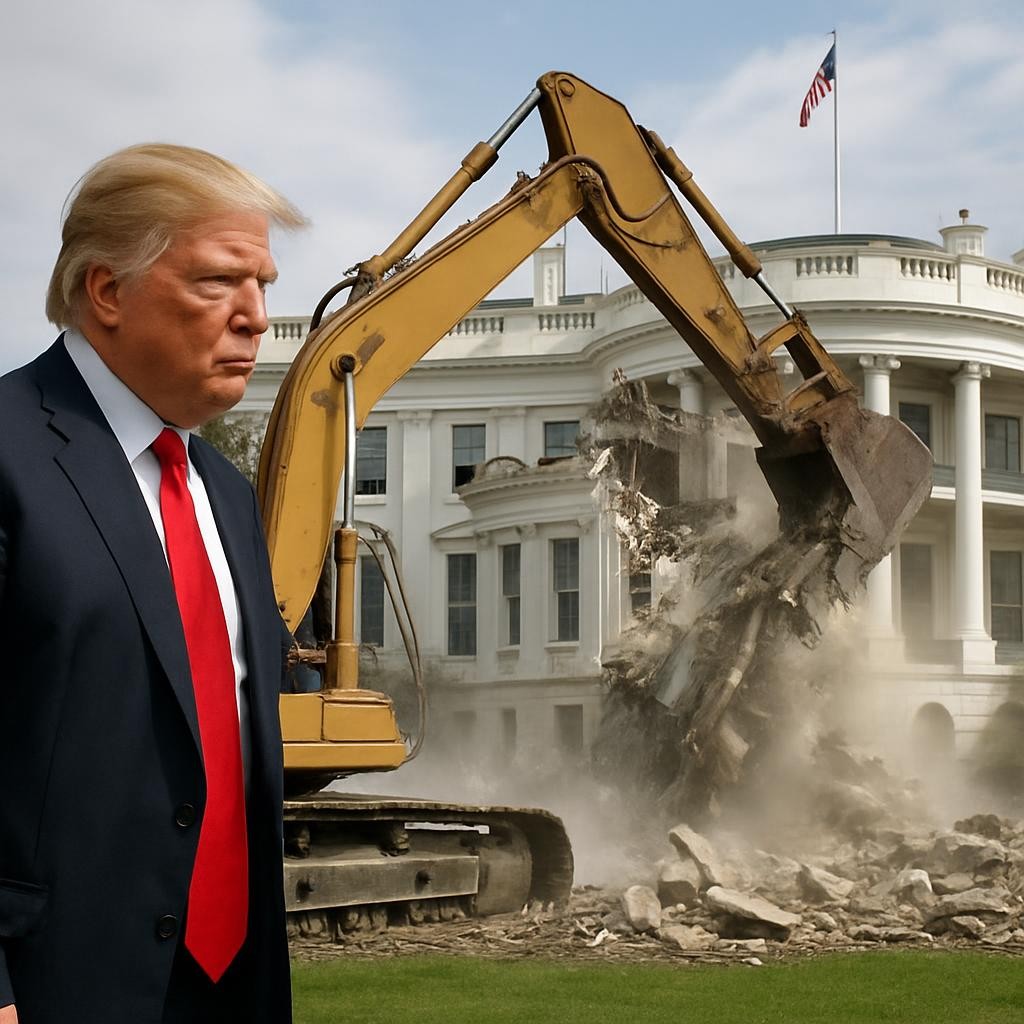
Blue Press Journal – U.S. District Judge Richard Leon delivered a scathing critique on this Tuesday of the Trump administration’s legal footing for its $400 million White House ballroom project, interrogating Justice Department lawyers over their “shifting theories” and “brazen interpretation” of presidential authority. The George W. Bush appointee challenged the administration’s claim that Trump could unilaterally demolish the East Wing and construct the 90,000-square-foot venue without congressional oversight or environmental review, noting the White House serves as an “iconic symbol” where the president acts as steward, not proprietor [The Hill].
The intensifying scrutiny comes as the National Trust for Historic Preservation renews legal efforts to halt construction, arguing the administration illegally bypassed mandatory federal preservation reviews and public comment periods [Washington Post]. With demolition already underway since October and the Commission of Fine Arts—populated by Trump’s January appointees—having approved designs, Judge Leon expressed frustration that the government erected a “months long merry-go-round” of contradictory legal arguments. The judge, who previously permitted work to continue while allowing amended complaints, acknowledged “there is no track record” for such unilateral presidential construction [Reuters]. He intends to rule by month’s end on whether to finally stop the privately funded project.
National Counterterrorism Director Resigns Over Trump’s “Manufactured” Iran Conflict
Blue Press Journal
The National Counterterrorism Center (NCTC) is without its director following Joe Kent’s dramatic resignation over President Donald Trump’s escalating military campaign against Iran. In a scathing departure letter obtained by multiple outlets, the former Green Beret accused the administration of launching an unjustified war under foreign influence, marking the highest-level protest yet against Trump’s third-week offensive in the Persian Gulf.
Kent, who assumed the post last summer under Director of National Intelligence Tulsi Gabbard, charged that the President was manipulated into military action by Israeli officials and domestic lobbying interests. According to The Washington Post, Kent asserted that Tehran presented “no imminent threat” to American security, contradicting administration justifications for a conflict that has already claimed thirteen U.S. service members’ lives and injured approximately 200 others.
“The same tactics used to draw us into Iraq are being deployed again,” Kent wrote, referencing what he called a coordinated “misinformation campaign” by Israeli leaders and media allies. The Associated Pressnoted that Kent’s letter drew parallels between current Iran policy and the 2003 Iraq invasion, while alleging Israeli involvement in “manufacturing” regional conflicts—claims that have drawn fierce rebuttals from the White House.
The resignation underscores growing contradictions in Trump’s “President of Peace” branding, a central campaign promise now overshadowed by aerial bombardments and failed diplomacy. Despite Trump’s pledge to end “endless wars,” his unilateral withdrawal from the Iran nuclear accords and reliance on non-expert envoys—real estate figures Steve Witkoff and Jared Kushner—paved the path to confrontation, The New York Times reported.
With American casualties on the rise and diplomatic avenues shut down, Kent’s resignation underscores a growing institutional opposition to a conflict he cautioned provides “no advantage to the American people.”
BLUE PRESS JOURNAL – Brent crude futures clung fiercely to the $100 per barrel mark on Monday, a stark reminder of the escalating energy crisis that looms over the globe. As Iranian military maneuvers wreak havoc on essential infrastructure and strangle vital maritime chokepoints crucial to international trade, the repercussions are felt far and wide, igniting a sense of urgency that cannot be ignored.
The temporary closure of Dubai International Airport—one of the world’s busiest—after Iranian drone strikes shows the expanding conflict’s geographic scope, according to aviation data from FlightAware and Reuters. Meanwhile, Tehran’s blockade of the Strait of Hormuz has cut off about one-fifth of global oil shipments, causing supply shocks similar to the 1970s energy crisis, confirms the U.S. Energy Information Administration.
Since Donald Trump and Jerusalem initiated coordinated strikes against Iranian targets on February 28, regional tensions have metastasized beyond bilateral conflict. Iranian forces have systematically targeted Israeli population centers, American military installations across the Levant, and energy infrastructure belonging to Gulf Arab states, military analysts confirmed to the Associated Press.
The economic reverberations extend far beyond pump prices. The World Food Program has warned that surging fertilizer costs—directly linked to hydrocarbon price spikes—threaten agricultural output across the Global South, potentially triggering famine conditions in import-dependent nations while complicating inflation control efforts by central banks worldwide.
President Donald Trump’s diplomatic isolation has worsened the crisis. Despite requesting naval contributions from about seven allied nations for Hormuz transit lanes, the administration has gained zero formal commitments, defense officials told Bloomberg. This highlights the decline of American coalition-building under Trump’s “America First” approach, leaving Washington without the necessary multinational naval presence to ensure freedom of navigation in the Persian Gulf.
Iranian Foreign Minister Abbas Araghchi extinguished speculation on negotiated settlements, stating via social media that Tehran seeks “neither truce nor talks,” hinting at prolonged economic volatility. The International Energy Agency warns that prices above $100 may compel central banks to maintain high interest rates, potentially leading to recession amid ongoing inflation.
Trump’s Iran War: Billions Squandered, Lives Shattered, and a Cloud of Doubt Looming Over the Timing
BLUE PRESS JOURNAL – Two weeks into a conflict that lacks clear objectives or exit strategies, President Donald Trump faces mounting scrutiny over his decision to launch strikes against Iran—a move critics argue serves as a convenient distraction from the ongoing Jeffrey Epstein files controversy while draining American taxpayer resources.
The human and financial toll continues to escalate. According to The Associated Press, American casualties have mounted while the administration struggles to articulate why the nation went to war in the first place. Taxpayers are footing the bill for an open-ended military engagement that has already disrupted global energy markets, with the Center for Strategic and International Studies estimating that prolonged Gulf conflicts cost billions weekly in operational expenses alone.
Meanwhile, Trump’s economic promises are crumbling.Reuters reports that oil prices have surged past $100 per barrel in some markets, directly contradicting campaign pledges to lower everyday costs for working families. Rather than addressing these concerns, the President spent last weekend golfing at his West Palm Beach club—just hours after attending dignified transfers for fallen service members, a move that drew bipartisan condemnation for its apparent indifference.
The geopolitical fallout extends beyond Tehran. In a move that has alarmed national security experts, the Treasury Department eased sanctions on Russian oil shipments, effectively bolstering Vladimir Putin’s war machine in Ukraine while American interests suffer. Ukrainian President Volodymyr Zelenskyy explicitly criticized the decision, telling The Guardian it “certainly does not help peace” but instead strengthens Moscow’s position.
Democratic strategists see opportunity in the chaos. With midterm elections approaching, party leaders are unified in highlighting Republican failures on economic stability. “They’re flying by the seat of their pants, and the rest of us are paying the price,” noted Kelly Dietrich of the National Democratic Training Committee, referencing the administration’s lack of long-term planning.
Trump’s response to criticism has been characteristically combative. He recently claimed media outlets “want us to lose the War,” while his broadcast regulator threatened licensing repercussions—an escalation that raises First Amendment concerns. Even MAGA loyalists like Tucker Carlson have broken ranks, questioning why a president who campaigned on ending foreign wars instead initiated another open-ended conflict.
As the Strait of Hormuz remains volatile and international allies scramble to secure shipping lanes, one question persists: Is this war about American security, or about securing headlines away from damaging domestic revelations?
Trump’s 2026 Iran War: How $140 Oil Tanked the American Economy
Blue Press Journal – When President Trump ordered strikes on Iran, administration officials promised a “short, decisive conflict.”What Donald Trump failed to calculate—catastrophically—was the immediate collapse of energy markets and the devastating ripple effect across the American economy.
West Texas Intermediate (WTI) Crude vs. Retail Gasoline Prices – Jan 2026 → Apr 2026 – based on estimates
Month
WTI Crude (USD / bbl)
Retail Gas (USD / gal)
Jan
$86.0
$2.98
Feb
$100.0
$3.48
Mar
$114.0 +
$3.86
Apr projected
$140.0 +
$6.80
The economic impact was immediate and brutal. As Iranian mines and missile threats choked the Strait of Hormuz, global supply chains seized. American consumers can face $6+ per gallon gasoline within weeks, triggering which will cause inflationary pressure that will erase wage gains, stock market prices and crush discretionary spending. The transportation sector will hemorrhaged profits while manufacturing faced energy costs not seen since 2008.
The administration’s war planning contained no credible energy contingency strategy. Despite Pentagon warnings that Hormuz closure would disrupt 20% of global oil shipments, Trump dismissed price concerns as “temporary fluctuations” and failed to coordinate with allies on alternative supply routes. Strategic Petroleum Reserve releases will provide insufficient against sustained disruption.
The result: can be a stagflationary spiral that pushes the economy into recession by Q3 2026, with middle-class families bearing the burden of strategic miscalculation.
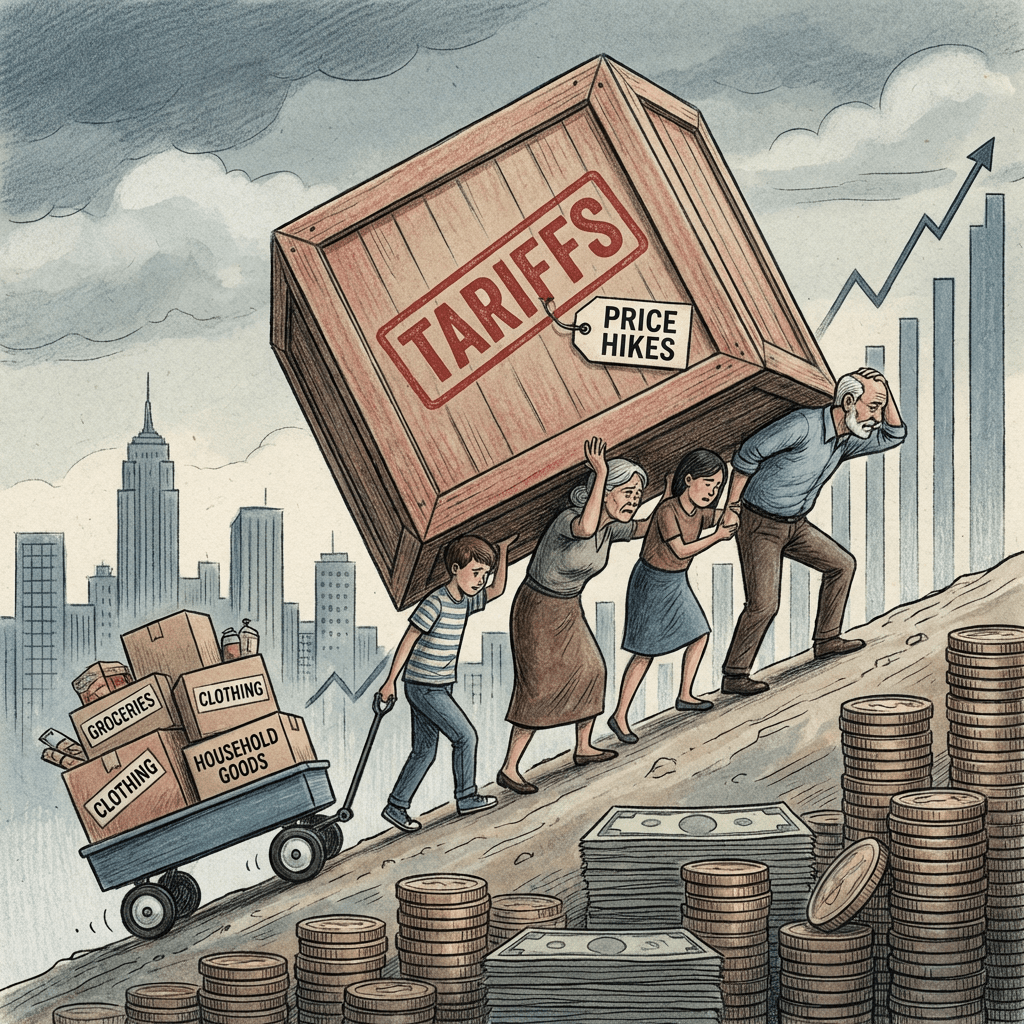
Blue Press Journal (DC) – American households are on track to endure an unprecedented financial hit this year, with combined costs from import duties totaling an estimated $330 billion. This colossal sum, translating to over $2,500 for the average family, underscores the severe economic strain inflicted by President Donald Trump’s aggressive trade policies. A recent report from the Democratic minority on the Joint Economic Committee (JEC) as reported by news outlets like Reuters, paints a stark picture of these escalating expenses, a considerable jump from the $1,700 Americans reportedly paid in 2025.
Despite a Supreme Court ruling last month that invalidated Trump’s use of emergency powers for imposing widespread tariffs, the administration appears undeterred. US Treasury Secretary Scott Bessent has projected “virtually unchanged tariff revenue in 2026,” suggesting a continued reliance on these trade taxes through different legal avenues to circumvent the high court’s decision. This persistent strategy means continued pressure on consumer wallets.
The burden of these customs charges falls disproportionately on everyday Americans. Independent analysis from the nonpartisan Congressional Budget Office (CBO) detailed in reports by organizations like the Associated Press, revealed that foreign entities bear only about 5% of tariff expenses. Domestic companies absorb roughly 30%, but a staggering 65% is ultimately shouldered by consumers through higher prices on goods and services.
A Tale of Two Refunds: Businesses Get Relief, Families Don’t
While American families grapple with surging costs, businesses impacted by what were deemed unlawful duties are poised for substantial relief. The US Court of International Trade (CIT) recently mandated that the Treasury Department and Customs and Border Protection must reimburse approximately 330,000 importers a staggering $166 billion for duties collected under the invalidated tariffs a development covered by outlets such as The Wall Street Journal. Customs officials indicate that a system for processing these refund requests for over 53 million entries could be operational as early as mid-April.
However, a stark disparity remains for ordinary citizens. Senator Maggie Hassan (D-NH), a ranking member of the Joint Economic Committee, sharply criticized this imbalance. She lamented that while businesses are set to receive reimbursements with interest, “the Trump administration refuses to provide relief for families” and is instead “choosing to institute new tariffs that will push prices even higher.”
Senator Heinrich emphasized the measure’s intent: “This is money that belongs to working families—not to CEOs of big corporations.” He criticized the administration’s rhetoric, stating, “The president may call the affordability crisis a ‘hoax,’ but working people feel it every time they pay for essentials. This bill will return the money lost to Trump’s tariffs back to those who paid the price.”
Public sentiment reflects growing dissatisfaction with economic policies. An NBC News poll showed that 55% of voters believe trade taxes have harmed the economy, while only 33% view them as beneficial. With 62% disapproving of the administration’s handling of inflation and living costs, the financial strain on American families is clear. Heinrich’s bill includes a provision to prevent the president from labeling rebate checks with his name, acknowledging previous political optics around stimulus payments.