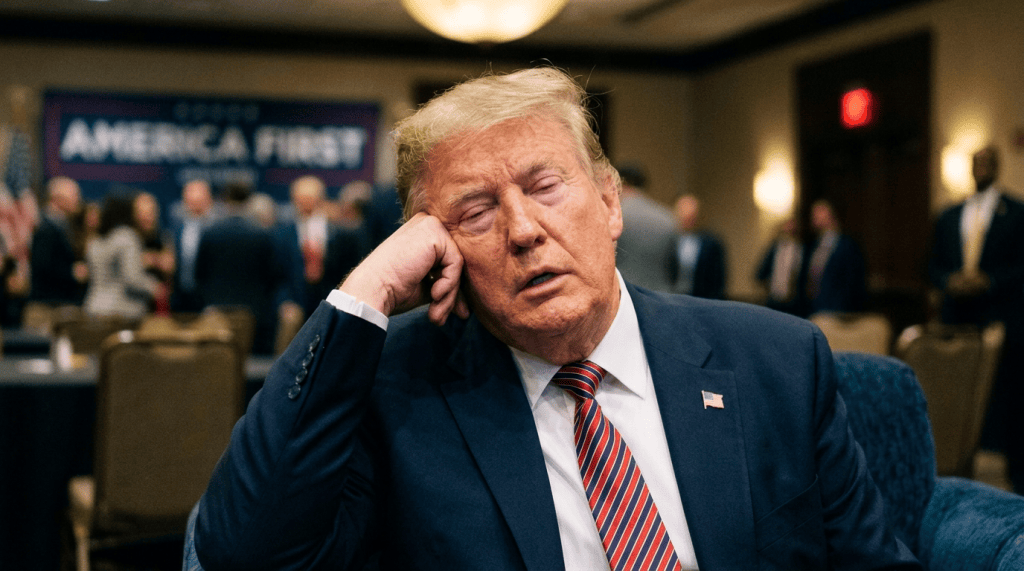
In a surprising development, Belarussian President Alexander Lukashenko refuted the reports of a major potash deal between the US and Belarus. Lukashenko asserted that there were no such volumes of potash for sale to make such a deal, despite Trump’s insistence that a significant discount on Belarusian potash would benefit the American farmers.
President Trump announced the deal on his social media platform called Truth Social, claiming that the US is “working on a massive Deal with respect to the purchase of Potash from Belarus” at a price lower than the current Canadian rate. However, President Lukashenko of Belarus spoiled the deal by telling Trump that all of their available potash has already been ordered and that they do not have any for sale.
Trump’s long-running dispute between Canada and the United States has upended the potash market and has had a clear outcome: American farmers supply has decreased and costs have increased. Canada is the world’s largest producer of potash, and about 53% of its output is exported to the United States. Overall, roughly 80% of the potash used on American farms comes from Canada, while Belarus supplies only about 2%.
As the dust is settling on the Belarus potash debacle, it is hard to say with a degree of certainty whether Trump was being truthful about the purported deal or he was just engaging in some self-promotion from the outset. The American farmers are left scratching their heads in bewilderment over the actual state of affairs with respect to their fertilizers. The bottom line is Trump is solely to blame for the critical shortage!
President Donald Trump has intensified economic pressure on Iran with new sanctions and blockades, claiming it will strengthen the United States. Instead, record diesel prices are fueling backlash from farm and energy interests, pushing Republican lawmakers from rural states to consider a diesel export ban that cuts against his own policy.
Mr. Trump’s war with Iran has reduced Iranian oil exports and triggered a blockade of the Strait of Hormuz, creating a shortage in European and Asian markets. With diesel demand still high, prices have hit record levels, hammering the agricultural sector and driving up the cost of goods and services. As the 2026 midterm elections approach, Republicans risk losing farm voters who blame the President and his party for surging inflation.
Many Republicans in Congress refuse to budge because they rely on big oil money from companies like Exxon and Chevron, which profit when diesel prices soar. Their lobbying power drowns out farmers who are being squeezed by high fuel costs. This GOP loyalty to oil giants over rural voters exposes a blatant hypocrisy that could cost them crucial farm‑state electoral support.
Critics say the President’s Iran policy is less about security and more about staging a confrontation with Tehran to distract voters. They argue his hardline moves have failed to explain to voters why Iran was a looming threat, but a political tactic to distract from stubbornly high prices for everyday goods and services because of this tariffs.
For farmers and American’s, it means that prices of commodities and services are about to rise again. The President’s and Republican’s current course of action will be detrimental for the country, we need change!
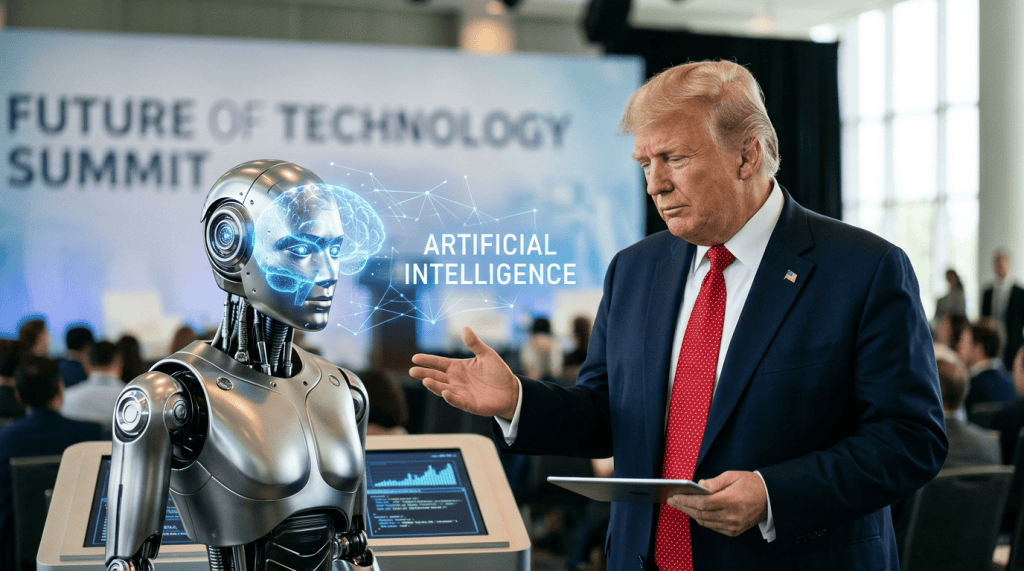
Donald Trump has pursued one scandalous policy after another in his second term. One of the latest initiatives that perfectly represents the president’s disregard for the public interest in favor of big business. In essence, the policy allows big tech companies to score a decade-long billion-dollar tax break by building AI data centers on public lands.
One commentator has summarized the issue by noting that tax breaks are nothing more than a “windfall” given to big tech companies. Indeed, a separate fiscal analysis report noted that thanks to new Trump administration rules, major technology companies, including Amazon, Microsoft, and Google, would benefit enormously from being able to “accelerate the depreciation of data center equipment.”Amazon, Meta, Alphabet, Netflix, Apple, and Microsoft collectively pay an average effective tax rate of 18.8%, far below what the average American pays in taxes.
Environmentalists have pointed out that the policy is short-sighted because it will fuel the American west’s newest land-use fights. For example, ranchers, farmers, conservationists, and indigenous peoples’ representatives from a significant number of western states, including Utah, Nevada, and Montana, have raised concerns about the environmental impact of technology giants building their data centers in the region. The companies would use huge amounts of water to cool the data centers and would have to build new power lines and roads, disrupting local wildlife.
Trump’s initiative on AI is counterproductive because it fails to acknowledge the fact that cutting big tech companies’ taxes will reduce the resources for critical social programs that support the American middle class. Furthermore, the technology companies have more than enough money to research and develop innovative AI technologies without taxing the public.
The Trump administration and Donald Trump has pursued a policy that hurts the public, benefits corporations, and will destroy the environment.
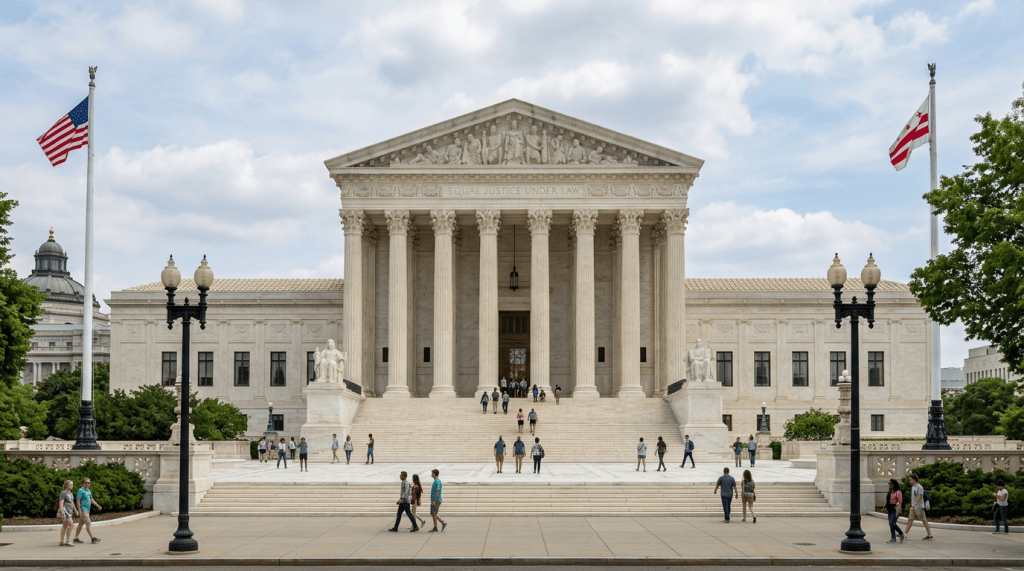
The United States Supreme Court is in crisis. The institution which was designed to provide nonpartisan justice in accordance with the Constitution has become a clearly politicized body.Its decisions undermine the rights of the people and ignore the voice of the nation.
By ruling in blatant support of one party and president, the Court betrays its role as the ultimate decision-maker in the United States. The Court has repeatedly violated the constitutional rights of the people and has usurped the authority of duly elected officials.
With the overturn of Roe v. Wade in the Dobbs v. Jackson Women’s case, the Court removed a constitutional civil right that protected women for decades. Through the Trump v. United States decision, the justices granted president Trump immunity from prosecution. In addition, the Court has hampered the ability of the federal government to function properly by ruling against environmental protections, consumers, and the environment in the Chevron decision.
The Court’s reputation has been irreversibly harmed by these decisions and many more taking America backward. It is high time to reform the Court by imposing term limits or expanding it to obtain ideological balance. The unbiased administration of justice will be restored only when the members of the Court realize their role as judges in the service of the people.
Why Limiting Media Access to the White House Undermines Transparency, Fuels Misinformation, and Threatens the Future of Our Democratic Republic
by Winston Wendell
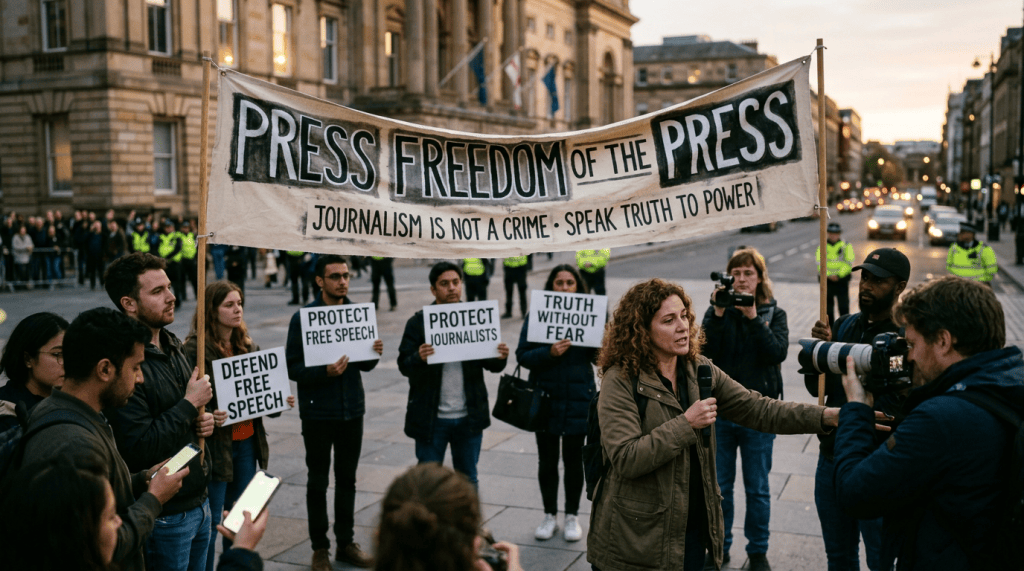
Durning Trump’s second term we have seen a concerning trend of restricted access to the White House for the press. As I see the political climate shift, I feel it is important to stand up for the freedom of the press, as it plays such an important role as the watchdog of a democratic state.
The Press as the Guardian of Accountability
I believe that the press is the primary mechanism which checks the powers of the government. Providing constant updates to the public and providing a diverse array of opinions allows the press to effectively fulfill its role as a watchdog and inform the public of what transpires in the government buildings. The press allows the American public to hold accountable their representatives and the president.
Socially Significant: Information as Power
We must recognize that the freedom of the press is a matter of profound social importance. Journalism provides the platform where people gain the information necessary to exercise their voting rights wisely. Democracy depends on the free exchange of information as political matters are public concerns.
If an individual has no desire to uphold the democratic regime, limiting the exchange of information is the most sure way to establish the autocracy of one’s ideas. If we are to remain a society of informed constituents, we must allow the freedom of the press that allows us to have an informed discussion and debate of the issues that determine our future.
The Peril of Censorship: Lessons from History
Looking at history with the lens of the past events, it’s easy to see that any attempt at censorship will lead to a divided country. By attempting to restrict the freedom of the press, one effectively promotes the spread of rumors and lies among the populace.
Division brings forth a lasting distrust between the people and the government, and, once established, is exceptionally difficult to combat. Through its limitation of the freedom of the press, a president betrays his swore constitutional duties and the country and promotes distrust between them and the government, putting the stability of the entire state at risk.
Building a Conscious Society
I contend that the freedom of the press is the cornerstone of a Democracy. This is because of the ability it grants us to process governmental happenings and to form a consistent opinion on it. A country that hides its actions from its citizens is a suspicious country, one which has much to hide.
I believe that Donald Trump’s decision to restrict the access of the press to the White House goes against the democratic ideals of transparency and accountability. We must demand that our political figures respect those ideals for the country is built on. Journalism fulfills a crucial role for it gives us a chance to become informed on the issues that determine our future. The presence of reporters in the Whitehouse briefings is a guarantee of freedom of the press.
I believe it is our collective duty to ensure that the press remains free—because, without it, the light of democracy will eventually dim.
In an effort to continue his campaign of banning mainstream news sources, President Trump announced on Truth Social that he would ban CNN, MS NOW, and Politico from the White House. According to Trump, these news outlets were spreading “FAKE NEWS” for criticizing him, and he warned that more news organizations would be banned for speaking “critical” of his administration.
At his daily press conference on Friday, Trump complained about the outlets being “very one-sided” and accused them of writing negatively about him and his administration. He also claimed that they do not reflect the opinion of the American people, who, according to him, have suffered due to his military actions against Iran. However, when Reuters reminded him that freedom of the press was a protected right and that the White House could not prevent them from asking questions, Trump reacted with disdain, stating, “Oh, thank you for reminding me.” When asked whether he was trying to intimidate the press, Trump responded, “No, I don’t like dishonest press. I think you are all horrible people.”
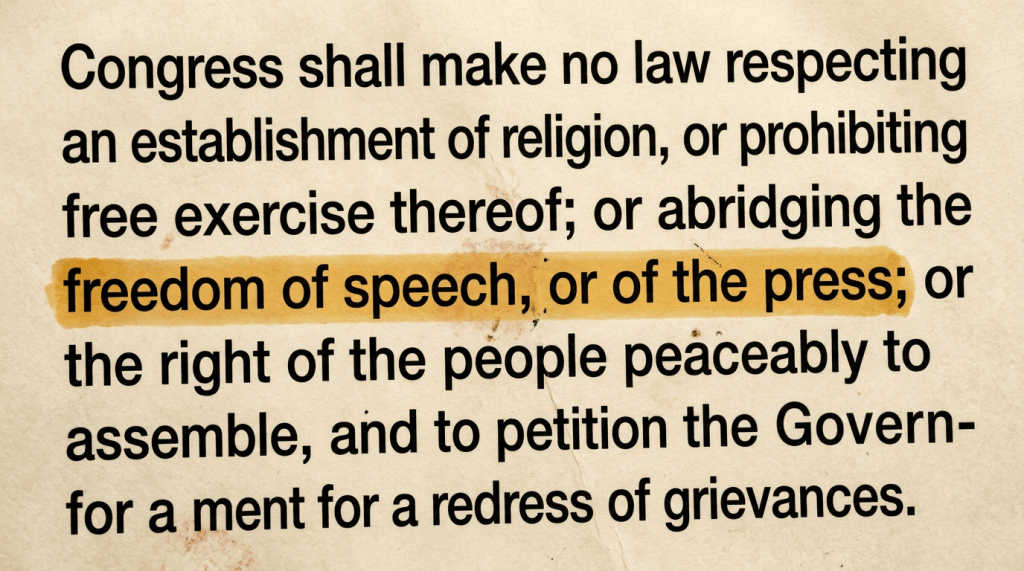
In effect, what Trump was trying to do is interfere with the right of the American people to obtain reliable information about their president and his actions, which is a direct threat to the First Amendment.
CNN strongly pushed back, claiming that “we have a right under the U.S. Constitution to do that reporting without hindrance or interference from the government.” Mark Schoeff, Jr., president of the National Press Club, expressed similar sentiments, stating that “[b]anning news organizations from the White House based on the administration’s disapproval of their coverage is a clear attempt to control which voices are allowed to witness and report on the exercise of presidential power.”
A free press is one of the pillars of any democratic society, and by threatening it, Donald Trump is threatening the very foundation of the US political system.
Tariffs, escalating conflicts, and soaring closures reveal a painful economic reality for American agriculture.
by Winston Wendell
In the 2024 presidential election, farmers in America voted overwheming for Donald Trump, betting that the president would stand by their interests. However, an objective review of Trump’s activity as a president demonstrates that his policies have diverged significantly from the interests of the rural population. The president’s support for free trade undermined the position of farmers, resulting in substantial losses.
His foreign policy, which started a war against Iran, contributed to the current panic in the world markets. Causing oil to skyrocket. The Trump administration has pursued a policy of imposing high tariffs on imports, which have led to the loss of foreign markets for many farmers. Clearly the president’s policies do not support farmers’. For example, family-owned farms are disappearing as enterprises with vast resources swallow up small players or they just go bankrupt.
Trump’s high tariffs resulted in billions of dollars in payments to farmers by the Treasury Department from our tax dollars increasing the national debt. His foreign policy has also affected agricultural production in the country, as Canada is a leading producer of fertilizers in north America have now been tariffed.
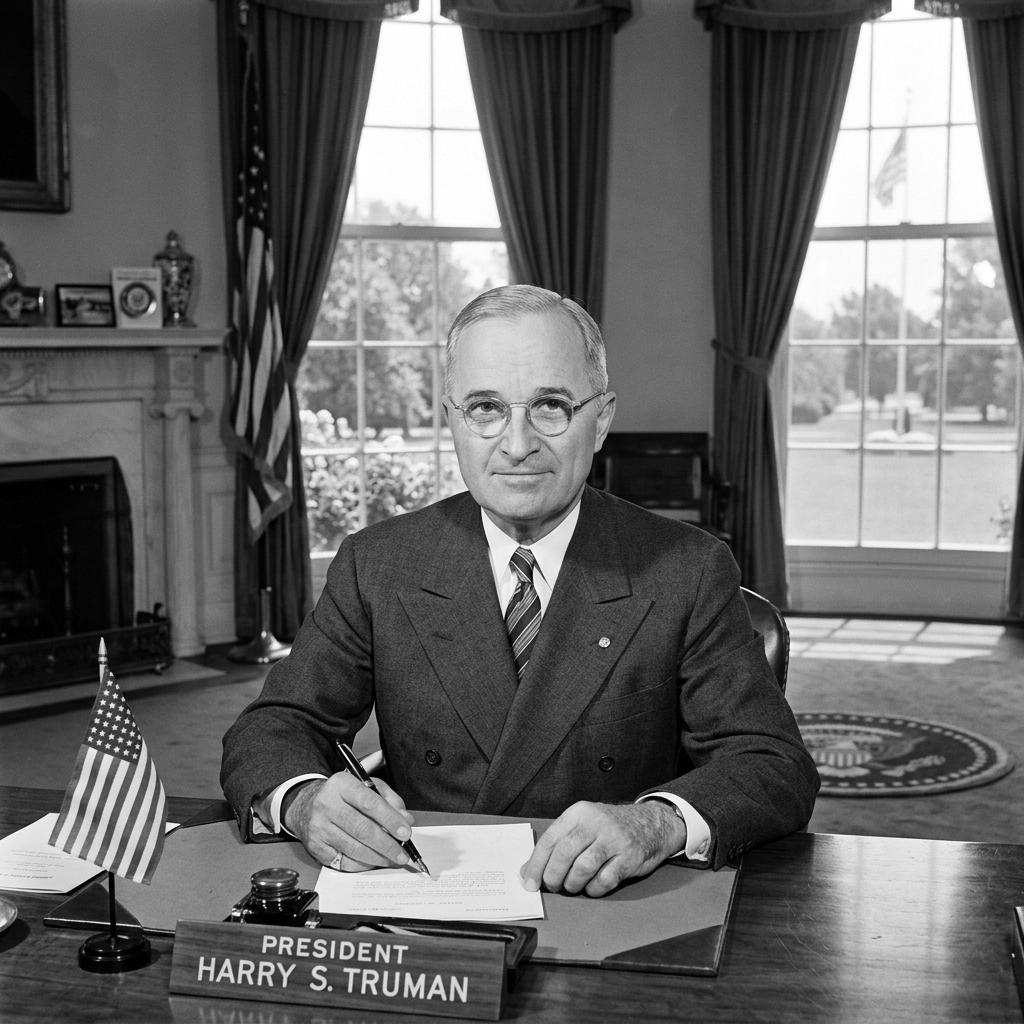
In the 1948 presidential race, Harry S. Truman warned voters not to back populist candidates in the West.
Truman warned farmers that Republicans are trying to “put a pitchfork in the farmer’s back.” The presidential candidate emphasized that he would fight to protect the integrity of free enterprise against monopolies and tariffs. Thus, Trump’s actions in the direction of protectionism and provocative foreign policy destroyed the positions of farmers, family-owned farms in particular.
Farmers who voted for Trump in the hope of improving the situation in the their lives were clearly deceived by Donald Trump, and it is clear that they have not learned the lesson of history.
Trump’s Broken Promises: A History of Unfulfilled Dividend Checks and Empty Rhetoric
by Winston Wendell
It may seem hard to believe, but promising various types of financial compensation to the population and then failing to deliver on that promise is a fairly common practice in modern-day politics. Throughout his tenure, and particularly during his second term, President Donald Trump has been known to employ a variety of financial promises as a part of his political campaign. Whether it was a reduction in federal spending and the consequent distribution of dividends or a “bonus” funded by import duties, both seem to evaporate into thin air before they can actually reach their intended destination.
Promises Made, Promises Broken
The pattern that has been emerging in the President’s second term is fairly simple and predictable, though it does not seem to have a happy ending. Over the course of the last year, there have been several particularly noteworthy examples of these policies.
The “DOGE Dividend”: Towards the beginning of his second term, Trump’s administration promotes the idea of a direct payment to the nation’s citizens funded by the drastic reduction of federal spending, which was initially proposed by Elon Musk. The Musk plan was welcomed enthusiastically by the public, and months later, that enthusiasm has yet to translate into actual results. The vague wording and the specifics of the budget window, along with a lack of real savings ensured the initiative never saw the light of day.
The $2,000 Tariff-Funded Refund: In late 2025 and early 2026, the White House assured middle- and lower-income Americans that they would receive at least $2,000 each, funded by the import duties. Various experts and commentators were quick to point out that such a decision would not be entirely dissimilar to a tax hike that would take effect on American consumers in the short term. It would appear that little else was considered, as, as of ten months later, the promised dividends have yet to make their appearance, having disappeared – like so many before them – without any trace. Let’s remember that tariffs are actually a tax ON consumers!
The $5,000 Midterm Contingency: Most recently, at the Republican midterm convention in Dallas, the administration unveiled its highest stakes pitch yet: a pledge of $5,000 to each adult citizen, but only if the Republic Party is elected to both houses of Congress. Naturally, it would appear that very few people were interested in the actual substance of the proposal, with more than one commentator condemning it as a shameful attempt to bribe the population with taxpayer money. Even more so, it is also a fairly convenient way to avoid the issue altogether in the event of an electoral failure. Please remember it would cost 1.2 trillion increasing the national debt, which is already too high!
An Exercise in Political Campaigning
Many analysts and commentators, particularly amongst the political and economic elite, view the whole affair as an elaborate sham. In many ways, that assessment is not without its merits or a complete Trump fantasy. By proposing a series of “dividend checks” that range anywhere between $2,000 to $5,000, Trump is just blowing hot air with no real intent to actually do it.
After all, a certain number of congressional committees are required to approve virtually any form of direct payment to the nation’s citizens. That responsibility, in and of itself, should be enough to give anyone pause for thought.
In the end, history – as well as common sense – would indicate that you are unlikely to receive the full amount, or, indeed, any amount at all. As we know, Trump hardly ever keeps promises!
As hard-working Americans grapple with a relentlessly brutal economy and a cascade of “extraordinarily dire” financial warning signs, Trump has once again prioritized foreign ordnance over domestic survival.
by Winston Wendell
As I watch the economy spiral downwards, each day it seems as if the hardworking American citizens are faced with new and “extraordinarily dire” economic challenges. Despite the suffering of our own people, those in the Trump Administration continue to turn a blind eye towards the domestic crises and instead focus on “investing” in Israel’s military machine.
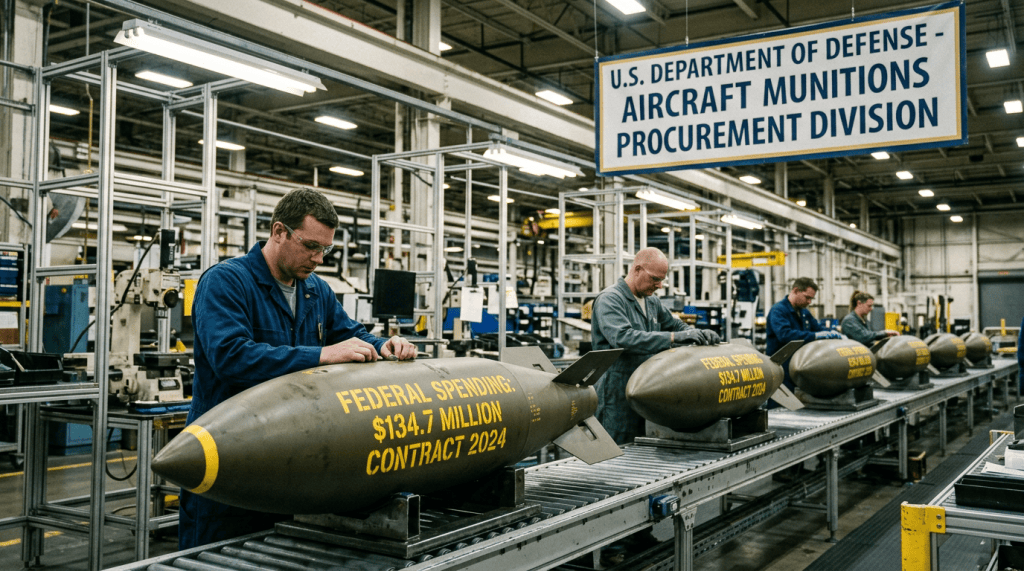
Just recently, the administration approved a shocking sum of 2.8 billion dollars to fund a new military package for Israel that includes 40,000 2,000-pound bombs. With all the shortage of military hardware for the senseless war with Iran, shouldn’t be keeping these in our inventory?
Despite the current state of our economy, the 2.8 billion dollar military package has been “paid for” through the Foreign Military Financing account. That’s taxpayer money!
It is an insult to the American people when our government can only think of ways to spend taxpayer dollars on bombs and not on our home front troops who are suffering through the “greatest recession of the modern era.”
What could the 2.8 billion dollars have done for America?
The 2.8 billion dollars could have been used to repair America’s crumbling infrastructure, such as bridges and public transportation or fully fund America’s public education system.
The 2.8 billion dollars could have been used to assist the veterans of our military who have sacrificed so much for our country and provide them with the healthcare that they deserve.
Instead, the “investment” decision was made by those in Trump Administration who only seem to worry about defense spending and not the suffering of the American people.
During these challenging times, it is an insult for the government to completely disregard the hardships of the American people and think only of ways to spend taxpayer dollars on foreign defense. Keep our money here to help Americans!
A new DHS whistleblower report reveals federal investigators may have broken state laws by impersonating voters to scan state rolls ahead of the midterms.
A newly released whistleblower report has raised serious legal and ethical concerns regarding the Department of Homeland Security (DHS) and its handling of state voter rolls ahead of the upcoming midterm elections.
According to the report—first uncovered by The New York Times and brought to light by lawmakers Sen. Alex Padilla (D-Calif.) and Senate Democratic Leader Chuck Schumer (N.Y.)—the DHS launched a rushed initiative known as the “Unlawful Voter Initiative” on August 21. The program tasks investigators with reviewing massive volumes of voter registration data to identify alleged non-citizen voters, working under an aggressive quota of five cases per hour.
How the Alleged Violations Occurred
Legal experts and the whistleblower point to critical vulnerabilities in the operation:
Impersonation Risks: Investigators allegedly accessed restricted state voter databases by using internal Personally Identifiable Information (PII) to make false attestations, potentially violating state laws that permit only registered voters to access their specific data.
Flawed Data and Rushed Timelines: Under immense pressure to review records in just 12 minutes, agents are relying on faulty data matching methods. Historically, these methods have a high rate of false positives, frequently mislabeling eligible U.S. citizens as non-citizens.
Threat of Disenfranchisement: With the midterms just 50 days away, watchdogs warn that thousands of legitimate U.S. citizens could be flagged in federal databases, risking wrongful criminal investigations, travel restrictions at ports of entry, and voter intimidation.
Congressional Response and DHS Defense
Lawmakers have taken swift action. Sen. Padilla and Sen. Schumer formally wrote to DHS Secretary Markwayne Mullin demanding an immediate halt to the initiative. At a press conference, Padilla denounced the operation, stating, “You cannot break the law when you say you’re trying to enforce the law.”
Meanwhile, a DHS spokesperson dismissed the whistleblower complaint as a media fabrication, defending the agency’s broader efforts to secure American elections.
Why This Matters
As legal challenges continue to mount around federal access to state voter databases and election integrity measures, this whistleblower report places a spotlight on the intersection of federal immigration enforcement and domestic voting rights.