Tag: economy

  • Trump is leading the US Economy into Recession

    With his flurry of tariffs, government layoffs, and spending freezes, President Donald Trump seems to be stirring up more trouble for the U.S. economy than actually fixing it. The economic policy uncertainty index has shot up by a whopping 41% since January, reaching a level of 334.5 – a number that historically spells out recession. If the ongoing policy chaos and tariff battles continue, we could be looking at the first recession in five years.

    The recent stock market selloff has left many questioning whether Trump’s tariffs will deliver on their promise of creating new jobs. “Markets anticipate,” says John Silvia, CEO of Dynamic Economic Strategy. “The path of tariffs is leading us down a dark alley towards higher inflation, slower economic growth, and a weaker U.S. dollar. It’s like watching an economic horror movie in slow motion.”

    And the plot thickens – more tariffs are on the horizon for Europe on April 2, potentially sparking a trade war with a continent the U.S. once helped rebuild after World War II. South Korea, India, and Brazil could also find themselves in the crosshairs of new tariffs.

    Businesses are feeling the heat too, with increased economic uncertainty and worries about the impact of tariffs. The Fed’s New York branch reported that businesses are becoming less optimistic about the future.

    It’s becoming increasingly clear that Trump’s economic policies are steering us towards a downturn, and it seems like he may be doing more harm than good for the U.S. economy. 

  • Is Trump’s Economy Heading for a Recession?

    Economic Warning !!

    Trump inherited a thriving economy, with wages, consumer spending, and corporate profits all on the rise. Unemployment was at record lows. However, just over a month into his term, the outlook has taken a dark turn. The stock market is in turmoil, layoffs are increasing, and forecasters are slashing their growth estimates. Some even predict a potential shrink in the U.S. gross domestic product in the first quarter.

    Under Trump’s current policies, we are on the brink of a recession. His decisions have created uncertainty, with tariffs and trade wars threatening to raise prices and slow growth. Federal job cuts are looming, which could lead to higher unemployment rates and decreased spending. Deportations may drive up costs for industries reliant on immigrant labor.

    The chaos surrounding Trump’s economic policies is evident. Tariffs are announced and then delayed, government workers are hired and fired in a never-ending cycle. This lack of planning is detrimental to the economy.

    Trump’s policies will hinder economic growth, take money out of people’s pockets, and increase unemployment rates. Veterans and regions heavily reliant on federal jobs will be hit the hardest. Trump’s track record of bankruptcies and dishonesty about his net worth only adds to the uncertainty.

    Trump’s policies are detrimental to America and its citizens. His lack of understanding and chaotic decision-making are leading us towards an economic downturn. The future looks bleak under his leadership.

  • Trump’s Congressional Address: Chaos, Lies, and Delusions

    Trump’s highly anticipated address to a joint session of Congress on Tuesday night was a rollercoaster of chaos and boredom, sprinkled with his signature blend of self-congratulatory remarks and blatant falsehoods. The speech kicked off with Trump proudly tossing out some polling numbers, conveniently omitting any context to support his claims.

    In a shocking twist of events, Trump declared, “For the first time in modern history, more Americans believe that our country is headed in the RIGHT direction than the WRONG direction—an astonishing record 27-point swing since Election Day alone.” Of course, this statement conveniently ignores the fact that Trump’s approval ratings have been plummeting faster than a lead balloon since he took office.

    Moving on, Trump introduced his co-President Musk, the world’s richest unelected bureaucrat, and praised him for supposedly uncovering massive savings and waste. Spoiler alert: these “savings” are likely as real as a unicorn riding a rainbow. DOGE has ‘lied” about most of the saving as verified by many news outlets. 

    Next, Trump launched into a tirade about elderly people supposedly scamming Social Security, a beloved program that prevents senior citizens from living in poverty. Classic Trump move, attacking a popular program to fund tax breaks for the wealthy. Because who needs financial security in their golden years, right?

    And let’s not forget Trump’s brilliant idea to slap tariffs on China, Canada, and Mexico, because nothing says “relief for working families” like higher prices on everyday goods. Genius move, really.

    Of course, Trump couldn’t resist throwing some love to law enforcement, despite his track record of pardoning criminals convicted of attacking law enforcement officers. Because nothing says “support for law enforcement” like pardoning the very people who put their lives on the line to protect us.

    Trump’s address was a masterclass in deception, delusion, and downright absurdity. But hey, at least we got some quality entertainment out of it, right? Lies, lies, and more lies. Classic Trump.

  • VA Job Cuts: A Threat to Veteran Care

    The Department of Veterans Affairs, under the directives of President Trump, is embarking on a drastic reorganization that threatens to eliminate over 80,000 jobs! This brazen move will directly undermine the care provided to our cherished veterans, with many of those cuts impacting veterans themselves!

    The VA’s chief of staff, Christopher Syrek, revealed to top officials that the intention is to slash enough positions to revert to 2019 staffing levels of just under 400,000, necessitating the termination of tens of thousands of dedicated employees. Over 9 million veterans rely on the VA for essential physical and mental health care, a critical service now being scrutinized by Musk’s Department of Government Efficiency.

    Michael Missal, the VA’s former inspector general, fired last month in a sweeping purge of independent oversight officials by the President, expressed grave concerns to the AP about the VA’s growing lack of “expertise” as key leaders exit or are shuffled under this reckless agenda.

    “What’s going to happen is VA won’t perform as well for veterans, and veterans will suffer. This plan prioritizes private sector profits over the essential care our veterans deserve, balancing the budget on the backs of those who bravely served. It’s an outrageous betrayal, and our veterans will bear the burden of this unforgivable corruption, incompetence, and moral failing,” Blumenthal declared in a passionate statement.

    Democrats stand united, proclaiming we will not allow our veterans to be dismissed as mere government waste!

  • Tariffs on Canadian Potash: A Looming Crisis for U.S. Agriculture

    This article may be flying under the radar of mainstream media, yet its significance is paramount and deserves our undivided attention!

    Farmers, politicians, and agriculture experts are sounding the alarm about the potential impact of tariffs on Canadian potash, a crucial mineral necessary for fertilizer production. The United States currently imports over 80% of its potash from Canada, making any threats of a 25% tariff on Canadian exports a major concern for the agricultural industry.

    Bill Knudson, a professor at the Michigan State Department of Agricultural, Food, and Resource Economics, warns that imposing tariffs on potash would undoubtedly drive up prices and decrease farm profits. Amy Klobuchar has highlighted the potential consequences of such tariffs, stating that they could increase costs for corn farmers by $1.70 per acre and $1.42 per acre for soybeans.

    The U.S. relies heavily on Canadian potash, with over 80% of potash fertilizer imports coming from Canada. The industry emphasizes the importance of free trade and accessible markets for maintaining stability and growth.

    Despite ongoing threats from the Trump administration to impose tariffs on Canadian goods, it is crucial to recognize the significance of Canadian potash in supporting American agriculture. Potash, often referred to as Canada’s “pink gold,” is a vital component for plant growth and global food systems. The majority of potash used by U.S. farmers originates from mines in Saskatchewan, highlighting the dependency on Canadian imports.

    As tensions rise, it is essential to understand the critical role that Canadian potash plays in sustaining American agriculture. The looming threat of tariffs on potash imports from Canada could have far-reaching consequences for farmers and the agricultural industry as a whole. It is imperative to prioritize diplomatic solutions and constructive dialogue to avoid detrimental impacts on both countries’ economies.

  • Republican Party is content to watch Trump burn down the economy

    President Donald Trump made bold promises to American voters, vowing to transform their financial futures, yet those assurances appear to have been nothing more than hollow rhetoric. The harsh truth of our economy is now bearing down on him, exposing the gap between his words and reality.

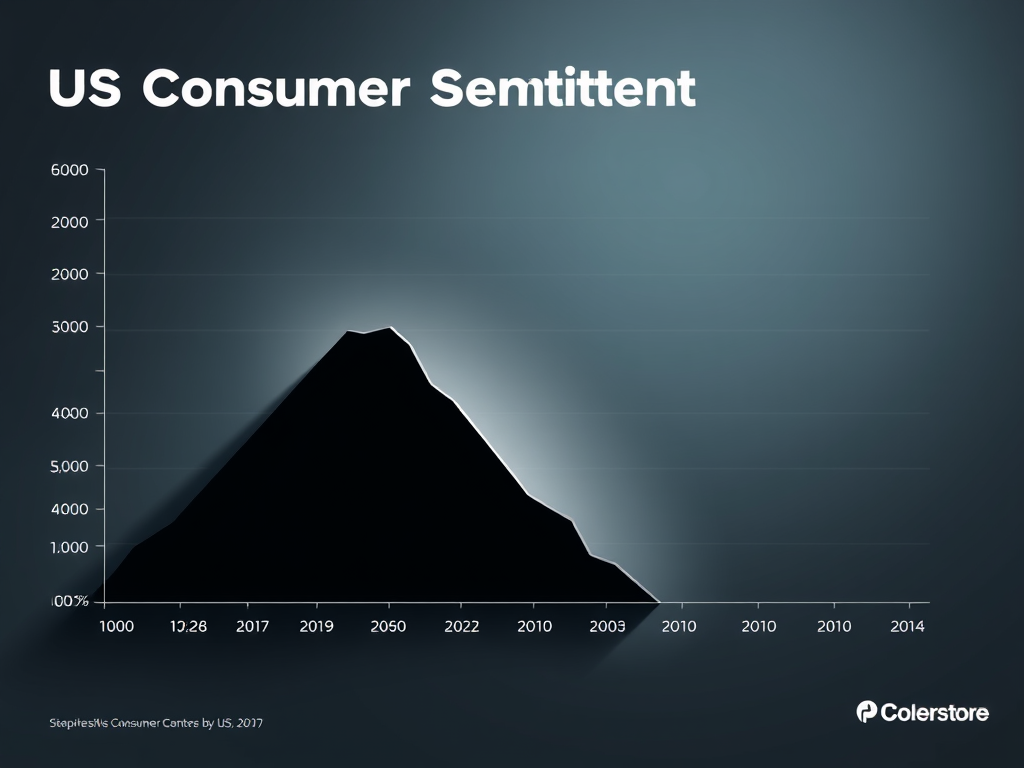
    Republican lawmakers and CEOs are starting to panic as consumer confidence drops due to Trump’s proposed tariffs and federal job cuts. The economy is already struggling with inflation and a slowing job market, causing stock markets to stagnate. Recent data shows that Americans are losing faith in the economy, with expectations of higher prices and fewer job opportunities on the rise.

    President Trump, however, is quick to distance himself from the rising inflation, claiming it has nothing to do with his presidency. In reality, inflation in the U.S. has increased more than expected, with prices of essentials like gasoline, housing, and groceries all on the rise. The consumer price index jumped by 3 percent last month compared to a year ago, according to the Labor Department.

    Despite warnings from experts before Trump took office, the president’s economic policies, such as tax cuts and tariffs, are fueling inflation. Republican Rep. Scott Fitzgerald has already heard concerns from constituents about the impact of Trump’s tariffs on their businesses, yet the GOP remains silent.

    It’s ironic that Trump, who has a history of bankruptcies, seems to have skipped his economics classes. Meanwhile, the Republican Party is content to watch the economy crumble, blaming everyone but themselves. Oh, the irony!

  • Tariffs – The American people are watching

    After two years of campaigning on the promise of lower gas prices, eggs, groceries  and revitalized manufacturing sector, and reduced migration, President Donald Trump is implementing a tariff policy that could potentially undermine all of these goals. The dreaded Trump Tariffs are back, and American voters are not pleased.

    With inflation on the rise, the American people are growing increasingly wary of President Trump’s beloved economic policy. Threatening to impose tariffs on all imports from Mexico and Canada, Trump risks inciting a backlash from consumers. 

    A recent Harris poll conducted for Bloomberg revealed that 60 percent of respondents believe these tariffs will only lead to higher prices on everyday goods.

    Despite Trump’s assurances of lower prices, the reality is quite the opposite. Even a modest 10% tariff on Canadian oil and gas could result in a 20 cent increase per gallon of gas, hitting the Midwest and Rocky Mountain states particularly hard. The American people will undoubtedly bear the brunt of these new tariffs, as numerous studies have shown.

    The New York Federal Reserve estimates that tariffs on Chinese imports have already cost the average American household $830 per year. With more tariffs on the horizon, this financial burden is only set to increase. President Trump now faces a critical decision – will he continue down the path of failed tariffs, or will he prioritize his promises of lower prices, increased manufacturing, and reduced immigration?

    The stakes are high, and the American people are watching. President Trump must choose wisely, as the consequences of his decision will impact the nation for years to come.

  • Red State’s take hit in GOP and Trump 2025 Budget plan

    The Republican party’s ambitious plan to cut taxes, fund border security and defense spending, and advance President Donald Trump’s domestic agenda hinges on significant cuts to Medicaid. This decision, however, comes with the risk of a substantial political backlash as many constituents, red state MAGA voters, rely on this crucial program.

    Medicaid currently provides health insurance coverage to 72 million Americans, including millions of children, serving as a vital safety net in states where Trump enjoys strong support. States such as Louisiana, Kentucky, Mississippi, West Virginia, and Arkansas are among those with the highest percentage of Medicaid recipients.

    The driving force behind this budget is a bold vision to slash mandatory spending by at least $1.5 trillion over the next decade, energizing the effort to finance an extension of President Donald Trump’s tax cuts. Yet, these tax cuts have alarmingly favored the wealthy, a fact underscored by the Center on Budget and Policy Priorities, which highlights how they have disproportionately enriched those at the top while leaving many behind.

    The debate surrounding the future of Medicaid and other safety net programs has caused turmoil within the GOP as they search for ways to fund the $4.5 trillion in tax cuts demanded by President Trump, primarily benefiting billionaires. Previous attempts to repeal Obamacare, which would have significantly reduced Medicaid coverage and removed protections for individuals with preexisting conditions, resulted in Trump’s lowest approval ratings and contributed to Democratic victories in the 2018 midterm elections.

    Republicans have made it clear that cutting Medicaid is a key strategy for financing their tax cuts for the rich. The House Republican budget plan, endorsed by Trump, proposes slashing up to $880 billion from Medicaid to offset the cost of tax cuts. It is important to note that half of Medicaid spending benefits individuals eligible due to old age or disability.

    The Republican party’s plan to cut taxes and fund key initiatives relies heavily on reducing Medicaid funding, a decision that could have far-reaching consequences for millions of Americans and mostly in red states. 

  • Trump tariffs sink Stock Market

    Wall Street took a hit on Thursday, with Walmart leading the charge in pulling the market off its record highs.

    The S&P 500 experienced a 0.4% decline, marking its first drop after reaching all-time highs over the past two days. The Dow Jones Industrial Average saw a loss of 450 points, or 1%, while the Nasdaq composite dropped 0.5%.

    Walmart was the main driver behind the market’s downturn, plummeting 6.5% despite reporting stronger profits for the latest quarter than analysts had anticipated. The Bentonville, Arkansas-based retail giant provided a profit forecast for the upcoming period that fell short of analysts’ expectations, as consumers nationwide grapple with persistent inflation and the looming threat of tariffs imposed by President Donald Trump.

  • Tariffs – a history lesson and how they increase prices for Americans

    Nearly a century ago, a disastrous law played a significant role in triggering the Wall Street crash of 1929 and plunging the world into a devastating depression. The Smoot-Hawley Tariff, which covered approximately one-quarter of all imports, ignited tensions with U.S. trading partners and led to a drastic reduction in American imports and exports. This painful lesson taught Americans the high cost of trade wars, and serves as a stark reminder that we must carefully consider our trade relationships.

    Former Senate Republican Leader Mitch McConnell (Ky.) recently expressed serious reservations about President Trump’s tariff plan, highlighting the detrimental effects of tariffs. As Sen. Rand Paul aptly stated, “Tariffs are simply taxes… Taxing trade leads to reduced trade and higher prices.” It is crucial for Republicans to fully understand the negative impact of tariffs as we strive to establish sound fiscal policies in our government.

    During the previous Trump administration, retaliatory tariffs from trade partners sparked a widespread trade war that negatively impacted various sectors of American industry, including agriculture, manufacturing, aerospace, motor vehicles, and distilled spirits. Canada has already announced retaliatory measures targeting Kentucky products such as peanut butter and whiskey, which will ultimately result in increased costs for American consumers. Senate McConnell emphasized the importance of maintaining strong alliances with our trading partners to ensure the long-term prosperity of American industry and workers, stating that trade wars with allies disproportionately harm working people.

    It is imperative that we approach trade policies with caution and foresight, prioritizing collaboration with our allies rather than engaging in harmful disputes. Let us learn from the mistakes of the past and work towards fostering mutually beneficial trade relationships for the benefit of all.