Tag: tariffs

  • US Producer Prices See Largest Jump in Over Three Years, Sparking Fears of Rising Consumer Costs

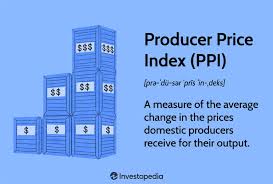
    Blue Press Journal- In a surprise move, US wholesale inflation surged in July, with the Labor Department reporting a 0.9% increase in the producer price index (PPI) from June. This marks the largest monthly jump in over three years, with wholesale prices rising 3.3% compared to the same period last year.

    The increase in producer prices is attributed to tariffs imposed by President Trump on imports, driving up costs for US businesses reliant on imported goods. Wholesale food prices rose 1.4% from June, with vegetables surging 38.9%, while home electronic equipment prices increased by 5%.

    Economists had expected a more modest increase in producer prices, making the actual numbers a surprise. The data suggests that the effects of the tariffs are beginning to materialize, and consumers may soon feel the pinch. As businesses struggle to absorb the higher costs, they may be forced to pass them on to consumers in the form of higher prices.

    According to Christopher Rupkey, chief economist at fwdbonds, a financial markets research firm, “It will only be a matter of time before producers pass their higher tariff-related costs onto the backs of inflation-weary consumers.” This warning suggests that the current surge in producer prices may be a precursor to higher consumer prices in the coming months.

    The impact of the tariffs has been delayed as importers stockpiled products before the taxes took effect. However, as these inventories dwindle, consumers may soon face higher prices for various goods, including food and electronics.

    The latest data has raised concerns about the consequences of ongoing trade tensions on the US economy. As the trade war escalates, both businesses and consumers are preparing for the fallout.

  • TARIFF TURMOIL: Trump’s Trade Policy Sparks Global Backlash and Market Volatility

    In a move last week that has sent shockwaves across the global economy, the Trump administration’s tariff policy has significantly increased tariff rates on nations worldwide, with rates ranging from 10% to a staggering 50%. The drastic changes, implemented in a matter of days, have already begun to take their toll on markets, prompting backlash from several countries and price hikes for consumers.

    The sudden and drastic increases in tariff rates have created turmoil in some markets, with investors and businesses scrambling to adapt to the new trade landscape. The unpredictable nature of the policy has also led to increased uncertainty, making it challenging for companies to plan for the future.

    Critics of the policy, including economist Solomon, have been vocal in their opposition, warning that the increased tariff rates would ultimately hurt the United States economy. Solomon has cautioned that the higher tariffs would force CEOs to “tighten their belts,” leading to reduced investment, lower economic growth, and potentially even job losses.

    “The tariffs are a recipe for disaster,” Solomon said in a statement. “By increasing the cost of imports, we’re essentially imposing a tax on American consumers and businesses. This will lead to higher prices, reduced demand, and a decline in economic activity.”

  • Trump’s Tariffs Threaten to Derail Republican Economic Agenda

    Blue Press Journal The cost of living in America is poised to rise due to President Trump’s latest round of tariffs, dealing a significant blow to the President and Republican lawmakers who campaigned on reducing the cost of groceries and other staples in the 2024 election.

    Despite being over six months into Trump’s second term, the prices of essential goods such as groceries and cars continue to climb, which has led to a decline in Trump’s job approval rating and a growing dissatisfaction with his handling of the economy. The Consumer Price Index has stabilized at 2.7 percent, but policymakers are concerned that the prices of goods and services could surge again, prompting the Federal Reserve to exercise caution in cutting interest rates.

    The tariffs imposed by Trump are expected to drive up costs, with experts estimating that the average family of four could face an additional $2,400 or more in annual expenses. This increase is a result of higher fees on goods from major trading partners, including Canada, the European Union, Japan, South Korea, Vietnam, and others.

    The rising cost of living threatens to undermine the Republican Party’s economic agenda, which has been a cornerstone of their platform. The party’s inability to deliver on their promise to reduce the cost of living could have significant implications for the 2026 midterm elections.

    In an effort to mitigate potential losses, National Republicans are ramping up their efforts to create more GOP-friendly congressional districts. The party is seeking to squeeze more Republican seats out of the current electoral map, with a focus on creating new districts that are more likely to elect Republican candidates.

    This move is seen as a strategic attempt to shore up the party’s numbers in Congress, as they face growing headwinds from discontented voters. With the economy and cost of living emerging as key issues, the Republican Party and Trump are under pressure to deliver on their promises and demonstrate that they are committed to reducing the financial burden on American families.

  • Trump’s Promise of Lower Grocery Prices Falls Flat: Tariffs and Economic Policies Drive Costs Up

    Blue Press Journal. – One year ago, President Donald Trump stood in front of a table laden with everyday groceries, promising voters that he would bring prices down “immediately, starting on Day One” if elected. However, the reality has been starkly different. Despite his campaign pledge, grocery prices have continued to rise, leaving many Americans struggling to make ends meet.

    The culprit behind the price hike is largely attributed to Trump’s own economic policies, particularly his tariffs on imported goods.

    One glaring example is coffee from Brazil. With a staggering 50% hike in tariffs on Brazilian coffee, prices are set to skyrocket. Get ready—your morning cup of joe is about to become a luxury that could more than double in cost!

    The trade wars sparked by these tariffs have led to increased costs for businesses, which are then passed on to consumers. As a result, the prices of staples like flour, eggs, and milk have risen, contradicting Trump’s promise of relief for American families.

    Moreover, the president’s chaotic governing style and attacks on democratic norms have created an environment of uncertainty, deterring businesses from investing in the economy. This lack of confidence has further exacerbated the problem, leading to higher prices and reduced economic growth.

    The consequences of Trump’s policies are being felt across the country, with many low- and middle-income families bearing the brunt of the price increases. As the cost of living continues to rise, these households are being forced to make tough choices between essential expenses, such as groceries, housing, and healthcare.

    Trump’s policies have been misguided and have failed to deliver on his campaign promises. “The president’s tariffs and economic policies have been a recipe for disaster,” said a leading economist. “Instead of bringing prices down, they have driven costs up and created uncertainty in the market.”

    With the midterm elections looming, the president’s failure to deliver on this key campaign pledge is likely to become a major issue, as voters look for leaders who can provide real solutions to the economic challenges facing the country.

  • TRUMP’S BROAD TARIFFS TAKE EFFECT, EXACERBATING ECONOMIC PAIN

    Blue Press Journal: In a move that is likely to have far-reaching consequences for the US economy, President Donald Trump’s administration has begun imposing higher import taxes on dozens of countries, effective Thursday. The new tariffs, which range from 10% to 20%, will affect goods from over 60 countries, including the European Union, Japan, and South Korea.

    The tariffs, which include taxes on food items such as coffee and bananas, as well as cell phones and computers, are expected to have a significant impact on both companies and consumers. The EU, Japan, and South Korea will face a 15% tariff rate, while imports from Taiwan, Vietnam, and Bangladesh will be taxed at 20%.

    The move comes at a time when the US economy is already showing signs of strain from existing tariffs, including a 10% global tariff, a 25% levy on automobiles and auto parts, and a 50% tax on steel and aluminum imports. The Bureau of Labor Statistics recently released a weak jobs report for July, and inflation has ticked up as businesses pass on the cost of tariffs to consumers.

    Many economists warn that the risk of the tariffs is not a sudden collapse, but rather a steady erosion of the US economy. A survey by the National Foreign Trade Council found that companies are being forced to delay or reduce their product and service offerings due to rising costs and sourcing challenges.

    Heavy equipment manufacturer Caterpillar has already warned that rising tariffs could cost it $1.5 billion this year. Additionally, Trump has announced 100% tariffs on computer chips, and import taxes on pharmaceutical drugs are still pending. These moves could leave the US economy in a state of suspended animation, awaiting the full impact of the tariffs.

    As companies and consumers brace for the impact of the new taxes, there are growing concerns about the self-inflicted wounds to the US economy. The Trump administration’s trade policies have been widely criticized, with many arguing that they will ultimately harm American businesses and consumers.

  • US Economy Shows Signs of Strain as Service Industry Activity Slows: Trump Tariffs

    Blue Press Journal: A disappointing report on US business activity in the service sector has raised concerns that the ongoing trade tensions and tariffs imposed by President Donald Trump are taking a toll on the economy. The latest data has sparked a decline in US stock indexes, with investors growing increasingly anxious about the potential impact of the trade war on economic growth.

    According to the report, activity in service industries such as transportation and retail has slowed more than expected, adding to worries that the US economy is beginning to feel the effects of the trade tensions. The news sent US stock indexes sliding on Tuesday, with the S&P 500 falling 0.5% after a volatile stretch that saw it experience its worst day since May, followed by its best day since May.

    The Dow Jones Industrial Average also dropped, losing 61 points or 0.1%, while the Nasdaq composite fell 0.7%. The decline in stock prices reflects growing concerns among investors that the trade war is starting to have a negative impact on the US economy, which had previously shown signs of resilience.

    The service sector report is the latest in a series of discouraging economic signals, which have raised fears that the US economy may be heading for a slowdown. The Trump administration’s tariffs on imported goods have been blamed for the slowdown, as they have led to higher costs for businesses and consumers, and have disrupted global supply chains.

    The decline in US stock indexes is a sign that investors are becoming increasingly nervous about the potential consequences of the trade war, and are seeking safe-haven assets to protect their investments. As the trade tensions continue to escalate, it remains to be seen how the US economy will fare, and whether the Trump administration’s policies will ultimately lead to a recession.

    For now, investors are advised to exercise caution, as the economic outlook remains uncertain. As the situation continues to unfold, it is likely that the markets will remain volatile, with investors closely watching the latest economic data and trade developments for signs of what’s to come.

  • US Labor Market Takes a Hit in June as Trump’s Trade Wars Take Toll

    The US labor market showed signs of weakness in June, with employers adding a mere 73,000 jobs last month, according to the latest report from the Labor Department. This unexpected slowdown has raised concerns about the health of the job market and the economy, as President Donald Trump continues to push forward with his radical trade policies, imposing hefty tariffs on imports from almost every country.

    The unemployment rate ticked up to 4.2% in June, a slight increase from 4.1% the previous month. Furthermore, revisions to previous reports revealed that hiring was much weaker than initially thought in May and June, painting a gloomier picture of the labor market.

    One of the hardest-hit sectors was manufacturing, which cut 11,000 jobs in June, following a loss of 15,000 jobs in May and another 11,000 in April. This downturn is a far cry from the robust hiring seen just three years ago, during the “Biden boom,” when employers were desperate to attract and retain workers, offering signing bonuses, Fridays off, fertility benefits, and even pet insurance.

    The current situation is a stark reversal of the job market’s previous trajectory, and experts warn that the uncertainty surrounding Trump’s trade policies is paralyzing businesses and stifling growth. The imposition of tariffs on imports from almost every country has created a climate of uncertainty, making it difficult for companies to make informed decisions about hiring and investment.

    As the trade wars escalate, concerns are growing that the US economy may be headed for a slowdown, or even a recession. The weak job report has raised questions about the wisdom of Trump’s trade policies and their impact on American businesses and workers.

    The Labor Department’s report has sparked widespread concern among economists and policymakers, who are urging the administration to reassess its trade strategy and work towards a more stable and predictable economic environment. As the US economy navigates these uncertain times, one thing is clear: the labor market is sending a warning signal that cannot be ignored.

  • Ford Warns of Profit Plunge Due to Trump Tariffs

    In a stark warning to investors, American automaker Ford announced on Wednesday that the tariffs imposed by the Trump administration will significantly impact its bottom line. The company’s stock shares plummeted by over 2% in after-hours trading following the news.

    Ford, which manufactures the most cars in the US of any automaker, is being squeezed by new trade barriers imposed by the White House. The tariffs on key inputs such as steel and aluminum, as well as taxes on car components manufactured in Canada and Mexico, are expected to take a significant toll on the company’s profitability.

    This warning comes on the heels of a similar announcement by General Motors earlier this month. GM cited the Trump tariffs as a major reason for its $3 billion profit decline in the previous quarter. The two automakers’ warnings highlight the unintended consequences of the tariffs on the US economy, particularly on industries that rely heavily on international trade.

    President Trump’s decision to raise tariffs on foreign products was a key plank of his 2024 election campaign, despite his promise to lower inflation. However, tariffs have historically led to higher prices, rather than lower ones. The move has sparked concerns among economists and business leaders that the tariffs will ultimately harm American consumers and businesses.

    Ford’s struggles with the tariffs are particularly notable, given its significant presence in the US manufacturing sector. As the largest automaker in the US, Ford’s warning serves as a bellwether for the potential impact of the tariffs on other industries.

    The news has raised questions about the effectiveness of the Trump administration’s trade policies and the potential long-term consequences for the US economy. As the trade tensions continue to escalate, investors and consumers alike will be watching closely to see how the situation unfolds.

    .

  • Inflation Rises More Than Expected in June Due to Trump Tariffs

    The latest inflation data from the Federal Reserve’s preferred gauge showed a surprising uptick in June, with the annual increase rising to 2.6 percent from 2.3 percent in the previous month. The increase was largely driven by the effects of President Trump’s tariffs, which have begun to make their way into the economy.

    The core personal consumption expenditures (PCE) index, which excludes the more volatile categories of food and energy, also saw a significant increase, rising to a 2.8 percent annual growth rate. This was above consensus estimates of 2.7 percent, indicating that the impact of tariffs on prices is more substantial than anticipated.

    Economists had been expecting some price growth as a result of the tariffs, but the extent of the increase has been notable. Certain categories, such as household furnishings and equipment, recreational goods, apparel, and motor vehicle parts, have been particularly affected, with prices rising sharply due to the tariffs.

    The Federal Reserve opted to hold short-term interest rates steady at a range of 4.25 percent to 4.5 percent after its meeting this week. The decision reflects the fact that while tariffs are driving up prices.

    The rise in inflation is likely to be closely watched by policymakers and economists, as it could have implications for future interest rate decisions. However, for now, the Fed appears to be taking a wait-and-see approach, monitoring the impact of the tariffs and other economic factors before making any further moves.

    The increase in inflation is also likely to have implications for consumers, who may see higher prices for a range of goods and services.

  • Trump Administration’s Trade Policies Leave Countries and Consumers Uncertain

    Blue Press Journal: In a significant departure from traditional trade policy practices, the Trump administration has abandoned the longstanding protocol of involving Congress, small businesses, corporations, academics, and other stakeholders in trade negotiations. Instead, countries are now negotiating directly with President Donald Trump and a small group of trade officials, often resulting in vague and uncertain agreements.

    The recent trade deal with the European Union, comprising 27 countries, is a prime example of this new approach. The agreement includes a 15% baseline tariff for most European goods, which is higher than previous rates and is expected to increase prices for consumers. The EU has also agreed to purchase $750 billion of energy products from the US and not to tax a yet unknown category of US imports. However, the EU has stated that it cannot guarantee the sizes of these investments, leaving many details unclear.

    The White House and the European Commission have released contradictory claims about the agreement, adding to the confusion. According to Euronews, the EU’s statements have contradicted those of the White House, highlighting the lack of transparency and clarity in the negotiations.

    Furthermore, the trade deals announced by the Trump administration are not actually finalized agreements, but rather proposals or frameworks for future discussions. The recent agreement with the United Kingdom, for example, sets a 10% tariff rate on most goods and a maximum of 100,000 imported cars, but maintains a 25% tariff on steel.

    Experts warn that these tariffs will have a significant impact on consumer prices, as companies will pass on the increased costs of importing goods to consumers. The shipping industry, which lags the market by several months due to logistics, will also be affected, leading to further price increases. Tariffs on raw materials and intermediate parts, such as steel and aluminum, will also drive up the cost of building complex goods, resulting in higher prices for consumers.

    Additionally, the tariffs imposed by the Trump administration may lead to a decrease in trade volumes between the US and affected countries. Tariffed countries may be less inclined to continue trading with the US at the same level, potentially harming American businesses and consumers.

    As the full impact of these trade policies becomes clear, consumers and businesses are bracing themselves for the potential consequences. With tariffs already starting to show up in consumer prices, it remains to be seen how the Trump administration’s unconventional trade policies will ultimately affect the US economy and global trade relationships.