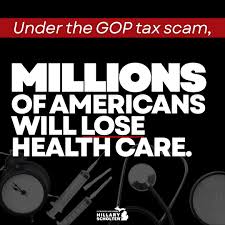
The recent passage of massive tax cut legislation by the House and Senate has sent shockwaves through the American healthcare system. While the bill’s proponents claim it will boost economic growth, the reality is that it poses a significant threat to the stability of rural and safety-net hospitals, and ultimately, the patients who rely on them.
At the heart of the issue is a provision that alters state-levied provider taxes, resulting in a substantial reduction in spending – to the tune of nearly $191 billion over the next decade, according to estimates from the Congressional Budget Office (CBO). An analysis by the National Rural Health Association and Manatt Health found that an earlier version of the bill introduced in the Senate would have resulted in a staggering $58 billion in Medicaid cuts over the next 10 years for rural hospitals.
The final bill that passed includes a five-year, $50 billion rural health relief fund, but provider groups argue that this is merely a Band-Aid solution compared to the overall cost of the cuts. In reality, this temporary fix is unlikely to mitigate the long-term damage caused by the legislation.
As a direct consequence of the bill’s provisions, hospitals are poised to experience an alarming surge in uncompensated care and an overwhelming influx of patients flooding emergency rooms. This crisis will unfold as millions of American families are pushed to the brink, losing their essential healthcare coverage due to the draconian Medicaid work requirements and the heartless eligibility alterations embedded in this legislation. The repercussions will be catastrophic, leaving our hospitals grappling desperately to provide the care that every patient and community so profoundly deserves.
“We are in a crisis,” said Bruce Siegel, president and CEO of America’s Essential Hospitals, a group that represents hospitals serving primarily low-income patients. “Widespread coverage losses plus weakened hospitals is a recipe for disaster, and patients will pay the price.”
The impact on rural hospitals will be particularly severe, as they are often the lifeline for communities with limited access to healthcare services. The loss of funding will exacerbate existing challenges, such as staffing shortages and outdated infrastructure, making it even more difficult for these hospitals to provide essential care to their patients.
While the tax cut legislation may have been touted as a economic stimulus, its true impact will be felt in the healthcare sector, where it threatens to destabilize rural and safety-net hospitals.
 Blue Press Journal
Leave a comment