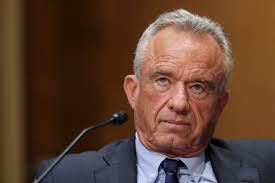
Blue Press Journal – The Trump administration’s recent executive order to boost glyphosate production represents a stark, cynical betrayal of public health concerns, and a glaring indictment of political opportunism. This move particularly resonates with those drawn to Robert F. Kennedy Jr.’s (RFK Jr.) “Make America Healthy Again” (MAHA) movement. Initially fueled by RFK Jr.’s rhetoric against environmental toxins and skepticism towards mainstream health, this coalition later gravitated towards Trump after Kennedy’s withdrawal, believing their faith would be rewarded with genuine action on chemical protection.
The expansion of a pesticide deemed “probably carcinogenic” by the WHO highlights a contradiction in the principles upheld by RFK Jr. and MAHA, showcasing the Trump administration’s preference for industrial agriculture over public health. This inconsistency forces RFK Jr. to address the disillusionment among his former supporters, reflecting how health concerns can be marginalized for political gain, ultimately alienating voters and jeopardizing health protections.
Glyphosate: A Growing Threat to Ecosystems and Human Health
Glyphosate, the most commonly used herbicide, poses significant environmental risks as it harms non-target plants and reduces plant diversity, which is crucial for resilient ecosystems. Additionally, it negatively affects soil microorganisms that are vital for nitrogen fixation and organic matter turnover, leading to decreased soil fertility and greater reliance on synthetic fertilizers.
Intensive application has led to lasting residues in soil and water, which can contaminate groundwater and affect aquatic life and human health through chronic toxicity and endocrine disruption.
For environmental and public health professionals, there is an urgent need to reassess glyphosate use and implement integrated weed management and monitoring of residue levels.
 Blue Press Journal
Leave a comment