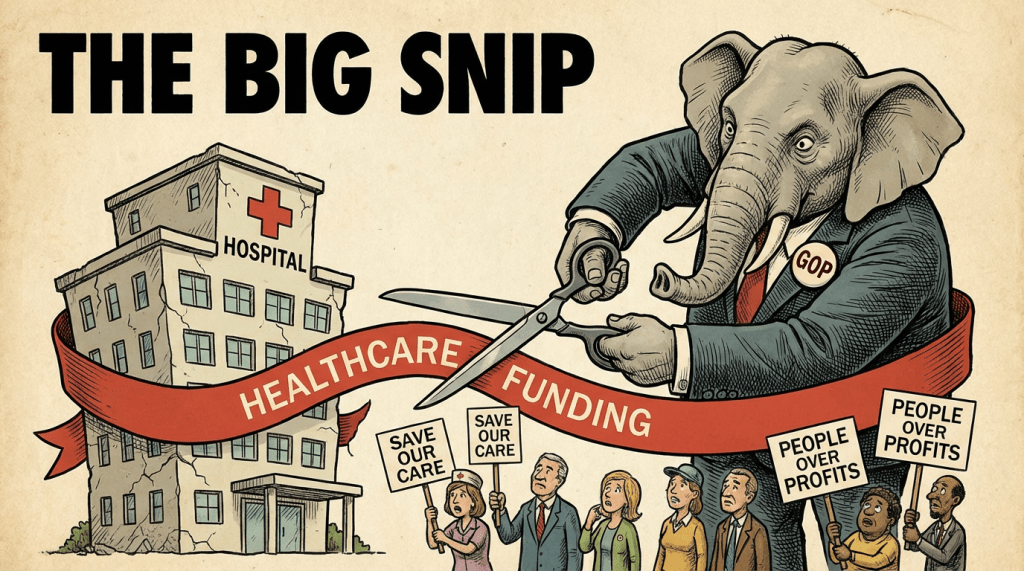
Blue Press Journal – The escalating prospect of a $200 billion conflict with Iran under Donald Trump’s “America First” banner is exposing a deep hypocrisy in current Republican fiscal policy. National leadership is now eyeing drastic cuts to Medicaid and essential nutrition programs to bankroll foreign military intervention—a move that prioritizes global volatility over domestic survival.
As reported by The Hill, House Budget Committee Chair Jodey Arrington is championing this pivot, framing a “war on fraud” as a convenient mask for gutting social safety nets. However, this strategy is meeting fierce resistance from those who see it as a betrayal of the working class. HuffPost notes that millions of Americans have already lost insurance coverage due to previous GOP maneuvers, yet Trump’s allies seem intent on further dismantling healthcare to finance a reckless Middle East strategy.
Critics argue this policy shift is not only economically dangerous but morally bankrupt. According to The New York Times, the reliance on “reconciliation” to bypass legislative debate shows a willingness to sacrifice the health of the American public for unilateral executive aggression. Rather than focusing on the surging cost of living, which Reuters reports remains a primary concern for the electorate, this administration’s trajectory trades the well-being of families for the catastrophic costs of an avoidable war.
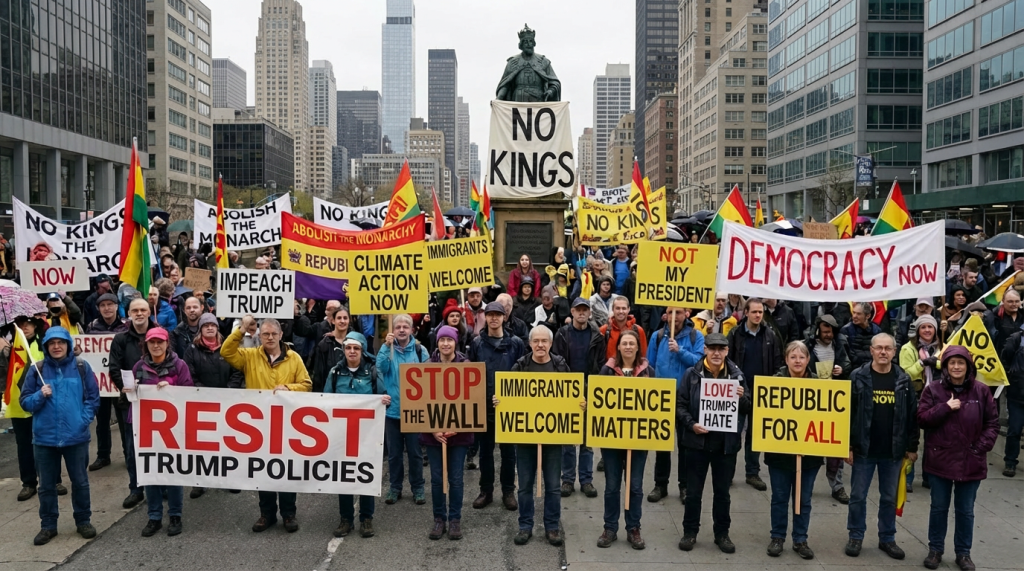
Blue Press Journal – Indivisible co‑founder Ezra Levin announced a coordinated “May Day” general strike slated for May 1, aiming to turn a day of economic resistance into a national statement against President Donald Trump’s increasingly authoritarian policies. Levin, speaking at the flagship No Kings rally in Minneapolis, praised the bold stand taken by Minnesotans earlier this year when they challenged an ICE sweep of their city. He said the upcoming strike will be “more than a protest”—it will be an economic show of force that puts workers ahead of corporate elites and “kings” in Washington (the New York Times).
Levin outlined the plan: no work, no school, no shopping, a unified pause that demonstrates ordinary Americans as the biggest obstacle to fascism. Indivisible’s Leah Greenberg echoed this, insisting the strike sends a clear demand for a government that invests in communities rather than enriching billionaires or fueling endless wars (reported by Reuters). With the March “No Kings” rally estimated to have drawn over five million participants—potentially the largest single‑day protest in U.S. history (CNN)—the May 1 action could further cripple Trump’s agenda and force a reckoning on his immigration, tax and foreign‑policy strategies.
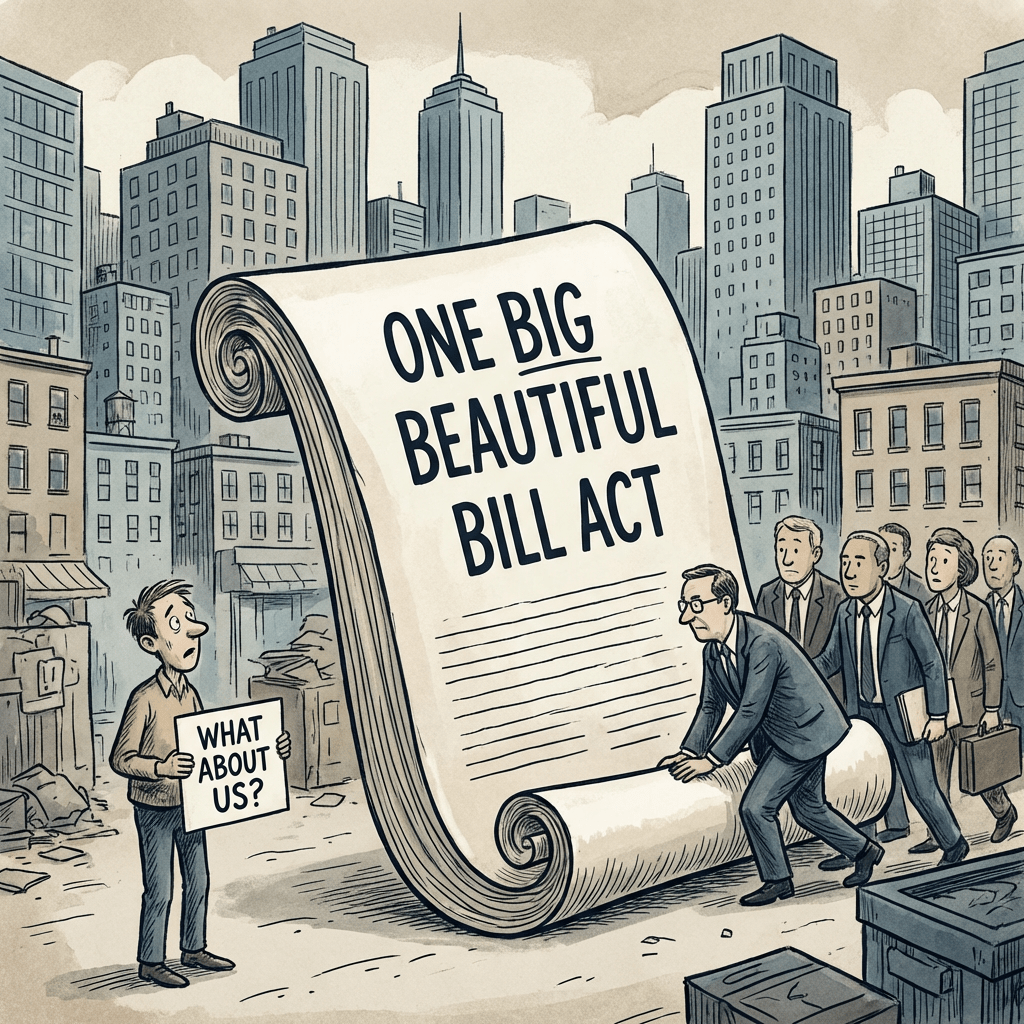
Blue Press Journal – The Republican-passed One Big Beautiful Bill Act—championed by Donald Trump and GOP leadership—represents one of the largest tax giveaways to the ultra-wealthy in modern American history. While working families face stagnant wages and rising costs, multiple independent analyses using IRS data confirm a stark reality: America’s billionaires and richest households often pay lower effective tax rates than the average teacher, nurse, or construction worker.
The discrepancy stems from systemic favoritism toward wealth over work. Because much of billionaire income derives from unrealized capital gains rather than taxable wages, the ultra-rich exploit structural loopholes that the Big Beautiful Bill expands rather than closes. Independent economic analyses suggest that equalizing effective tax rates—ensuring billionaires pay roughly what middle-class workers contribute—could generate between $500 billion and $1 trillion annually in new revenue.
Instead, current trajectory is fiscally catastrophic. As of late 2025, U.S. national debt exceeds $38 trillion, driven significantly by Trump-era and GOP tax cuts favoring millionaires and billionaires. The debt grows by over $2 trillion per year, with nearly $1 trillion consumed annually by interest payments alone—crowding out investments in infrastructure, healthcare, and elder security.
Simultaneously, Social Security faces an imminent solvency crisis. According to the Social Security Administration (ssa.gov), the trust fund faces depletion between 2032–2034, triggering automatic benefit cuts of 20–28% unless Congress intervenes [^1^][^2^]. While Social Security’s 75-year funding gap remains smaller than the national debt, relatively modest revenue increases—derived from billionaire wealth taxes—could delay or prevent these devastating cuts.
However, current law limits Social Security financing to payroll taxes. Redirecting wealth-based taxes to the trust fund would need congressional action for modification—a feasible yet politically blocked solution by lawmakers who approved the Big Beautiful Bill giveaways.
Sources: [^1^]: Social Security Administration. “Status of the Social Security and Medicare Programs.” ssa.gov. [^2^]: Newsweek. “Social Security Benefit Cuts Projected Timeline.” newsweek.com. [^3^]: WGME. “Social Security Trust Fund Shortfall Analysis.” wgme.com.
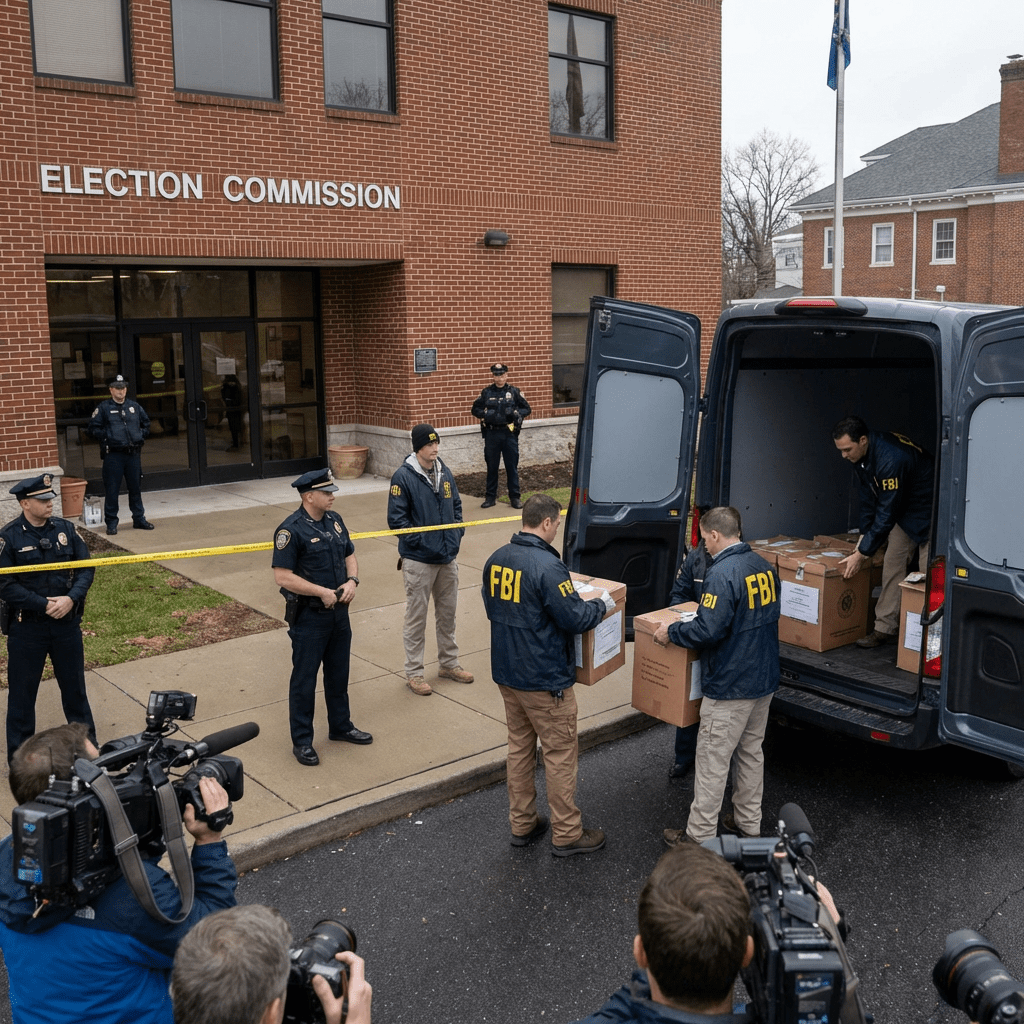
Blue Press Journal – The 2026 Department of Justice raid on a Fulton County, Georgia election office, seizing ballots and machinery, was a watershed moment. While framed as an investigation into the 2020 election, legal experts and election officials nationwide interpreted it as a dangerous escalation and a potential dress rehearsal for future electoral disruption.
Election law scholar Richard Hasen of UCLA Law warned in Slate that the action appeared less about the past and more like a “test run for messing with election administrators” in upcoming contests. This aligns with a persistent pattern of baseless election fraud claims being used to justify unprecedented federal overreach into state-run elections.
The prospect of similar ballot seizures during or after the 2026 midterms raises profound legal and constitutional alarms. As the Brennan Center for Justice’s Wendy Weiser stated, such actions would be “wildly illegal,” requiring judicial warrants or subpoenas that are meant to serve as a check on power. However, the legally questionable Fulton County warrant, now itself being challenged in court for its “Material Omissions and Misstatements,” demonstrates how these safeguards can be exploited.
In response, Democratic secretaries of state are not standing idle. Officials in states like Colorado and Minnesota have publicly outlined their preparations to immediately challenge any federal interference in the courts. “We’ve been preparing for this event and many other scenarios of federal disruption,” Colorado’s Jena Griswold noted, underscoring the heightened state of alert.
A potential legal defense may ironically come from a recent Supreme Court decision, Bost v. Illinois State Board of Elections. As analyzed by SCOTUSblog, this ruling could provide candidates standing to sue in advance to prevent actions—like seizing ballots—that threaten a “fair process and an accurate result,” offering a new tool to preempt interference before it occurs.
While the administration seeks to expand its electoral power, a coalition of state officials, legal experts, and judicial checks stands as a barrier to these efforts in 2026.
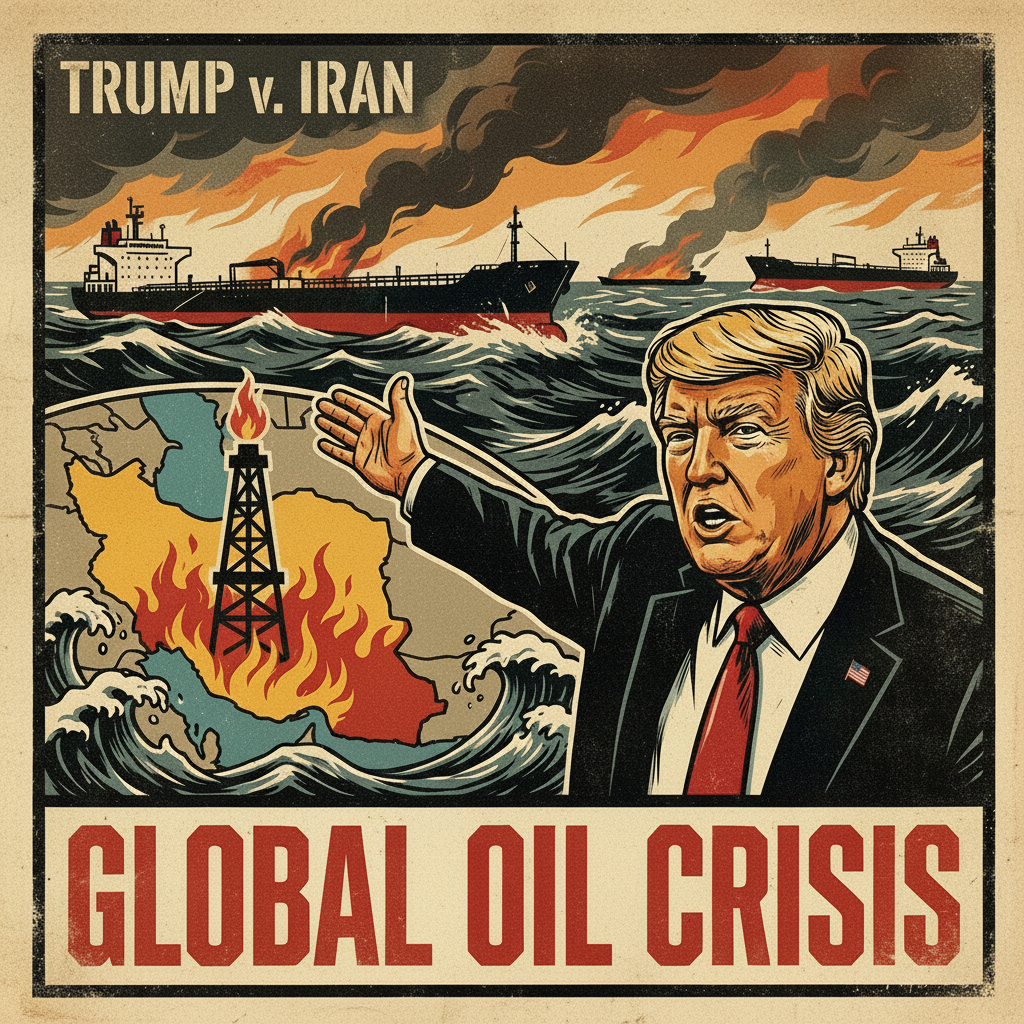
BLUE PRESS JOURNAL – Brent crude futures clung fiercely to the $100 per barrel mark on Monday, a stark reminder of the escalating energy crisis that looms over the globe. As Iranian military maneuvers wreak havoc on essential infrastructure and strangle vital maritime chokepoints crucial to international trade, the repercussions are felt far and wide, igniting a sense of urgency that cannot be ignored.
The temporary closure of Dubai International Airport—one of the world’s busiest—after Iranian drone strikes shows the expanding conflict’s geographic scope, according to aviation data from FlightAware and Reuters. Meanwhile, Tehran’s blockade of the Strait of Hormuz has cut off about one-fifth of global oil shipments, causing supply shocks similar to the 1970s energy crisis, confirms the U.S. Energy Information Administration.
Since Donald Trump and Jerusalem initiated coordinated strikes against Iranian targets on February 28, regional tensions have metastasized beyond bilateral conflict. Iranian forces have systematically targeted Israeli population centers, American military installations across the Levant, and energy infrastructure belonging to Gulf Arab states, military analysts confirmed to the Associated Press.
The economic reverberations extend far beyond pump prices. The World Food Program has warned that surging fertilizer costs—directly linked to hydrocarbon price spikes—threaten agricultural output across the Global South, potentially triggering famine conditions in import-dependent nations while complicating inflation control efforts by central banks worldwide.
President Donald Trump’s diplomatic isolation has worsened the crisis. Despite requesting naval contributions from about seven allied nations for Hormuz transit lanes, the administration has gained zero formal commitments, defense officials told Bloomberg. This highlights the decline of American coalition-building under Trump’s “America First” approach, leaving Washington without the necessary multinational naval presence to ensure freedom of navigation in the Persian Gulf.
Iranian Foreign Minister Abbas Araghchi extinguished speculation on negotiated settlements, stating via social media that Tehran seeks “neither truce nor talks,” hinting at prolonged economic volatility. The International Energy Agency warns that prices above $100 may compel central banks to maintain high interest rates, potentially leading to recession amid ongoing inflation.
Trump’s Iran War: Billions Squandered, Lives Shattered, and a Cloud of Doubt Looming Over the Timing
BLUE PRESS JOURNAL – Two weeks into a conflict that lacks clear objectives or exit strategies, President Donald Trump faces mounting scrutiny over his decision to launch strikes against Iran—a move critics argue serves as a convenient distraction from the ongoing Jeffrey Epstein files controversy while draining American taxpayer resources.
The human and financial toll continues to escalate. According to The Associated Press, American casualties have mounted while the administration struggles to articulate why the nation went to war in the first place. Taxpayers are footing the bill for an open-ended military engagement that has already disrupted global energy markets, with the Center for Strategic and International Studies estimating that prolonged Gulf conflicts cost billions weekly in operational expenses alone.
Meanwhile, Trump’s economic promises are crumbling.Reuters reports that oil prices have surged past $100 per barrel in some markets, directly contradicting campaign pledges to lower everyday costs for working families. Rather than addressing these concerns, the President spent last weekend golfing at his West Palm Beach club—just hours after attending dignified transfers for fallen service members, a move that drew bipartisan condemnation for its apparent indifference.
The geopolitical fallout extends beyond Tehran. In a move that has alarmed national security experts, the Treasury Department eased sanctions on Russian oil shipments, effectively bolstering Vladimir Putin’s war machine in Ukraine while American interests suffer. Ukrainian President Volodymyr Zelenskyy explicitly criticized the decision, telling The Guardian it “certainly does not help peace” but instead strengthens Moscow’s position.
Democratic strategists see opportunity in the chaos. With midterm elections approaching, party leaders are unified in highlighting Republican failures on economic stability. “They’re flying by the seat of their pants, and the rest of us are paying the price,” noted Kelly Dietrich of the National Democratic Training Committee, referencing the administration’s lack of long-term planning.
Trump’s response to criticism has been characteristically combative. He recently claimed media outlets “want us to lose the War,” while his broadcast regulator threatened licensing repercussions—an escalation that raises First Amendment concerns. Even MAGA loyalists like Tucker Carlson have broken ranks, questioning why a president who campaigned on ending foreign wars instead initiated another open-ended conflict.
As the Strait of Hormuz remains volatile and international allies scramble to secure shipping lanes, one question persists: Is this war about American security, or about securing headlines away from damaging domestic revelations?
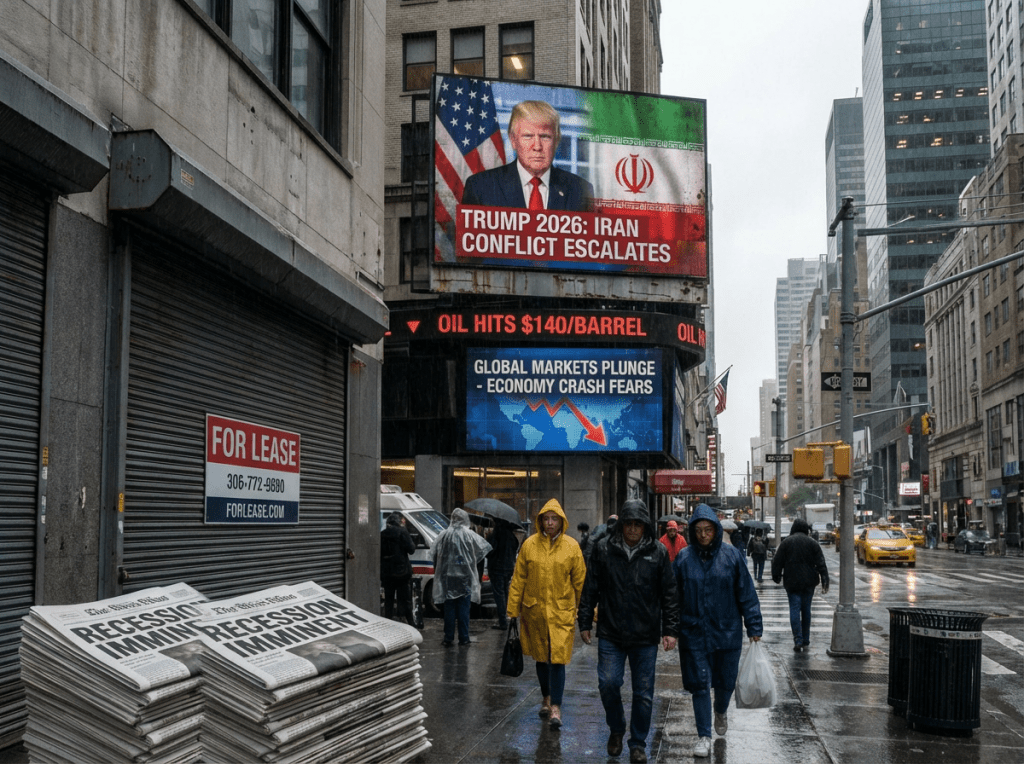
Trump’s 2026 Iran War: How $140 Oil Tanked the American Economy
Blue Press Journal – When President Trump ordered strikes on Iran, administration officials promised a “short, decisive conflict.”What Donald Trump failed to calculate—catastrophically—was the immediate collapse of energy markets and the devastating ripple effect across the American economy.
West Texas Intermediate (WTI) Crude vs. Retail Gasoline Prices – Jan 2026 → Apr 2026 – based on estimates
Month
WTI Crude (USD / bbl)
Retail Gas (USD / gal)
Jan
$86.0
$2.98
Feb
$100.0
$3.48
Mar
$114.0 +
$3.86
Apr projected
$140.0 +
$6.80
The economic impact was immediate and brutal. As Iranian mines and missile threats choked the Strait of Hormuz, global supply chains seized. American consumers can face $6+ per gallon gasoline within weeks, triggering which will cause inflationary pressure that will erase wage gains, stock market prices and crush discretionary spending. The transportation sector will hemorrhaged profits while manufacturing faced energy costs not seen since 2008.
The administration’s war planning contained no credible energy contingency strategy. Despite Pentagon warnings that Hormuz closure would disrupt 20% of global oil shipments, Trump dismissed price concerns as “temporary fluctuations” and failed to coordinate with allies on alternative supply routes. Strategic Petroleum Reserve releases will provide insufficient against sustained disruption.
The result: can be a stagflationary spiral that pushes the economy into recession by Q3 2026, with middle-class families bearing the burden of strategic miscalculation.
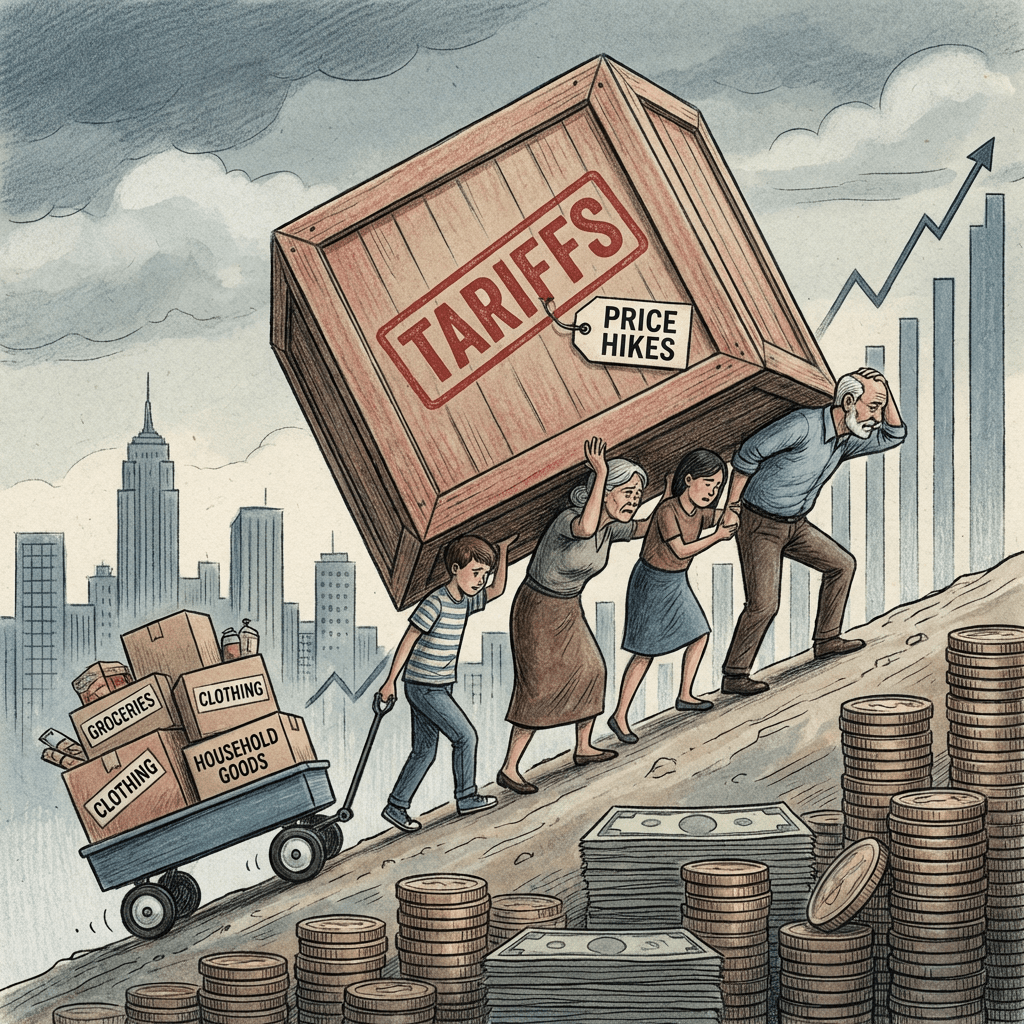
Blue Press Journal (DC) – American households are on track to endure an unprecedented financial hit this year, with combined costs from import duties totaling an estimated $330 billion. This colossal sum, translating to over $2,500 for the average family, underscores the severe economic strain inflicted by President Donald Trump’s aggressive trade policies. A recent report from the Democratic minority on the Joint Economic Committee (JEC) as reported by news outlets like Reuters, paints a stark picture of these escalating expenses, a considerable jump from the $1,700 Americans reportedly paid in 2025.
Despite a Supreme Court ruling last month that invalidated Trump’s use of emergency powers for imposing widespread tariffs, the administration appears undeterred. US Treasury Secretary Scott Bessent has projected “virtually unchanged tariff revenue in 2026,” suggesting a continued reliance on these trade taxes through different legal avenues to circumvent the high court’s decision. This persistent strategy means continued pressure on consumer wallets.
The burden of these customs charges falls disproportionately on everyday Americans. Independent analysis from the nonpartisan Congressional Budget Office (CBO) detailed in reports by organizations like the Associated Press, revealed that foreign entities bear only about 5% of tariff expenses. Domestic companies absorb roughly 30%, but a staggering 65% is ultimately shouldered by consumers through higher prices on goods and services.
A Tale of Two Refunds: Businesses Get Relief, Families Don’t
While American families grapple with surging costs, businesses impacted by what were deemed unlawful duties are poised for substantial relief. The US Court of International Trade (CIT) recently mandated that the Treasury Department and Customs and Border Protection must reimburse approximately 330,000 importers a staggering $166 billion for duties collected under the invalidated tariffs a development covered by outlets such as The Wall Street Journal. Customs officials indicate that a system for processing these refund requests for over 53 million entries could be operational as early as mid-April.
However, a stark disparity remains for ordinary citizens. Senator Maggie Hassan (D-NH), a ranking member of the Joint Economic Committee, sharply criticized this imbalance. She lamented that while businesses are set to receive reimbursements with interest, “the Trump administration refuses to provide relief for families” and is instead “choosing to institute new tariffs that will push prices even higher.”
Senator Heinrich emphasized the measure’s intent: “This is money that belongs to working families—not to CEOs of big corporations.” He criticized the administration’s rhetoric, stating, “The president may call the affordability crisis a ‘hoax,’ but working people feel it every time they pay for essentials. This bill will return the money lost to Trump’s tariffs back to those who paid the price.”
Public sentiment reflects growing dissatisfaction with economic policies. An NBC News poll showed that 55% of voters believe trade taxes have harmed the economy, while only 33% view them as beneficial. With 62% disapproving of the administration’s handling of inflation and living costs, the financial strain on American families is clear. Heinrich’s bill includes a provision to prevent the president from labeling rebate checks with his name, acknowledging previous political optics around stimulus payments.
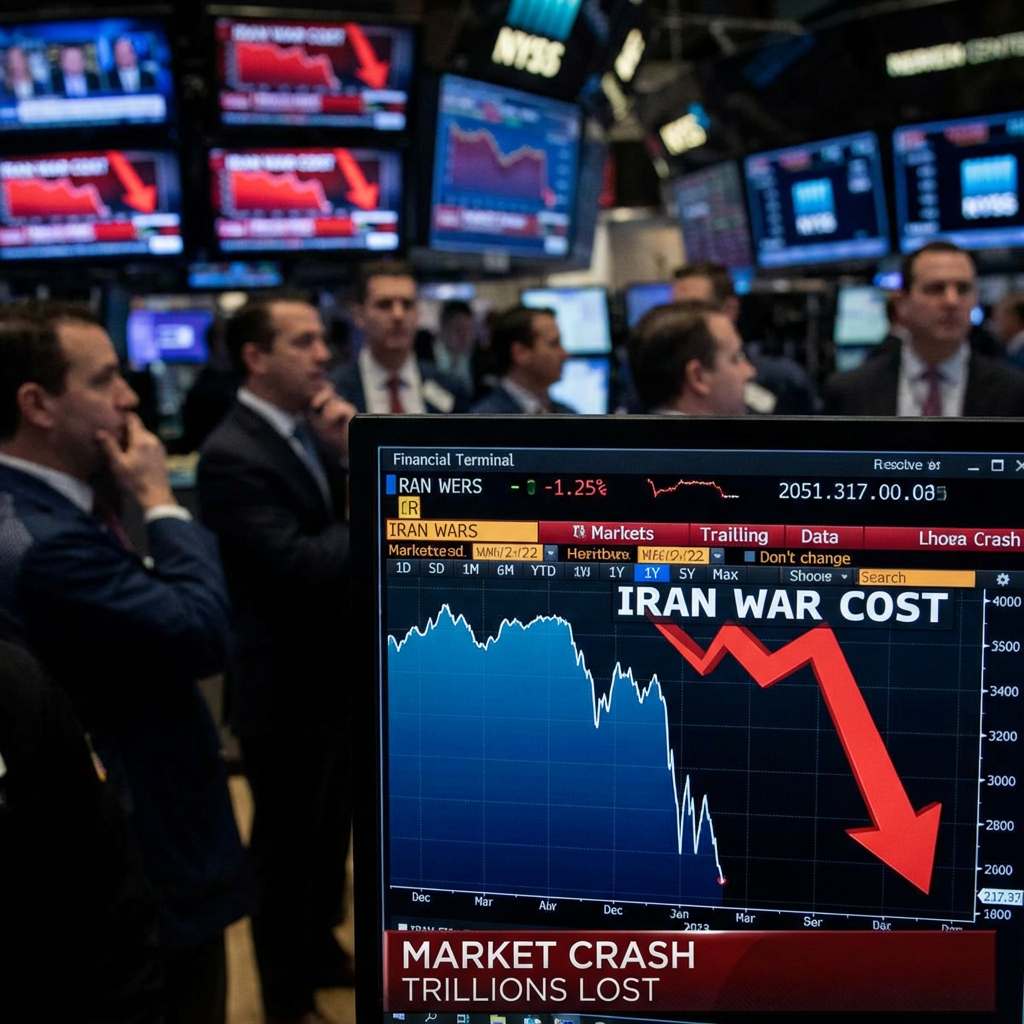
Blue Press Journal – The recent deep decline in the stock market, triggered by Trump’s Iran war, has left investors reeling. Financial advisers are quick to reassure their clients that the losses will be recouped, and the market will bounce back. However, they often fail to mention a crucial aspect of market volatility: the lost time.
When the market is down, the clock keeps ticking, and the time lost is not recoverable. The gains made prior to the decline are not just put on hold; the opportunity to make new gains during that time is also lost. To illustrate this point, let’s consider a hypothetical example.
Month
Market Performance
Cumulative Gains
January
10% gain
$10,000 to $11,000
February
15% loss
$11,000 to $9,350
In this example, an initial investment of $10,000 in January yields a 10% gain, bringing the total to $11,000. However, in February, a 15% loss wipes out the gains, leaving the investor with $9,350. While the financial advisers might say that the market will recover, the reality is that the two months of lost time cannot be regained. The investor missed out on potential gains that could have been made during those two months.
The tone of the article is cautionary, highlighting the often-overlooked consequence of market volatility. By using hypothetical numbers, we can see that the lost time can have a significant impact on an investor’s overall returns. As investors, it’s essential to be aware of this hidden cost and not solely rely on the promise of a market rebound.
Trump’s Iran Escalation Threatens Catastrophic Oil Crisis for American Consumers
Blue Press Journal – As working Americans face mounting costs at the pump, Saudi Aramco’s CEO has issued a stark warning that President Donald Trump’s escalating conflict with Iran could trigger “catastrophic consequences” for global oil markets. Amin Nasser told reporters Tuesday that blocking the Strait of Hormuz—through which roughly 20% of global oil shipments flow—represents “the biggest crisis the region’s oil and gas industry has faced” (Reuters).
The Iranian Revolutionary Guards have vowed to halt “one litre of oil” from passing if U.S. attacks persist, already choking shipments through the vital artery. Despite Brent crude surging to three-year highs near $120 per barrel, Trump has doubled down on aggression, threatening “much harder” strikes while proposing an unrealistic naval escort plan that energy officials dismiss as insufficient (Bloomberg).
With global inventories at five-year lows and Aramco suspending Gulf exports entirely—removing 350 million barrels from the market—Trump’s brinkmanship directly threatens American consumers with sustained price spikes across aviation, agriculture, and transportation sectors. As one Gulf energy official noted to CNBC (2026), only stopping the war—not escalating it—can reopen these critical shipping lanes.
Chart: Brent Crude Price Surge During Iran Crisis
Date
Price (USD)
Event
Pre-Escalation
$70
Baseline pricing
Week 1
$85
Initial Hormuz tensions
Current Peak
$118-120
Iran blocks shipping threats
Source: Market data via Bloomberg/New York Mercantile Exchange

 Blue Press Journal