Blue Press Journal – As the calendar pages dwindle, a palpable sense of urgency – and mounting frustration – is spreading through a segment of the House Republican conference. The looming expiration of enhanced ObamaCare tax credits is creating a stark dilemma for moderate Republicans, many of whom fear that a failure to act could have significant, negative repercussions for the party’s slim majority in the crucial 2026 midterm elections.
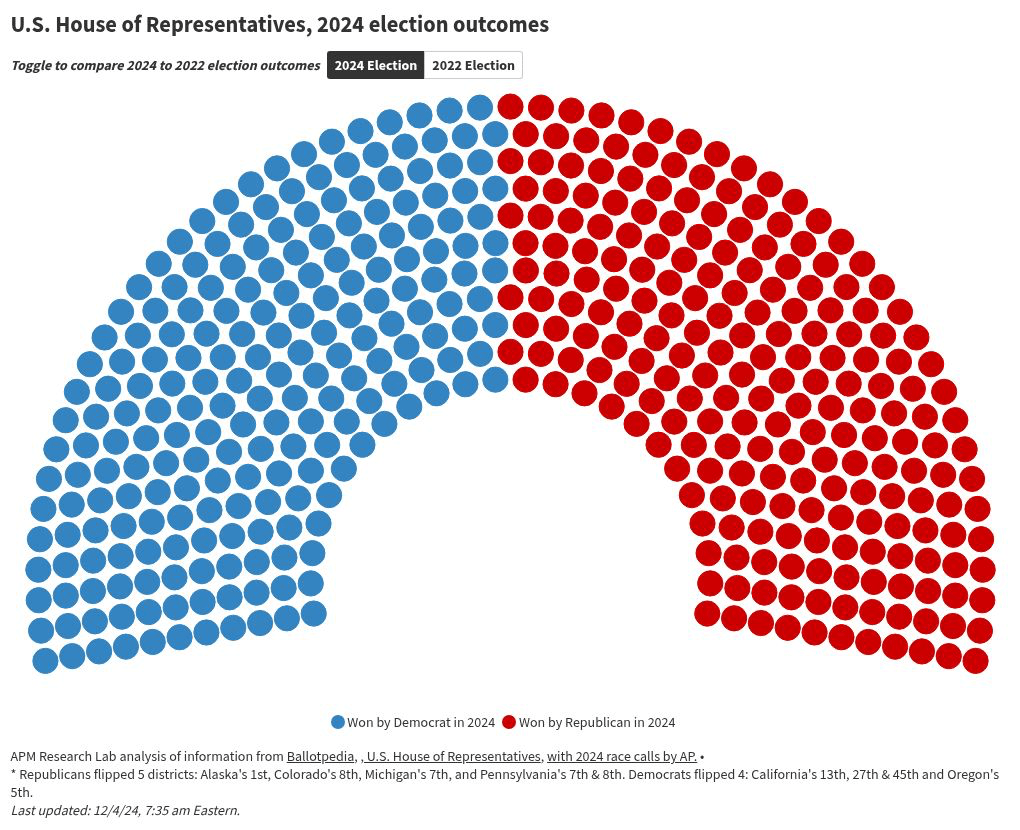
With less than ten legislative days remaining before millions of Americans brace for substantial increases in their health insurance premiums, a vocal group of centrist GOP lawmakers is making a strong case for extending these subsidies. Currently, these credits are a lifeline for over 20 million individuals, making healthcare more affordable. However, their pleas are encountering stiff resistance from Speaker Mike Johnson (R-La.) and a more conservative wing of the party. These members view the subsidies as a fundamental flaw within the Affordable Care Act and are largely opposed to any extension. Republicans currently hold 219 seats while the Democrats have 213.
The path forward is cluttered with competing ideas. Proposals range from one- to two-year extensions, with some attempting to incorporate restrictions like income caps or the elimination of zero-premium plans. Yet, despite these varying approaches, a consensus remains elusive, and none of the proposed plans have secured a commitment for a floor vote.
Leading the charge for a pragmatic solution are Representatives like Don Bacon (R-Neb.), Jeff Hurd (R-Colo.), and Brian Fitzpatrick (R-Pa.), who are advocating for a two-year extension. Simultaneously, a bipartisan framework spearheaded by Representatives Jen Kiggans (R-Va.) and Josh Gottheimer (D-N.J.) has garnered some traction, but has been met with a firm rejection from top Republican leadership.
For these moderate Republicans, the principle of ideological purity is clashing with the realities of effective governance. As Representative Jeff Van Drew (R-N.J.) put it, the current inaction is akin to “buffoonery,” highlighting both the potential political fallout and the very real human cost of allowing healthcare premiums to skyrocket. Others, such as Representative Kevin Kiley (R-Calif.), are emphasizing the broad agreement that exists across different factions to at least pass a temporary fix, thereby averting public anger and protecting vulnerable Republican incumbents.
Even the White House weighed in, proposing a two-year extension that included some conservative-leaning reforms. However, this initiative was quickly withdrawn amidst internal Republican opposition. Speaker Johnson has publicly committed to presenting a leadership-backed plan before the end of the year, but the specifics of this proposal remain shrouded in uncertainty.
As internal Republican party tensions escalate, the clock is relentlessly ticking. The decision made in the coming days – or lack thereof – on extending these vital ObamaCare tax credits will undoubtedly carry significant weight, impacting not only the health and financial well-being of millions of Americans but also the political fortunes of Republican lawmakers fighting for their seats in a challenging electoral landscape.
 Blue Press Journal
Leave a comment