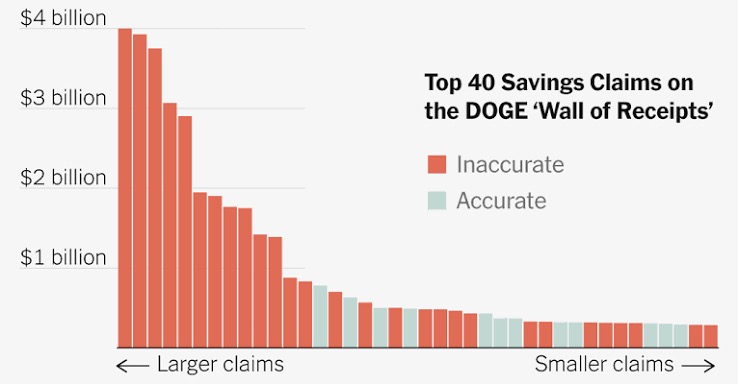
According to a report released on Thursday, the Department of Government Efficiency, better known as DOGE, led by Elon Musk himself, was making up figures about the amount of money it was saving the country. The report was requested by Democratic senators Gary Peters of Michigan and Richard Blumenthal of Connecticut and was conducted by the Government Accountability Office.
DOGE was found to have used “misleading practices” when it came to canceled leases and active government contracts. Additionally, the audit found that the department provided insufficient evidence for the methods used in 96 percent of the canceled grants.
The Department of Government Efficiency was also found to have failed to follow their own formulas when it came to calculating figures for canceled leases and contracts, and in the cases where they did follow their formulas, they either missed out on the details or did not disclose them when they should have. When they did follow their own procedures, the Government Accountability Office found that they overlooked the complexities of government contracts, including liabilities and penalties that come with breaking a contract before the due date.
“The report shows that the Trump administration’s cost-saving mission was conducted in a misleading fashion, achieving little apart from putting at risk taxpayer data and key programs,” said Senator Peters.
“President Trump and his allies in the Senate and House have been using DOGE as a fig leaf to hide tax-cut giveaways to the wealthy and large corporations while pretending to save the deficit,” said Senator Blumenthal.
Many people have responded to the report, including Jessica Tillipman, associate dean of the GWU School of Law, who specializes in government procurement. Tillipman cited several errors she found on the social media accounts of DOGE, one of which being a claim that the department had saved $28 million reduction in expenditures for an Air Force agreement, whereas the actual financial relief amounted to roughly $600,000 from a canceled lease. “That figure doesn’t account for the present value of future lease payments, which would reduce the supposed $3.7 million savings,” Tillipman said.
“DOGE’s fiscal wins were mostly fictional,” write Reason editor-in-chief Eric Boehm, who covered the story for the libertarian magazine. “According to a new report from the Government Accountability Office, the Trump administration’s claims about savings from slashing federal spending were often based on faulty math.”
“DOGE may soon start spending more taxpayer money, but at least the government watchdogs are forcing Musk’s agency to be more open about how it spends our money when it comes to cutting back federal services,” concluded Senator Blumenthal.
How Trump’s “Bold” Moves Turned a Working Iran Deal Into a Self-Inflicted Crisis
by Winston Wendell
Wars don’t always begin with explosions. Sometimes you lose before a single shot—when your rivals grow stronger, your network of allies weakens, and your own choices hurt more than help. That’s what happened after Trump tore up the Iran nuclear deal, the JCPOA, and started his so-called “maximum pressure” campaign. Looking back now, it’s clear: all that posturing did more harm than good.
Let’s break down how we got here—how the tough talk just made things messier, gas prices spiked, markets stumbled, and even America’s best friends started doubting us.
Grandstanding Isn’t the Same as Getting Results
Trump loved making a scene. He’d throw out fiery tweets, trash the Iran deal at every rally, and promise something “better.” He called the JCPOA weak, claiming it caved to Tehran and left America empty-handed.
But reality didn’t match the rhetoric. The facts were plain: the JCPOA was working. Iran cut its enriched uranium stockpile by 98%, dismantled thousands of centrifuges, and opened up its nuclear sites to unprecedented inspections from the IAEA. The deal put hard limits in place.
Still, the Trump administration never came up with a better alternative. All “maximum pressure” really meant was punishing sanctions, hoping Iran would fold and come crawling back. Of course, that didn’t happen. Instead, Iran held its ground, which is pretty much what history teaches us about relying on pressure without a backup plan.
Walking Away From Progress
The Decision
In May 2018, Trump yanked America out of the JCPOA and hit Iran with sanctions again. I remember thinking: why break something that’s actually working? The real answer wasn’t about better policy. It was politics.
Immediate Fallout
Iran didn’t just shrug and take it. They cranked up uranium enrichment, ignoring the deal’s strict limits. Suddenly, the path to building a bomb got a lot shorter.
Diplomatic ties started unraveling. The negotiating group shrank, with the U.S. out and Europe struggling to shield Iran from American sanctions. Everyone’s bargaining power sagged without U.S. support.
America’s allies noticed. When one country tears up a major deal, trust dries up fast. It’s not easy earning that back.
Leaving the JCPOA handed Iran a whole new set of advantages: the freedom to enrich more uranium, the chance to play the victim, and a divided bunch of opponents.
The Economic Domino Effect: Oil, Markets, Wallets
Oil Prices Spike
Sanctions knocked 2–3 million barrels of Iranian oil a day off the world market. Saudi Arabia and Russia tried to cover the slack, but oil prices still jumped from $70 a barrel to nearly $85 in a few months.
We felt it, our weekly gas bill jumped about 15%. Drivers everywhere noticed, along with businesses shipping goods or running trucks.
Markets Wobble
Investors hate not knowing what’s next. Trump’s moves spread uncertainty all over:
Stock markets bounced around, especially for energy companies and businesses with a Middle East footprint. Countries like India, China, and South Korea scrambled to find new oil suppliers. Their budgets felt the hit and so did the cost of goods at home.
These numbers weren’t just for headlines. Groceries cost more, energy bills crept up, and even retirement savings got dinged if they were tied to the markets. Decisions in Washington rippled straight to regular people.
Leaving Allies Out to Dry
Europe on the Spot
Europe tried to save the JCPOA with a workaround, INSTEX, but without U.S. backing, European companies ran for cover. I remember German and French leaders sounding pretty frustrated, caught between supporting the deal and avoiding U.S. penalties.
Asia’s Dilemma
Japan and South Korea got a few short-term waivers to keep buying Iranian oil. But every few months, diplomats scrambled to figure out what Washington would do next. It was exhausting for everyone involved.
Trust Gets Shaky
When the rules keep changing, allies grow suspicious. NATO wasn’t thrilled. Neither were old partners, watching America toss aside another agreement. Doubt crept into military exercises, intelligence sharing, and every future negotiation. And that kind of mistrust is hard to reverse.
Why “Maximum Pressure” Missed the Mark
The biggest mistake? Betting it all on sanctions without leaving room for real negotiation. Iran’s leaders just doubled down, ramped up their nuclear work, and kept stirring up trouble in the region. More pressure just meant less cooperation, not more.
So what did the U.S. get? A dead inspection program, an Iran with more nuclear options, shaky world markets, and cooler alliances all around. Everyday Americans ended up paying for it.
Honestly, a smarter move would’ve been to stick with JCPOA inspections and use them as leverage to fix the deal’s flaws on missiles, on regional actions. Not trashing the whole thing.
Lessons for Next Time
Here’s what I take away:
If something’s working, don’t destroy it, improve it. Check if it’s actually hitting its goals, then build on that. Sanctions only work if there’s an exit. Just squeezing harder makes the other side push back.
Stay tight with partners. America’s strongest when its friends trust and cooperate. Go it alone, and you end up isolated and less effective.
When Showmanship Wins, Everyone Pays
I watched the fallout from one attention-grabbing decision echo all the way from the UN to my local pump. Trump’s bold moves made for good TV but wrecked progress and ordinary people picked up the bill.
The Iran deal wasn’t perfect, but it did the job. Scrapping it gave Iran new momentum, touched off economic pain, strained alliances, and made life harder for regular folks.
If we want to avoid repeating this, we need to stick with what works, trust the facts, and focus on steady, smart partnerships. Real strength isn’t just about big talk. It’s about reliable leadership that others (and the world) can count on.
If this breakdown made sense to you, pass it on or subscribe for more straight-shooting analysis on politics, economics, and global security.
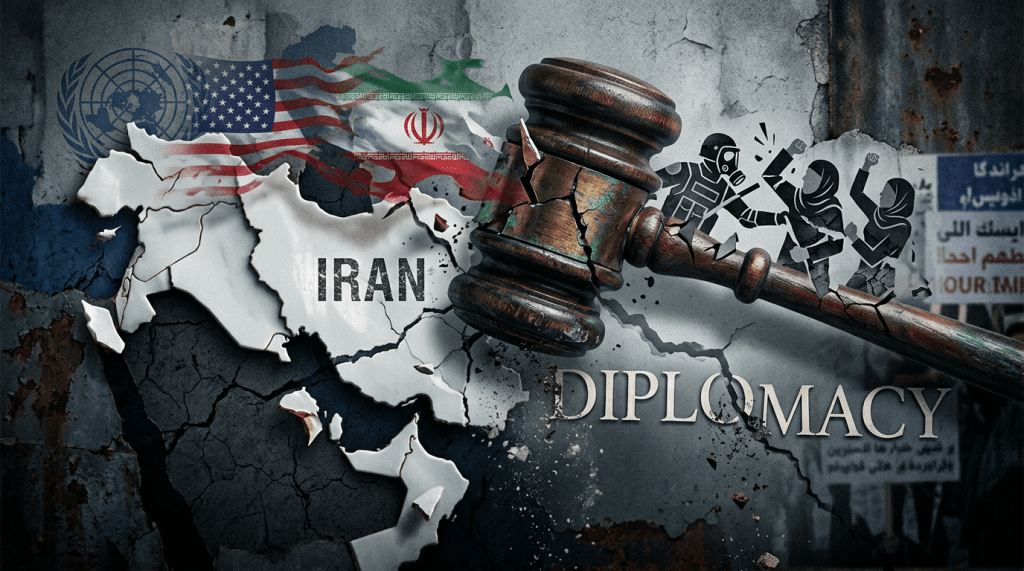
President Barack Obama defended the Joint Comprehensive Plan of Action (JCPOA) with a blunt warning: “The choice we face is ultimately between diplomacy or some form of war.”
Now, years later, I watch that warning turn painfully real. When Donald Trump pulled the United States out of a nuclear deal that had kept Tehran’s nuclear ambitions in check, his administration threw the country into a disaster of its own making.
On the military front, this war’s a failure from every angle. Targeted strikes came and went, and the Iranian government endures, now with even tougher hardliners from the Islamic Revolutionary Guard Corps in charge. Iran still holds most of its missile stock, its mobile launchers, its underground bunkers. Drone and missile factories keep running. Worst of all, Tehran’s grip on the Strait of Hormuz—is even tighter. Those photos of commercial ships stuck near Larak Island say it all. Washington’s shortsighted choices gave our adversaries control of some of the world’s most important economic lifelines.
The cost? It’s staggering, both in dollars and lives. We burned through about $25 billion at the start, and the spending hasn’t stopped. At home, Americans feel it everywhere, gas prices, groceries, you name it. But it’s the human cost that hurts most. U.S. service members have died, and hundreds cope with wounds they’ll never shake, all for a conflict with no clear end, no real transparency, and not a word of congressional approval. Like millions of others, I feel deep frustration. This is a war with no purpose, no strategy, and no exit.
Trump’s aggressive reversal left America boxed in with terrible options. If Washington caves to Tehran—giving up huge sums of money or control over the Strait of Hormuz—we abandon the basic principle of free maritime navigation. Global commerce depends on that. An emboldened Iranian regime, flush with cash, will just buy new air defenses, load up on missiles, and use the Strait for leverage as long as it wants.
No one wins here. There’s only the bitter fallout of a war we never needed, a conflict that put America’s security at risk, bled our economy, and left the world less stable than ever.
The Disconnect: Leadership Challenges Amidst Escalating Conflict and Economic Strain by Winston Wendell
The Middle East is inching toward a crisis. Two U.S. service members lost their lives this week, and the Pentagon confirmed it. All out war with Iran doesn’t just seem possible, it feels closer than it has in months. Meanwhile, inflation keeps gnawing away at paychecks, and gas prices are spiking again thanks to more trouble in the Persian Gulf. At home, folks are feeling squeezed, but the White House gives off this strange sense of being elsewhere, almost detached.
Life on Main Street looks pretty rough right now. The latest numbers from the Bureau of Labor Statistics show that prices won’t budge. Every week, it’s the same story: another trip to the grocery store, more sticker shock, and it’s getting tougher and tougher for families just to make it to Friday. People want the president in the thick of things during times like these, steady, present, and reassuring.
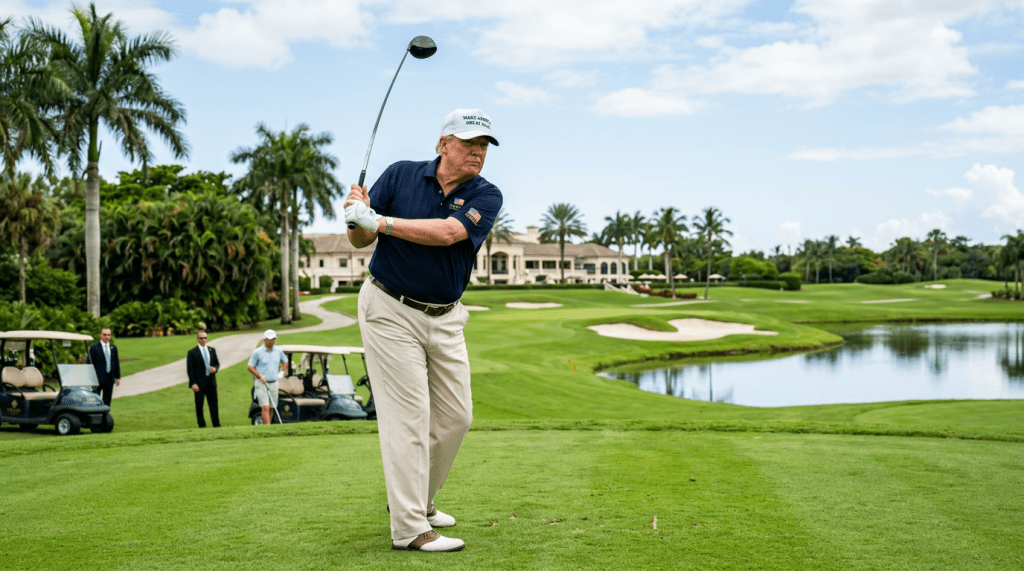
That’s not what they’re getting. Instead, public schedules and social media updates show President Donald Trump heading for the golf course instead of the Situation Room. Over the weekend, while everyone waited for updates from the Middle East, he was out golfing at his club in New Jersey.
And this didn’t come out of nowhere, people have noticed a pattern. Analysts and writers, including The Atlantic, keep pointing out: when tension flares abroad, the president’s often seen prioritizing downtime over direct action. Well he is 80 years old. For plenty of Americans, especially anyone worried about national security, this feels out of step with the country’s needs.
Then there’s his upcoming itinerary. It’s right there in the official plan, while families grieve and the economy faces more pressure, President Trump’s next high-profile event is the FIFA World Cup Final at MetLife Stadium, right alongside the First Lady.
So, here’s the tension. The country’s teetering at the edge of war. Prices keep rising. And the president is taking in a soccer match. News sites like Reuters aren’t letting it slide, they’re highlighting how serious things with Iran have become. And regular people are starting to ask, “Is this really the time for leisure?”
That’s the crux of the matter: Americans are demanding their leader to step up, particularly in these tumultuous times. With war looming and expenses skyrocketing, the chasm between public expectations and presidential reality is widening. It’s a question everyone is left grappling with where is President Donald Trump when we need him most?
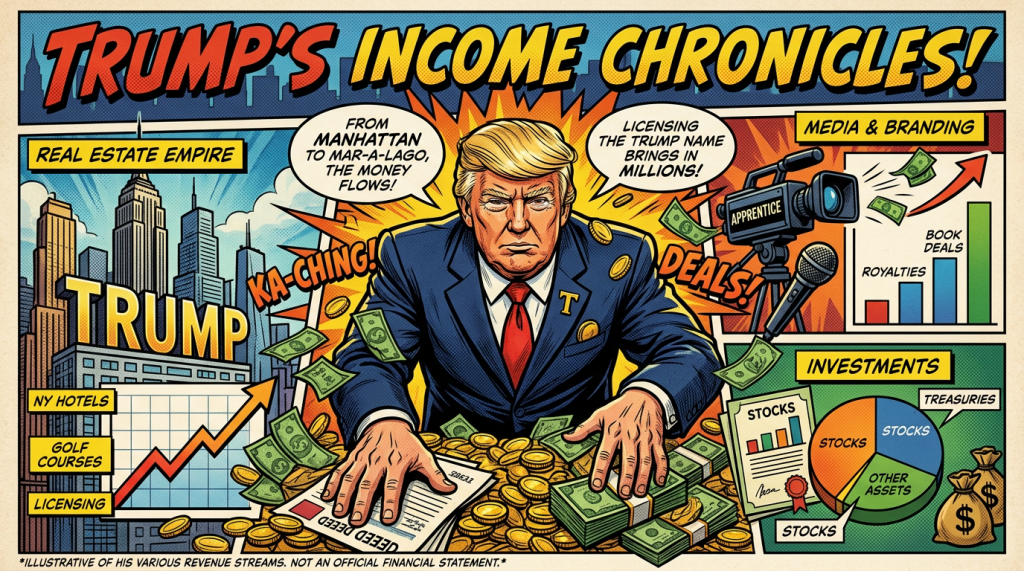
As I sifted through the 927 pages of President Donald Trump’s 2025 financial disclosure, I was struck by a central narrative the President continues to push: that his staggering two-billion-dollar fortune increase is merely a byproduct of a rising broader market. During a July 1 press conference, Trump dismissed concerns about presidential profiteering with a wave of his hand, pivoting to the universal language of the 401(k). “We’re all gaining,” he insisted.
However, as I examined the granular data buried within the document, the math simply does not align with the narrative of passive market growth. While Trump credits the bull market for his windfall, his own filing paints a different picture—one where speculative digital assets and aggressive revenue streams play a far more significant role than his equity portfolio.
The most glaring departure from the “market rally” explanation is the $1.4 billion generated by his cryptocurrency ventures. Projects like World Liberty Financial and the TRUMP meme token have proven to be gold mines for the President, even as they have proven disastrous for his followers. Blockchain-analytics firm Nansen reports that nearly a million everyday investors lost over $3.8 billion collectively in those meme tokens by mid-year. It is a sobering realization: while the President’s balance sheet surged, the capital of his supporters was effectively hollowed out.
Beyond the digital frontier, the filing details $400 million in non-equity income. This includes approximately $196 million from his real estate empire, $88.5 million in legal settlements from media and tech entities, and $65 million from overseas licensing deals spanning from the Middle East to Southeast Asia. When I weigh these figures against the total growth, it becomes clear that the stock market is, at best, a secondary player in this financial explosion.
Critics like Kedric Payne of the Campaign Legal Center argue that the “lion’s share” of this wealth growth is independent of the market. Even when looking at the most charitable estimates, non-stock gains account for between 67% and 81% of his increase.
The White House maintains that this is simply the result of a “wildly successful business career,” yet the sheer velocity of these earnings—particularly from speculative crypto assets—raises inevitable questions about the intersection of governance and private gain. When a sitting president derives the majority of his annual wealth increase from sources far removed from traditional index funds, it is no longer just a case of “everyone benefiting.” It is a financial ecosystem unto itself, one that thrives on volatility and branding in ways that leave the average 401(k) holder behind.
“Trump’s” Iran nuclear deal was supposed to stop Iran from chasing nuclear weapons. Honestly, that promise looks flimsier every time I dig into the details. Just look at a recent piece from a major Iranian publication connected to the military. They straight up said Iran will go for nuclear arms, no matter what the deal says. That’s jarring. It makes you wonder if Iran ever took this agreement seriously. It also leaves me asking what the U.S. actually hopes to gain by insisting on upholding rules that Tehran seems ready to ignore.
The Strait of Hormuz: Troubling Signs
Now, if you shift your attention to the Strait of Hormuz, things get even more tense. The U.S. signed a Memorandum of Understanding with Iran, basically promising safe passage for commercial ships crossing the waterway—no fees for 60 days out of the Persian Gulf. Just 60 days? What about going forward? On paper, it’s neat. But you have to ask yourself: what’s Iran’s real game? Whoever controls the Strait controls a key route for global oil. That’s real power, and I don’t buy that Tehran plans to just hand that over in 60 days.
Trump’s Real Reasons for the So Called Deal
From the jump, Trump’s angle on Iran and its nuclear program has sparked debate. He said he wanted to lower oil prices and give Americans a break at the pump—by strong-arming Iran, apparently. But spend even a few minutes listening to him and the logic gets twisted pretty quickly. Trump’s version of the truth barely reflects the actual deal, or how much leverage the U.S. really has. Before his war, the Strait of Hormuz was open to international trade without any fees.
Trump’s Bluster Versus Reality
Take a closer look at what Trump’s been saying lately and the disconnect is impossible to miss. Just this Monday he claimed, “We have total control of the Strait of Hormuz.” Meanwhile, drone strikes and missiles keep targeting U.S. allies and troops near the strait. The facts on the ground clash completely with his bravado. Instead of showing strength, his words just reveal a growing gap between what the administration claims and what’s actually happening.
More Wishful Thinking
But he doesn’t stop there. Trump keeps insisting the U.S. got big concessions and forced Iran to comply. The truth says otherwise. Iran hasn’t backed down—if anything, it’s doubled down. And the U.S. has ended up giving Iran even more leverage and 300 billion.
Looking at all this, two things really crippled the Iran nuclear deal: Iran openly dismissing its own promises and Trump misreading the whole situation. The Strait of Hormuz is still a powder keg, with Iran’s influence making everything feel increasingly fragile. The path forward for the U.S. isn’t obvious. Should it keep pushing for enforcement? Accept that the deal came up short? Either way, American’s need to face the facts instead of hiding behind empty talk. The risks in this situation are just too high for anything else.
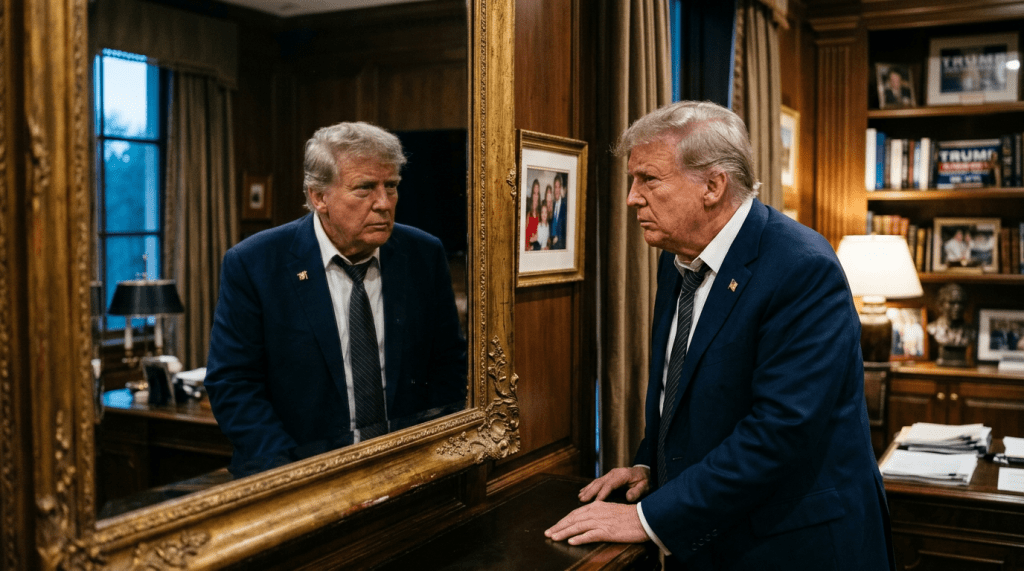
France feels different this week, quiet, maybe a bit somber. A decade of upended traditions is ending not with a bang, but a sigh. Take Donald Trump: he’s at his sixth G7, but the old swagger is gone. Back in 2017, you couldn’t miss him: loud, insistent, pulling everyone’s attention his way. Now? He looks worn down. Age hangs on him, the kind you can’t hide, no matter how much makeup you skip. At 80, the relentless drive isn’t there anymore. He seems smaller, almost faded, and it’s obvious the world isn’t watching him like it used to.
His “big moment” in France—a supposed landmark deal with Iran—barely turned heads. Sure, there’s talk of a $300 billion economic boost for Tehran, lifting oil sanctions, and calling for a ceasefire. On paper, that sounds ambitious, a shot at lasting peace. But in reality, it just seems like an exhausted attempt to end a mess that’s sapped America’s cash and reputation. Benjamin Netanyahu already brushed it off. This isn’t bold diplomacy; it’s almost a repeat of Trump’s old routine, only without the drama.
The contrast with Trump’s early G7 days is jarring. 2018, 2019—he showed up chomping at the bit. He demanded Russia’s return to the fold, gave NATO leaders lectures about money, even tried to turn the meetings into commercials for his hotels. That relentless energy, gone now. There’s a distant air about him. Ukraine barely comes up, and when it does, he sounds tired, going through the motions. The other G7 leaders feel the shift. They don’t count on the US for guidance the way they used to. They’re making their own plans for Kyiv, building their own safety nets.
Everyone sees this drop in US influence. Pete Hegseth’s offhand remarks about the D-Day legacy still sting on this side of the Atlantic, and Europe’s leaders seem more focused than ever on going their own way. Waiting for Washington? Not anymore, they’re tired of the mood swings.
Even the summit trappings fell flat. The German Chancellor handed Trump a soccer jersey. He barely cracked a smile, just mumbled thanks. At Versailles, standing in the hall of mirrors, gold everywhere, he looked a little more comfortable. Maybe it was all that gleaming reminder of power. For a second, you could almost believe he belonged.
When it’s time to head home, Trump isn’t the “great negotiator” he set out to be. There’s no big legacy, no Nobel Prize, none of the things he once seemed sure he’d win. What’s left is an uncertain scene, with his spot in world affairs slipping away. Maybe, back in Washington, he’ll dream up another grand project—a hall of mirrors just for him. That’d fit. In these final days, it’s like he can’t look anywhere but at his own reflection. His aging reflection.
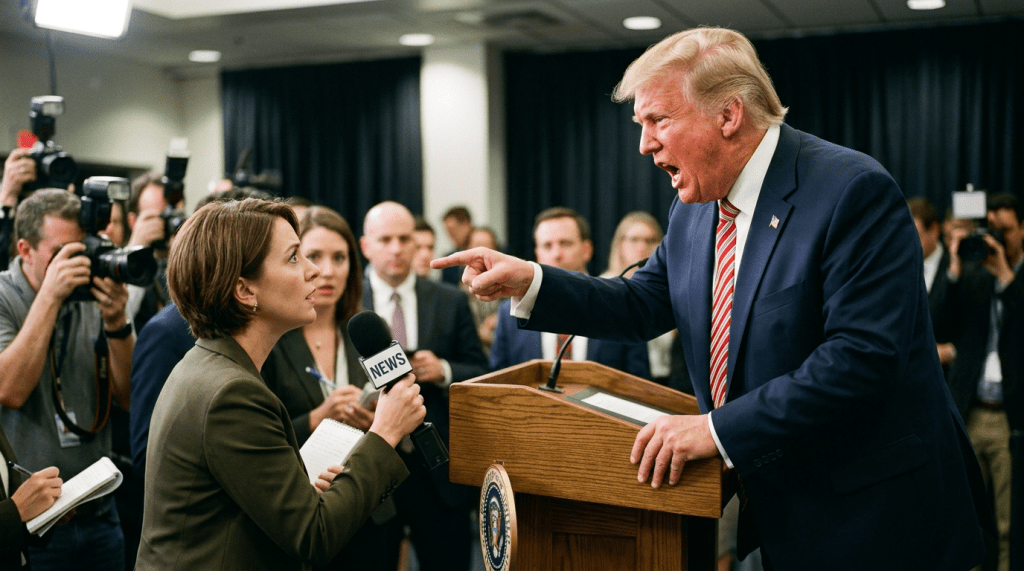
President Donald Trump suddenly walked out of an interview with NBC News’ Meet the Press host Kristen Welker on Sunday, upset by her fact-based questions and accusing the press of being “dishonest.” The whole thing played out on a rainy afternoon at a farm in Wisconsin, where Trump didn’t hold back—he kept pushing back on Welker’s questions about a range of topics.
Welker stood her ground and challenged Trump’s false claims, like his suggestion that FBI agents somehow helped Capitol rioters. Even with investigations still in the works, Trump denied any responsibility for possible payouts to January 6 rioters.
Then the conversation shifted to California’s primary election process. Trump started insisting—again without evidence—that there was “cheating” in the election. Welker asked him to show real proof. All Trump said was, “It’s — all I have to do is look. All I have to do is look,” making it clear he had nothing solid to offer.
Things got even tenser when Trump started hurling insults, calling the media “crooked” and telling Welker she was “either crooked or stupid.” Before storming off, he tossed out a final jab, saying a great country shouldn’t have a dishonest press, then yanked off his mic and left.
Welker tried to keep the conversation going, mentioning the long travel and the rough weather they’d both dealt with for the interview. Trump didn’t budge—he just left.
All in all, this explosive clash underscores the relentless divide between Trump and the media, with Meet the Press unwavering in its commitment to fact-checked reporting.
He behaves like a petulant child when things don’t go his way, resorting to lies in a desperate bid for control.
I watched the Thomas Massie primary unfold with a growing sense of dread. Here was a sitting congressman, one who’d actually voted against Trump on occasion, finding himself on the receiving end of something entirely new in American politics. A pro-Trump super PAC dropped an AI-generated video depicting Massie in a fake, scandalous romance with members of the progressive “Squad.” Massie called it out for what it was, a sleazy, desperate lie. It didn’t matter. He lost anyway. Welcome to the future of American democracy, where fabricated, synthetic disinformation can take down a sitting congressman and barely raise an eyebrow.
The Weaponization of Synthetic Reality
Living through the Trump era means living in a constant state of reality vertigo. You see AI-generated images of Trump playing savior, then viciously doctored shots of his opponents and frankly, the ridiculousness never lets up. Psychiatrist Robert Jay Lifton has a name for this: “malignant normality,” where people become numb to ceaseless distortion because there’s simply too much of it to process. I feel this numbness creep in sometimes, and I think many Americans do too.
Philosophers have started calling these synthetic attacks “slopaganda,” and the term fits perfectly. Slopaganda doesn’t need to be true. It doesn’t even need to be convincing. It just needs to get under your skin and stir up emotions like paranoia or tribal rage. The goal isn’t persuasion, it’s chaos. When nothing can be proven, these games don’t just spread misinformation; they systematically undermine society’s trust in anything at all.
Democratized Destruction
The Republican Party has become remarkably efficient at deploying these tools. The RNC pumps out AI-generated scare ads depicting American collapse under Democratic leadership. Trump himself shares bogus clips showing journalists in fictional scenarios. The bar for political discourse has dropped so far it’s practically subterranean.
What terrifies me most is the accessibility of this technology. Researchers at places like Brookings have been warning us: these tools let anyone do what used to require professional troll farms and significant resources. Deepfakes are cheap, fast, and everywhere now. Spreading dangerous fake information barely costs a thing, while the resources needed to combat it, fact-checking, verification, education struggle to keep pace.
State attempts to regulate this, like California’s new laws, run into the familiar obstacles: free speech debates, technology racing far ahead of lawmakers, and plain political inertia. I keep waiting for a comprehensive response, but Washington moves while AI moves faster.
The Death of Shared Truth
This digital arms race isn’t just messy, it’s potentially devastating. When people can’t agree on basic facts, participation in civic life collapses. We slide toward “hypernormalization,” a term borrowed from Soviet-era analysis: official stories and reality drift so far apart that nobody believes anything anymore.
I see this happening in real-time. Voters get lost in the fog, so they cling to strongmen and simple answers for complicated problems. As AI continues pouring into our political system, the collapse of our shared truth feels less like slow decay and more like an active demolition. The real question isn’t whether individual citizens can tell what’s real, it’s whether democracy can survive at all once the distinction between real and fake dissolves entirely.
At what point do we stop being citizens and start being passengers in a simulation we didn’t choose? I’m not sure we’re far from that line.
President Donald Trump yesterday brushed off questions about Americans struggling financially, telling reporters their problems aren’t even on his mind as he pushes his clash with Iran further. It’s a pretty shocking show of just how out of touch he seems with what regular people are feeling and honestly, it sums up the broader sense of indifference that’s defined his second term.
The facts don’t exactly flatter him. A new CNN poll says 70 percent of Americans disapprove of how Trump is handling the economy, a low point he never hit during his first term. It’s not just about party lines either. Seventy-seven percent of those polled, including most Republicans, say his policies have directly driven up living costs where they live. That’s an incredible level of agreement across political divides, and it speaks to just how frustrated people are.
While American families get squeezed by inflation, (3.8 %) at its highest point in three years and gas sitting above $4.50 a gallon, Trump hasn’t brought much to the table. His big idea? A federal gas tax holiday. Sure, it sounds like he’s trying to help frustrated drivers, but when you look closer, it’s either a sign he doesn’t get how government works or he’s just making promises he can’t keep as usual. The president doesn’t actually have the authority to suspend the 18-cent-a-gallon federal gas tax on his own, it takes a sign-off from Congress, and that hasn’t happened.
But even if it were possible, the idea doesn’t hold up. The savings are so small they’d barely make a dent at the pump, and skipping the tax for a few months would blow a huge hole, about $17 billion, according to the Bipartisan Policy Center in the fund that pays for roads and bridges. Any pocket change drivers might keep would get eaten up by worse road conditions. Think busted suspensions, worn-out tires, and less-safe highways and bridges. And by the way all those lost construction jobs keeping our road system safer would also be a cost of his proposal.
It’s not just at home where Trump’s vision seems lacking. He tore up the Iran nuclear deal back in 2017, throwing away safeguards that experts said were actually working. Now, he’s chosen war, gas prices have shot up, and he’s openly admitted he doesn’t feel any urgency to negotiate. Even the Wall Street Journal’s editorial board noticed that Iran looks pretty sure it “can outlast a president who no longer wants the fight”, a damning thing for a sitting president’s reputation on the world stage.
At the end of the day, Americans need a president who puts their economic security first, not someone whose focus drifts to overseas conflicts while costs back home keep climbing. Trump’s casual attitude toward working families struggling to get by isn’t just a policy disagreement, it’s a failure of leadership that goes beyond politics. For all those who voted for him, is this what you wanted?