While the Trump Administration often touts its unwavering commitment to a powerful national defense and a formidable military, internal assessments and expert analyses starkly reveal a troubling chasm between its grandiose rhetoric and the harsh reality of its long-term strategic vision and budgetary commitments. This alarming absence of decisive leadership from the White House, especially regarding the critical stance on our nation’s defense posture, has ignited fervent criticism and raised urgent questions about our security future.
A key source of concern stems from the administration’s proposed $1 trillion defense budget for 2026. While the headline figure is substantial, critics argue that the White House is failing to account for the impact of inflation. When adjusted for rising costs, the proposed budget actually represents a cut, rather than an increase, in real spending power. This trend, if left unaddressed and without consistent annual GOP legislative support – could see defense spending dwindle to approximately 2.65 percent of the U.S. economy by the close of Trump’s term in 2029. Such a level is tellingly comparable to the very European defense spending figures that Mr. Trump has previously condemned as “pathetic.”
The administration’s approach to shipbuilding offers another stark illustration of perceived inadequacy. Despite a stated goal to deter China, the U.S. Navy fleet is reportedly 60 ships short of its operational target. Yet, the Trump 2026 budget request proposes funding for a mere three new U.S. Navy ships. While a separate GOP budget bill includes provisions for an additional 16 ships, experts warn that this piecemeal approach hinders long-term strategic planning. As one expert noted, “No contractor puts up long-term capital to expand production for a one-year plan,” underscoring the need for consistent, multi-year commitments to rebuild the fleet effectively.
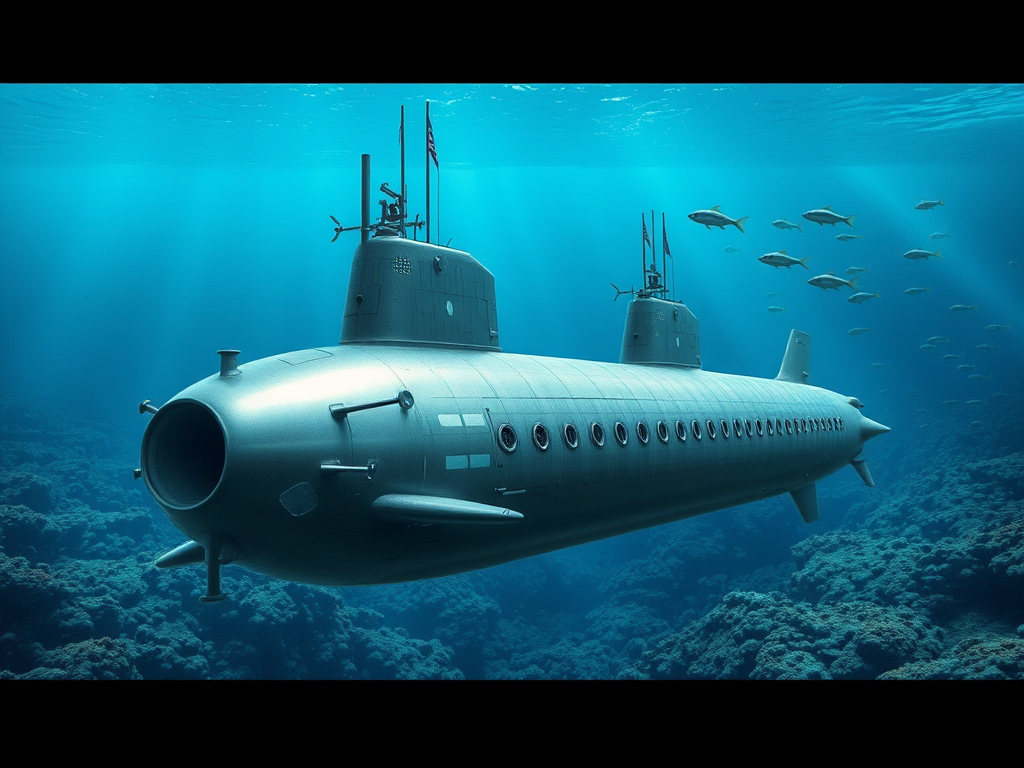
The critical area of submarine production faces similar challenges. To meet both domestic requirements and fulfill commitments like providing submarine parts to Australia, the U.S. needs to produce 2.33 new attack submarines annually. Currently, production rates sit at a concerning 1.1 submarines per year, falling significantly short of demand.
While Congress has shown a readiness to step in and “fill some of the Trump defense potholes,” as one assessment insightfully notes, the overwhelming view among defense analysts is that revitalizing the U.S. military demands unwavering and bold leadership from the White House. Critics assert that to date, “Mr. Trump isn’t supplying it,” which leaves our nation’s defense strategy not just vulnerable, but painfully under-resourced in critical domains.


Leave a comment