How Trump’s Illegal Trade Duties Transformed Into a Multibillion-Dollar Corporate Windfall
by Winston Wendell
When President Donald Trump returned to office in January 2025, he promised a new set of tariffs would fix the damage caused by his own 2017 tax cuts. He said regular folks wouldn’t notice the extra charges on imported goods, American manufacturers would see a boom, and those millions in profits that used to flow to the national elite would finally go away.
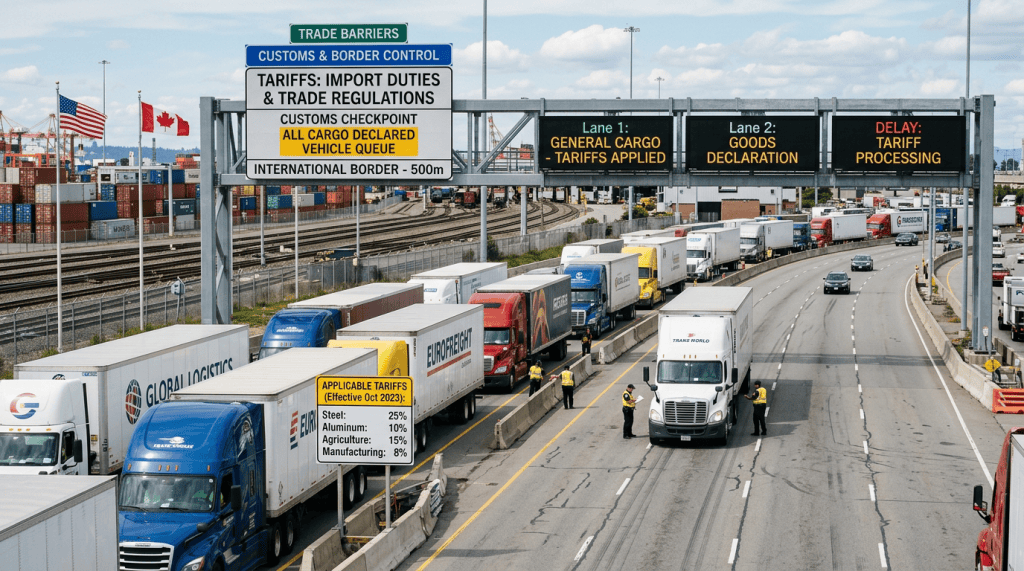
That’s not what happened. Instead, import duties turned into a backwards tax on the middle class, who got hit with higher prices as businesses passed the costs right along. And now, after a historic Supreme Court decision called these Trump’s tariffs illegal, billions in refunds are landing right in shareholders’ pockets.
Tariff Refunds Go Right to Shareholders
This giant shift of cash from regular middle class Americans to the wealthiest is all thanks to a Supreme Court ruling in February. The Court said Trump’s use of the International Emergency Economic Powers Act for tariffs was illegal.
So the government had to pay back the businesses that shelled out $166 billion in tariffs, half that money, the Court decided, should go straight to the firms who paid it.
But are the companies who squeezed extra billions out of Americans actually planning to refund the people they overcharged?
Big corporations say they won’t. Even after these firms got their government refund (plus interest), they’re just using the money to make shareholders richer and further pump up profits.
Here’s how some companies are spending their “surprise” rebate:
Nike: In summer 2025, Nike executives said they’d cover a $1 billion tariff cost by getting creative, including strategic $5 to $10 price hikes to consumers on US goods. Fast forward, and after scoring nearly $1 billion back, Nike execs called the cash an “unplanned benefit” to bump up their profits. Meanwhile, there’s now a class-action lawsuit accusing Nike of “double-dipping”: raising prices to cover tariffs, then pocketing the refund.
Dollar Tree: The loss cost discount retailer landed $383 million in tariff refunds, but only set aside $22 million for price cuts as part of a “tariff reinvestment initiative.” The rest? It doesn’t even compare. Dollar Tree also announced a $605 million share buyback, a move to pad shareholders’ wallets, at 27 times the size of their consumer refund gesture.
Steve Madden: The shoe company bragged about just raising prices and letting customers pay for the tariffs. Now, they’re sitting on a $92 million rebate and say they’ll use it to pay off company debt.
Levi Strauss: After hiking prices to offset tariff costs, Levi’s got $80 million back. Execs said they’re not sure what to do with the cash. And like Nike, Levi Strauss faces a class-action lawsuit for not paying customers back.
Walmart, Target, and Lowe’s: These giants all made vague promises about using the rebate to lower prices or to help “fund price leadership” in their industries. Concrete numbers? Still missing. Lowe’s even changed its tune, swapping “customer-facing actions” for promises of “strong profitability” for itself and its shareholders.
The Truth About These Refunds
One reason companies get away with this? It’s almost impossible to figure out how to break the rebate apart for each individual shopper, since those tariff costs were part of millions of everyday items’ prices.
Still, the bigger problem is the federal government. If these tariffs had gone through proper approval, they would’ve just been another regressive tax on middle class Americans. But slapping them in as an executive order under the IEEPA set up this jackpot in the first place.
So, the policy, in the end, was just another regressive tax on the poor and middle class. Like the tax cuts from 2017 and 2025, this is yet another “win” for everyone except for the workers and consumers who always end up paying the bill.
 Blue Press Journal
Leave a comment